Using An Air Purifier At Night? Avoid These 7 Sleep-Disrupting Mistakes
Air purifiers can quietly ruin sleep when used the wrong way. From noisy settings to poor placement, these common mistakes disrupt rest. Learn how to fix them for deeper, uninterrupted sleep. Make your nights more peaceful by avoiding these air purifier mistakes.
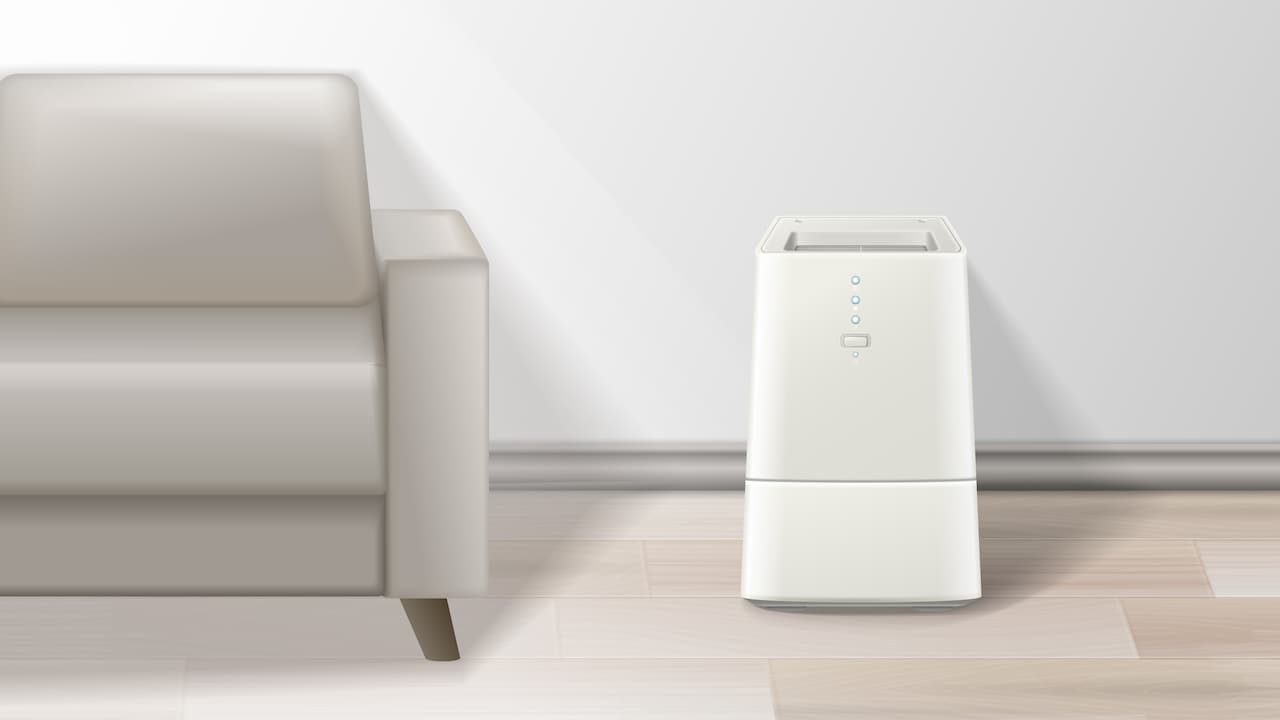
7 Air Purifier Mistakes To Avoid That Disrupt Sleep Quality And Solutions To Follow.
A good night's sleep often begins long before the lights go out. It starts with the air filling the room, air that carries dust, pollen, smoke, pet dander, and city pollution. Air purifiers step in as silent guardians, promising cleaner breathing and better rest. Yet many bedrooms still feel stuffy, noisy, or oddly uncomfortable despite owning one. The issue rarely lies with the air purifier itself. Instead, small choices, where it sits, how it runs, and how often it gets cleaned, shape its impact on sleep. Some mistakes feel harmless during the day but turn disruptive at night. So, if you are using an air purifier at night, here are the top 7 mistakes to avoid that disrupt sleep.
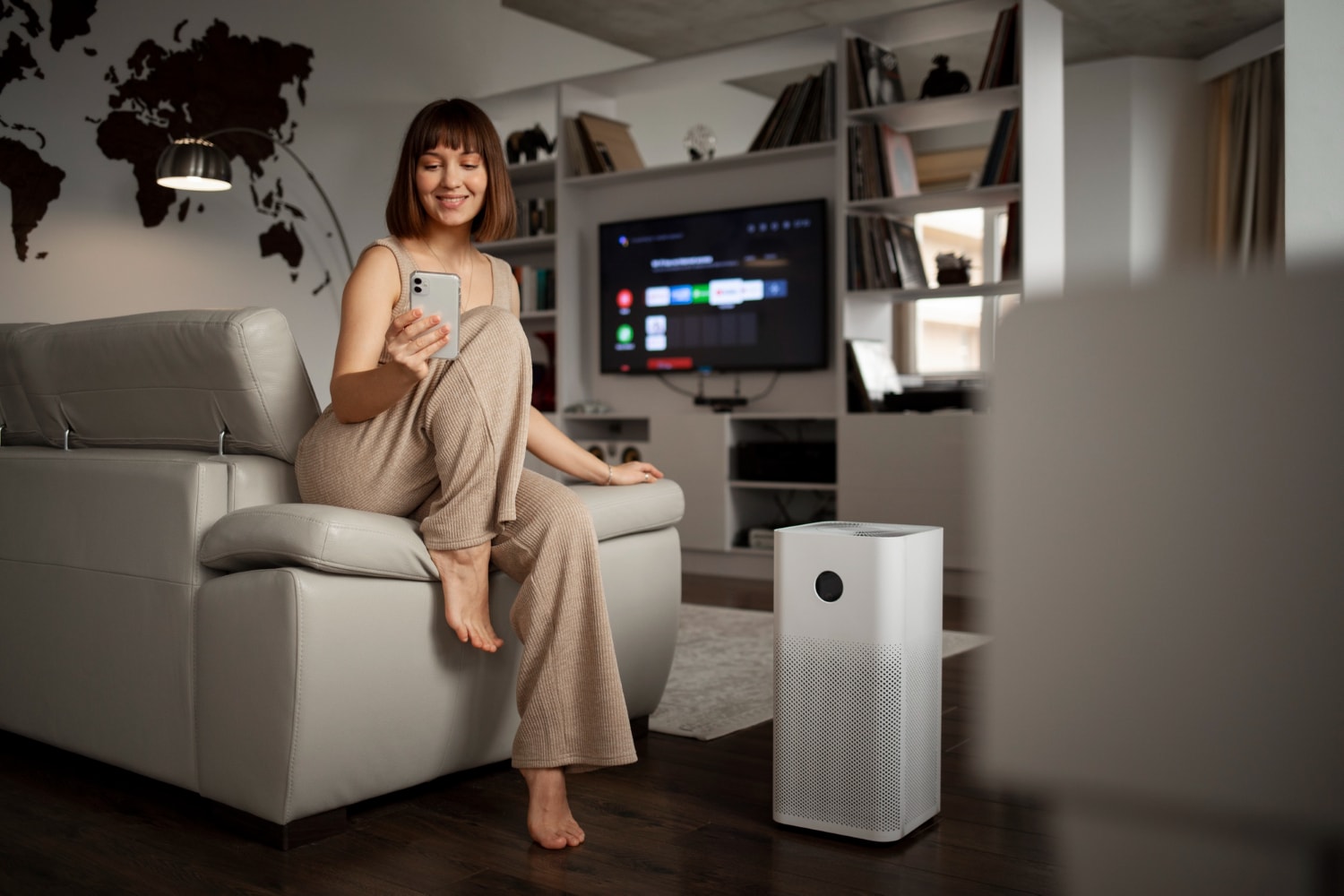
Always avoid these air purifier mistakes when sleeping at night; Photo Credit: Freepik
Sleep feels precious, especially after long workdays, traffic chaos, and late dinners. Fixing these mistakes does not demand expensive upgrades. It only needs awareness, timing, and a few smart adjustments. The sections below explore the most common air purifier missteps and simple solutions to ensure nights stay peaceful and mornings feel refreshed.
Also Read: 8 Best Air Purifiers Under ₹5000 for Indian Homes - Get Clean Air On A Budget
Common Air Purifier Errors That Disrupt Sleep Quality
1. Choosing the Wrong Size for the Bedroom
One of the most common mistakes starts at the store. An air purifier that suits a living room struggles inside a bedroom, and a compact model fights a losing battle in a large master suite. Size matters because every purifier covers a specific area, measured in square feet.
A unit that feels underpowered runs continuously at high speed, creating constant noise and airflow. Sleep suffers when the machine works overtime. On the other hand, an oversized purifier cycles on and off too often, disrupting the quiet rhythm of the night.
The solution feels straightforward but is often overlooked. Measure the bedroom properly and match it with the purifier's recommended coverage. For rooms with high ceilings or attached balconies, choose a slightly higher capacity model. This balance allows the purifier to run at lower speeds while still cleaning the air efficiently.
A well-sized purifier works quietly in the background, like a ceiling fan set just right. Breathing feels easier, the room feels lighter, and sleep arrives without effort.
2. Placing the Purifier in the Wrong Spot
Many bedrooms treat air purifiers like furniture, pushed into corners, hidden behind curtains, or tucked under side tables. While this keeps the room looking neat, it stops the purifier from doing its job.
Air needs space to circulate. When walls or beds block the intake or outlet, the machine recycles the same patch of air repeatedly. Dust and allergens floating near the bed remain untouched, and sleep quality drops without an obvious reason.
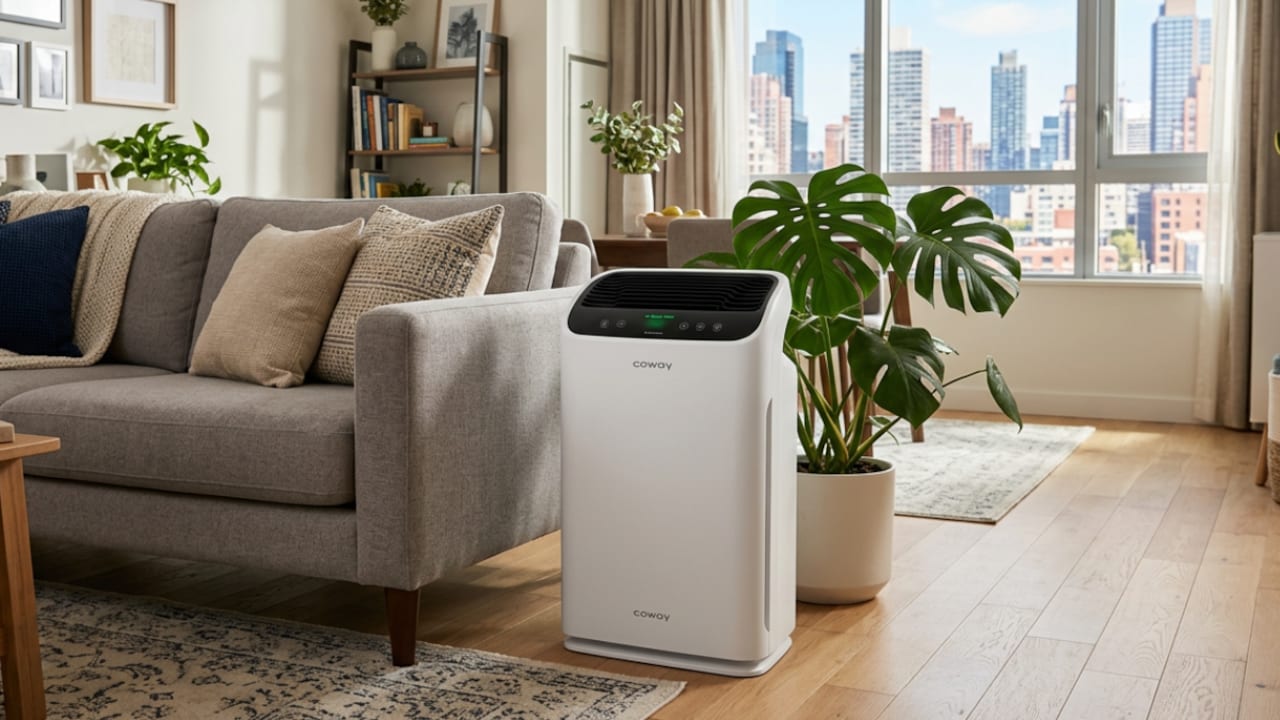
The fix involves a simple shift. Place the purifier at least a foot away from walls and furniture. Keep it closer to the bed but not directly beside the headboard. A spot near a window or door works well, as pollution often enters from these points.
Think of the purifier as a guest who needs breathing room. Give it space, and it rewards the room with cleaner air and calmer nights.
3. Running the Purifier at Maximum Speed All Night
High-speed modes promise rapid purification, which sounds appealing before bedtime. Unfortunately, what works during cleaning sessions fails during sleep. The loud whirring, strong airflow, and vibration often disturb light sleepers.
Many people believe stronger airflow equals better air, but this assumption backfires at night. The noise seeps into dreams, causing micro-awakenings that leave the body tired by morning.
The solution lies in preparation. Run the purifier at a higher speed one or two hours before bedtime. This clears the air quickly. Once the room feels fresh, switch to sleep mode or the lowest setting. Most modern purifiers include night modes designed for silence.
This approach mirrors winding down before sleep. Strong action first, gentle support later. The result feels noticeable: quieter nights, deeper sleep, and mornings without grogginess.
4. Ignoring Filter Cleaning and Replacement
Filters do the heavy lifting, trapping dust, smoke, and allergens day after day. Over time, they clog. A clogged filter strains the motor, increases noise, and reduces purification efficiency. Worse, it can release trapped particles back into the room.
Many households delay filter replacement due to cost concerns. A replacement filter priced around ₹2,000 may feel expensive, but ignoring it costs more in the long run. Poor sleep leads to fatigue, irritability, and frequent colds.
The solution involves routine checks. Inspect filters every two to three weeks, especially in cities with heavy pollution. Clean pre-filters regularly and replace HEPA or carbon filters as recommended by the manufacturer.
A fresh filter restores the purifier's quiet efficiency. Air feels lighter, breathing feels easier, and sleep regains its natural rhythm without disturbance.
5. Overlooking Bright Indicator Lights
Tiny lights seem harmless during the day. At night, they glow like miniature headlights. Blue, green, or red indicators shine directly into the room, subtly disturbing sleep cycles.
Light exposure at night interferes with melatonin production, the hormone responsible for sleep. Even dim lights can affect sensitive sleepers, leading to restless tossing and turning.
The solution feels refreshingly simple. Use the purifier's night mode, which often dims or switches off lights. If that option does not exist, cover the indicator with opaque tape or reposition the purifier away from direct line of sight.
Bedrooms thrive on darkness. Remove unnecessary light, and sleep deepens naturally. The purifier continues its job silently while the room embraces calm, uninterrupted rest.
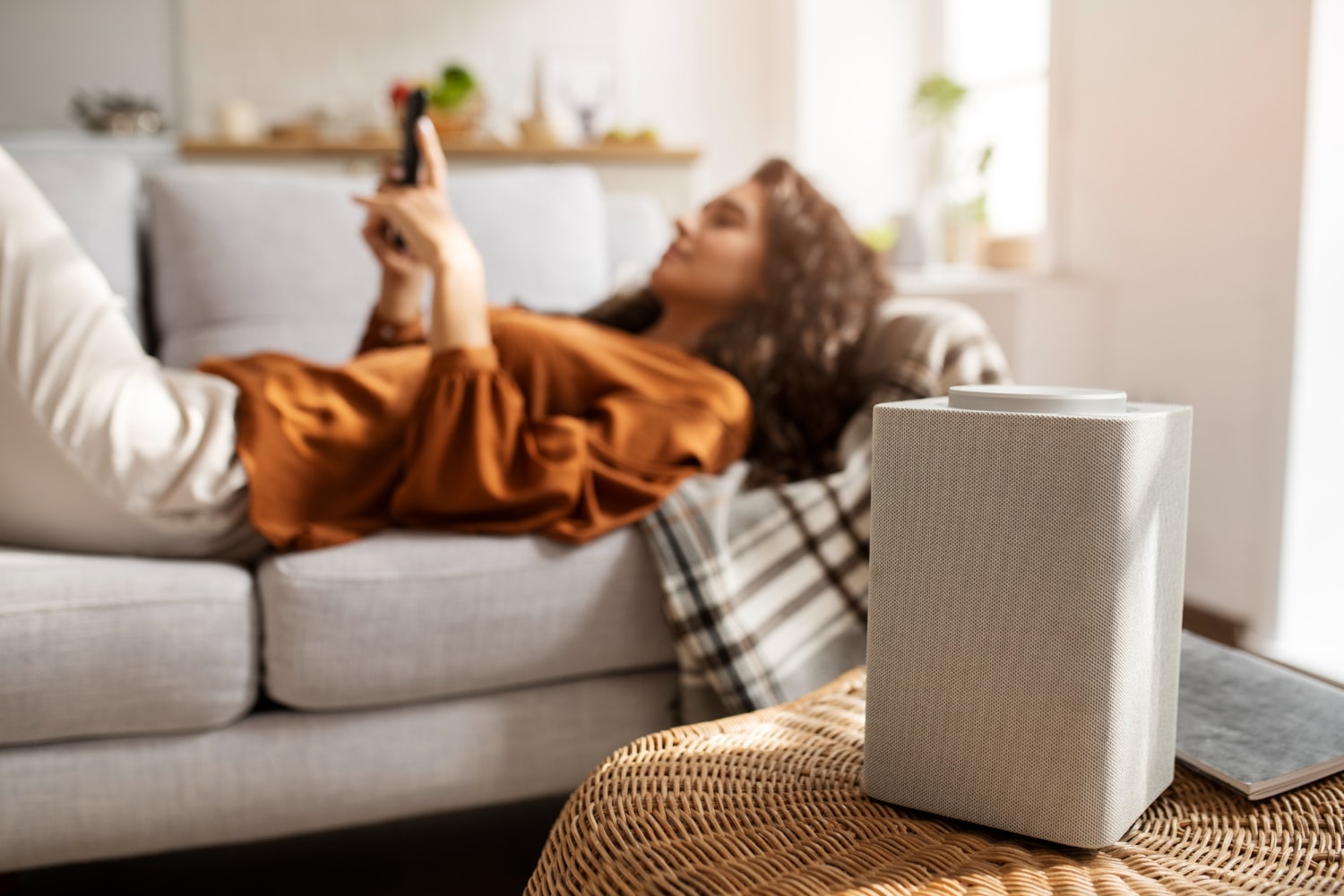
Do not underestimate the bright lights of your air purifier when sleeping at night; Photo Credit: Freepik
6. Expecting the Purifier to Fix Everything Alone
Air purifiers work best as part of a larger sleep-friendly environment. Many households expect them to counter open windows facing traffic, dusty curtains, and unwashed bedding. This expectation places unfair pressure on the machine.
A purifier cannot fight constant pollution sources. Open windows invite smoke and dust. Old mattresses trap allergens. Damp corners encourage mould. Together, they overwhelm even the best purifier.
The solution involves teamwork. Close windows during high pollution hours. Wash curtains and bedsheets weekly. Vacuum carpets and mattresses regularly. Use the purifier as a support system, not a miracle cure.
When the room works with the purifier, sleep improves dramatically. The air stays clean longer, the machine runs quietly, and the bedroom transforms into a true rest zone.
7. Running the Purifier Only at Night
Many people switch on the purifier just before bedtime and turn it off in the morning. While this habit saves electricity, it limits effectiveness. Pollutants accumulate throughout the day, especially in homes near busy roads or construction sites.
Starting purification too late forces the machine to work harder at night. Noise increases, airflow strengthens, and sleep suffers as a result.
The solution lies in timing. Run the purifier during the day at low or medium speeds. This maintains a baseline of clean air. By bedtime, the room already feels fresh, allowing the purifier to operate quietly.
Electricity costs remain modest. A purifier running eight to ten hours daily often adds less than ₹300 to monthly bills. In return, sleep quality improves, mornings feel brighter, and energy levels rise.
Products Related To This Article
1. LEVOIT Core Mini Air Purifier For Coverage Area
2. DREO Air Purifier for Home
3. Shark HP300 Air Purifier
4. Forus Air Purifier for Home & Office
5. Beurer LR 210 HEPA H13 Air Purifier
6. WINIX 5500-2 Air Purifier for Home Large Room Up to 1881 Ft² in 1 Hr
Air purifiers hold immense promise for better sleep, but only when used thoughtfully. Small mistakes, wrong sizing, poor placement, neglected filters, or noisy settings, quietly sabotage rest. These issues rarely announce themselves loudly. Instead, they show up as fatigue, headaches, and restless nights. Sleep thrives on consistency, comfort, and calm. When air purifiers blend seamlessly into this environment, they enhance rest instead of interrupting it. Cleaner air, quieter nights, and refreshed mornings follow naturally.
(Disclaimer: This article may include references to or features of products and services made available through affiliate marketing campaigns. NDTV Convergence Limited (“NDTV”) strives to maintain editorial independence while participating in such campaigns. NDTV does not assume responsibility for the performance or claims of any featured products or services.)