Why Air Purifiers Don't Always Work at Home: How to Fix It
Air purifiers often fail because of the wrong room size, poor placement, open windows, and dirty filters. Here’s what’s going wrong at home, and how to fix it fast.

Air Purifiers Don't Always Work: Here Are The Real Problems And Simple Home Fixes.
The air purifier has become the new pressure cooker: almost every home has one, and every family has a strong opinion about it. Some swear it changed their life. Others quietly regret the purchase, watching the machine hum away while the house still feels like a traffic junction. And honestly, it's not always the purifier's fault.
Most people buy an air purifier expecting it to behave like a magic eraser for pollution, dust, pet hair, cooking smells, and that mysterious “monsoon dampness” vibe. But a purifier is more like a diligent cleaner with one tiny broom. It can do a brilliant job, but only if the space isn't constantly undoing the work.
So, why does the air still feel off? Why do allergies still act up? And why does the purifier's filter look like it fought a war after two weeks?
Let's get into the real reasons air purifiers don't always work at home, and the fixes that actually make them effective.
Photo Credit: Freepik
The Real Reasons Your Air Purifier Isn't Delivering
1) The Room Size Doesn't Match The Purifier
This is the most common problem, and it's also the easiest to miss. Many people buy an air purifier the way they buy a mixer grinder: based on brand, reviews, and a deal that looks too good to ignore. Then it gets placed in a living room that could host a small wedding.
Air purifiers are designed for a specific room size. If the purifier is rated for 150 sq ft and the room is 350 sq ft, it won't “fail” exactly; it will just struggle. The air will get cleaned, but slowly, unevenly, and not enough to feel dramatic.
The fix is simple but slightly annoying: match the purifier to the room's square footage and the ceiling height. If the room is large, either buy a higher-capacity purifier or use two units strategically. A smaller unit can still work well in a bedroom, which is often where the biggest difference is felt anyway. A purifier that can't keep up will always feel like it's doing something… but never enough.
2) Doors And Windows Keep Undoing The Cleaning
A purifier can only clean the air inside a room. That sounds obvious, yet the most common home setup is: purifier running, balcony door open, kitchen window open, and someone casually saying, “Fresh air is good, no?”
Fresh air is good. But fresh air in a city often arrives with dust, pollen, smoke, and traffic fumes as free gifts. If the room keeps exchanging air with the outside, the purifier spends the entire day chasing new pollution. It becomes a never-ending game of “catch me if you can”.
The fix isn't to live sealed like a spaceship. It's to use timing. Run the purifier with doors and windows mostly closed for a few hours, especially during peak traffic times and late evenings when outdoor air quality tends to dip. Then ventilate at cleaner times, like after rain or early morning in quieter areas. Think of it like cleaning the floor: no one mops while the front door is wide open and people are walking in with muddy slippers.
3) The Purifier Is Placed In The Wrong Spot
Placement matters more than most people realise. A purifier shoved into a corner, blocked by a sofa, or trapped behind curtains is like trying to cool a room with an AC that faces the wall.
Air purifiers need clear airflow. If the intake vents are blocked, the device can't pull in dirty air properly. If the outlet is blocked, clean air can't circulate. The machine will still make noise, the display will still glow, and everyone will still feel hopeful. But the room won't feel cleaner.
The fix is to give the purifier breathing space. Keep it away from walls and large furniture. Place it where air naturally moves, near the centre of the room, or at least along an open pathway. If the home has a ceiling fan, the purifier can work better when the fan runs at a low speed, helping circulate air. The purifier should not be treated like a decorative object. It is an air-cleaning appliance, not a houseplant.
4) Cooking Smoke And Spices Overwhelm The Filters
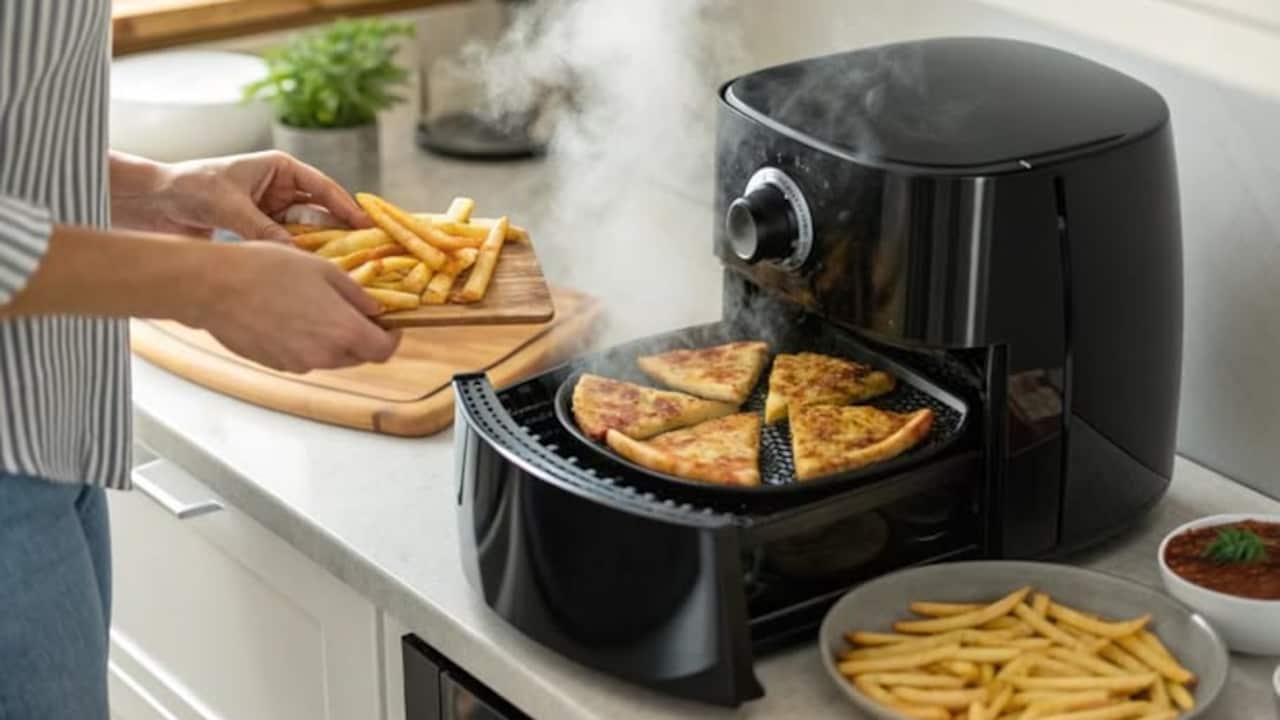
A home kitchen can be the biggest air pollution source in the entire house. Frying, tadka, grilling, roasting, it's delicious, but it releases fine particles that an air purifier must catch. Add incense sticks, mosquito coils, or festive smoke, and the purifier suddenly has a full-time job with overtime.
Many people expect the purifier to remove all cooking smells. That's where disappointment starts. Most purifiers handle particles better than odours. Smell is tricky. It often needs strong activated carbon filters, and even those have limits.
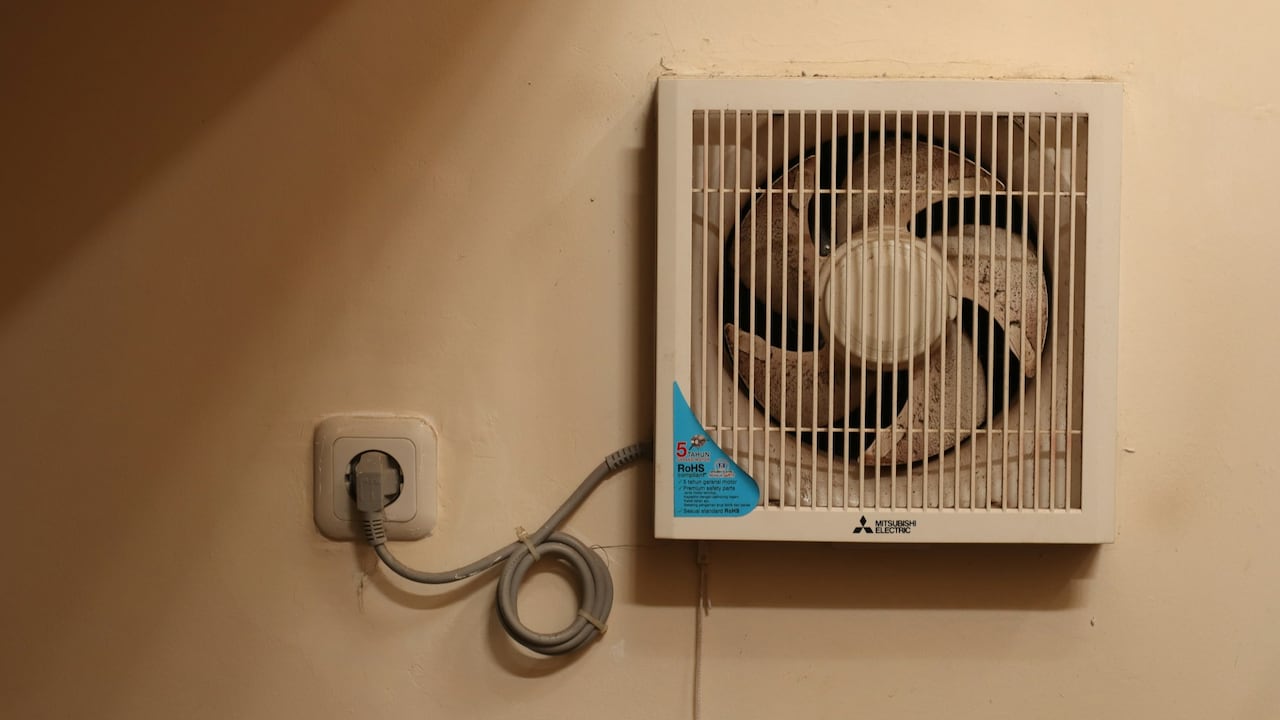
The fix is to reduce the load. Use a chimney or exhaust fan properly. Keep the kitchen door closed while cooking if possible. If the purifier is in the living room, don't place it right next to the stove, where grease particles can clog it quickly. Some homes do well with a smaller purifier in the kitchen and a larger one in the bedroom. It's not excessive, it's realistic. A purifier can clean air, but it cannot outfight an entire evening of frying pakoras every day.
5) Humidity And Dampness Make The Air Feel “Dirty”
There's a particular kind of discomfort that happens during monsoon season. The air feels heavy, sticky, and slightly musty. People often assume the purifier is failing because the room still feels unpleasant.
But humidity is not the purifier's enemy in the way people think. The purifier can remove particles, but it cannot remove moisture unless it has a dehumidifier function. So even if the air is technically cleaner, the room can still feel stuffy.
The fix is to pair the purifier with better moisture control. Use exhaust fans in bathrooms. Open windows briefly during dry hours. Consider a dehumidifier if the home is prone to dampness, especially in coastal areas. Also check for mould behind cupboards and in corners. Mould spores can float in the air, and a purifier may catch some, but the real solution is to remove the source. A purifier is not a cure for a damp house. It is a tool, not a miracle.
6) Filters Are Dirty, Fake, Or Past Their Prime
This one hurts because it involves money and maintenance. Many people buy an air purifier and then forget that it is a machine with consumable parts. Filters don't last forever. In fact, in dusty urban environments, filters can clog much faster than the manufacturer's timeline suggests.
A clogged filter reduces airflow. That means less clean air is produced per hour. The purifier becomes a fancy fan with an exhausted sponge inside. Some people delay replacement because filters can cost ₹1,500 to ₹5,000 depending on the model. Others try to wash filters that are not washable, which ruins them.
The fix is to check filters regularly and follow the correct maintenance method. Pre-filters can often be cleaned. HEPA filters usually cannot. Carbon filters lose effectiveness over time, even if they look fine. Also, buy filters from trusted sources. Counterfeit filters are common, and they can turn a good purifier into a placebo with a power cord.
7) The Purifier Only Works In One Room
Many homes run the purifier in the living room during the day and then wonder why everyone wakes up sneezing. Or it runs in the bedroom at night while the rest of the house remains dusty. The issue isn't that the purifier is bad; it's that air doesn't move between rooms as smoothly as people imagine.
Walls and doors block airflow. Even open doorways don't guarantee equal air mixing. So one room can have clean air while the next room holds onto dust and odours like a grudge.
The fix is to decide which room matters most. For most families, it's the bedroom. People spend hours there, especially children and older adults. Run the purifier where sleep happens. If the home has someone with asthma or allergies, prioritise their room. If the budget allows, use a second unit for the living area. Otherwise, accept that one purifier cannot clean an entire flat unless it's a compact open-plan space.
8) Dust Settles Faster Than The Purifier Can Catch It
Here's the frustrating part: even with a purifier, dust can still settle on surfaces. This makes people think the purifier is useless. But dust on tables isn't always airborne dust. Much of it is brought in through clothes, shoes, fabrics, and windows. It settles quickly, sometimes before the purifier has a chance to capture it.
Also, indoor dust is not just “outside pollution”. It includes skin flakes, fabric fibres, pet dander, and even tiny bits from paper and packaging. Homes with heavy curtains, rugs, and soft furnishings tend to generate more.
The fix is to treat the purifier as part of a system. Keep floors clean, reduce clutter, and use a damp cloth for wiping instead of dry dusting, which simply throws particles back into the air. If shoes are worn inside, dust levels rise. If bedsheets aren't washed regularly, allergens build up. The purifier helps, but it works best when the home stops producing dust like a factory.
9) People Expect It To Remove Everything Instantly
Air purifiers are often sold with dramatic claims. “Removes 99.97% of pollutants.” “Cleaner air in minutes.” It sounds like the room will feel like a hill station immediately. Then reality arrives: the air feels slightly better, but not life-changing.
The issue is expectation. Purifiers don't create oxygen. They don't add freshness like a breeze. They remove particles over time, and the improvement can be subtle, especially if the air wasn't terrible to begin with. Some people only notice the difference when they turn the purifier off and symptoms return.
The fix is to measure improvement in the right ways. Notice sneezing, itchy eyes, throat irritation, and sleep quality. Look at the filter after a month, it tells a story. If the purifier has an AQI display, don't obsess over every fluctuation like it's a cricket scoreboard. Use it as a general guide. A purifier is like drinking water regularly: the benefit shows up quietly, but it matters.
Why Air Purifiers Don't Always Work at Home: How to Fix It
Photo Credit: Pexels
10) The Home Has Hidden Pollution Sources
Sometimes, the purifier is doing its job, but the home keeps producing pollutants. These sources are sneaky and surprisingly common: scented candles, incense, mosquito repellents, strong cleaning sprays, paint fumes, new furniture, damp walls, and even low-quality gas stoves.
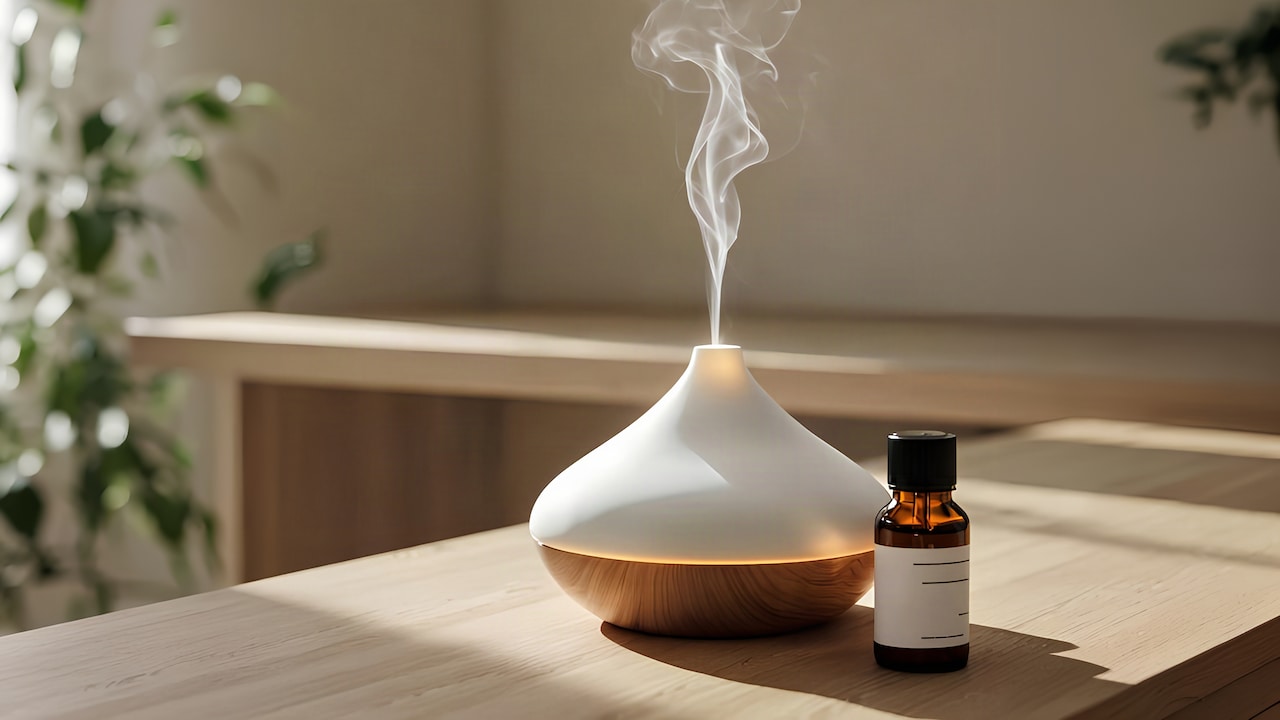
One of the biggest culprits is incense sticks and dhoop. They feel calming, spiritual, and familiar. But they release fine particulate matter that can be worse than outdoor air at times. Mosquito coils are another offender. They are effective, yes, but they fill the room with smoke that the purifier then has to fight.
The fix is to reduce indoor pollution at the source. Use fewer smoke-based products. Switch to safer mosquito control options. Choose low-VOC paints when renovating. Let new furniture air out before placing it in a closed room. Use mild cleaners and ventilate while cleaning. A purifier can help manage what slips through, but it cannot win against constant indoor pollution. That's like trying to dry a floor while the tap is still running.
Products Related To This Article
1. Coway Airmega AIM (AP-0623B) Air Purifier For Home
2. LEVOIT Core Mini Air Purifier For Coverage Area 183 Sq Ft
3. Honeywell Air Purifier for Home & Office, 3-in-1, Pre
4. Qubo Smart Air Purifier Q600 for Home by Hero Group
5. Philips Smart Air Purifier Ac1711 - Purifies Rooms Up To 36 M²
Air purifiers do work. But they work best when treated like a proper appliance, not a magic charm. If the room is too big, the doors are always open, the filters are overdue, and the kitchen is producing daily smoke storms, the purifier will struggle. Not because it's useless, but because it's outnumbered.
The good news is that most fixes are simple. Match the purifier to the room. Place it properly. Maintain the filters. Control humidity. Reduce indoor smoke. Use ventilation smartly instead of constantly. Once these small changes click into place, the purifier stops being a noisy box in the corner and starts doing what it was meant to do: make the home feel lighter, calmer, and easier to breathe in.
And in a world where the air outside can feel like a daily challenge, that's not a small win.
(Disclaimer: This article may include references to or features of products and services made available through affiliate marketing campaigns. NDTV Convergence Limited (“NDTV”) strives to maintain editorial independence while participating in such campaigns. NDTV does not assume responsibility for the performance or claims of any featured products or services.)