Room Heaters Causing Dry Skin? This Is What You Can Do
Winter heaters dry out indoor air, leaving skin tight, flaky, and uncomfortable. Simple changes in heating habits, skincare, and daily routines can help protect moisture without giving up warmth.
How To Prevent Dry Skin Caused By Room Heaters? Here Are Winter Skincare Tips That Work.
There's a familiar winter scene in many homes: the heater goes on, everyone huddles closer, and the room starts feeling like a cosy little bubble. Then, after a few nights, something shifts. Skin begins to feel rough. Elbows get flaky. Knuckles look like they've been through a tiny war. Even people who normally have oily skin start complaining that their face feels “stretched”.
This happens because room heaters don't just warm the air. They also reduce moisture in the environment, which quietly pulls hydration away from your skin. It's not dramatic in the moment, but it builds up day after day. And because winter already makes skin drier, the heater simply speeds up the process.
The good news is that you don't need a 12-step skincare routine or fancy products that cost ₹3,000 a bottle. You need a few practical habits, some simple changes at home, and a little consistency.

Room Heaters Causing Dry Skin? This Is What You Can Do
Photo Credit: Pexels
Why Room Heaters Dry Out Your Skin So Fast
Understand Why Heaters Trigger Dryness
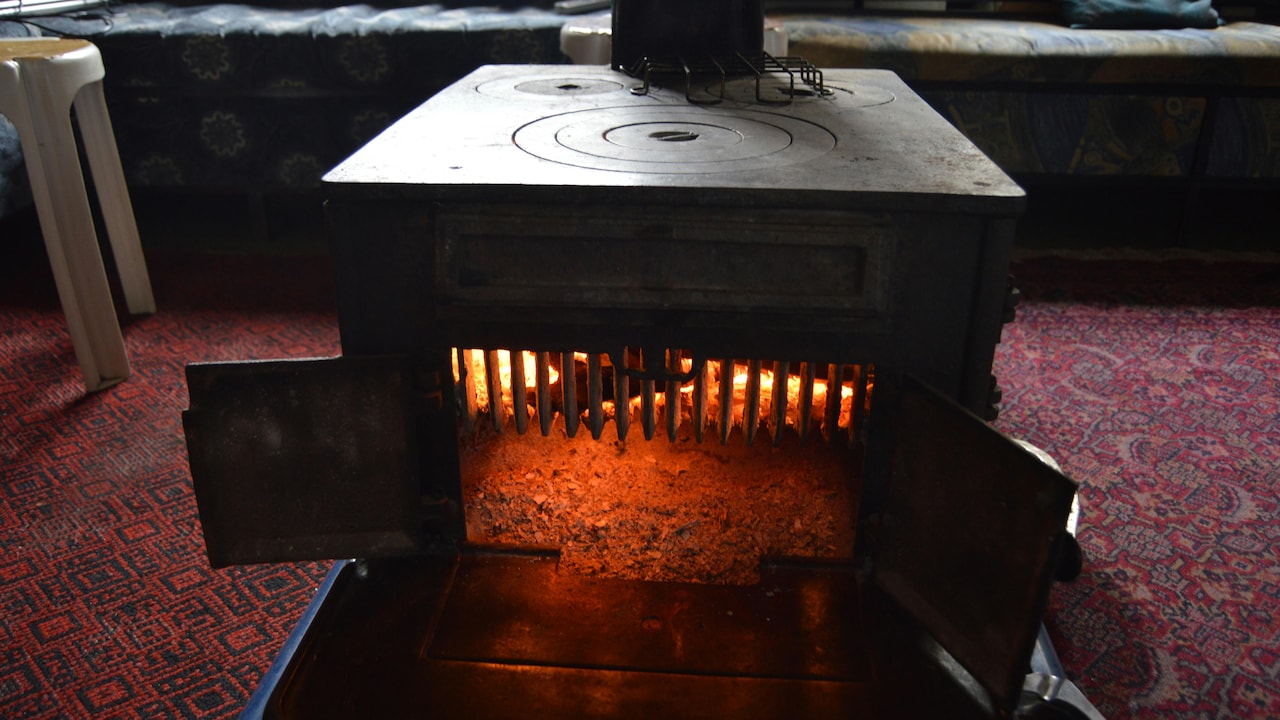
Room heaters dry skin for one simple reason: they lower the humidity in the room. Warm air can hold more moisture, but heaters don't add moisture. They just heat the existing air. That means the relative humidity drops, and suddenly your skin starts losing water faster than usual.
Skin has a natural barrier made of oils and lipids. Think of it like a protective layer that keeps moisture in and irritants out. In winter, this barrier already struggles because cold air outside holds less moisture. Add a heater indoors, and you get a double hit: dry outside, dry inside.
This is why dryness can feel worse at night. Many people sleep with the heater on for hours, and by morning, the skin feels tight, dull, or itchy. Sometimes, it even triggers redness around the nose and cheeks, especially for people with sensitive skin.
Once you understand this, the solution becomes clearer. The goal is not just “apply moisturiser”. The goal is to reduce moisture loss in the room and support the skin barrier so it doesn't collapse under pressure.
Use A Humidifier Or A Simple Water Bowl Hack
A humidifier is the easiest way to fight heater dryness. It adds moisture back into the air, which helps your skin retain hydration. If you've ever walked into a room that feels warm but not suffocatingly dry, chances are the humidity levels were balanced.
Not everyone wants to buy a humidifier, though. A decent one can cost anywhere between ₹1,500 and ₹6,000. The good news is that a low-tech alternative works surprisingly well. Keep a wide bowl of water in the room, preferably near the heater but not too close. As the room warms up, water slowly evaporates and adds some humidity back into the air.
Some households also place wet towels near a safe corner or keep indoor plants that naturally release moisture. These aren't perfect replacements for a humidifier, but they can reduce that harsh “dry heat” feeling.
The main idea is simple: if the air is stealing moisture, give the air another source so it stops treating your face like a sponge.
Don't Sit Too Close To The Heater
This one feels obvious, but it's one of the most ignored habits. People sit right in front of a heater like it's a winter bonfire. It feels amazing for five minutes. Then the skin starts to suffer.
Direct heat exposure speeds up water loss from the skin surface. It also weakens the skin barrier over time, which means dryness becomes more stubborn. If you've noticed that your cheeks get red or your lips crack more when you sit near the heater, that's not your imagination.
The skin on the face is thinner than the skin on your body, and it reacts quickly. Hands suffer too, especially if you warm them directly near the heater. You may feel relief, but your hands lose moisture and become rougher later.
The fix is simple: keep some distance. Let the heater warm the room rather than warming you directly. If you need extra warmth, layer up. A shawl, socks, or a warm hoodie can help without turning your skin into a dry desert.
Warmth should feel cosy, not like you're slowly being toasted.
Choose The Right Moisturiser Texture For Winter
Many people apply moisturiser in winter and still complain about dryness. That's because not all moisturisers behave the same way, especially in heated rooms.
A light gel moisturiser works well in humid weather. In winter, and especially with heaters, it often feels like it vanishes within an hour. Skin needs richer textures that can form a protective layer and reduce water loss. Creams and balms tend to work better than lotions for this season.
Look for ingredients that support hydration and barrier repair. Glycerin helps attract water into the skin. Ceramides help strengthen the barrier. Shea butter and squalane help lock moisture in. You don't need a complicated routine. Even a basic fragrance-free cream can do a solid job.
Also, don't forget body moisturiser. Arms, legs, elbows, and feet need attention too. Winter dryness isn't only a face problem. It's a whole-body situation.
The trick is to match your moisturiser to your environment. If the room feels like warm, dry air, your skin needs a moisturiser that behaves like a protective blanket.
Apply Moisturiser At The Right Time
Timing matters more than people think. Many apply moisturiser when their skin already feels dry and tight. At that point, you're playing catch-up.
The best time to moisturise is when the skin is slightly damp. That could be right after a shower, after washing your face, or even after gently patting the skin with water. Damp skin holds water on the surface, and moisturiser helps trap it.
If you wash your face with warm water, dry it completely, and then wait ten minutes before applying moisturiser, your skin loses moisture in that gap. In a heated room, that moisture loss becomes faster.
The same goes for hands. If you wash your hands often, moisturise right after. Keep a small tube of hand cream near your bed, your work desk, or wherever you spend most of your time.
This isn't about being obsessive. It's about being strategic. Moisturiser works best when it locks in hydration that already exists.
In winter, the goal is prevention. Once the skin gets severely dry, it takes longer to recover.
Avoid Long Hot Showers, Even If They Feel Amazing
Hot showers in winter feel like a warm hug from the universe. But they also strip your skin. The hotter the water, the more it removes natural oils that protect the skin barrier.
When the barrier gets damaged, skin loses water faster. That leads to tightness, flaking, and itching. If you've ever stepped out of a shower and felt your skin instantly dry, that's what's happening.
Try keeping showers shorter and using lukewarm water instead of hot. It may not sound appealing, but your skin will thank you. If lukewarm feels too miserable on cold mornings, keep the water warm but not scalding, and reduce the time spent under it.
Also, choose a gentle cleanser. Many soaps and body washes contain strong surfactants and fragrance, which can worsen dryness. A mild cleanser with moisturising ingredients can make a big difference.
Winter skincare doesn't begin with moisturiser. It begins with not undoing your skin's natural protection in the first place.
Keep Hydration Realistic, Not Dramatic
Winter dryness makes people panic-drink water. Suddenly, there's a water bottle everywhere, and everyone acts like dehydration is the only villain. Hydration matters, yes, but it's not a magical fix for dry skin caused by heaters.
Skin dryness in winter is mostly about water loss from the skin surface and barrier damage. Drinking water supports overall health, but it doesn't directly replace the moisture being pulled out by dry air.
That said, many people do drink less in winter because thirst feels lower. Tea and coffee increase, plain water decreases. A steady intake helps the body function better and can support skin over time.
Warm fluids help too. Plain warm water, soups, and dals count. So does coconut water, if you enjoy it. The goal is consistency, not forcing yourself to gulp litres like it's a competition.
If you're using a heater and your lips keep cracking, drink water, yes. But also fix the environment and protect the skin barrier. Otherwise, you're trying to fill a bucket with a hole.
Protect Lips, Hands, And Feet Like A Winter Survival Kit
The face gets attention because it's visible. But the real winter victims are lips, hands, and feet. These areas have fewer oil glands and tend to dry out faster, especially in heated rooms.
Lips crack because they don't have the same protective oil layer as the rest of the skin. Many lip balms feel comforting but don't last. A thicker balm or ointment at night helps. Some people swear by a simple petroleum-based balm, and honestly, it works.
Hands suffer because they get washed often. Add cold weather and heater exposure, and you get rough knuckles and dry cuticles. A hand cream after washing makes a bigger difference than one random application at bedtime.
Feet dry out because they stay covered in socks and shoes, which can cause friction and dryness. A thick cream at night and socks can prevent cracked heels. It's not glamorous, but it's effective.
Treat these areas like priority zones. They're the first to complain and the last to recover if ignored.
Use Gentle Fabrics And Avoid Skin Irritants
Winter makes people layer up. That's great for warmth, but not all fabrics are kind to skin. Wool, rough synthetics, and heavy sweaters can irritate dry skin and cause itching. If you've ever felt like scratching your arms after wearing a sweater, your skin isn't being dramatic. It's reacting.
Try wearing a soft cotton layer under woollens. It reduces friction and keeps the skin calmer. If your skin is already dry, friction can trigger redness and flaking.
Also, pay attention to laundry detergents. Strong fragrance and harsh chemicals can irritate winter skin, especially when the barrier is already weak. A mild detergent can reduce itching.
Even perfumes and deodorants can sting more in winter. Dry skin becomes sensitive skin. Something that felt fine in summer may suddenly feel harsh.
The goal is to reduce irritation so the skin can focus on healing. In winter, your skin has enough to deal with. It doesn't need your sweater to join the fight.

Room Heaters Causing Dry Skin? This Is What You Can Do
Photo Credit: Pexels
Make Small Lifestyle Tweaks That Add Up
Winter skincare isn't only about products. Small daily habits make a bigger difference than most people realise.
If you work from home with a heater on, take short breaks and step into a less heated area for a few minutes. It helps your skin and also makes you feel less sluggish. If your room is sealed tight all day, open a window for a bit when the weather allows. Fresh air helps balance things.
Sleep also matters. Skin repairs itself at night. If you sleep poorly because you feel too hot or too dry, the skin may look duller and feel rougher. Set the heater to a comfortable temperature instead of turning the room into a sauna.
Diet plays a role, too. Healthy fats from nuts, seeds, ghee in moderation, and fish or plant-based sources support skin barrier function. This isn't about chasing “glowing skin” myths. It's about giving the body building blocks for repair.
The most effective winter routine often looks boring. But boring is powerful. Consistency beats drama every time.
Products Related To This Article
1. USHA 3611FS PTC 2500-Watt Oil Filled Radiator
2. Amazon Brand - Solimo 2000/1000 Watts Room Heater with Adjustable Thermostat
3. Orpat OEH-1220 2000-Watt Fan Heater
4. Ledvance Room Heater for Bedroom | 800 Watts Heater
5. LEDURE 2000W Velar Turbonite Room Heater with 1 Year Warranty
6. 2000W PTC Space Heater for Indoor Use
7. AmazonBasics Compact Portable Room Heater
Room heaters make winter comfortable, but they also quietly drain moisture from the air and from your skin. The result can feel frustrating: dryness that doesn't go away, lips that crack repeatedly, and skin that feels tight no matter what you apply.
The fix doesn't require expensive products or complicated routines. It requires balance. Add moisture back into the room, reduce direct heat exposure, moisturise smartly, and protect the skin barrier instead of constantly stripping it.
Winter should feel cosy, not uncomfortable. With a few simple changes, you can enjoy the warmth of your heater without looking like you've been living inside a sandstorm.
(Disclaimer: This article may include references to or features of products and services made available through affiliate marketing campaigns. NDTV Convergence Limited (“NDTV”) strives to maintain editorial independence while participating in such campaigns. NDTV does not assume responsibility for the performance or claims of any featured products or services.)