Air Fryer Sizes Explained: Why Most People Buy The Wrong Capacity For Their Household
Most people pick the wrong air fryer size. Too small means endless batches, too big wastes space. This guide helps you choose the right capacity for your kitchen and daily cooking needs.
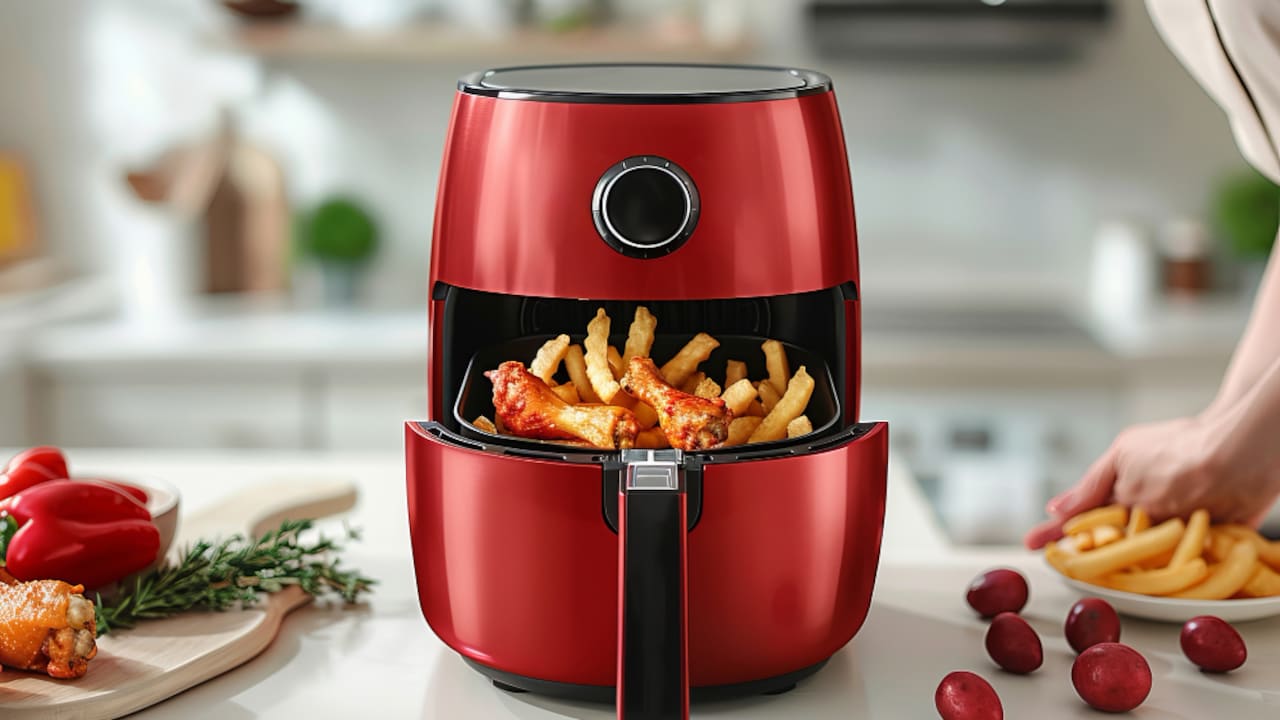
Learn the art of finding the right air fryer size that matches your capacity
Air fryers have quietly taken over modern kitchens. From crispy samosas to guilt-free fries, they promise convenience with a side of health. Yet, behind the glossy advertisements and tempting discounts, one crucial detail often slips through the cracks: size.
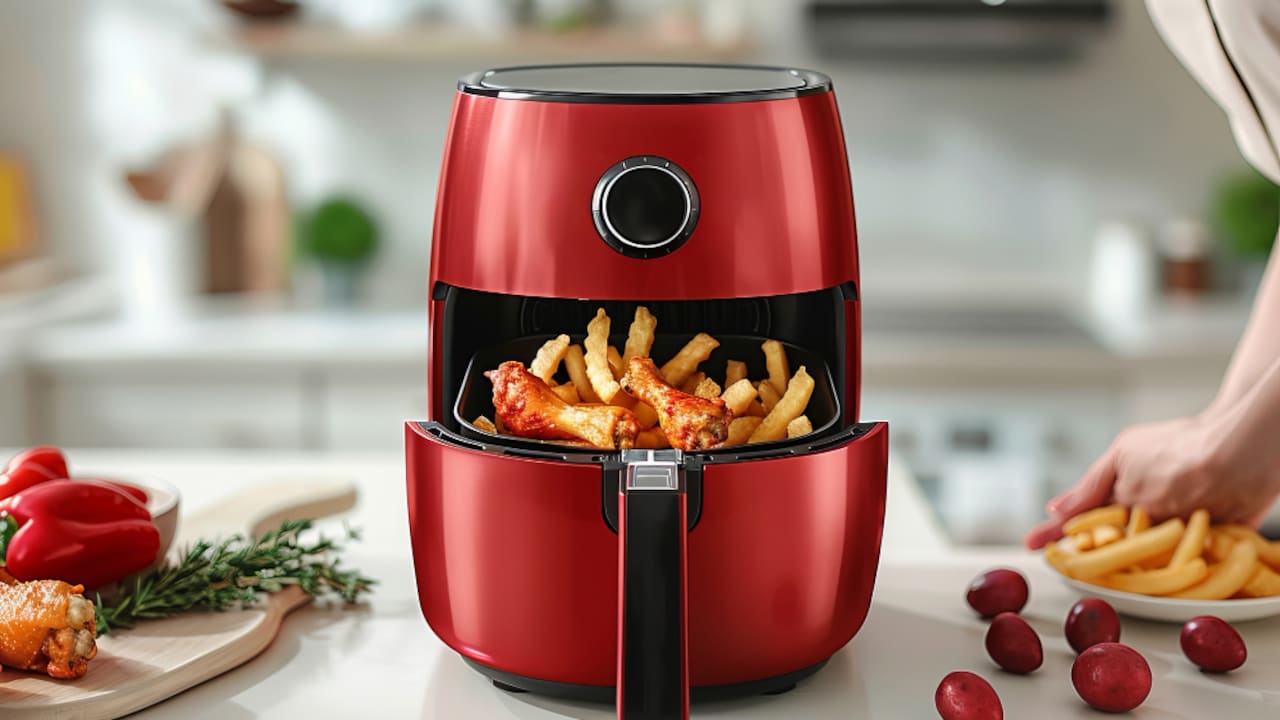
Easy steps to find the right air fryer size for your kitchen; Photo Credit: Freepik
Walk into any electronics store or scroll through a shopping app, and the choices seem endless. Compact 2-litre models sit beside bulky 7-litre machines, all claiming to be the “perfect fit.” The truth feels less straightforward. Many households end up choosing a size based on price, design, or a festival sale offer. Weeks later, frustration creeps in, either from cooking in endless rounds or struggling to justify a bulky appliance that barely sees use.
Capacity is not just a technical specification. It shapes how smoothly meals come together, how often the appliance gets used, and whether it earns a permanent spot on the kitchen counter. Understanding this one factor can make the difference between a daily essential and an expensive regret.
Also Read: Top Air Fryers In India: From Kent To Philips, Here Are 5 Powerful Cooking Aids
Key Factors To Consider Before Choosing An Air Fryer Capacity
Bigger Is Not Always Better
A larger air fryer often feels like the safest choice. After all, more space means more food, right? That logic works on paper but falters in real kitchens. Large-capacity air fryers, especially those above 6 litres, take up considerable counter space. In compact kitchens, they quickly become inconvenient, forcing a shuffle of jars, spice boxes, and everyday tools.
Beyond space, larger models also require more energy to heat up. That extra capacity goes unused during routine cooking. Preparing two aloo tikkis or a handful of nuggets in a massive basket feels inefficient. The food spreads too thin, leading to uneven cooking or dryness.
There is also a psychological factor at play. A big appliance often leads to overestimation of cooking needs. Many assume future gatherings or weekend feasts will justify the purchase. In reality, daily meals rarely match that scale.
A large air fryer suits families that regularly cook for five or more people. For smaller households, it becomes an oversized commitment. The result? An appliance that looks impressive but fails to fit everyday rhythms.
The Small Size Trap
On the other end of the spectrum lies the compact air fryer. These models, usually around 2 to 3 litres, appeal because of their affordability and neat design. They fit snugly into small kitchens and feel like a low-risk purchase. However, their limitations reveal themselves quickly.
Cooking in a small air fryer often demands patience. Preparing a full meal means multiple batches. By the time the last batch finishes, the first one has already cooled down. This creates a disjointed dining experience, especially during busy evenings.
Consider a simple dinner of paneer tikka and fries for a family of four. A small basket struggles to hold enough food in one go. Instead of a quick meal, the process stretches into a sequence of repetitive steps.
These models work well for individuals or couples who cook small portions. Beyond that, they become restrictive. What begins as a smart, budget-friendly decision can soon feel like a daily inconvenience.
Understanding Litres Versus Usable Space
Capacity, measured in litres, often misleads buyers. A 5-litre air fryer does not necessarily mean it can comfortably cook 5 litres of food. The actual usable space depends on the basket design, shape, and airflow.
Round baskets, for instance, may waste space along the edges. Square or rectangular designs often provide better surface area, allowing food to spread evenly. This matters because air fryers rely on circulation rather than stacking.
Overfilling the basket defeats the purpose. When food overlaps, it cooks unevenly. Crispy textures turn patchy, and some pieces remain undercooked. The advertised capacity becomes irrelevant if the cooking space cannot be used efficiently.
Understanding usable space helps avoid disappointment. Instead of focusing solely on litres, it helps to visualise real dishes. How many cutlets fit in a single layer? Can a full batch of fries cook evenly? These practical questions paint a clearer picture than numbers on a box.
Family Size Does Not Tell The Full Story
Many buying guides simplify the decision: a small air fryer for one or two people, a medium for four, a large for bigger families. While this serves as a starting point, it ignores how people actually cook.
Some households prefer quick snacks over elaborate meals. Others rely heavily on home-cooked dishes, using the air fryer multiple times a day. Eating habits, not just the number of people, influence the ideal capacity.
A family of three that enjoys evening snacks and weekend experiments may need a larger model than a family of five that uses the air fryer occasionally. Cooking frequency matters just as much as household size.
Cultural food habits also play a role. Preparing items like kebabs, pakoras, or stuffed vegetables often requires space for proper airflow. These dishes do not stack well, making capacity more critical.
Choosing based on lifestyle rather than just numbers leads to a more satisfying experience. It ensures the appliance aligns with actual routines rather than theoretical assumptions.
The Batch Cooking Reality
Air fryers promise convenience, but batch cooking often becomes an unspoken reality. When the capacity falls short, meals stretch into multiple rounds. This affects both time and energy.
Imagine preparing snacks for guests during a cricket match. The first batch finishes quickly, but the second and third batches keep everyone waiting. The rhythm of the evening gets disrupted, and the host ends up spending more time in the kitchen than intended.
Batch cooking also increases electricity usage. Reheating the appliance repeatedly adds to energy consumption, offsetting some of the efficiency benefits.
The ideal air fryer should minimise the need for repeated cycles. It should handle most everyday dishes in one go. This does not mean going for the largest size available, but finding a balance that reduces repetition.
Convenience lies not just in the technology but in how seamlessly it fits into daily life. Reducing batch cooking transforms the air fryer from a novelty into a reliable companion.
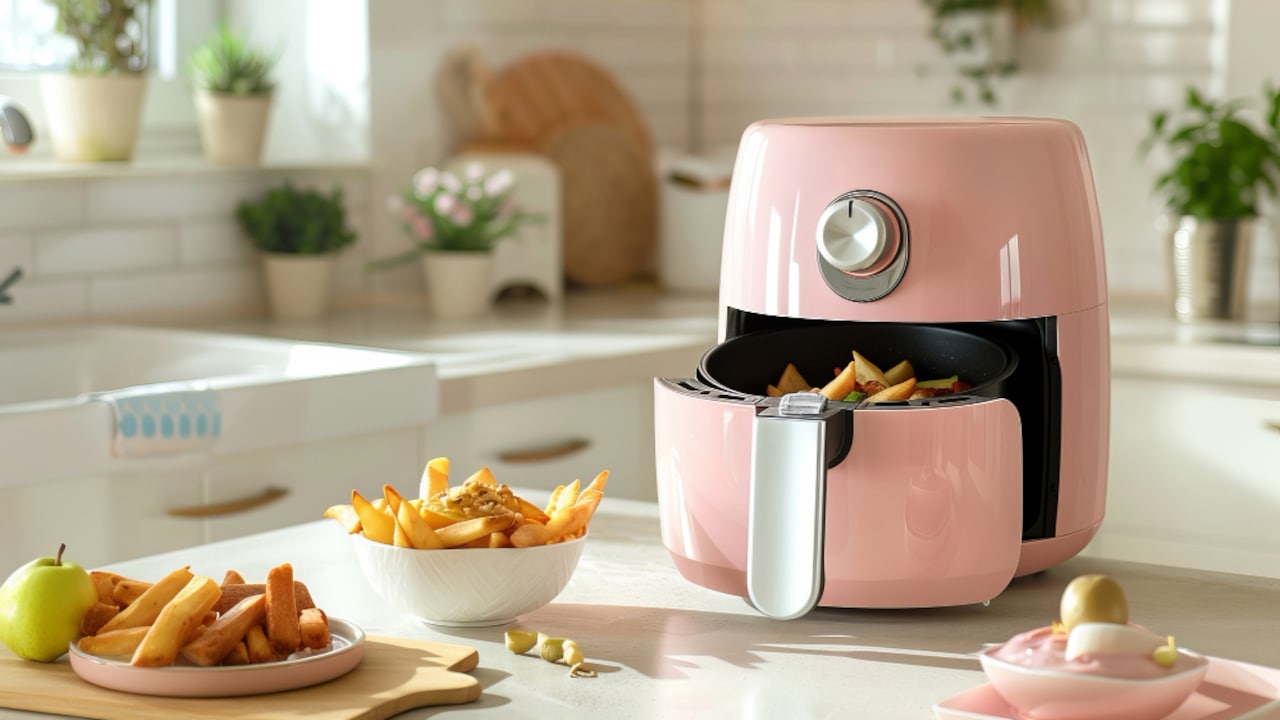
Ensure that the air fryer can cook batch food in one go rather than in repeated cycles; Photo Credit: Freepik
Storage And Kitchen Space Considerations
Kitchen space often dictates appliance choices more than expected. A bulky air fryer can dominate the counter, leaving little room for chopping, mixing, or plating.
In many homes, counter space is shared with essentials like mixer grinders, water purifiers, and spice racks. Adding a large air fryer without planning can create clutter. This leads to frequent shifting, which discourages regular use.
Storage becomes another challenge. Cabinets may not accommodate larger models easily. Lifting a heavy appliance in and out of storage reduces its practicality.
Compact models win in terms of space but may compromise on capacity. The key lies in balancing size with usability. A medium-sized air fryer often fits comfortably without overwhelming the kitchen.
Considering where the appliance will sit and how often it will be used prevents future frustration. A well-placed air fryer invites regular use, while an awkwardly stored one fades into the background.
The Influence Of Discounts And Sales
Festive sales and online deals often sway buying decisions. A large air fryer available at ₹2,999 instead of ₹5,000 feels like a bargain. The temptation to “upgrade” becomes hard to resist.
However, price-driven decisions rarely consider long-term usability. A discounted large model may not suit the kitchen or cooking habits. Similarly, a cheap small model may fail to meet daily needs.
Marketing tactics often highlight capacity as a premium feature. Bigger numbers create a sense of value. Yet, value lies in suitability, not size.
Impulse purchases during sales events often lead to mismatched choices. The excitement of a deal overshadows practical considerations. Weeks later, the appliance either feels excessive or inadequate.
A thoughtful approach involves stepping back from the discount and focusing on requirements. The right size may not always be the cheapest option, but it offers better satisfaction over time.
Cooking Style And Menu Preferences
Air fryers excel at certain dishes more than others. Understanding what gets cooked most often helps determine the right capacity.
For snack-heavy menus, fries, nuggets, and cutlets, a moderate capacity works well. These items benefit from even spacing and quick cooking. However, for larger dishes like whole chicken or layered recipes, more space becomes essential.
Those who enjoy experimenting with recipes may need extra room. Baking, roasting, and grilling require flexibility in basket size. A cramped space limits creativity.
On the other hand, minimalistic cooking styles do not demand large capacities. Simple meals with fewer components fit comfortably in smaller models.
Matching the air fryer to the cooking style ensures better results. It prevents underutilisation and encourages regular use. The appliance becomes a tool for creativity rather than a constraint.
Maintenance And Cleaning Effort
Cleaning often determines how frequently an appliance gets used. Larger air fryers come with bigger baskets and trays, which require more effort to clean. After a long day, this can feel like an unnecessary chore.
Smaller models, while easier to clean, may require multiple rounds of cooking. This results in cleaning more frequently, even if each session is quicker.
Non-stick coatings and dishwasher-safe parts ease the process, but size still plays a role. A medium-sized air fryer often strikes the right balance between cleaning effort and cooking efficiency.
Ease of maintenance encourages consistent use. When cleaning feels manageable, the appliance becomes part of daily routines rather than an occasional tool.
Ignoring this aspect leads to a common outcome: the air fryer gets pushed aside after initial enthusiasm fades.
Finding The Sweet Spot
The ideal air fryer size sits somewhere between extremes. For most households, a capacity of 4 to 5 litres offers a practical balance. It handles everyday meals comfortably without occupying excessive space.
This range supports a variety of dishes, from snacks to полноцен meals, without frequent batch cooking. It fits well into most kitchens and remains easy to maintain.
Of course, exceptions exist. Larger families or enthusiastic cooks may benefit from bigger models. Individuals or couples with limited space may prefer smaller ones.
The key lies in understanding personal needs rather than following trends. A well-chosen air fryer feels effortless to use. It integrates into daily life, making cooking quicker and more enjoyable.
Finding this balance transforms the buying decision from a gamble into a thoughtful investment.
Products Related To This Article
1. NUUK BRĪSK 6.5L XL Basket
2. Amazon Basics 3.5L Electric Air Fryer
3. Milton Rapid Digital Air Fryer 4.2L
4. Cookwell Air Fryer - 5L With See Through Window
5. PHILIPS Air Fryer NA231/00 with touch panel
Air fryers have earned their place in modern kitchens, but choosing the right size remains a surprisingly overlooked step. The allure of bigger capacities and attractive discounts often leads to mismatched choices.
A well-sized air fryer does more than cook food. It simplifies routines, saves time, and encourages healthier habits. It becomes a reliable companion rather than an occasional gadget.
Understanding capacity, lifestyle, and kitchen space helps cut through the noise of marketing claims. It ensures the appliance fits seamlessly into everyday life.
The next time an air fryer catches attention, the question shifts from “Is this a good deal?” to “Is this the right size?”
That small shift in thinking makes all the difference between regret and satisfaction.
(Disclaimer: This article may include references to or features of products and services made available through affiliate marketing campaigns. NDTV Convergence Limited (“NDTV”) strives to maintain editorial independence while participating in such campaigns. NDTV does not assume responsibility for the performance or claims of any featured products or services.)