Why Clothes Fade In Washing Machines: Common Laundry Mistakes And Easy Fixes
Clothes fading too fast? Hard water, harsh detergents, hot washes, and poor machine care could be to blame. Learn simple laundry fixes to keep colours bright longer.
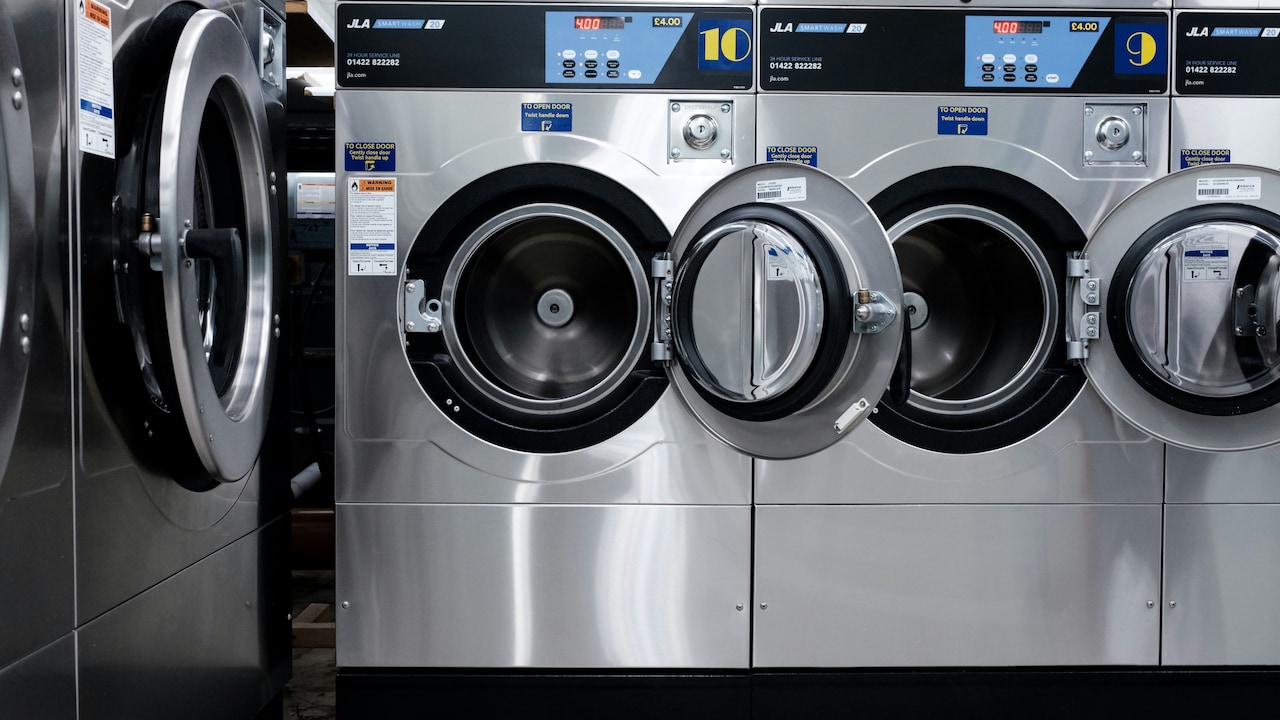
Why Do Clothes Fade Faster in Washing Machines? Know The Best Laundry and Washer Tips.
Washing machines can quietly strip colour from clothes through heat, friction, and detergent use. Understanding why fabrics fade helps extend garment life with smarter washing habits and better machine settings. Almost every household has faced this quiet frustration. A new outfit looks perfect on day one, but after a month of regular washes, the colour dulls, and the fabric feels older than expected. Washing machines save time and effort, especially in busy homes, yet they can also become the biggest reason behind faded clothes. From water quality to detergent choice, many small factors work together inside that spinning drum.
Understanding how washing machines treat fabric helps extend the life of clothes. A few mindful changes in laundry habits can make a visible difference. Clothes can stay vibrant, soft, and presentable without extra expense or complicated routines. The secret lies in knowing what causes fading and learning how to wash smarter, not harder.
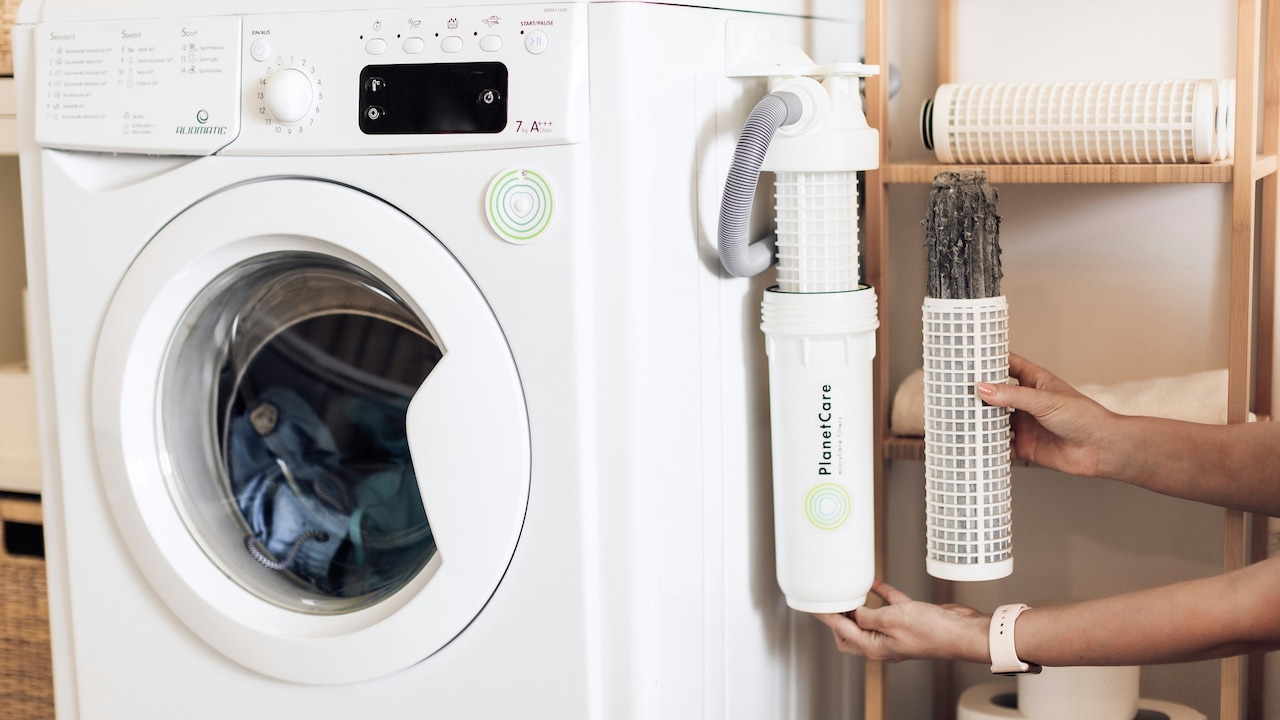
Why Clothes Lose Colour in Washing Machines and How to Prevent Fading
Photo Credit: Unsplash
Small Laundry Mistakes That Make Clothes Look Older Faster
1. The Science Behind Colour Fading in Washing Machines
Colour fading starts at a microscopic level. Fabric dyes cling to fibres, but they are not permanent. When clothes tumble in water, friction loosens dye particles. Add detergent and heat, and the process speeds up. Each wash strips away tiny amounts of colour, often unnoticed at first.
Dark colours suffer the most. Blue jeans, black T-shirts, and deep reds release dye during early washes. Over time, the fabric looks washed out. Synthetic blends sometimes hold colour better, yet they can still fade due to surface abrasion. Natural fabrics like cotton and linen lose dye faster because their fibres swell in water.
Water movement also matters. Aggressive wash cycles cause more rubbing between clothes. This constant friction wears down fibres and pulls colour away. Understanding this process explains why gentle handling inside the machine keeps colours alive for longer.
2. Water Quality and Its Hidden Impact on Clothes
Water plays a larger role than most people realise. Hard water contains minerals like calcium and magnesium. These minerals react with the detergent and settle on the fabric. Over time, clothes look dull and rough, even if colours remain intact.
Soft water cleans better but can sometimes strip dye faster when paired with strong detergents. In many cities, water quality varies across neighbourhoods. Clothes washed in mineral-heavy water may fade unevenly, especially whites and pastels.
Temperature also links closely to water quality. Hot water opens up fabric fibres, allowing dye to escape more easily. Cold water keeps fibres tighter and reduces colour loss. Using the right temperature based on fabric type protects clothes from unnecessary fading and keeps textures pleasant to touch.
3. Detergents: Friend, Foe, or Both?
Detergents clean clothes by lifting dirt and oils, yet they can be harsh on colours. Strong chemical formulas break down stains quickly but often attack dye molecules as well. Powder detergents, if not dissolved properly, can leave residue that dulls fabric over time.
Liquid detergents usually dissolve faster and work better in cold water. Colour-safe variants reduce fading, though overuse still harms fabric. Using more detergent than required does not mean cleaner clothes. It only increases friction and chemical exposure.
Scented and brightening detergents may contain optical enhancers. These make clothes appear brighter at first, but weaken fibres with repeated use. Choosing mild detergent and measuring carefully keeps clothes clean without sacrificing colour depth.
4. The Role of Wash Cycles and Machine Settings
Wash cycles exist for a reason, yet many loads go through the same default setting. Heavy cycles use stronger agitation and longer wash times. This suits towels and bedsheets, not delicate clothing.
Every extra minute of tumbling increases fabric wear. Quick wash or gentle cycles reduce stress on fibres. Modern machines offer fabric-specific programmes, yet they often remain unused. Cotton, synthetics, and delicates benefit from tailored movement and spin speeds.
High spin speeds remove water efficiently but twist fabric tightly. This stresses seams and fades colour faster. Reducing spin speed slightly can extend garment life without leaving clothes dripping wet. Small setting changes bring long-term benefits.
5. Overloading and Underloading the Washing Machine
An overloaded washing machine may seem efficient, but it damages clothes. When the drum is too full, clothes rub against each other constantly. Detergent fails to distribute evenly, leading to patchy fading.
Underloading causes a different problem. Clothes slam against the drum with more force, increasing friction. Both extremes harm fabric and colour. A balanced load allows clothes to move freely without excessive impact.
Following the manufacturer's load guidelines helps maintain clothes and machine health. A simple rule works well: the drum should feel full but still allow a hand to move comfortably at the top. Balance brings better cleaning and gentler handling.
6. Sorting Clothes: A Forgotten Art
Sorting clothes often feels like an extra chore, yet it saves garments from early ageing. Washing darks with lights transfers dye and dulls lighter fabrics. Even similar colours behave differently during washes.
New clothes release excess dye during initial washes. Washing them separately prevents colour bleeding. Fabric type also matters. Heavy items like jeans damage delicate tops when washed together.
Turning clothes inside out reduces direct friction on the outer surface. This simple habit protects prints, embroidery, and surface colour. Sorting may take a few extra minutes, but it rewards patience with longer-lasting wardrobes.
7. Heat: The Silent Colour Killer
Heat speeds up cleaning but accelerates fading. Hot water loosens dye bonds and weakens fibres. Many stains dissolve easily in cold or lukewarm water, making high temperatures unnecessary for daily laundry.
Drying adds another layer of heat exposure. High heat in dryers shrinks fabric and fades colours further. Sun drying works well but direct sunlight can bleach clothes, especially darker shades.
Drying clothes in the shade with good airflow preserves colour and shape. Lower heat settings, both during washing and drying, keep garments looking fresh and wearable for longer periods.
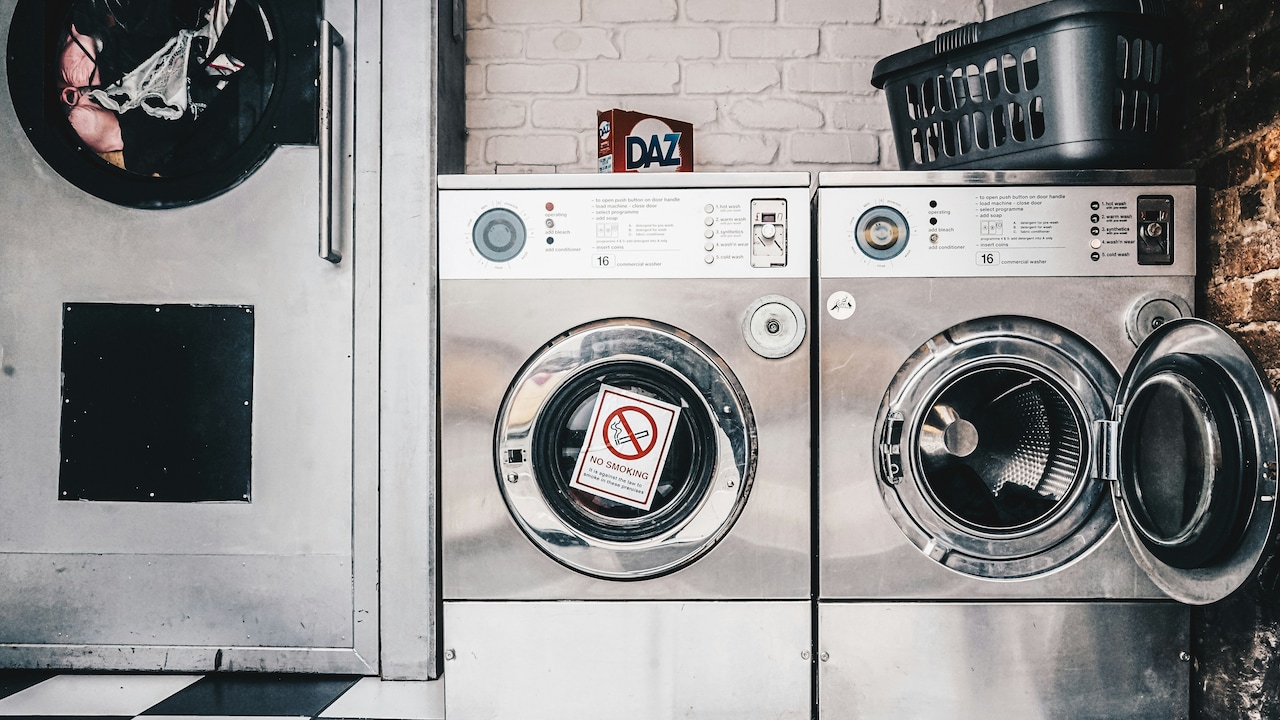
Why Clothes Lose Colour in Washing Machines and How to Prevent Fading
Photo Credit: Pexels
8. Fabric Quality and Construction Matters
Not all clothes fade equally. Fabric quality plays a huge role. Tightly woven fabrics hold dye better than loosely woven ones. Cheaper garments often use surface dyes that wash out quickly.
Stitch quality also affects durability. Loose threads cause uneven stress during washing, leading to faster wear. Printed designs fade faster than yarn-dyed fabrics, where colour runs through the fibre.
Checking fabric labels helps choose suitable wash methods. Investing in slightly better-quality clothing reduces long-term replacement costs and frustration. Well-made clothes reward gentle care with lasting colour and comfort.
9. Washing Frequency and Daily Habits
Clothes do not need washing after every wear. Frequent washing accelerates fading and fabric breakdown. Airing clothes after use removes odour and moisture without stress.
Spot cleaning small stains prevents unnecessary full washes. Wearing inner layers reduces sweat absorption into outer garments. These habits extend the time between washes and preserve fabric quality.
Mindful laundry routines save water, electricity, and effort. Clothes retain their shape and colour longer, making wardrobes feel fuller and more satisfying without constant replacements.
10. Choosing the Right Washing Machine for Colour Care
Washing machine design influences fabric care. Front-load machines generally use less water and have a gentler motion. Top-load machines with agitators can be harsher on clothes.
Modern machines offer inverter motors, steam wash, and fabric-specific programmes. These features reduce friction and improve cleaning efficiency. A well-maintained machine also matters. Cleaning filters and drums prevents residue buildup that dulls clothes.
Using the machine wisely matters more than owning the most expensive model. Understanding settings, load limits, and maintenance keeps clothes vibrant and washing days stress-free.
Products Related To This Article
1. Samsung 8 kg, 5 star, Eco Bubble Tech
2. Haier 8 kg 5 Star Powered by AI-DBT with PuriSteam
3. Whirlpool 7 Kg 5 Star Inverter Front Load Washing Machine with In-Built Heater
4. LG 8 Kg 5 Star Smart Inverter Technology Fully Automatic Top Load Washing Machine
5. Godrej Smart Choice 7 Kg 5 Star, AI Tech, Fabrisafe Steel Drum, Magic Lint Filter, Fills Tub At ~0 Water Pressure, Fully-Automatic Top Load Washing Machine
Clothes fade faster in washing machines due to friction, heat, water quality, detergent strength, and everyday habits. Each wash slowly alters fabric and colour, yet mindful choices can slow this process. Gentle cycles, cold water, proper sorting, and balanced loads make a noticeable difference.
Laundry does not need to feel like a battle against fading. With small adjustments, clothes stay brighter, softer, and more presentable for longer. A little care inside the washing machine goes a long way outside the wardrobe, keeping favourite outfits looking just as good as the day they were bought.
(Disclaimer: This article may include references to or features of products and services made available through affiliate marketing campaigns. NDTV Convergence Limited (“NDTV”) strives to maintain editorial independence while participating in such campaigns. NDTV does not assume responsibility for the performance or claims of any featured products or services.)