Why Electric Trimmers Pull Hair And How to Fix The Problem With Proper Blade Care
Electric trimmers often pull hair due to blunt blades, poor cleaning, wrong angles or low power. This guide explains the causes and shares simple blade care and angle tips for a smoother trim.
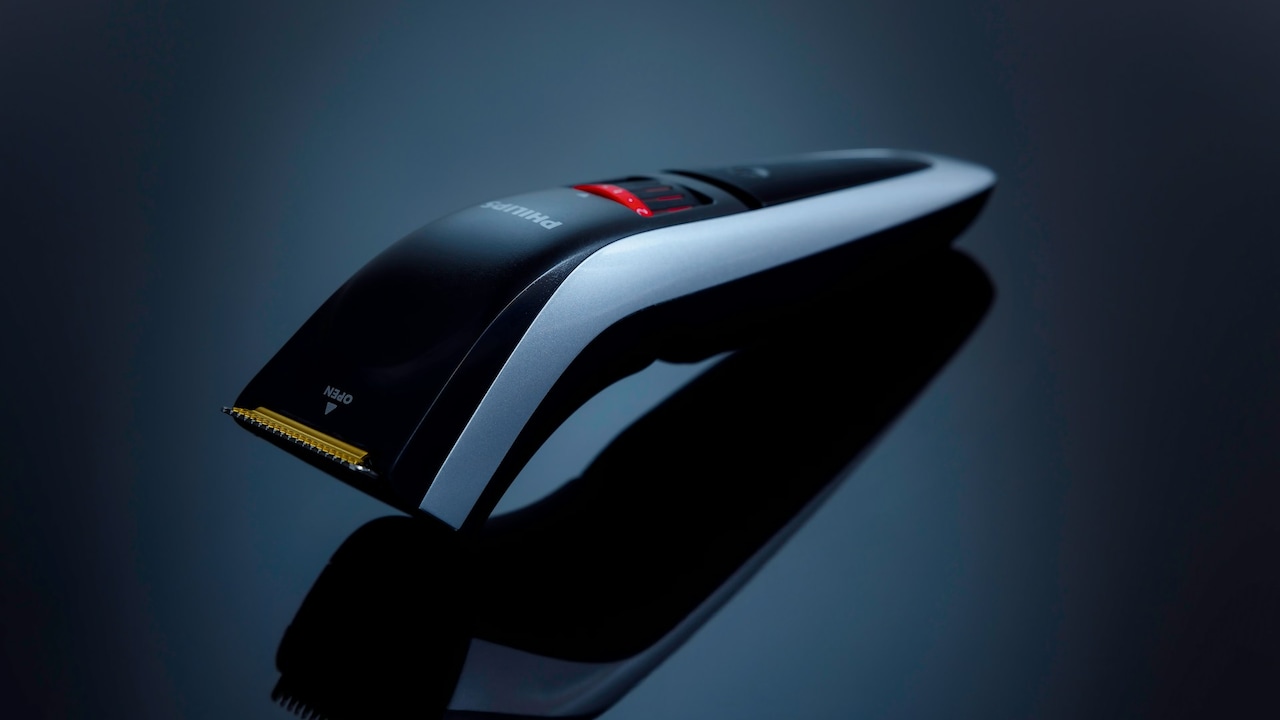
Here are 10 reasons that make electric trimmers pull hair while grooming.
Morning grooming should feel quick and controlled, not like a test of pain tolerance. Many people switch on their trimmer, glide it across the face or body, and suddenly feel that sharp pull. It stings, surprises, and leaves behind irritation. The trimmer gets blamed, then shoved into a drawer, while the old razor returns.
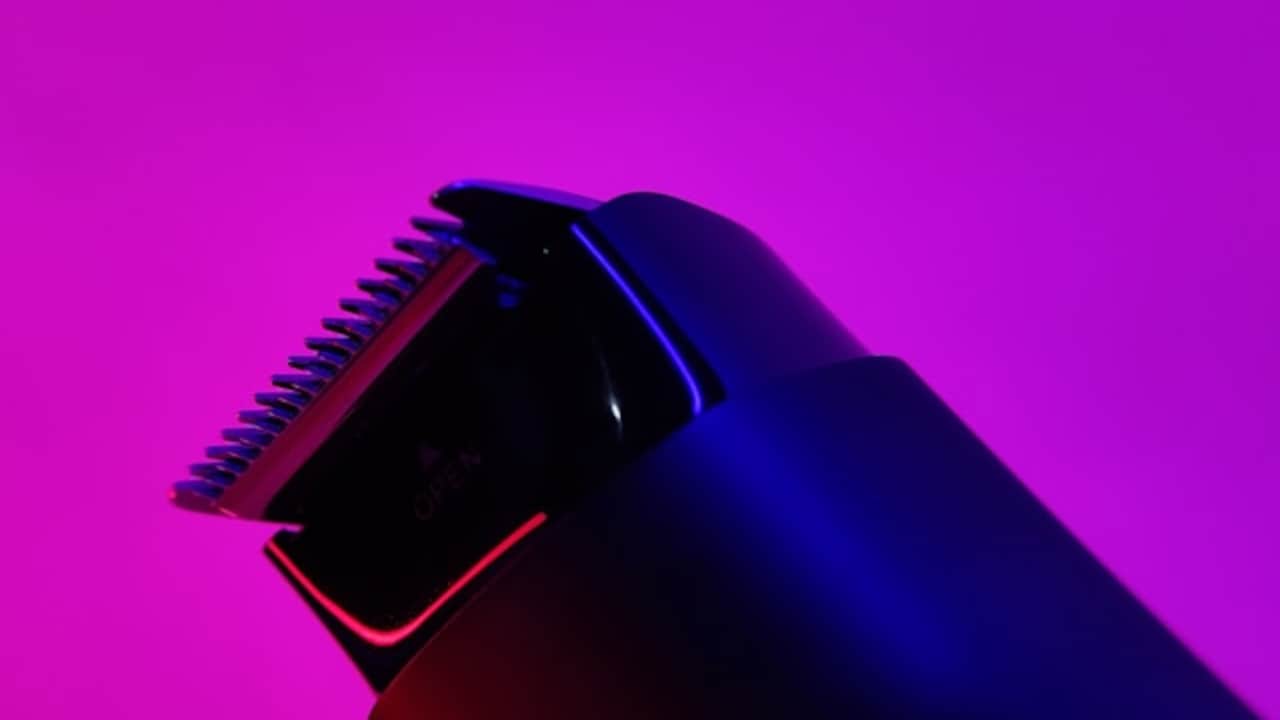
Explore the common causes that make an electric trimmer pull hair; Photo Credit: Unsplash
Hair pulling does not always mean a faulty device. In most cases, the issue lies with blade condition, cleaning habits, or the way the trimmer meets the skin. Even an expensive model can misbehave if handled poorly. Add humidity, thick hair, or a rushed routine, and discomfort follows fast.
This guide explores the real reasons behind hair-pulling. It also shares blade care habits and angle tips that make trimming smoother. The aim stays simple: fewer yelps, better results, and grooming that feels almost effortless. A good trimmer should work with hair, not fight it.
Also Read: Check Out These 5 Cordless Trimmers Under ₹1500 For Perfect At-Home Styling
What Is Really Causing The Pulling And How To Avoid It
1. Blunt Blades: The Silent Culprit
Blades lose sharpness faster than expected. Regular use, thick hair, and dust slowly wear down the cutting edge. A blunt blade fails to slice cleanly. Instead, it grabs hair and tugs before cutting. That pulling sensation often signals dull metal, not tough hair.
Many trimmers still look fine on the outside. The motor hums, the guard clicks, yet the blade struggles. Hair bends instead of snapping cleanly. The skin feels every second of that delay. This problem grows worse in coarse areas like the beard line or chest.
Blade sharpness affects comfort more than speed. A sharp blade cuts quickly, so the hair barely resists. A blunt one drags the process out. Regular blade replacement or sharpening restores that clean cut. Most manufacturers suggest changing blades every few months, though heavy use may shorten that window.
Ignoring blunt blades leads to more than pain. It increases irritation, ingrown hairs, and patchy results. A small investment in blade care saves both skin and sanity.
2. Poor Cleaning Habits and Hair Build-Up
Leftover hair clippings behave like tiny roadblocks. They lodge between blade teeth and reduce cutting efficiency. Each trim adds another layer of debris. Over time, the blade struggles to close fully, which leads to snagging.
Many people skip cleaning because the trimmer still works. That assumption causes trouble. Even a thin layer of hair dust affects performance. Add oil, sweat, and dead skin, and the blade becomes sticky. Hair sticks, pulls, then breaks unevenly.
Cleaning takes less than a minute. A small brush clears loose hair. Running the blade underwater helps if the model allows it. Drying properly matters too. Moisture invites rust, which dulls blades faster.
A clean blade glides smoothly. It cuts hair at the first contact. That smooth motion prevents pulling and keeps the trim even. Treat cleaning as part of trimming, not an optional chore. The difference shows up immediately, especially on sensitive skin.
3. Lack of Blade Oil and Increased Friction
Metal parts need lubrication. Without oil, blades rub against each other and create friction. That friction slows movement and heats the blade. Hair gets caught instead of cut. The result feels like tiny pinches across the skin.
Many trimmers ship with a small oil bottle, which often gets lost or ignored. That oil plays a key role. Just two or three drops before trimming reduces resistance. The blade moves freely and cuts cleanly.
Dry blades also wear out faster. Friction damages the edge and shortens blade life. Regular oiling protects the metal and improves performance. The trim feels smoother, quieter, and quicker.
Using the wrong oil causes problems, too. Thick oils clog the blade. Light clipper oil works best. Apply it, run the trimmer for a few seconds, then wipe off excess. This simple habit prevents pulling and extends the life of the device. Smooth blades lead to calm skin and better results.
4. Incorrect Trimming Angle Against Hair Growth
Angle matters more than many realise. Pressing the trimmer flat or forcing it against hair growth increases resistance. Hair bends, then snaps back, causing that painful pull.
Hair grows in different directions. The beard area alone has swirls, slopes, and stubborn patches. Moving the trimmer without noticing growth patterns leads to uneven cutting. The blade struggles to catch hair cleanly.
Holding the trimmer at a slight angle allows the blade to meet hair naturally. Short, gentle strokes work better than long, forceful ones. Letting the trimmer do the work reduces tugging.
Trimming with the grain first helps too. It shortens hair gradually. Once reduced, going against the grain feels smoother and safer. Rushing straight into aggressive passes causes most pulling complaints.
A mirror check before trimming helps identify tricky growth patterns. Adjusting angle and direction may feel slow at first, yet comfort improves instantly. Skin stays calmer, and the trim looks sharper.
5. Excess Pressure and Rushed Movements
More pressure does not mean a closer trim. Pressing hard forces hair into the blade awkwardly. That pressure increases pulling and irritation. Electric trimmers work best with a light touch.
Many grooming routines happen in a rush. Late mornings, buzzing phones, and half-open eyes encourage careless movements. Fast, heavy strokes feel efficient but often cause discomfort. Hair gets yanked, and skin pays the price.
Gentle passes allow the blade to cut hair gradually. Moving slowly helps the trimmer catch hair at the right moment. Short strokes offer better control and reduce snagging.
Think of trimming like sweeping, not scrubbing. Let the blade skim the surface. Revisit areas if needed rather than forcing results in one go. This approach reduces pulling and improves precision.
Slowing down may add a minute to the routine. That minute saves pain, redness, and frustration. Calm trimming feels better and delivers cleaner lines.
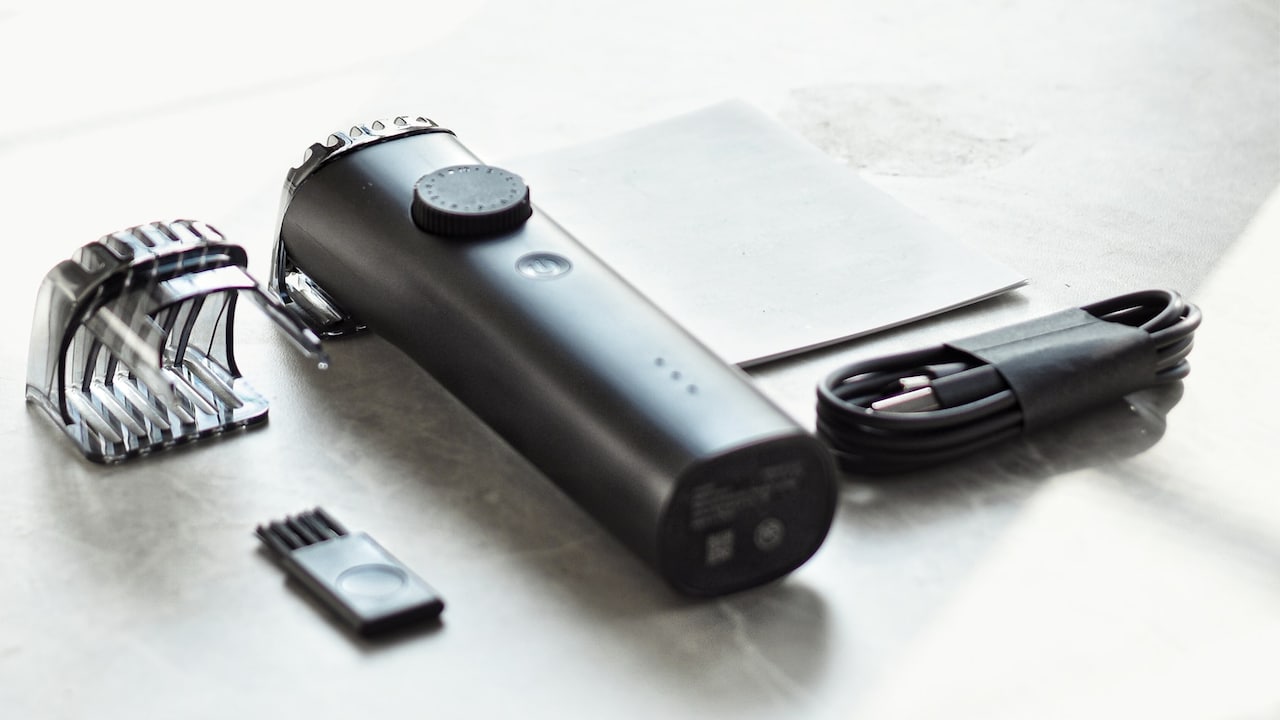
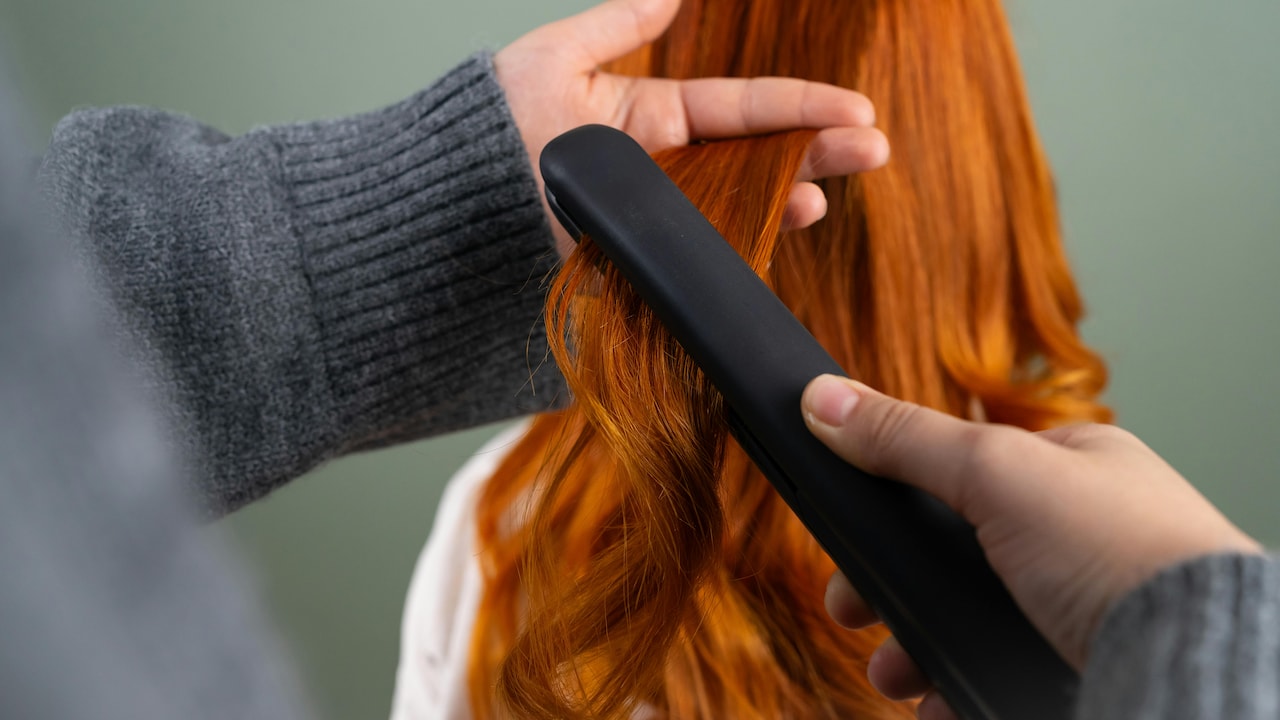
Avoid using excess pressure or rushed movements to avoid pulling hair; Photo Credit: Unsplash
6. Using the Wrong Guard or Attachment
Guards control length and spacing. Using the wrong guard changes how hair enters the blade. A missing or damaged guard exposes hair to uneven cutting. That uneven entry causes pulling.
Some people remove guards for speed. Others use a guard meant for a different area. Beard hair, body hair, and head hair vary in thickness. Each needs proper spacing.
Cracked or loose guards cause uneven pressure. Hair slips in awkwardly and gets tugged. Regularly checking attachments prevents this issue. A secure guard ensures consistent cutting.
Switching guards gradually helps when trimming long hair. Jumping from long to very short increases resistance. Hair gets trapped instead of cut cleanly.
Choosing the right attachment feels boring, but pays off. The trim feels smoother. Hair length stays even. Most importantly, the blade cuts rather than pulls. Comfort improves with every correct choice.
7. Low Battery Power and Reduced Motor Speed
Battery health affects cutting power. A low battery slows the motor. Slower blades struggle to slice hair cleanly. They grab and pull instead.
Many people ignore battery warnings. The trimmer still runs, so trimming begins. Halfway through, pulling starts. Those discomfort signals reduced power.
Charging fully before trimming ensures consistent speed. Corded use offers steady power, though not everyone prefers it. Either way, strong motor speed keeps blades moving fast enough to cut cleanly.
Older batteries lose capacity over time. Shorter run times and weak performance suggest replacement. Continuing to use a fading battery leads to frustration and discomfort.
A powerful motor paired with a full battery makes trimming effortless. Haircuts cleanly. Skin stays calm. Paying attention to power levels prevents unnecessary pain.
8. Trimming Dry, Coarse Hair Without Preparation
Dry hair resists cutting. It stands stiff and pushes back against the blade. That resistance increases pulling. Moisture softens hair and makes trimming easier.
Many skip preparation, especially during quick trims. Washing the area with warm water softens hair and opens pores. Even a warm towel helps.
Using a pre-trim lotion or light oil reduces friction. Hair slides into the blade smoothly. The trim feels gentler and faster.
Humidity also affects hair texture. Dry winter air makes hair coarser. Adjusting preparation during different seasons improves comfort.
Taking a few moments to prep transforms the experience. Haircuts cleanly. Skin feels relaxed. Trimming becomes less of a battle and more of a routine.
9. Poor Quality or Ageing Trimmer Design
Not all trimmers age gracefully. Motors weaken. Blades misalign. Cheap designs struggle with thick hair. Over time, even good models show wear.
An ageing trimmer may still switch on but perform poorly. Increased noise, vibration, and pulling signal trouble. Continuing to use it causes discomfort.
Quality trimmers maintain blade alignment and motor speed longer. They handle varied hair textures better. Investing once often saves repeated frustration.
Maintenance extends life, but not forever. Recognising when to replace a trimmer matters. Persistent pulling despite good care suggests deeper issues.
A reliable trimmer should feel smooth and controlled. If every session feels like a struggle, upgrading may be the kindest choice for skin and patience.
10. Ignoring Regular Maintenance and Replacement Cycles
Every tool has a lifespan. Trimmers need care and timely replacement. Ignoring this reality leads to discomfort.
Regular maintenance includes cleaning, oiling, checking guards, and charging properly. Skipping these steps compounds problems. Hair-pulling becomes frequent.
Blades require replacement after a set period. Continuing with worn blades causes pain and uneven results. Most brands provide clear timelines.
Treating the trimmer as a long-term companion rather than a one-time purchase changes outcomes. Respecting maintenance keeps performance high.
A well-maintained trimmer cuts smoothly, quietly, and comfortably. That consistency turns grooming into a calm habit instead of a dreaded chore.
Products Related To This Article
1. Braun BT5410 Beard Trimmer for Men
2. Philips OneBlade Turbo2X Hybrid Trim
3. BOMBAY SHAVING COMPANY Flash Charging Men Beard Trimmer
4. Beardo Ape-X Prime 3-in-1 Multipurpose Trimmer for Men
5. Pirron Electric Beard Trimmer for Men Professional Adjustable Length and Hair Clipper
Hair pulling during trimming feels small but leaves a lasting impression. It turns a routine task into an uncomfortable memory. The good news lies in simple fixes. Most issues stem from blade care, angle, pressure, and preparation.
Sharp, clean, and oiled blades make the biggest difference. Gentle angles and light pressure protect skin. Proper guards, full battery power, and basic prep further improve comfort. Even the best trimmer fails without care.
Grooming should feel controlled and calm. With the right habits, electric trimmers deliver exactly that. No more sudden yanks. No more irritation. Just a smooth trim and a quiet sense of satisfaction before stepping out the door.
(Disclaimer: This article may include references to or features of products and services made available through affiliate marketing campaigns. NDTV Convergence Limited (“NDTV”) strives to maintain editorial independence while participating in such campaigns. NDTV does not assume responsibility for the performance or claims of any featured products or services.)