10 Reasons Fridge Crisper Drawers Get Too Damp And How To Stop Produce From Turning Soggy
Too much moisture in your fridge crisper can leave vegetables limp and soggy. Discover 10 common causes of excess dampness and simple ways to keep fruit, herbs and vegetables fresher for longer.
Why Fridge Crisper Drawers Get Too Damp And How To Keep Produce Fresh
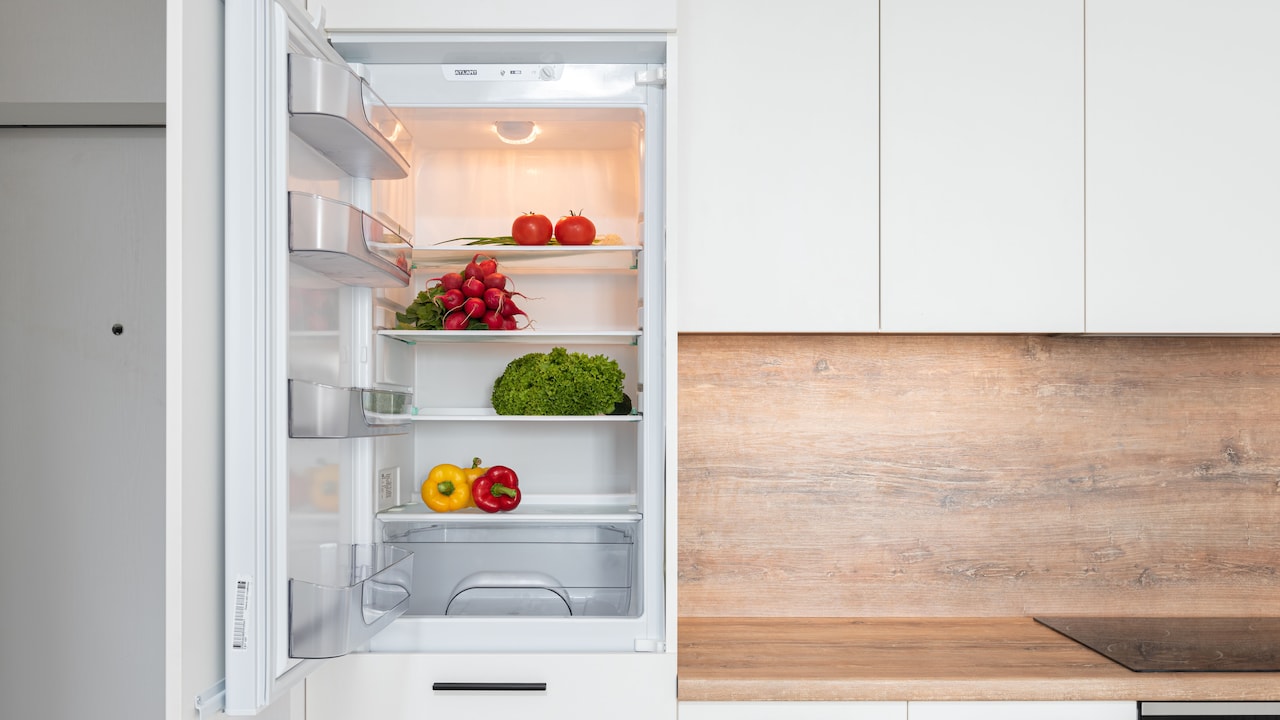
Opening the fridge to find yesterday's fresh coriander looking as though it has survived a monsoon is never a pleasant surprise. Tomatoes feel unusually soft, spinach has turned slippery around the edges, and the cucumber bought only a few days ago suddenly looks ready for retirement. The crisper drawer often gets blamed, but the drawer itself is rarely the villain. Its job is to manage humidity so fruit and vegetables lose moisture slowly. Trouble begins when too much water collects inside and has nowhere to go. Fresh produce naturally releases moisture. Add condensation, tightly packed vegetables, dripping grocery bags and poor air circulation, and the drawer can quickly become a damp little greenhouse. The good news is that most causes are surprisingly easy to fix. A few changes in storage habits can help vegetables stay crisp, fruit remain firm and grocery money stretch a little further. Here are 10 common reasons crisper drawers become too damp, along with practical ways to stop produce from turning soggy.
Why Fridge Crisper Drawers Get Too Damp And How To Keep Produce Fresh; Photo Credit: Pexels
Why Your Fridge Crisper Drawer Gets Too Damp
1. Wet Produce Goes Straight Into The Drawer
A quick rinse before storing vegetables may feel efficient, especially after returning from the market with dusty spinach, coriander or spring onions. Unfortunately, storing produce while it is still wet gives excess moisture an immediate head start.
Water trapped between leaves, stems and vegetable surfaces slowly evaporates inside the enclosed drawer. Since there is limited airflow, that moisture can settle as condensation. Leafy vegetables suffer particularly badly because their tightly packed surfaces hold droplets for hours. Soon, those fresh greens can become limp, slimy or unpleasantly musty.
Unless something needs washing immediately, storing produce dry usually works better. Wash vegetables shortly before cooking instead. When washing before refrigeration is unavoidable, drain them thoroughly and allow surface moisture to dry first.
A clean kitchen towel can help remove stubborn droplets from herbs and leaves. Even a few minutes of extra drying can make a noticeable difference. The crisper needs humidity, but it does not need puddles. Think pleasantly humid rather than tropical-rainforest wet.
Also Read: Save Big On Power Bills: Top 10 Energy Efficient 5 Star Fridges To Buy Now
2. The Crisper Drawer Is Packed Too Tightly
A fully stocked fridge may look reassuring after the weekly grocery run, but cramming every vegetable into one drawer creates its own problems. Produce needs a little breathing room.
When the drawer is packed tightly, cold air cannot circulate properly around vegetables and fruit. Moisture released through natural respiration becomes trapped between bags, leaves and containers. Warm produce added after shopping can also release additional moisture as it cools, making condensation even worse.
Overcrowding creates another headache. One bruised tomato or leaking vegetable can remain hidden underneath everything else, spreading moisture and accelerating spoilage nearby.
Try keeping the drawer roughly three-quarters full rather than squeezing in every last bhindi, carrot and capsicum. Larger vegetables can sometimes sit safely on another fridge shelf if storage guidance allows. Arrange produce loosely enough that air can move between items.
A little empty space might seem wasteful, but it often saves more food in the long run. A crisper drawer should resemble organised storage, not the luggage compartment of an overcrowded holiday bus.
3. The Humidity Setting Is Wrong
Many fridge crisper drawers come with a small slider marked high and low humidity, yet it often remains untouched from the day the fridge arrives. That tiny control can have a surprisingly large effect on fresh produce.
High humidity reduces airflow from the drawer, helping vegetables that wilt easily retain moisture. Leafy greens, broccoli and carrots generally benefit from this environment. Low humidity allows more moisture and ethylene gas to escape, making it better suited to many fruits.
Problems start when high humidity becomes the default setting for everything. Moisture-producing fruit can make the enclosed space increasingly damp, while vegetables sitting nearby become vulnerable to condensation and spoilage.
Check the fridge manual if the slider symbols seem mysterious. Settings can vary slightly between models. Where separate drawers are available, keep wilt-prone vegetables in the higher-humidity compartment and suitable fruit in the lower-humidity one.
That small plastic slider is easy to ignore, but it is not decorative. Using it properly can mean the difference between crisp lettuce and a rather depressing bag of green mush.
4. Fruit And Vegetables Are Stored Together
Fruit and vegetables may look perfectly sociable sitting side by side, but some combinations do not make good fridge neighbours. The trouble comes partly from ethylene, a natural plant hormone released by many ripening fruits.
Apples, pears and several other fruits produce ethylene as they mature. Some vegetables are particularly sensitive to it and may yellow, soften or deteriorate more quickly when stored nearby. Meanwhile, ripe fruit can also contribute moisture to an already humid drawer.
Separating produce helps control both humidity and ripening. If the fridge has two crisper drawers, use one for vegetables and the other for appropriate fruits. If only one drawer is available, keep strong ethylene producers elsewhere in the fridge when suitable and use breathable containers or bags to create some separation.
Do not assume every fruit belongs in the crisper either. Storage needs vary, and some produce performs better outside the refrigerator until ripe.
The principle is simple: vegetables and fruit might happily share a thali, but they do not always enjoy sharing cramped fridge accommodation for several days.

Why Fridge Crisper Drawers Get Too Damp And How To Keep Produce Fresh; Photo Credit: Pexels
5. Plastic Bags Trap Too Much Moisture
The thin plastic bags used for vegetables are convenient for getting groceries home, but they are not always ideal for long-term refrigerator storage. A tightly tied bag can trap almost every bit of moisture released by the produce inside it.
Before long, tiny droplets appear on the plastic. Those droplets eventually run back onto the vegetables, creating damp surfaces where deterioration can accelerate. Leafy greens and herbs can be especially vulnerable.
Instead of leaving bags tightly knotted, loosen them to improve ventilation. Perforated produce bags can work well because they allow some air exchange without letting vegetables dry out too quickly. Reusable breathable produce bags are another option.
For coriander, spinach and similar greens, wrapping dry leaves loosely in kitchen paper before placing them in a suitable container can help absorb excess moisture. Replace the paper if it becomes noticeably wet.
There is no need to wage war on plastic bags. The goal is simply to prevent them from behaving like miniature steam rooms. A little airflow makes a significant difference.
6. Condensation Forms After The Fridge Door Opens Often
On a busy morning, the fridge door may open for milk, close, open again for chutney, close, then reopen because somebody forgot the fruit. Each opening allows warm, humid room air to enter.
When that warm air meets the refrigerator's cold interior, some of its moisture can condense. The effect becomes more noticeable during humid weather, particularly through the monsoon months. Water may collect on shelves, containers and eventually around the crisper drawer.
Frequent opening also makes the refrigerator work harder to restore its temperature. While occasional door opening causes no disaster, repeatedly leaving it open while deciding what to cook can contribute to unwanted moisture.
Know what is needed before opening the door and avoid leaving it ajar unnecessarily. Check that bottles, packets or overloaded shelves are not preventing the door from closing fully.
Also inspect the rubber door seal. If it is dirty, damaged or loose, humid air may keep entering even when the fridge appears closed. Sometimes the soggy-cucumber mystery begins several shelves away from the cucumber itself.
7. The Fridge Temperature Is Not Quite Right
A fridge that runs too warm can shorten the life of fresh food, while one that becomes excessively cold may damage delicate produce. Temperature fluctuations can also increase condensation inside the appliance.
For everyday food storage, refrigerators are generally kept at about 4°C or below, although the exact ideal setting depends on the appliance and the location of different shelves. Relying only on the number printed on a temperature dial can be misleading because some dials indicate cooling levels rather than actual degrees.
A refrigerator thermometer offers a simple way to check what is really happening inside. Avoid placing large quantities of hot food directly into the fridge too, as the sudden temperature change adds heat and moisture.
Produce pushed against very cold rear surfaces may also partially freeze. Once thawed, vegetables such as cucumber or leafy greens can become watery and soft.
Keep the crisper properly positioned and avoid forcing vegetables against freezing-cold surfaces. Stable refrigeration matters more than turning the temperature down aggressively. Freshness likes consistency, not an Arctic blast followed by a warm spell.

Why Fridge Crisper Drawers Get Too Damp And How To Keep Produce Fresh; Photo Credit: Pexels
8. Spoiling Produce Is Adding Extra Moisture
One forgotten vegetable can create trouble for everything around it. A bruised tomato, decaying cucumber or handful of ageing spinach releases moisture as its tissues break down. In an enclosed drawer, that extra liquid does not simply disappear.
Spoilage can also spread faster when neighbouring produce remains in direct contact with wet, damaged food. What begins as one soft patch can soon become an unpleasant clean-up job involving half the drawer.
Give the crisper a quick inspection every couple of days. Remove anything showing significant mould, leaking liquid or obvious decay. Use slightly tired but still safe vegetables promptly in dishes such as sabzi, soup, dal or stir-fries rather than waiting for them to become unusable.
Rotate older vegetables towards the front after every grocery shop. New purchases can go behind them.
This habit takes less than a minute but prevents forgotten produce from disappearing into the drawer's mysterious back corner. That lonely capsicum from last week deserves either dinner or a dignified exit, not another fortnight of silent decomposition.
9. The Drawer And Drainage Areas Need Cleaning
Even when the produce itself is stored correctly, moisture can linger if the crisper drawer has not been cleaned for a while. Small spills, vegetable fragments and trapped water can collect underneath containers or along drawer edges.
Some refrigerators also have drainage channels that carry condensation away from the cooling area. If those channels become blocked, water may accumulate inside the fridge and eventually find its way towards lower compartments.
Remove the crisper periodically and wash it with mild dishwashing liquid and warm water. Dry it completely before replacing it. Check the space underneath as well; hidden moisture there often escapes attention.
If water repeatedly appears despite sensible storage habits, consult the appliance manual for instructions on checking the refrigerator's drainage system. Avoid poking random objects into openings, as designs differ between models.
A clean drawer does more than look tidy. It removes lingering moisture, food residue and unpleasant smells. Few things are less appetising than discovering a suspicious puddle beneath a perfectly innocent bunch of carrots.
10. There Is Nothing To Absorb Small Amounts Of Excess Moisture
Even with careful storage, fresh vegetables continue releasing some moisture. That is normal. The problem arises when small amounts accumulate faster than they can escape.
A simple absorbent layer can help with produce that tends to create damp conditions. Clean kitchen paper placed beneath leafy vegetables or inside suitable storage containers can soak up droplets before they settle on the food. The paper should stay slightly dry rather than becoming saturated, so replace it whenever it feels wet.
Do not stuff large amounts of absorbent material into the drawer or allow paper to block ventilation openings. The aim is moisture management, not wrapping every tomato as though it is being prepared for courier delivery.
Drawer liners designed for refrigerator use can also help keep produce raised slightly above minor condensation, provided they remain clean and allow airflow.
Most importantly, treat absorbent paper as a supporting measure rather than a cure. If water continuously pools inside the drawer, investigate temperature, seals, drainage and storage habits. A paper towel can handle a few droplets; it cannot rescue a miniature indoor monsoon.
Products Related To This Article
1. Samsung 236 L, 3 Star, Convertible
2. Whirlpool 235 L 3 Star Frost-free inverter Double Door Refrigerator
3. Bosch 302L, 3 Star, MaxFlex Convert Frost Free Triple Door Refrigerator
4. Whirlpool 235 L 3 Star Frost-free inverter Double Door Refrigerator
5. Haier 240 L 2 Star Frost Free Twin Inverter Double Door Refrigerator
6. Godrej 180L 2 Star with 5 Year Comprhensive Warranty
7. IFB 241L 2 Star 10-in-1 Convertible
A damp crisper drawer usually develops through several small habits rather than one dramatic refrigerator failure. Wet vegetables go in, bags stay tightly tied, the drawer gets overcrowded and the humidity slider remains forgotten. Add frequent door opening or one leaking tomato, and crisp produce can quickly become soft and soggy.
The solution does not require expensive organisers or elaborate food-storage rituals. Dry produce before storing it, leave enough room for airflow, separate fruit and vegetables where practical, choose the right humidity setting and remove ageing groceries before they deteriorate. Regular cleaning helps too.
Most of these changes take only a few minutes, yet they can save vegetables that might otherwise end up in the bin. That matters when a weekly basket of fresh greens, herbs, carrots, beans and capsicum can easily add several hundred ₹ to the grocery bill. A well-managed crisper drawer will never make vegetables immortal. It can, however, give them a fair chance of reaching the kadai while they are still crisp, colourful and worth eating.
(Disclaimer: This article may include references to or features of products and services made available through affiliate marketing campaigns. NDTV Convergence Limited (“NDTV”) strives to maintain editorial independence while participating in such campaigns. NDTV does not assume responsibility for the performance or claims of any featured products or services.)