Why Waffles Burn on One Side: Heat Distribution Explained
One side of your waffle burns because heat, pressure, steam, and batter thickness don’t spread evenly inside the waffle maker. Here’s the simple science behind it.
Why Waffles Burn on One Side: Check Out The Causes, Heat Science, And Easy Fixes Too.
Waffles feel like a simple joy. Mix batter, pour it in, close the lid, wait for the beep, and pretend life is sorted. Then reality hits: one side comes out golden and crisp, while the other looks like it spent five minutes too long under a tandoor.
It's oddly annoying because it feels unfair. Both sides touched hthe ot plates. Both sides had the same batter. So why does one side brown beautifully while the other side turns into a slightly bitter, crunchy warning sign?
The answer sits in the science of heat distribution. And the best part is this: it's not complicated in a scary way. It's the kind of science that makes daily life make more sense, like learning why pressure cookers whistle or why chai tastes better after it rests.
Let's break it down in a way that feels less like a physics class and more like a friendly kitchen chat.
Why Waffles Burn on One Side: Heat Distribution Explained
Photo Credit: Pexels
What's Really Happening Inside Your Waffle Maker
Uneven Plate Heating: Not All Heat Is Equal
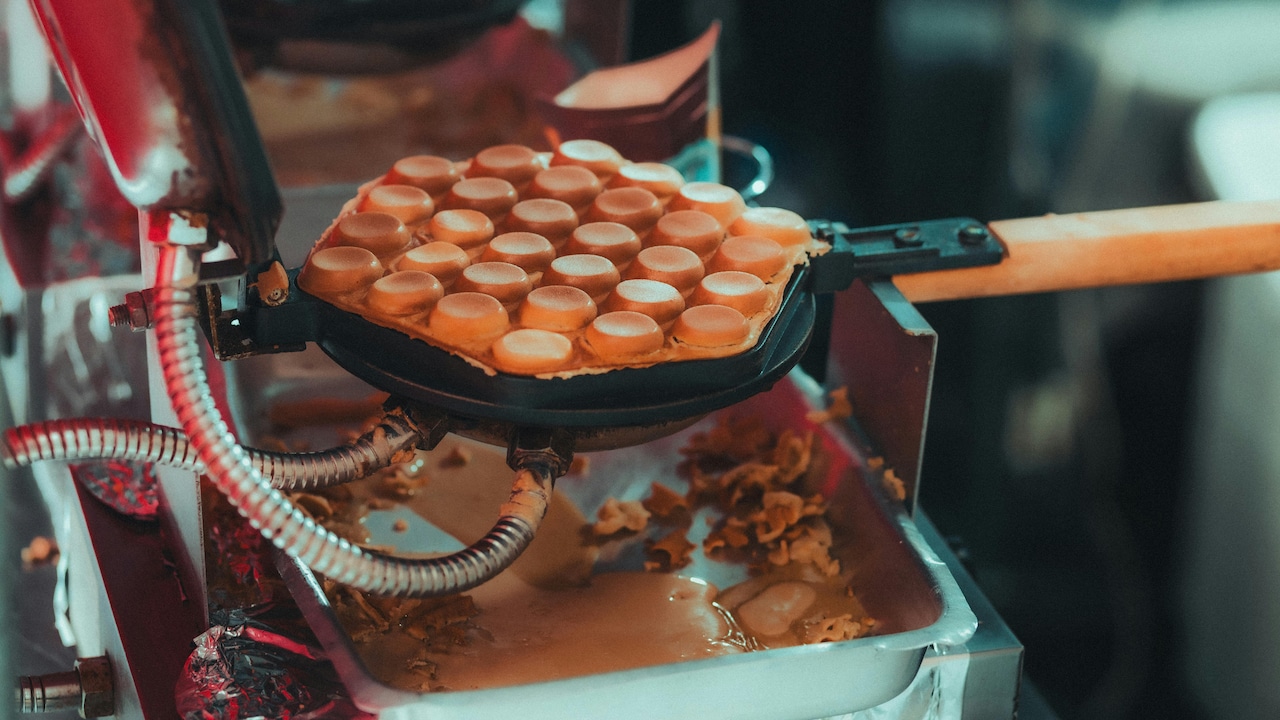
Most waffle makers look symmetrical, but inside, they behave like two different appliances stacked together. The heating element beneath the plates does not always warm both sides at the same rate. In many models, the bottom plate gets heat faster and holds it longer because it sits closer to the heating coil and the base structure.
The top plate often loses heat more quickly. It hangs in the air, exposed to cooler surroundings, and depends on the hinge and internal wiring for heat flow. This means the bottom can stay aggressively hot while the top plays catch-up.
That difference becomes visible in the final waffle. The hotter side browns faster, and once browning starts, it accelerates. Browning is not a gentle process. It's a cascade of reactions that speed up with higher temperatures.
So even if the waffle maker says it's “ready,” one side might be operating like a hot tawa on high flame, while the other side behaves like a tawa on medium. Your waffle becomes the victim of that tiny imbalance.
Gravity's Role: Batter Settles, Thickness Changes
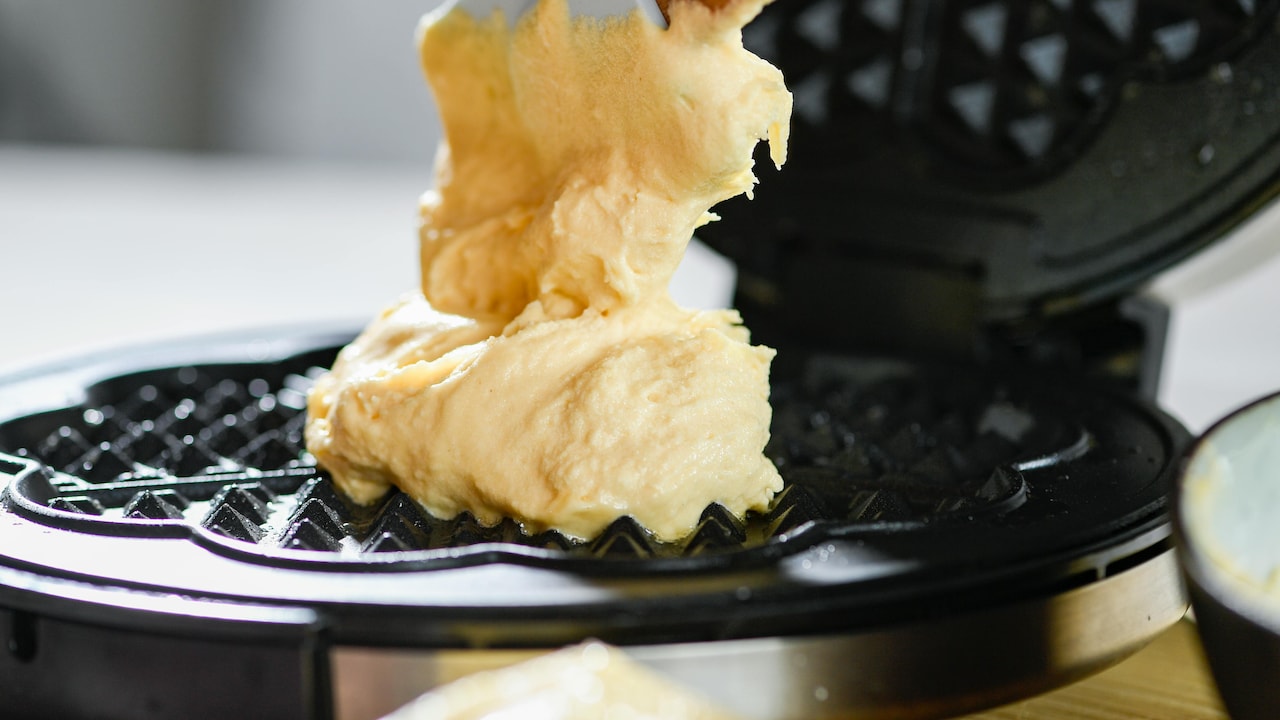
Gravity has no mercy, not even on breakfast. When you pour batter and close the lid, the batter does spread out. But it doesn't spread perfectly evenly. A slight tilt in the waffle maker, a slightly uneven countertop, or even the way the lid presses down can cause the batter to settle more on one side.
Thicker batter areas cook differently. A thicker section takes longer to heat through, so it spends more time in contact with the hot plate before the inside finishes setting. That longer contact time can push the surface past golden brown into burnt.
Meanwhile, a thinner section heats faster and releases steam earlier, which can reduce scorching. So you end up with one side that looks like a café waffle and another that looks like it tried to audition for a charcoal commercial.
This is why waffles can burn more on one side even if the plates are equally hot. Heat meets batter, but batter thickness decides how long heat gets to bully the surface.
Moisture And Steam: The Invisible Temperature Controller
Steam is the unsung hero of waffle cooking. At the start, your batter contains plenty of water. As it heats, that water turns into steam and escapes. While steam is present, it keeps the surface temperature in check. The batter surface cannot shoot past 100°C quickly because the water keeps absorbing heat to evaporate.
But once moisture drops on one side faster than the other, the temperature on that drier side climbs rapidly. That's when browning speeds up, and burning becomes a real possibility.
One side can dry out sooner due to slightly higher plate heat, better contact, or even airflow around the appliance. The moment the surface dries, it becomes vulnerable.
This is why waffles can look fine for most of the cooking time and then suddenly burn. It's not a slow, predictable slide into darkness. It's more like a plot twist in the last five minutes of a film.
Pressure Differences: The Lid Doesn't Press Evenly
In an ideal world, the waffle maker lid presses evenly across the batter. In real kitchens, hinges loosen, springs wear down, and lids develop tiny gaps. Sometimes the lid presses more firmly on one side.
Pressure changes how well the batter touches the plate. Better contact means faster heat transfer. It also means the batter surface dries out faster, because it gets more direct heat.
So the side receiving more pressure can brown faster. And once again, faster browning means a higher risk of burning.
You might even notice it in the pattern. The burnt area often lines up with where the lid presses hardest, or where the hinge angle forces the top plate to sit slightly uneven.
This also explains why older waffle makers can behave worse than new ones. They don't just “heat less.” They heat unevenly, and that unevenness is a recipe for one-sided disappointment.
The Maillard Reaction: Browning Isn't Just “Cooking”
That beautiful golden waffle colour does not come from simple cooking. It comes from the Maillard reaction, a chemical reaction between proteins and sugars. It's responsible for the flavour of toasted bread, roasted coffee, and that irresistible crust on a well-made dosa.
The Maillard reaction speeds up sharply at higher temperatures. This means small heat differences create big browning differences.
If one plate is even slightly hotter, the reaction accelerates on that side. Add a little more dryness, and the surface temperature climbs further. Suddenly, the browning reaction becomes a sprint instead of a stroll.
And because the Maillard reaction creates flavour compounds, the burnt side often smells stronger. It tricks you for a second. The kitchen smells like caramel and toast… until you taste it and realise it crossed into bitterness.
This isn't your fault. It's chemistry being dramatic.
Sugar Content: Sweet Batters Burn Faster
A waffle batter with more sugar browns quickly. That includes not only added sugar, but also sweet ingredients like banana, jaggery, honey, and even certain flavoured yoghurts. Sugar caramelises and burns faster than starches and proteins.
So if you use a batter with a higher sugar load, one side can burn before the other side even reaches the ideal colour. The difference becomes more noticeable when your waffle maker heats unevenly.
This is why the same waffle maker can behave perfectly with a plain batter, then suddenly start burning waffles when you try a “special” version.
Even a small tweak, like adding an extra spoon of sugar or using a sweeter milk, can shift the browning window. It's like making chai: one extra minute can take it from perfect to bitter.
If one side already runs hotter, sugar gives it a head start straight into the danger zone.
Oil And Butter: Grease Changes Heat Transfer
Grease is not just about preventing sticking. It changes how heat moves from the plate into the batter.
A thin, even layer of oil can help distribute heat more smoothly. But if oil pools on one side, that side can cook differently. Oil conducts heat well, and pooled oil can create hot spots. It can also fry the surface slightly, making it brown faster.
Butter complicates things further. Butter contains milk solids, which brown and burn quickly. If butter collects more on one side of the plate, that side can end up with darker, burnt patches even when the waffle itself is not overcooked.
This is why some waffles burn in weird streaks or spots. It's not always the batter. Sometimes it's the oil behaving like a tiny frying pan.
A small detail, but in cooking, small details are basically the entire story.
Thermostat Placement: The Sensor Might Be “Lying”
Most waffle makers use a thermostat or sensor to regulate temperature. But here's the trick: the sensor usually sits in one place, not everywhere. It measures temperature at a specific point and assumes the whole plate matches it.
If the sensor sits closer to the top plate, it may signal “hot enough” while the bottom is actually hotter. Or the reverse can happen. The machine might cut the heat based on one zone while another zone continues running hotter.
This creates uneven cooking that feels random. You follow the same timing, but the result changes.
It's like relying on a single weather app for an entire city. One area might be raining while another is sweating. Your waffle maker is doing the same thing with heat.
This is also why some models cost more. Better machines distribute heat more evenly and place sensors more thoughtfully. But even then, perfection is rare.
Overfilling And Overflow: The Edge Burns First
Pouring too much batter feels harmless. After all, extra waffle sounds like a good problem. But overfilling changes the cooking environment.
When batter overflows, it spreads thinly near the edges. Thin batter cooks faster and dries faster. Dry edges burn easily. Meanwhile, the thicker centre stays moist and cooks more slowly.
An overfilled batter also blocks steam escape. Steam trapped inside the maker can cause uneven moisture loss. One side might vent steam better due to hinge gaps or tiny plate misalignments. The side that vents more dries faster and browns harder.
This is why the burnt side often appears around the edges, especially near the front, where batter tends to ooze.
It's not just messy. It's a direct path to uneven browning. The waffle maker is not punishing you. It's simply reacting to physics.
Why Waffles Burn on One Side: Heat Distribution Explained
Photo Credit: Pexels
Timing And Residual Heat: The Second Waffle Always Acts Different
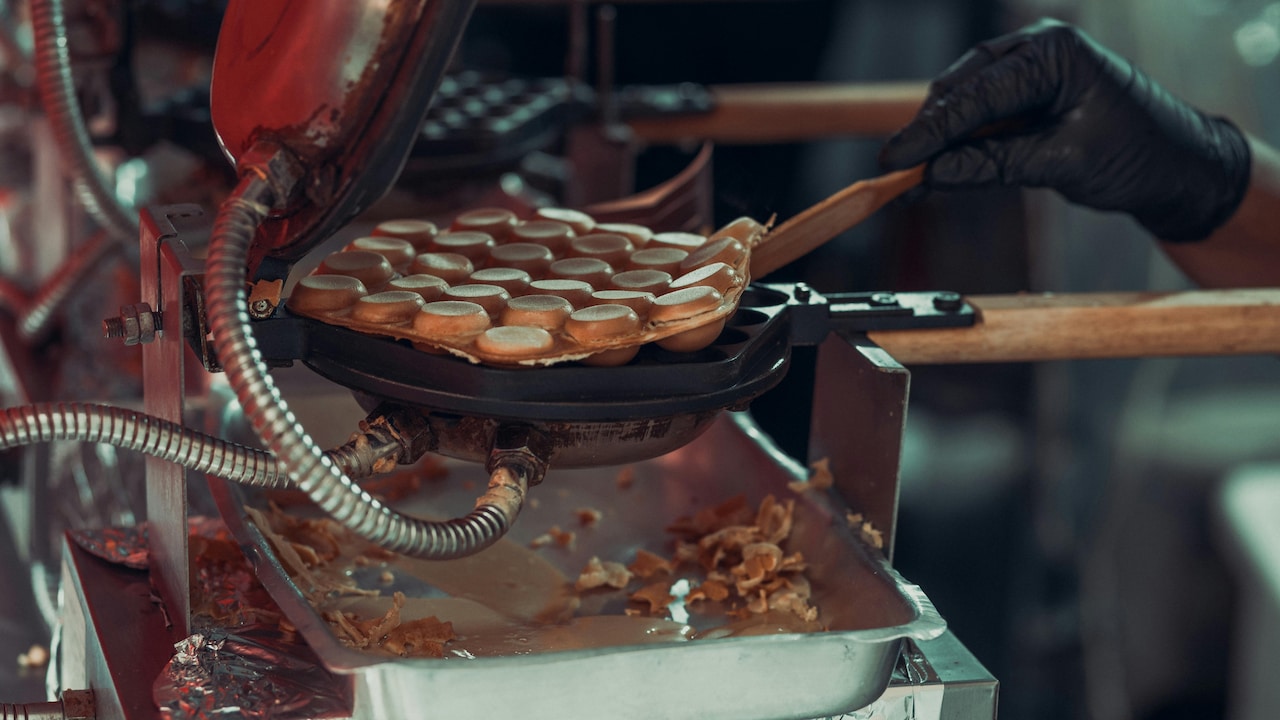
The first waffle in a session behaves differently from the second and third. This is because the waffle maker continues heating even after the thermostat cycles. The plates also store heat. After one waffle, the plates hold more residual heat, especially the bottom plate.
So when you pour batter for the next waffle, one side may start at a higher temperature than expected. The batter hits the plate and begins browning sooner. If you use the same cooking time, you can easily overshoot.
This effect can be stronger on one side if the bottom plate stores heat better. That creates the classic situation: the first waffle looks fine, and the next one burns on one side even though you did everything “the same.”
Cooking tools have memory. They carry heat forward like gossip in a housing society. If you don't adjust, they will embarrass you in front of your breakfast.
Products Related To This Article
1. Borosil 1000W Neo Waffle Maker
2. The Better Home FUMATO Waffle Maker Machine 3 in 1 with Toast, Grill & Waffle Plates- 850W
3. Holstein Mini Waffle Maker Machine 3 In 1 Waffle Iron Home Appliances Kitchen Easy To Clean
4. IBELL WAFFLEMATE190 Waffle Maker Electric
5. Russell Hobbs RST750WM 750W Waffle Maker
Waffles burning on one side isn't a mystery, and it isn't bad luck. It's a combination of uneven heat, batter thickness, moisture loss, pressure, sugar, grease, sensor quirks, and the way heat builds up over repeated batches.
The good news is that once you understand the causes, the problem feels less personal. Your waffle maker isn't out to ruin your morning. It's simply doing what machines do: behaving imperfectly in a world full of small variables.
And honestly, there's something comforting about that. Even waffles have uneven days.
The next time one side looks too dark, you'll know why. Heat distribution is the real story behind the drama. And with a little attention to batter, timing, and how your waffle maker heats, you can get closer to that ideal waffle: crisp, evenly browned, and worthy of being eaten without a side of disappointment.
(Disclaimer: This article may include references to or features of products and services made available through affiliate marketing campaigns. NDTV Convergence Limited (“NDTV”) strives to maintain editorial independence while participating in such campaigns. NDTV does not assume responsibility for the performance or claims of any featured products or services.)