Why Trimmers Pull Hair: Blade Quality Matters More Than Brand
Trimmers do not pull hair because of the brand. They pull because of poor blade sharpness, alignment and steel quality. This is what really causes tugging and how to avoid it.
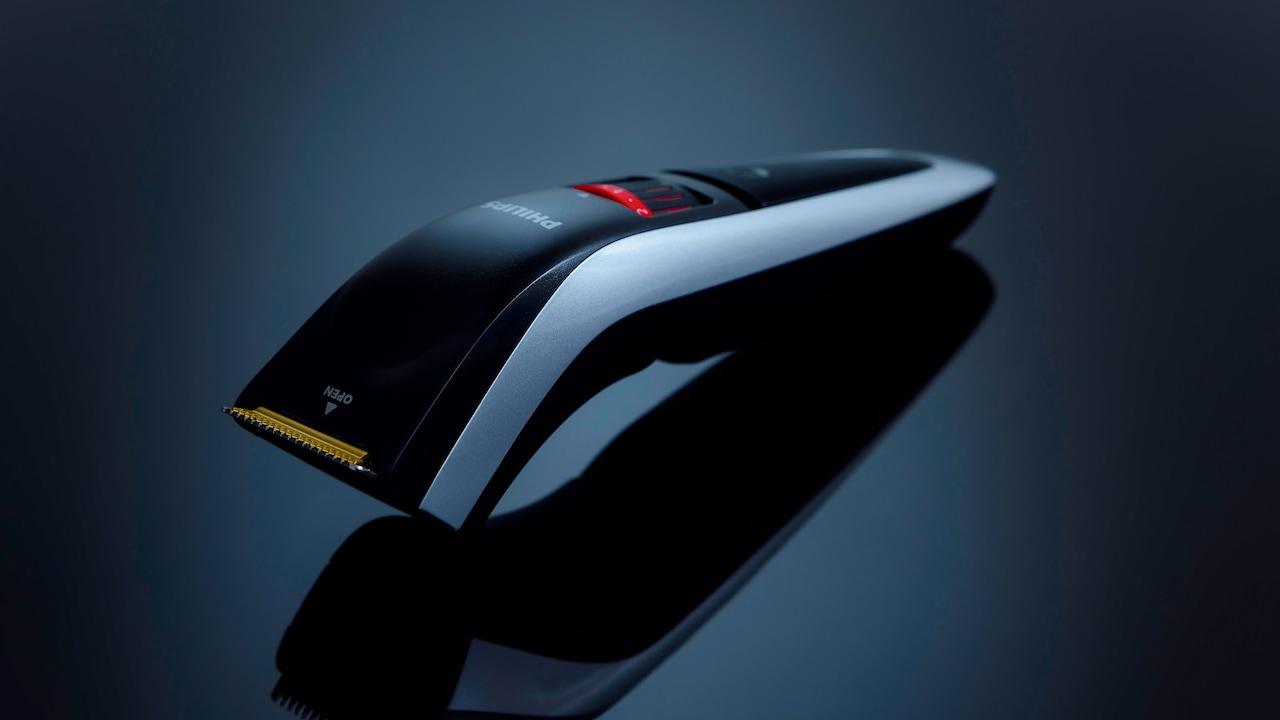
Try these fixes to prevent your trimmer from pulling hair while grooming.
A trimmer is supposed to make life easier. Ten minutes, a quick clean-up, and you're done. But when the trimmer starts pulling hair, the whole experience changes. Suddenly, that neat beard line feels like a punishment, and trimming under the jaw becomes an extreme sport.
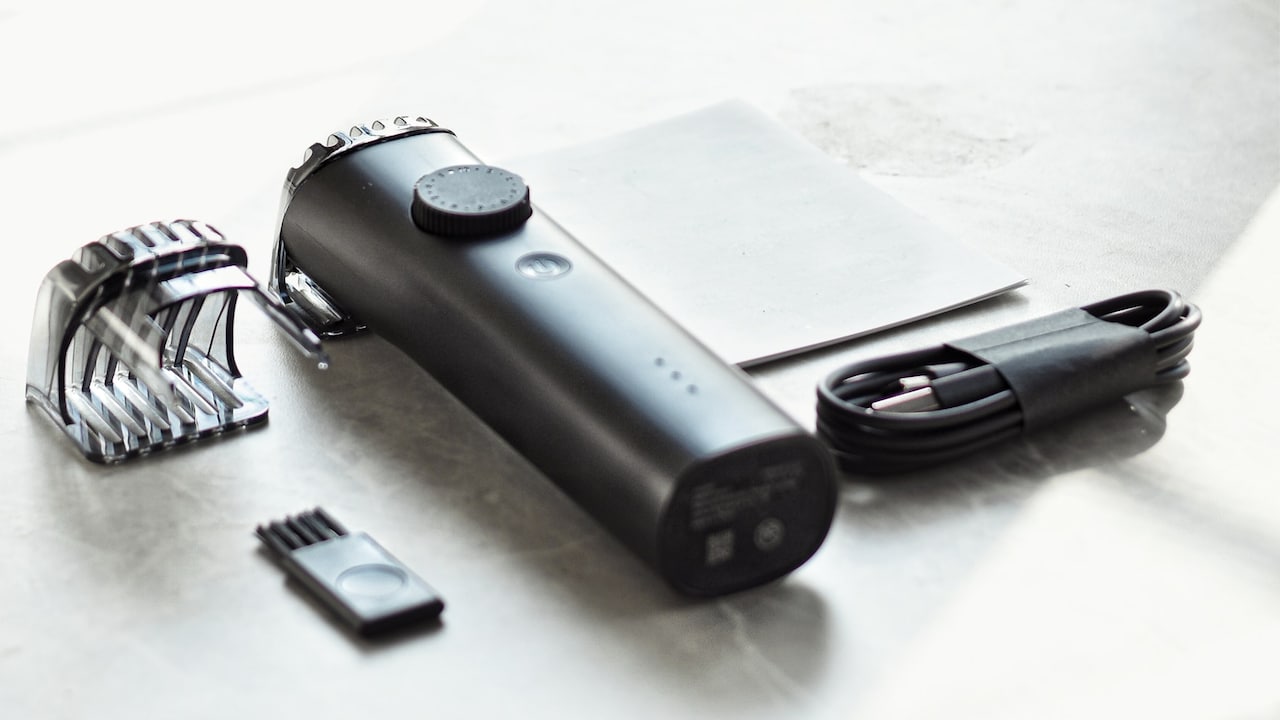
Stop your trimmer from pulling beard hair using these simple fixes; Photo Credit: Unsplash
The funny part is that many people assume a “big” brand automatically means comfort. Or they assume a high price means better performance. Sometimes that's true. Often, it's not. Plenty of trimmers look premium, feel solid, and still tug at hair like they have a personal grudge.
Hair pulling usually comes down to one thing: the blades are not cutting cleanly. They are grabbing, bending, and yanking hair before slicing it. That is why blade quality matters more than the logo on the box. When the blades are right, even a mid-range trimmer feels smooth. When they are wrong, even an expensive one can feel irritating.
Also Read: Blades, Battery, Budget: The Definitive 2025 Beard Trimmer List Under ₹6,000
The Hidden Mechanics Behind A Painful Trim
1. Hair Pulling Is A Cutting Problem, Not A Power Problem
Most people think pulling happens because the motor is weak. It sounds logical. If the trimmer struggles, it must be underpowered. But in many cases, the motor is doing its job. The blade simply isn't doing its part.
A trimmer cuts hair when two blades slide past each other with clean contact. If the edge is dull, the hair doesn't slice. It bends. Then the trimmer keeps moving and the hair gets tugged out of position before it finally snaps. That tug is what you feel as pulling.
This is why some trimmers feel painful on slow strokes but seem “fine” when you rush through quickly. The faster movement forces the hair to break, but it still isn't cutting cleanly. That's also why the same trimmer may feel okay on cheeks but awful under the chin, where hair is denser and grows in different directions.
A powerful motor helps, yes. But it can't compensate for a poor blade edge. A strong engine with blunt scissors still gives you a bad haircut.
2. Blade Sharpness Is Not A Luxury, It's The Whole Game
Blade sharpness sounds like an obvious point, but it's more complicated than “sharp or not.” A blade can be sharp on day one and still feel rough. Or it can stay smooth for months. The difference comes from how the blade edge is made.
Cheap blades often have uneven grinding. They may look shiny, but the cutting edge has tiny imperfections. These microscopic rough spots catch hair instead of slicing it. That catch is the start of the pull.
A better blade has a consistent edge angle and smoother finishing. It glides through hair instead of fighting it. The trim feels quiet, almost buttery, with less irritation.
This also explains why some people say, “My old trimmer was better than my new one.” The older model might have used a higher-grade blade, even if the rest of the device was basic. Meanwhile, newer models sometimes focus more on features like battery display and fancy packaging, while quietly cutting costs on the blade.
In grooming, the blade is not an accessory. It's the main character.
3. Steel Quality Decides How Long The Comfort Lasts
A trimmer can feel great in the first week and then slowly become annoying. That's when people start blaming their hair, their skin, or the weather. But the real issue is usually steel quality.
Low-grade stainless steel dulls faster. The edge rolls over with use, especially if the hair is thick or coarse. And once the blade loses its crispness, pulling starts.
Higher-quality steel holds its edge longer. It stays sharp through weeks of trimming and doesn't degrade as quickly. Some blades also resist corrosion better, which matters more than people think. Bathrooms are humid. Trimmers sit near sinks. Even tiny moisture exposure can affect blade performance over time.
This is where the “brand” illusion comes in. Two trimmers can look similar and cost similarly, but one uses better steel. That one will stay smooth longer.
A good trimmer should not feel like it has an expiry date after a month. If it does, the blade material is probably cutting corners.
4. Blade Alignment Is The Hidden Reason Some Trimmers Feel Brutal
Even a sharp blade can pull hair if the alignment is off. And alignment issues are surprisingly common.
Trimmer blades work like a moving sandwich. The top blade slides over the bottom blade. If they are not properly aligned, one side may cut while the other side grabs. You'll notice this when the trimmer feels fine on one cheek but pulls when you switch direction.
Misalignment can happen due to manufacturing tolerances, minor drops, or even regular wear. Some trimmers also have plastic mounts that loosen over time. The blades then shift slightly, and that tiny shift is enough to create tugging.
This is why some people experience pulling mainly at the edges of the blade, especially near the corners. The corner catches hair because the blade teeth are not meeting cleanly.
A well-built trimmer has stable blade mounting and tight tolerances. It feels consistent across the full width of the blade, not just in the centre.
5. Tooth Design Matters More Than Most People Realise
Not all trimmer blades have the same tooth shape. Some have wide tooth spacing, some have narrow, and some have a mix. Tooth design affects how hair enters the blade and how cleanly it gets cut.
If the teeth are too wide, shorter hairs may slip through and get caught awkwardly. If the teeth are too narrow, thick hair can get jammed. Both scenarios can cause pulling.
Tooth design also affects skin comfort. Some blades have rounded tips that glide. Others have sharper tooth edges that feel scratchy. That scratchiness can make the trimming experience feel rough, even if it's technically cutting hair.
This is especially noticeable on the neck area, where skin is thinner, and hair grows in messy patterns. A blade with poor tooth design feels like it is scraping rather than trimming.
A good trimmer doesn't just cut hair. It guides hair into the cutting zone smoothly. That guiding effect is tooth design, and it's one of the most underrated parts of blade quality.
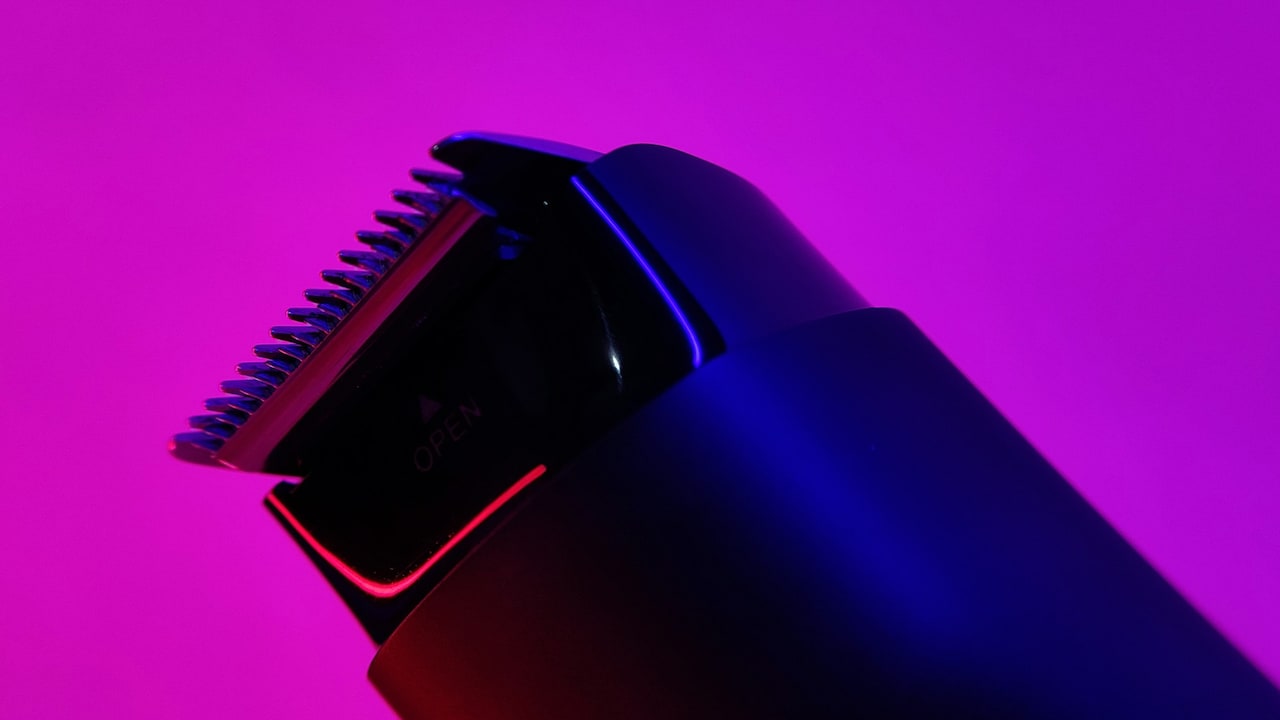
Look for trimmers with teeth that are not too wide or narrow for a comfortable experience; Photo Credit: Unsplash
6. Coatings Can Make A Trimmer Feel Smoother Without Being Sharper
Coatings are not just marketing. They can genuinely reduce friction, which reduces pulling.
Some blades use titanium coating, ceramic coating, or special anti-friction finishes. These coatings help the blade glide over hair and skin. They also reduce heat build-up, which matters in longer grooming sessions.
When blades heat up, hair and skin friction increase. That can lead to a rougher feel and more tugging. A coated blade stays cooler and smoother.
However, coatings are not magic. A coated dull blade still pulls. A coating can improve comfort, but it cannot replace sharpness and good steel.
The real value of coatings is consistency. A good coated blade stays smooth for longer, especially if you trim frequently. It's like having a non-stick pan. It doesn't make the food cook itself, but it makes the experience less frustrating.
If a trimmer claims “premium coating” but still tugs, the problem is probably underneath: poor grinding or weak steel.
7. Poor Maintenance Turns A Good Blade Into A Hair-Pulling Monster
A trimmer can start pulling even if it originally had decent blades. The reason is often maintenance, or more accurately, the lack of it.
Hair clippings build up between the teeth. Dust mixes with oil. The blade movement becomes less smooth. The trimmer starts to drag instead of gliding. Drag creates pulling.
Many people rinse the blade, shake it off, and call it a day. But water alone doesn't remove the fine hair powder that gets trapped inside. Over time, that trapped residue acts like sand in a machine.
Oil also matters. A dry blade creates friction. Friction creates heat. Heat creates discomfort. And discomfort makes every tug feel worse.
Maintenance doesn't need to feel like a science project. A quick brush after every use and a few drops of oil once in a while can make a noticeable difference.
If a trimmer pulls, it's worth cleaning and oiling before declaring it a bad purchase. Sometimes the blade is fine. It's just clogged and cranky.
8. Hair Type Changes The Experience, But It Still Comes Back To Blades
Some people have fine hair that cuts easily. Others have thick, wiry hair that fights back. This affects how a trimmer feels, but it doesn't change the root cause.
Thicker hair demands sharper blades. If the blade is mediocre, thick hair exposes the weakness immediately. Fine hair may still get cut, so the trimmer seems “okay.” That's why two people can use the same model and have completely different opinions.
Beard density also matters. A light stubble is easier to cut. A dense beard needs stronger cutting performance. The longer the hair, the more it can bend before it gets cut. Bending leads to pulling.
There's also the direction issue. Hair under the chin often grows sideways, in swirls, or in stubborn patches. A blade that isn't sharp and well-aligned will catch these hairs.
So yes, hair type changes the intensity of the problem. But the solution remains the same: better blade quality. Good blades handle more hair types without turning the trim into a wrestling match.
9. The Brand Trap: Fancy Features Don't Save Bad Blades
A lot of trimmers today sell a lifestyle. Digital battery indicators, travel locks, turbo modes, fast charging, premium stands, and even apps in some cases. It all looks impressive.
But none of those features stop hair pulling.
A trimmer can have the cleanest packaging, the slickest design, and a price tag of ₹3,999, and still tug if the blade is average. Meanwhile, a simpler trimmer at ₹1,499 can feel smoother if the blade is properly made.
Brands often compete on visible features because blades are harder to market. Blade steel grade, grinding precision, and alignment quality are not easy to show in an advertisement. So companies focus on what looks good in photos.
This is why buyers sometimes feel betrayed. They paid for a “premium” product and got a painful trimming experience.
When choosing a trimmer, it helps to ignore the shiny extras and focus on what actually touches your face. The blade is the only part that truly matters. Everything else is decoration.
10. How To Choose A Trimmer That Won't Pull Hair
A trimmer that doesn't pull feels effortless. It glides, cuts evenly, and doesn't make you tense up. Getting that experience is less about chasing the biggest brand and more about spotting blade quality signs.
Look for a clear mention of blade material and blade type. Stainless steel is common, but higher-grade steel or self-sharpening systems tend to perform better. Ceramic blades can also feel smooth, though they need careful handling.
Pay attention to reviews that mention pulling specifically, not just “good product.” Many reviews are vague. The useful ones describe real trimming comfort, especially around the neck and jawline.
Also, think about replaceable blades. Some trimmers allow you to replace the blade head. That's a strong sign the brand expects the blade to be a serious component, not a disposable afterthought.
Finally, avoid forcing a struggling trimmer. If it pulls, stop and check cleaning, oiling, and alignment. A good blade should not require brute force. Trimming should feel like grooming, not like paying a tax.
Products Related To This Article
1. Philips Cordless Beard Trimmer BT3101/15 Lift & Trim Tech with 45mins Runtime
2. Bombay Shaving Company Power Styler Beard Trimmer with 38 Style Settings & Flash Charging
3. BEARDO Men Chrome Beast Multipurpose Trimmer Kit
4. VGR V-937 Professional Hair Trimmer With USB Charging Cable & LED Display
5. Mi Men Xiaomi 2C Beard Trimmer
When a trimmer pulls hair, it's easy to blame the brand, the motor, or bad luck. But the real cause is usually the blade. Blade sharpness, steel quality, alignment, tooth design, and even coatings decide whether your trim feels smooth or painful.
A strong motor helps, but it can't rescue a blade that grabs instead of cutting. Fancy features can look impressive, but they don't protect your face from tugging. Comfort comes from the cutting edge, not the logo.
The next time a trimmer makes you wince, don't assume grooming is supposed to hurt. It isn't. A good blade turns trimming into a simple, clean routine. And honestly, life has enough problems already. A beard line shouldn't be one of them.
(Disclaimer: This article may include references to or features of products and services made available through affiliate marketing campaigns. NDTV Convergence Limited (“NDTV”) strives to maintain editorial independence while participating in such campaigns. NDTV does not assume responsibility for the performance or claims of any featured products or services.)