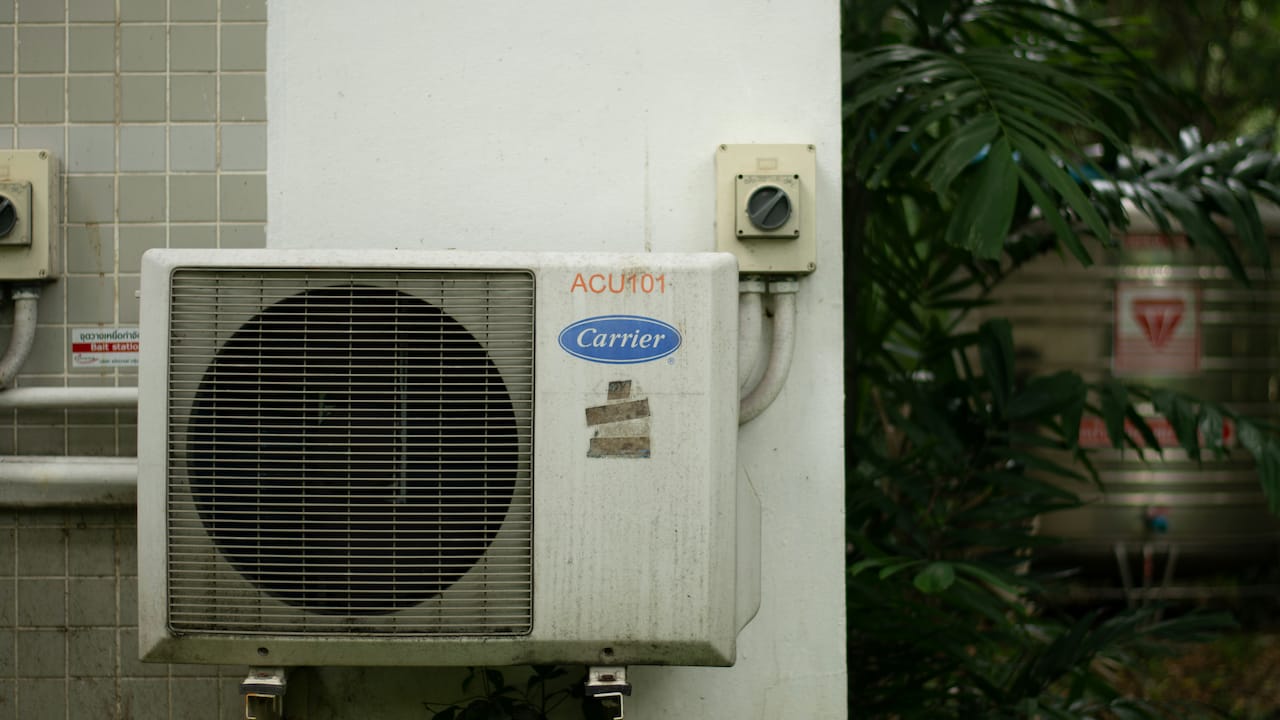
Why AC Can Make You Sick: The Hidden Dry Air Effect
That scratchy throat after sleeping in AC isn’t bad luck. Dry air from air conditioners quietly irritates your body, weakens your defences, and makes you feel sick more often than you realise.
AC Sore Throat And Dry Cough Explained: Here Is How Air Conditioning Dries Out Your Body.
AC has become a daily survival tool. Offices run on it. Cars depend on it. Homes switch it on the moment the heat turns sticky. And yet, the same machine that saves sleep also gets blamed for sneezing fits, sore throats, headaches, and that strange feeling of “coming down with something” after a long day indoors.
Many people assume the issue is temperature. The real trouble often starts with moisture. Air conditioners remove humidity as they cool the air. That sounds great until the air becomes so dry that the body's natural defences start to struggle. The nose, throat, eyes, and skin rely on moisture to trap dust, block germs, and stay comfortable. When that moisture disappears, the body gets irritated and more vulnerable.
The good news is simple: AC does not have to be the villain. With a few adjustments and a little awareness, it can stay a friend instead of turning into a silent troublemaker.

AC Sore Throat And Dry Cough Explained: How Air Conditioning Dries Out Your Body
Photo Credit: Pexels
The Real Reason AC Leaves You Feeling Unwell
Dry Air Dries Out The Nose, And That's A Big Deal
The nose does more than help with breathing. It acts like a security guard at the entrance of the respiratory system. It warms air, filters dust and traps germs using a thin layer of mucus. In a properly humid environment, that mucus stays sticky and effective. In dry AC air, it thickens or dries out. That is when the nose starts feeling blocked, itchy, or oddly “burny”.
Once the nose dries out, sneezing becomes more common. Some people get small nosebleeds, especially in peak summer when the AC runs for hours. Others develop a constant drip at the back of the throat, which feels like a stubborn cold. It is not always an infection. Often, it is irritation.
This is why a person can feel perfectly fine outdoors, then start sniffling the moment they step into an air-conditioned office. The body is not being dramatic. It is reacting to a sudden moisture drop, like skin reacting to harsh soap.
The Throat Takes The Hit First
The throat usually becomes the first complaint. A mild scratch. A rough feeling while swallowing. A voice that sounds slightly hoarse by evening. It can feel like the start of a viral infection, which is why people often panic and reach for lozenges or ginger tea.
Dry air irritates the throat lining. It reduces the moisture that keeps tissues smooth and resilient. When someone breathes through the mouth, which happens more in AC because the nose feels dry or blocked, the throat dries out even faster. Add long phone calls, meetings, or speaking in classrooms, and the irritation builds.
A classic scenario: a late-night AC sleep with the temperature set too low, followed by waking up with a throat that feels like sandpaper. The body then spends the next day trying to recover, which feels like sluggishness. It is not always “catching a cold”. Often, it is dehydration at a tissue level, where water loss shows up as soreness.
Dry Eyes Can Trigger Headaches And That “Office Fatigue” Feeling
Many people blame screens for dry eyes, and screens do play a role. But AC adds a powerful extra layer. Air-conditioned rooms constantly circulate air. That airflow speeds up tear evaporation. Eyes then start feeling gritty, heavy, or watery in a confusing way. Yes, watery eyes can still be dry. The tears become unstable, so the eyes overcompensate.
This often triggers headaches. Not the dramatic migraine type for everyone, but the dull, nagging one that starts behind the eyes and spreads to the forehead. People describe it as “brain fog” or “I cannot focus today”.
In cities, this becomes worse because outdoor pollution already irritates the eyes. AC then dries the surface further. It becomes a one-two punch: irritated outside, dried inside. If someone wears contact lenses, the discomfort can feel twice as intense. Even without lenses, the eyes can start burning by late afternoon, making people rub them, which then increases infection risk.
AC Air Can Make Germs Spread Faster Indoors
It sounds unfair. AC makes people sick, and it also helps germs travel. But there is a practical reason. Closed rooms with recirculated air create perfect conditions for infections to move from one person to another. When someone coughs or sneezes, tiny droplets hang in the air. Poor ventilation keeps them around longer.
Dry air also makes the body's defences weaker. The nose and throat, already dried out, become less effective at trapping viruses. So even a small exposure can feel bigger. This is why a single person with a cold in a packed office can start a domino effect, especially in open-plan spaces where AC runs all day.
There is also the social factor. In summer, people spend more time indoors to escape the heat. More time indoors means more shared air. It becomes less about “AC causing illness” and more about AC creating an environment where illness spreads easily, and the body's natural barrier feels less prepared.
Dust, Mould, And Filters Turn AC Into A Sneaky Allergy Machine
Not all AC sickness comes from dryness. Sometimes, the real villain is what lives inside the machine. Filters trap dust. Over time, they collect pollen, dirt, and microscopic debris. If cleaning gets ignored, that dust gets redistributed into the room. The result feels like allergies: sneezing, runny nose, itchy eyes, and a cough that appears at the same time every day.
In humid regions, mould can develop in AC ducts or on coils. Mould spores then float in the air and irritate the lungs. People with asthma or sinus problems feel it more strongly, but even healthy people can develop chest tightness or persistent throat clearing.
This creates a confusing pattern. A person feels fine on weekends at home, but gets sick every weekday in the office. Or the reverse: home AC causes trouble because it has not been serviced since the last time someone said, “Next month pakka.” The body is not reacting to the cold. It is reacting to what the cold air is carrying.
Sudden Temperature Swings Stress The Body
Dryness is the hidden star of the show, but temperature swings still matter. Many people step out of 42°C heat into a room set at 20°C. The body gets whiplash. Blood vessels constrict. Muscles tense. The respiratory system reacts. For some, this triggers headaches or sinus pressure.
The bigger issue is how it affects immunity. The body works harder to regulate temperature. Sweat evaporates quickly indoors, and dehydration becomes more likely without people noticing. That stress makes the body feel tired and less resilient.
This is why a long day of travelling in AC cars, metro coaches, and offices can leave someone feeling drained even if they never stepped into the sun for more than ten minutes. It is not laziness. It is the body constantly adjusting. And when dryness gets added to that, the fatigue feels sharper.
Dehydration Happens Quietly In AC Rooms
Air-conditioned environments reduce the feeling of heat, which reduces the urge to drink water. People sweat less, so they assume hydration is fine. But the body still loses moisture through breathing and skin. Dry air speeds up that loss.
The result is subtle dehydration. It shows up as dry lips, a scratchy throat, headaches, constipation, and even mood irritability. It can also make muscle cramps more likely. Many people feel strangely hungry when they are actually thirsty, which leads to extra snacking. In an office pantry full of biscuits, that becomes a predictable trap.
The body also needs water to keep mucus thin and effective. When hydration drops, mucus thickens, and congestion increases. That can feel like sinus trouble. Some people then blame “AC cold” again. The reality is often simple: not enough water and too much dry air.
Skin Gets Drier, And That Can Affect Sleep And Comfort
Dry skin seems like a cosmetic problem, but it can turn into a health concern quickly. AC pulls moisture from the air, and skin responds by becoming tight, itchy, or flaky. People with eczema or sensitive skin feel it more, but anyone can notice it during long AC exposure.
The irritation often becomes worse at night. Many people sleep with AC on and wake up with dry hands, cracked lips, or itchy legs. That itchiness disrupts sleep quality, even if it does not fully wake someone up. Over time, that leads to daytime fatigue and irritability.
There is also a sneaky cycle: dry skin makes people scratch, scratching damages the skin barrier, and that makes it easier for irritation and infection to occur. Even scalp dryness increases for some, leading to dandruff flare-ups. It feels ridiculous to blame AC for dandruff, but dryness affects everything. Skin is not separate from health. It is the body's outer defence.
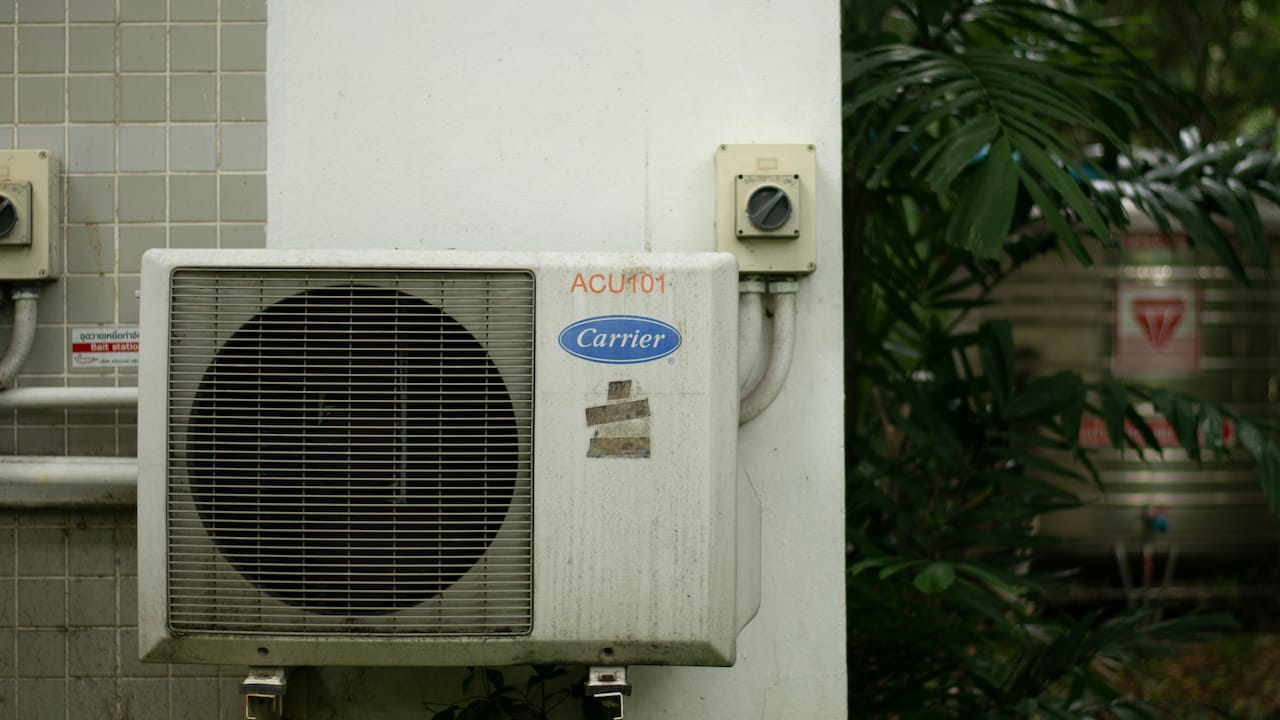
AC Sore Throat And Dry Cough Explained: How Air Conditioning Dries Out Your Body
Photo Credit: Pexels
Sinus Trouble Often Starts With Dryness, Not Infection
Sinus issues have a reputation for being mysterious. Pressure near the cheeks. A heavy head. Post-nasal drip. A cough that worsens at night. Many people assume sinus problems always mean infection. Often, it starts with dryness.
The sinuses rely on a moist lining and tiny hair-like structures to move mucus out. Dry air slows that movement. Mucus thickens and gets stuck. That creates pressure. It also creates a comfortable environment for bacteria to grow if the blockage lasts.
This is why someone can develop sinus pressure after a week of heavy AC use, even without catching a virus. Add dust exposure from unclean filters, and the inflammation increases. The result feels like a sinus “attack”.
People then start self-medicating with random antibiotics, which is a bad idea. Most cases begin as irritation. Better moisture and proper cleaning can prevent the cycle from starting. The body does not always need a pharmacy. Sometimes it just needs humidity.
Small Habits Can Make AC Feel Like A Blessing Again
AC is not going away, and no one should have to suffer through summer without it. The smarter approach is to use it in a way that respects the body.
A comfortable temperature makes a difference. Many people set AC far too low, then wrap themselves in a shawl as if it were December in Shimla. That is a sign the setting is wrong. A moderate temperature keeps the body steady and reduces the impact.
Moisture helps too. Simple steps like keeping a bowl of water in the room, using a humidifier if needed, or drying clothes indoors occasionally can add some humidity back. Drinking water regularly, even without thirst, helps the throat and nose stay protected.
Clean filters matter more than most people realise. Regular servicing prevents dust and mould build-up. Ventilation matters too. Opening windows for a short while daily, when possible, refreshes indoor air and reduces germ concentration.
These habits do not require major expense. They require consistency, which is always the harder part. But the reward is big: cool comfort without the daily sore throat drama.
Products Related To This Article
1. Midea 1.5 Ton 3 Star Inverter Split AC (Copper, Convertible 6-in-1 with Auto Intelligence,Turbo Mode for Faster Cooling
2. Voltas 183V Vectra CAW 1.5 ton 3 star inverter Split AC
3. Lloyd 0.8 Ton 3 Star Inverter Split AC (6 in 1 Convertible
4. Daikin 1.5 Ton 3 Star Inverter Split AC (Copper, PM 2.5 Filter, Triple Display, Dew Clean Technology, Coanda Airflow, 2024 Model, MTKL50U, White)
5. Hitachi 1.5 Ton Class 3 Star Xpandable+ Inverter Split AC (100% Copper, 4-Way Swing, ice Clean, Dust Filter, 3400SXL RAS.D318PCCIBS, White)
AC does not make people sick because it is cold. It causes trouble because it dries the air, irritates the body's natural defences, and sometimes circulates dust and germs in closed spaces. The nose dries out, the throat gets scratchy, eyes burn, and fatigue creeps in. Over time, it feels like the body is constantly fighting something.
The fix is not to switch off the AC and suffer through summer. The fix is to use it more wisely. A moderate temperature, better hydration, cleaner filters, and small humidity-friendly habits can change everything. Comfort should not come with a cough.
Summer already asks enough from the body. The AC can stay a friend. It just needs to stop stealing all the moisture like a silent thief in the night.
(Disclaimer: This article may include references to or features of products and services made available through affiliate marketing campaigns. NDTV Convergence Limited (“NDTV”) strives to maintain editorial independence while participating in such campaigns. NDTV does not assume responsibility for the performance or claims of any featured products or services.)