The Vacuum Cleaner Myth: Why More Power Does Not Always Mean A Cleaner Home
High wattage doesn’t guarantee better cleaning. True performance depends on airflow, design and filtration. Here’s why smarter choices beat louder machines every time.
The Vacuum Cleaner Myth: Why More Power Does Not Always Mean A Cleaner Home
A quick stroll through any electronics store reveals a familiar pattern. Boxes scream “2000W!”, “Turbo Suction!”, and “Maximum Power!” as though louder numbers guarantee a cleaner home. Sales conversations often echo the same belief, more power equals better cleaning.
Yet, homes tell a different story. Corners still gather dust. Sofas hold on to crumbs. Carpets trap fine particles long after a powerful vacuum has passed over them. It raises an uncomfortable question: if high power is the answer, why do results sometimes fall short?
The Vacuum Cleaner Myth: Why More Power Does Not Always Mean A Cleaner Home
Photo Credit: Pexels
The truth sits quietly beneath marketing slogans. Cleaning performance depends on design, airflow, filtration, and technique. Power matters, but it rarely works alone. Understanding this balance can save money, reduce frustration, and lead to genuinely cleaner living spaces.
What Really Determines Cleaning Performance
Wattage Is Not Suction Power
Many assume wattage directly translates to suction strength. It sounds logical, more electricity should mean stronger cleaning. In reality, wattage measures energy consumption, not performance.
A 2000W machine may consume more electricity but fail to translate that energy into effective suction. Meanwhile, a well-engineered 800W vacuum can outperform it due to efficient airflow and smart motor design.
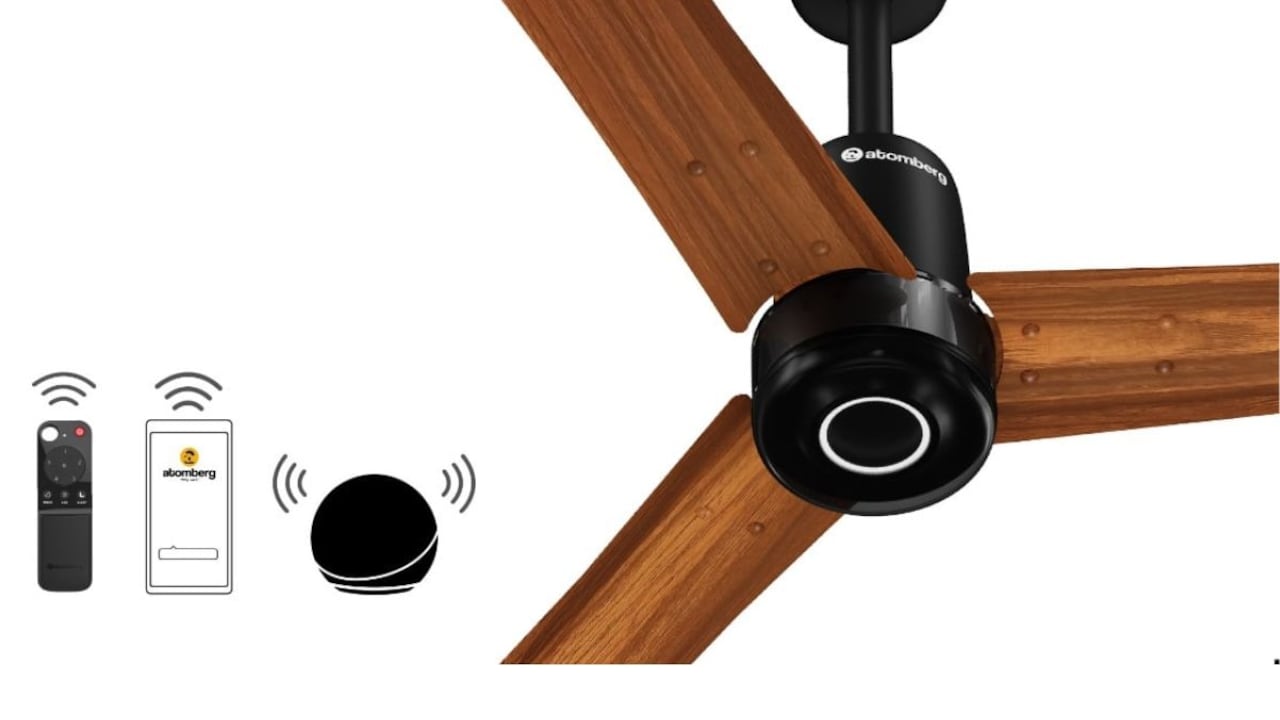
Consider it like a ceiling fan. A fan that consumes more power does not always circulate air better. The same principle applies here. Poor internal design can waste energy as heat and noise rather than converting it into usable suction.
Shoppers often pay extra for higher wattage, expecting dramatic results. Instead, they end up with heavier electricity bills and marginal cleaning improvements. The smarter approach focuses on suction efficiency, measured in airflow and pressure, rather than raw power numbers printed on the box.
Airflow Matters More Than Raw Power
Airflow determines how effectively dirt travels from the floor into the vacuum. Without proper airflow, even strong suction becomes meaningless.
Imagine trying to drink a thick milkshake through a narrow straw. No matter how hard the effort, the flow remains restricted. Similarly, a vacuum with blocked or poorly designed air channels struggles to move debris efficiently.
Machines with optimised airflow systems pick up dust more consistently. They maintain steady suction across surfaces, from hard floors to carpets. This consistency matters far more than momentary bursts of power.
Homes with fine dust, especially in busy urban areas, benefit from vacuums that prioritise airflow. These machines capture smaller particles that often escape heavier, high-wattage models. In daily life, this translates to cleaner air, fewer allergens, and less frequent cleaning.
The Role Of Brush Design
Brush rolls often receive less attention than motors, yet they play a crucial role. A well-designed brush lifts dirt from surfaces, allowing the vacuum to capture it easily.
Without effective brushes, dirt remains embedded in carpets and rugs. Even powerful suction cannot pull out particles that cling stubbornly to fibres.
Different surfaces demand different brush types. Soft rollers work best for hard floors, preventing scratches while collecting fine dust. Stiffer bristles suit carpets, agitating fibres to release trapped debris.
Many households overlook this detail and rely on a single attachment for everything. The result? Patchy cleaning and lingering dust.
Choosing a vacuum with interchangeable or adaptable brush heads often delivers better results than opting for a higher wattage model. It's a small shift in thinking, but it makes a noticeable difference in everyday cleaning.
Filtration Systems Make A Huge Difference
A vacuum that collects dust but releases fine particles back into the air defeats its purpose. This is where filtration steps in.
High-quality filters trap microscopic particles, including allergens and pollutants. HEPA filters, in particular, capture extremely fine dust that standard filters miss.
In cities where air quality fluctuates, filtration becomes essential. Without it, vacuuming can stir up particles, making rooms feel dusty shortly after cleaning.
Lower-quality machines often compromise on filters to keep costs down. They may appear powerful but fail to improve indoor air quality.
Investing in good filtration ensures that dust stays inside the vacuum. It leads to fresher rooms and reduces the need for repeated cleaning. Over time, it also supports better respiratory health, especially in homes with children or elderly family members.
Noise Does Not Equal Performance
A loud vacuum often feels powerful. The roar suggests strength, creating the illusion of deep cleaning.
In reality, noise usually reflects motor design rather than cleaning efficiency. Some machines generate excessive sound due to poor insulation or inefficient components.
Quieter models often use advanced engineering to maintain strong suction without unnecessary noise. These machines feel less dramatic but perform just as well, if not better.
Noise levels matter in everyday life. Early morning cleaning or late-night touch-ups become stressful with loud machines. Neighbours may not appreciate it either.
Choosing a quieter vacuum improves comfort without compromising results. It also signals better design, as efficient machines tend to operate more smoothly.
Bagged Vs Bagless: Performance Trade-Offs
The debate between bagged and bagless vacuums continues, but power alone does not settle it.
Bagged vacuums often maintain consistent suction because dust collects in a controlled environment. Bagless models, while convenient, can lose efficiency as containers fill up.
However, modern bagless designs have improved significantly. Cyclonic technology helps separate dust without clogging filters quickly.
Each option has its strengths. Bagged models suit those who prefer minimal dust exposure during disposal. Bagless versions appeal to those who want to avoid recurring costs.
What matters more is how well the system maintains airflow and filtration over time. A thoughtfully designed machine, regardless of type, outperforms one that relies purely on high wattage.
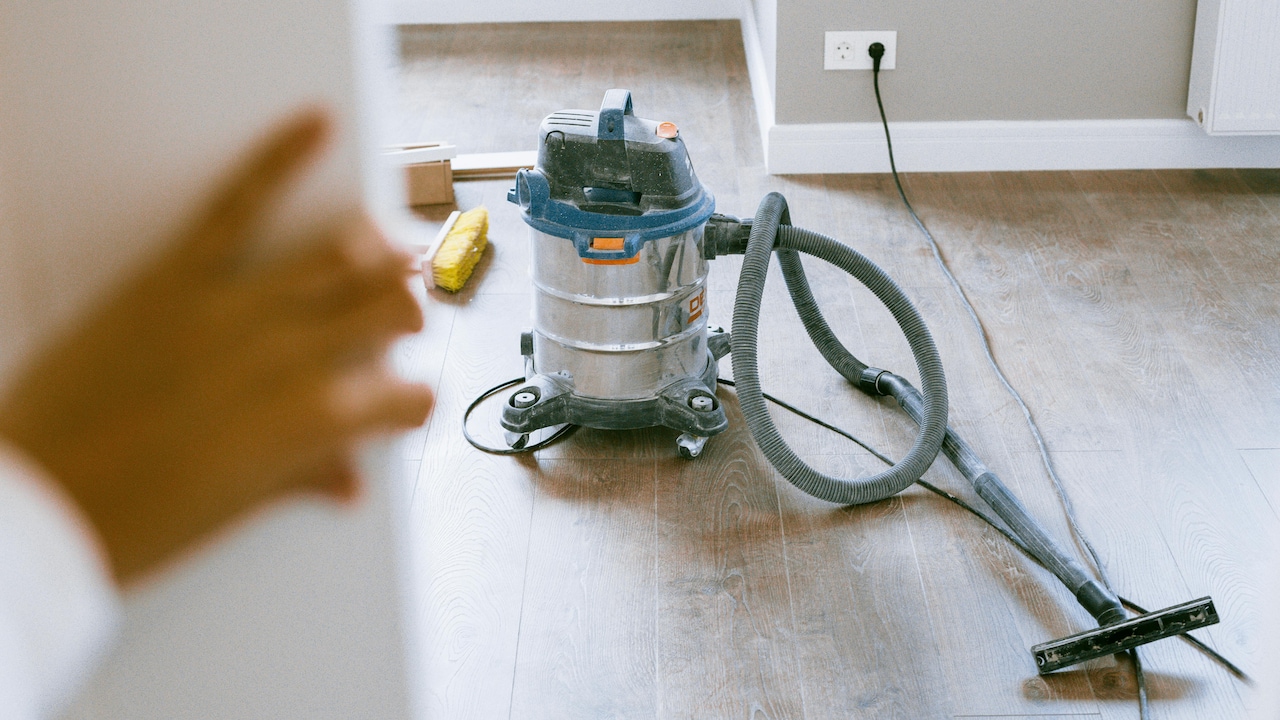
The Vacuum Cleaner Myth: Why More Power Does Not Always Mean A Cleaner Home
Photo Credit: Pexels
Floor Type Influences Cleaning Needs
Homes vary widely in flooring, tiles, marble, wood, carpets, or a mix of everything. A vacuum must adapt to these surfaces rather than overpower them.
High suction can sometimes cause issues. On lightweight rugs, it may pull the fabric upward, making cleaning awkward. On hard floors, excessive suction may not improve results at all.
Adjustable settings allow users to tailor performance. Lower suction works for delicate surfaces, while higher levels handle carpets.
Machines without flexibility often struggle in multi-surface homes. They either underperform or become difficult to manoeuvre.
Understanding floor types helps in selecting the right vacuum. It shifts focus from brute force to thoughtful functionality, leading to more efficient cleaning routines.
Also Read: Cordless Vacuum Cleaners: Freedom Or Battery Anxiety Waiting To Happen?
Maintenance Plays A Bigger Role Than Power
Even the most advanced vacuum loses effectiveness without proper care. Filters clog, brushes tangle, and airflow weakens over time.
Many households notice declining performance and assume the machine lacks power. In reality, simple maintenance could restore efficiency.
Cleaning filters regularly, emptying dust containers, and removing hair from brushes make a noticeable difference. These small steps keep airflow steady and suction consistent.
Ignoring maintenance leads to frustration and unnecessary replacements. A well-maintained vacuum, even with moderate wattage, can outperform a neglected high-power model.
Routine care extends the machine's lifespan and ensures reliable performance. It turns cleaning into a smoother, less time-consuming task.
Energy Efficiency And Long-Term Costs
Higher wattage means higher electricity consumption. Over time, this adds up, especially in homes where cleaning happens frequently.
An energy-efficient vacuum reduces power bills without sacrificing performance. It also aligns with growing awareness around sustainable living.
Spending ₹5,000 extra on a high-wattage model may seem justified initially. However, ongoing electricity costs can quietly outweigh the benefits.
Modern designs focus on efficiency rather than brute force. They deliver strong suction while consuming less energy, offering better value in the long run.
Choosing wisely helps balance performance, cost, and environmental impact. It's a practical decision that benefits both households and the planet.
Marketing Myths Shape Buying Decisions
Advertisements often highlight numbers because they are easy to understand. Bigger numbers feel reassuring.
However, these figures rarely tell the full story. They simplify complex engineering into a single metric, which can mislead buyers.
Retail displays reinforce this idea, placing high-wattage models front and centre. It creates a perception that power alone defines quality.
Breaking free from this mindset requires curiosity. Asking about airflow, filtration, and design reveals more useful information than wattage alone.
Smarter buying decisions come from looking beyond labels. They focus on how a machine performs in real homes, not just how it looks on paper.
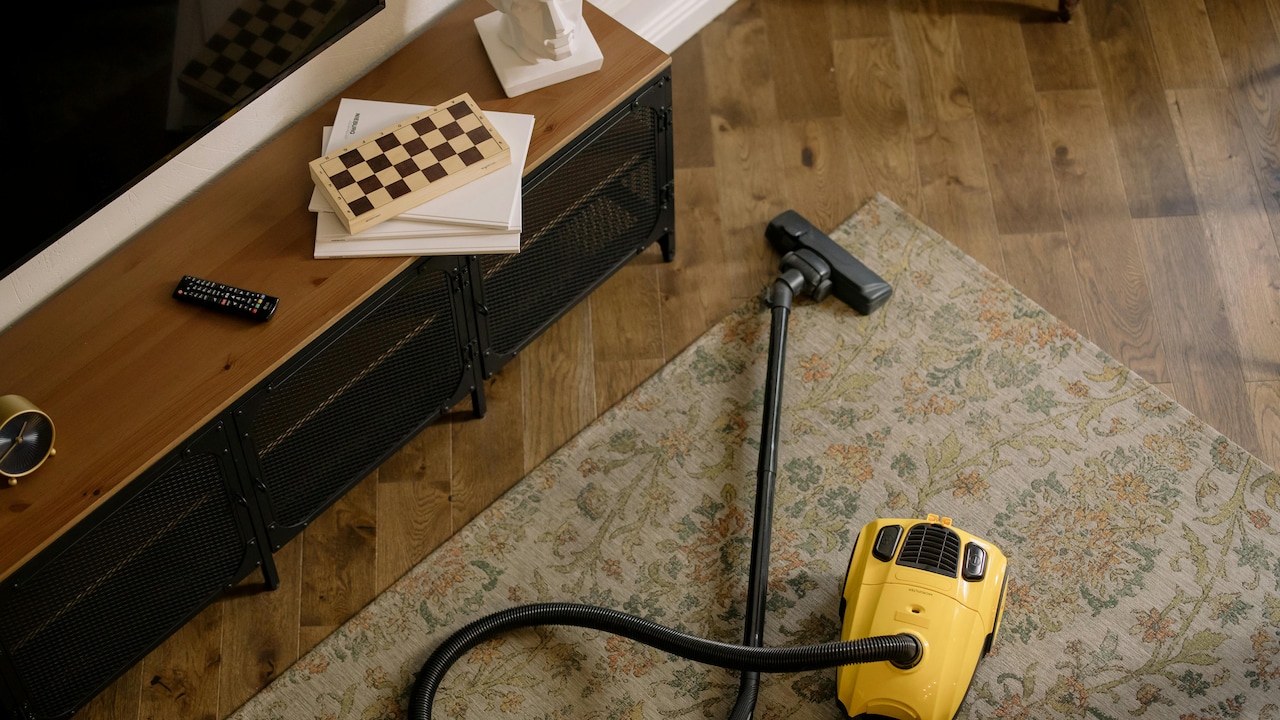
The Vacuum Cleaner Myth: Why More Power Does Not Always Mean A Cleaner Home
Photo Credit: Pexels
Products Related To This Article
1. SEZNIK Vacuum Cleaner for Home Use Wet and Dry
2. Eureka Forbes Quick Clean DX Vacuum Cleaner with 1200 Watts Powerful Suction Control
3. 3-in-1 Portable Car Vacuum Cleaner with Blower
4. DOMESTICA Trio Sweep 3-in-1 Vacuum Cleaner for Home Use Wet and Dry
5. AGARO Regal 800 Watts Handheld Vacuum Cleaner
The belief that more power guarantees better cleaning has persisted for years. It feels intuitive, yet it oversimplifies a complex process.
Effective cleaning depends on balance, airflow, brush design, filtration, and thoughtful engineering. Power plays a role, but it is only one piece of the puzzle.
Homes deserve solutions that work quietly and efficiently, not just loudly and forcefully. Shifting attention from wattage to overall performance leads to better choices and cleaner living spaces.
Next time a vacuum cleaner promises unmatched power, it may be worth pausing for a moment. True cleanliness rarely comes from numbers alone. It comes from understanding what really works.
(Disclaimer: This article may include references to or features of products and services made available through affiliate marketing campaigns. NDTV Convergence Limited (“NDTV”) strives to maintain editorial independence while participating in such campaigns. NDTV does not assume responsibility for the performance or claims of any featured products or services.)