Why Some Steam Irons Leave Water Marks: Hard Water, Limescale, Leaks, Low Heat And More
Steam irons can leave water marks due to hard water, limescale, leaks, low heat settings and poor technique. Learn the real causes and simple fixes to keep clothes spotless.
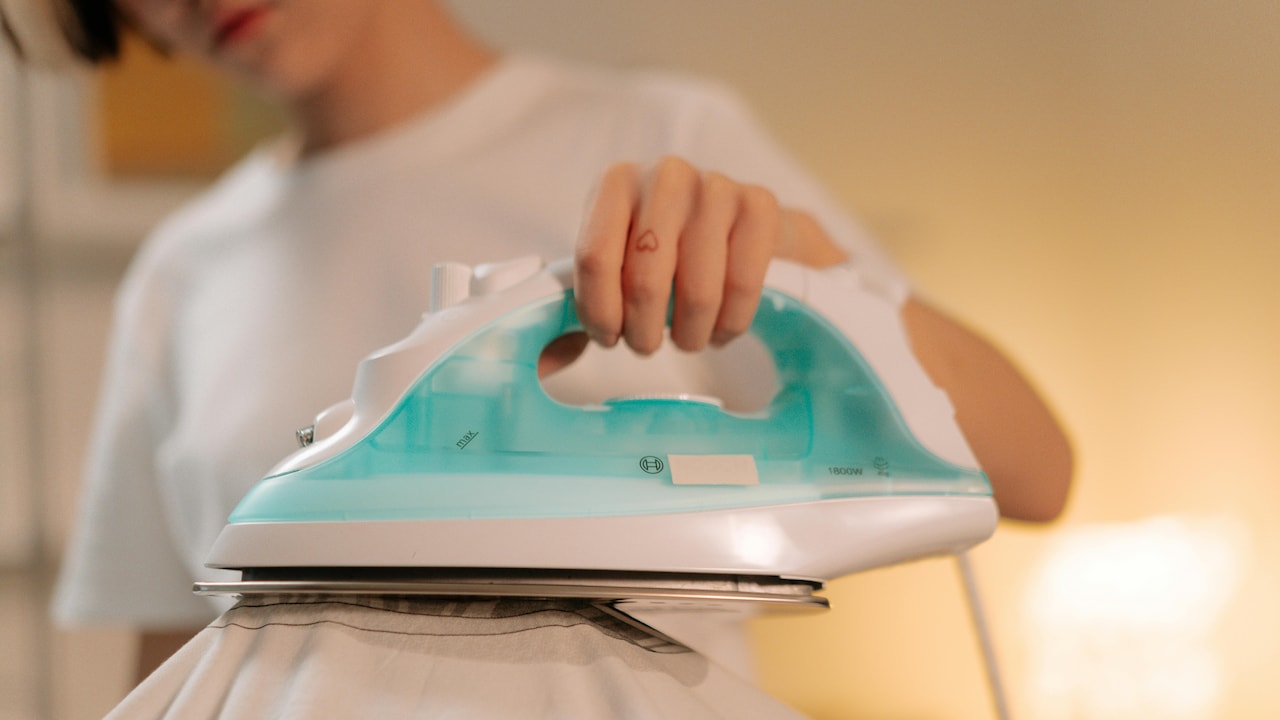
Know how to figure out why steam irons leave marks on your clothes.
Laundry days often feel like a quiet ritual in many homes. Clothes dry on balconies, the iron warms up in the corner, and the smell of freshly pressed fabric fills the room. Steam irons usually make this task easier, especially during humid months when wrinkles refuse to cooperate. Yet the same steam that smooths out creases can leave behind unwanted water marks. These marks do not appear by chance. They develop because of water quality, temperature settings, worn-out parts, and even rushed ironing habits. Many households blame the iron straight away, while the real culprit hides in the water tank or inside the soleplate. Understanding these reasons helps extend the life of the iron and keeps clothes looking sharp, whether pressing office shirts or festive saree blouses.
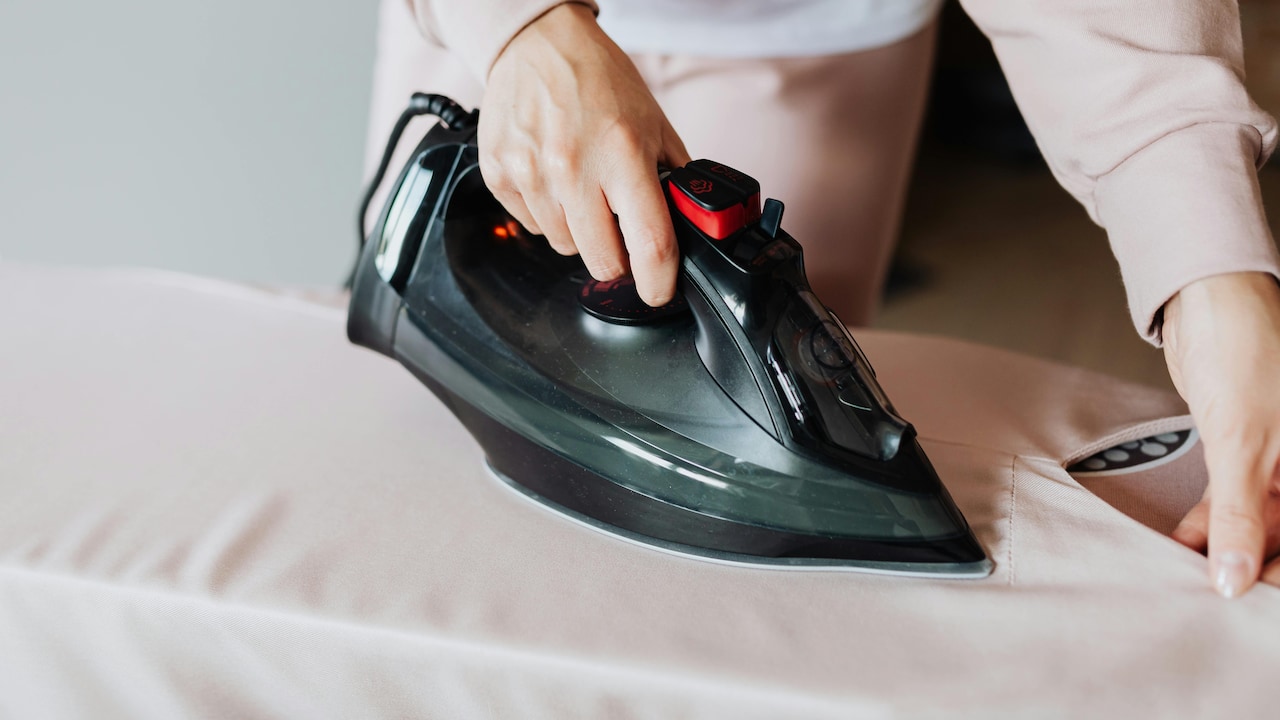
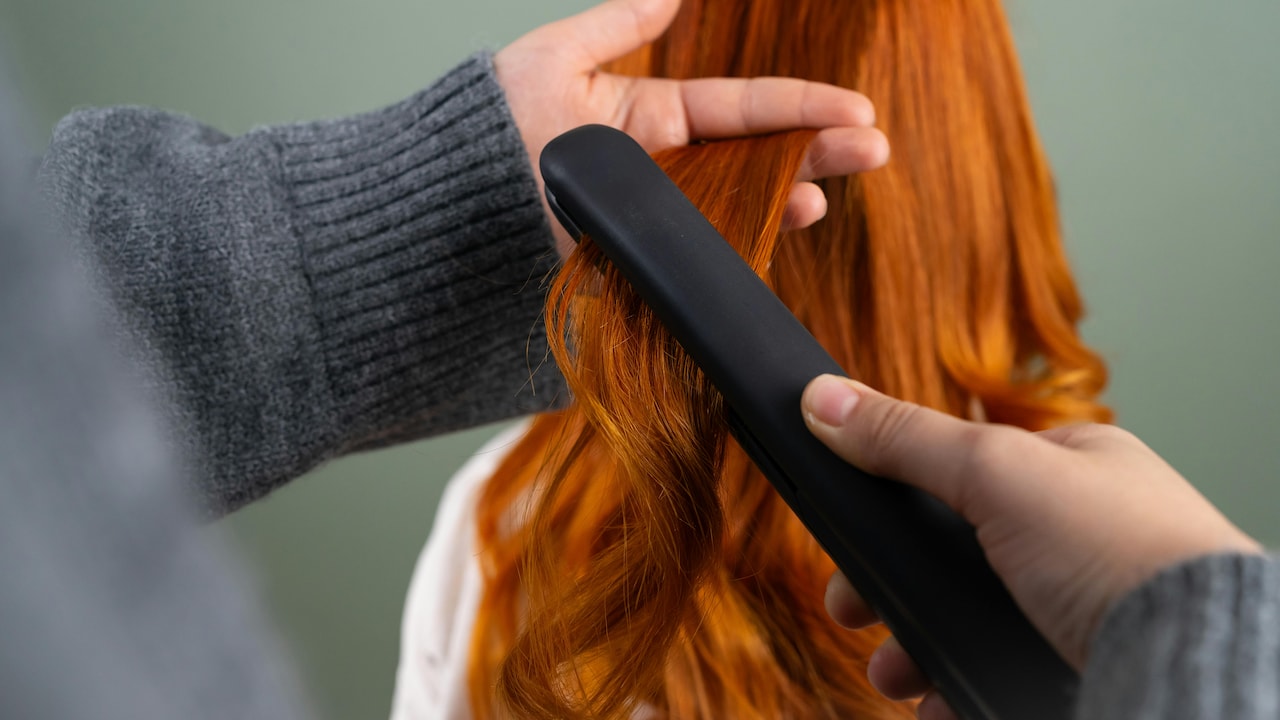
Explore 10 common reasons that can make steam irons leave marks on your clothes; Photo Credit: Pexels
This guide breaks down the most common causes in clear, practical terms. Expect relatable examples, small laughs of recognition, and solutions that actually work in everyday homes.
Also Read: Top 5 Steam Irons Under ₹1,000, From Havells To Bajaj, That Actually Work Wonders
What Really Causes Water Marks on Clothes When Using a Steam Iron
1. Hard Water: The Silent Stain Maker
Hard water flows through taps in many cities and towns. It contains high levels of minerals like calcium and magnesium. These minerals behave well in pipes but turn troublesome inside steam irons. When hard water heats up, minerals settle and mix with steam droplets. As steam hits fabric, those droplets dry and leave chalky white marks.
Many people notice this issue when ironing dark clothes. A black kurta or navy school uniform shows these marks clearly, often right before stepping out. Hard water also shortens the life of the iron by clogging internal vents.
Using filtered or distilled water can make a noticeable difference. Some families already use water purifiers for drinking, and that same filtered water suits irons well. This small change costs little but saves frustration. Regularly emptying the water tank after ironing also helps reduce mineral buildup. Hard water may feel harmless, but inside a steam iron, it behaves like an uninvited guest who refuses to leave.
2. Limescale Buildup: Trouble Beneath the Soleplate
Limescale forms when hard water minerals settle inside the iron over time. It clings to heating elements and blocks steam holes. At first, the steam output reduces slightly. Later, the iron may spit water mixed with white flakes. Those flakes melt on hot fabric and leave stubborn stains.
Many people only notice limescale when the iron starts misbehaving. Steam comes out unevenly, or brownish water drips onto light-coloured clothes. Cotton bedsheets and formal shirts often become victims.
Most modern irons include a self-clean or anti-calc function, yet it often goes unused. Running this function once a month prevents heavy buildup. For irons without this feature, a simple vinegar-and-water clean can help, done carefully and as per instructions. Limescale grows slowly, like dust under a sofa, ignored until guests arrive. Regular cleaning keeps that embarrassment away.
3. Leaks and Drips: When Seals Start to Fail
A steam iron should release steam, not water drops. When water drips from the soleplate, worn-out seals or damaged valves usually cause the problem. Over time, heat weakens rubber seals inside the iron. Tiny cracks form, allowing water to escape before it turns into steam.
This issue often appears suddenly. One day the iron works fine, the next day it leaves wet patches on clothes. Delicate fabrics suffer most. Silk blouses and synthetic sarees do not forgive water stains easily.
Repairing or replacing seals may cost a few hundred rupees, often between ₹300 and ₹600, depending on the model. Many ignore repairs and continue ironing around the problem, blotting clothes with towels. That habit rarely works. A leaking iron also wastes electricity and water. Addressing leaks early saves clothes and keeps ironing sessions stress-free.
4. Low Heat Settings: Steam Without Power
Steam needs heat to behave properly. When the iron runs at a low temperature, water fails to convert fully into steam. Instead, it exits the soleplate as warm droplets. These droplets land on fabric and form water marks as they dry.
This problem often occurs when ironing delicate fabrics. People lower the heat but forget to reduce the steam output. The iron then produces moisture without enough heat to evaporate it. Light-coloured fabrics may escape notice, but darker ones show patches clearly.
Matching heat and steam settings matters. Most irons include fabric guides for a reason. Turning off the steam while ironing synthetics or silks prevents unwanted marks. Letting the iron heat up fully before starting also helps. Rushing through ironing may save time, but it often leads to re-washing clothes, which wastes more time in the end.
5. Overfilling the Water Tank: More Isn't Better
Filling the water tank to the brim feels logical. More water means more steam, right? Sadly, overfilling causes trouble. Excess water sloshes inside the tank and escapes through vents when the iron tilts. That water bypasses the heating process and lands directly on the fabric.
This issue becomes common during large laundry loads. Pressing piles of clothes without refilling breaks concentration. In a hurry, water gets poured in without checking the maximum level mark.
Leaving a small air gap inside the tank allows proper steam formation. Checking the fill line takes seconds but prevents messy stains. Overfilling also increases internal pressure, which may damage seals over time. Steam irons thrive on balance, not excess.
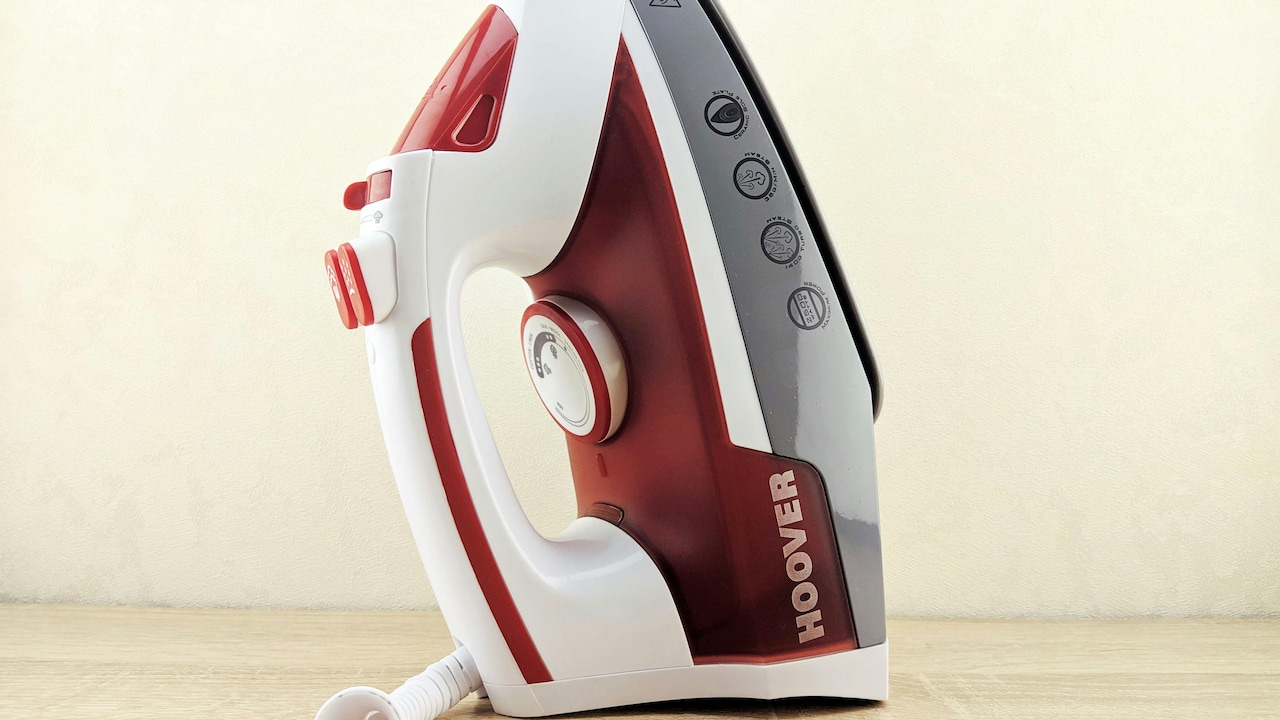
Overfilling the water tank can cause the water escape through vents and land directly on your clothes; Photo Credit: Pexels
6. Blocked Steam Vents: When Steam Loses Its Way
Steam vents on the soleplate release moisture evenly. When these vents clog with starch residue, fabric fibres, or limescale, steam escapes unevenly. Some vents release nothing, while others release sudden bursts of water.
Using spray starch or ironing clothes straight from dusty wardrobes increases this risk. Over time, residue bakes onto the soleplate and blocks the holes.
Cleaning the soleplate regularly keeps vents clear. A soft cloth and mild cleaner usually suffice. Avoid metal scrubbers that scratch the surface. A scratched soleplate collects more residue, creating a cycle of problems. Clear vents ensure smooth steam flow and even ironing results.
7. Condensation Inside the Iron: A Hidden Culprit
Condensation forms when the temperature changes rapidly inside the iron. Switching the iron on and off frequently encourages this problem. Water vapour cools and turns back into liquid inside the tank or steam chamber. When ironing resumes, the water exits suddenly.
This often happens during power cuts or frequent unplugging. Many homes experience voltage fluctuations, which interrupt heating cycles. Clothes then receive unexpected water splashes.
Allowing the iron to stabilise before use helps. Keeping it plugged in and maintaining a steady temperature reduces condensation. Emptying the tank after each use also limits trapped moisture. Condensation may sound harmless, but on clothes, it behaves like an unplanned rain shower.
8. Poor Quality or Ageing Irons: When Time Takes Its Toll
Not all irons age gracefully. Cheaper models may lack robust internal components. Over time, heating elements weaken, thermostats lose accuracy, and water flow becomes unpredictable. Older irons may heat unevenly, leading to inconsistent steam.
Many households continue using the same iron for years out of habit. Familiarity breeds comfort, even when performance declines. Yet an ageing iron often causes more trouble than savings justify.
Investing in a reliable model pays off. A decent steam iron usually costs between ₹1,500 and ₹3,000. That expense spreads across years of use and protects expensive clothes. Retiring an old iron feels sentimental, but clothes deserve better treatment.
9. Using Tap Water with Additives: Unexpected Reactions
Tap water sometimes contains additives beyond minerals. Chlorine and other treatment chemicals react with heat and metal surfaces. These reactions may produce yellowish or brown stains on fabric.
People often notice this on white clothes, especially cotton shirts or bedsheets. The marks look like rust but wash out poorly. Blaming the detergent rarely solves the issue.
Switching to filtered water reduces these reactions. Some irons recommend demineralised water for this reason. While buying bottled distilled water seems excessive, using filtered water from home systems offers a practical compromise. Small adjustments in water choice protect fabrics from mystery stains.
10. Ironing Technique and Habits: The Human Factor
Sometimes the iron gets blamed unfairly. Ironing habits play a big role in water marks. Holding the iron still for too long allows moisture to pool. Pressing down hard forces water through vents. Ironing damp clothes with steam adds extra moisture to the fabric.
Busy mornings encourage rushed ironing. Shirts get pressed in haste, and steam buttons get overused. Water marks appear, and frustration follows.
Adopting a relaxed pace helps. Smooth, continuous movements allow steam to disperse evenly. Letting clothes dry fully before ironing reduces moisture overload. Ironing feels like a chore, but treating it as a calm task improves results. Clothes respond well to patience.
Products Related To This Article
1. Usha 3713 1300Watt Steam Iron with Self Cleaning Function
2. Philips Steam Iron (Gc1905/21)
3. Havells Glaze 1250 Watts Steam Iron with Self Cleaning Function
4. Bajaj MX 3 Neo Steam Iron | 1250 Watts Power For Faster Ironing
5. Crompton Fabrimagic Neo 1200 W Steam Iron with 180 ml water tank
Water marks on clothes feel like small disasters, especially when they appear moments before leaving home. Yet these marks rarely appear without reason. Hard water, limescale, leaks, low heat, and everyday habits all contribute to the problem. Steam irons work best when given proper care, clean water, and sensible settings.
Simple changes make a big difference. Using filtered water, cleaning the iron regularly, matching heat with fabric, and avoiding rushed ironing protect clothes and peace of mind. An iron may seem like a humble appliance, but it plays a powerful role in daily appearance.
Understanding how steam irons behave turns frustration into control. Clothes stay crisp, mornings run smoother, and water marks become a rare memory rather than a regular nuisance.
(Disclaimer: This article may include references to or features of products and services made available through affiliate marketing campaigns. NDTV Convergence Limited (“NDTV”) strives to maintain editorial independence while participating in such campaigns. NDTV does not assume responsibility for the performance or claims of any featured products or services.)