Why Your Kitchen Still Smells Even After Installing a Chimney: Hidden Causes Explained
A shiny new kitchen chimney promises a fresh and fragrance-free cooking space, yet lingering smells often refuse to leave. Check the top kitchen chimney picks from Hindware, Glen, Kaff to Faber.
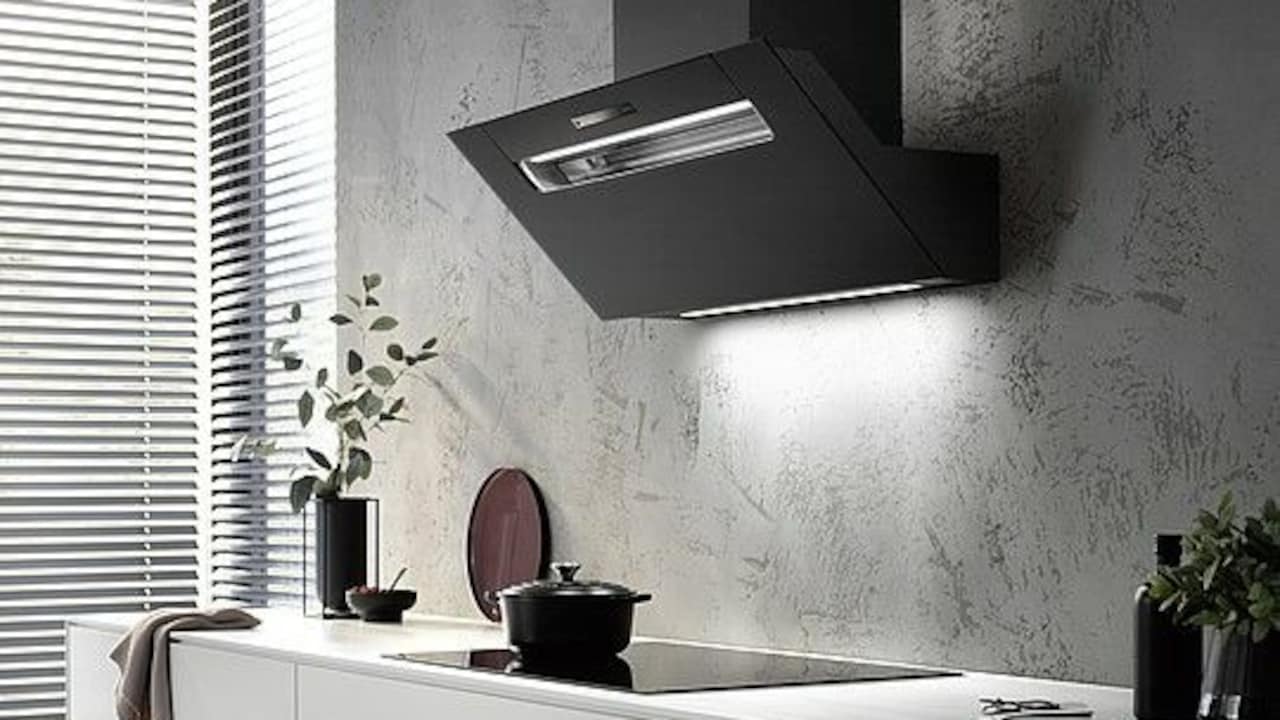
Why Kitchen Still Smells After Installing a Chimney? Top Causes and Fixes.
A kitchen can feel like the heart of a home, buzzing with the scent of tadka, warm rotis, and simmering curries. Yet this same scent can turn the space stuffy when the air grows heavy with smoke or masala fumes. Many folks install a chimney expecting a magical fix. After all, the moment the switch flips, the suction starts, and the noise assures that everything unwanted will vanish. Then the smells linger anyway.
The confusion grows: the kitchen chimney works, the filter looks decent, yet the air continues to carry yesterday's frying session. Instead of blaming the appliance, it helps to look at a few hidden culprits. Kitchens act like dynamic spaces with habits, heat, moisture, airflow patterns, and all sorts of quirks. A chimney plays one part in the orchestra, not the entire performance.
This article explores those lesser-known reasons that keep unwanted aromas hanging around and also lists the top picks from Hindware, Glen, Kaff to Faber.
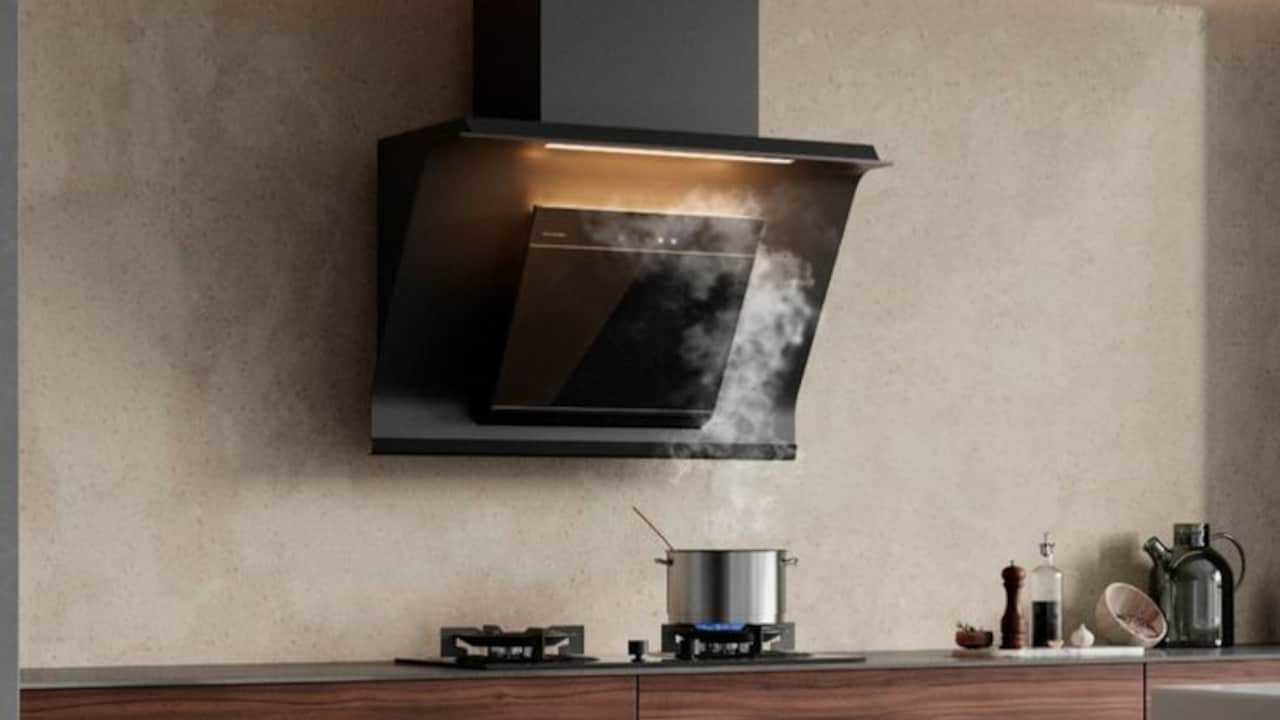
Kitchen Still Smells Even After Installing A Chimney? Causes and Fixes; Photo Credit: Pexels
What Is Really Causing Those Lingering Kitchen Smells Despite Chimney?
1. The Chimney Suction Level Doesn't Match Cooking Style
A chimney may boast impressive numbers on the box, yet those numbers often don't match reality at home. Kitchens in many homes deal with high-heat cooking, deep frying, repeated tadkas, and masala-rich gravies. These dishes release heavier fumes that need strong suction to lift away. When the suction falls short, the smoke dances around the room before settling on the cabinets for room and in the air.
Many households choose chimneys based on looks, size, or discounts, instead of checking whether the suction power matches cooking habits. For instance, a 700–800 m³/hr chimney struggles during frying sessions, while a 1200 m³/hr model handles fumes better. When the power doesn't match the need, smells linger long after the stove turns off.
Another detail often overlooked is distance. If the hob and chimney sit too far apart, the suction weakens. A perfect-looking kitchen layout may actually reduce performance. Strong suction, correct installation height, and a design that suits real kitchen routines together prevent smells from settling. Otherwise, the air continues to carry reminders of lunch all the way to dinnertime.
2. Filters Clog Faster Than Expected
Filters carry most of the workload inside a chimney. They collect sticky grease, fumes, and oil vapours. Over time, they clog and choke the airflow. Many homes with heavy cooking experience clog much sooner than expected, sometimes within weeks. When the filter struggles, the chimney works louder, pulls less air, and leaves more odour behind.
A baffle filter, commonly used in many homes, needs regular cleaning, usually once in two to three weeks. Mesh filters demand even more care, as they trap finer particles. A clogged filter acts like a blocked nose; air simply doesn't pass through properly. Even if the motor runs, the performance drops dramatically.
A simple soak in hot water and dish soap usually helps. Some households even use degreasers costing around ₹200–₹300 for stubborn buildup. When cleaned regularly, filters restore the chimney's strength. Without routine care, lingering odours become a daily companion, settling on curtains, clothes, and even hair. Clean filters don't just keep smells away, they make the kitchen feel lighter and fresher after every meal.
Also Read: Top 5 Chimneys in India: Smoke-Free Kitchens Made Easy
3. Poor Ventilation Cancels Out Chimney Efficiency
A chimney doesn't work alone; it needs good airflow around it. Many kitchens stay shut tight during cooking, either due to heat, dust outside, or habit. When windows remain closed, fresh air doesn't enter. Without replacement air, the chimney struggles to pull out fumes effectively. The result? Smells stay inside despite the humming chimney.
Proper ventilation creates a steady air cycle. Fresh air enters, warm and smoky air leaves. Even a small open window makes a visible difference. Modern homes often rely solely on appliances, forgetting that natural airflow remains one of the simplest helpers.
Some kitchens with ducted chimneys also face issues when the duct outlet gets blocked by dust, small nests, or even weather flaps stuck due to rust. This causes the exhausted air to bounce back into the kitchen. When that happens, even a powerful chimney feels useless. Maintaining good airflow, checking ducts twice a year, and letting in some fresh breeze can transform how a kitchen smells.
4. Moisture and Steam Carry Smells Across the Home
Cooking produces more than fumes; it releases moisture. Steam from rice, boiling dal, or simmering soup carries the scent throughout the house. Unlike thick smoke, steam remains lighter and moves quickly. Chimneys usually focus on grease and smoke, not moisture. So while the chimney traps oily vapours, the steam escapes, carrying subtle but persistent scents.
Moisture lingers longer during monsoon months, making smells stay even after the stove turns off. High humidity prevents quick dissipation, turning the kitchen into a warm, heavy space. Even strong chimneys don't fully combat humidity.
Using the exhaust fan along with the chimney often helps. The fan pulls moisture out while the chimney handles fumes. Keeping lids slightly open, wiping down surfaces, and controlling indoor humidity also reduces lingering smells. When steam settles inside the kitchen, it traps odours on curtains, walls, and ceilings. Managing moisture works wonders, especially in smaller apartments where air circulation stays limited.
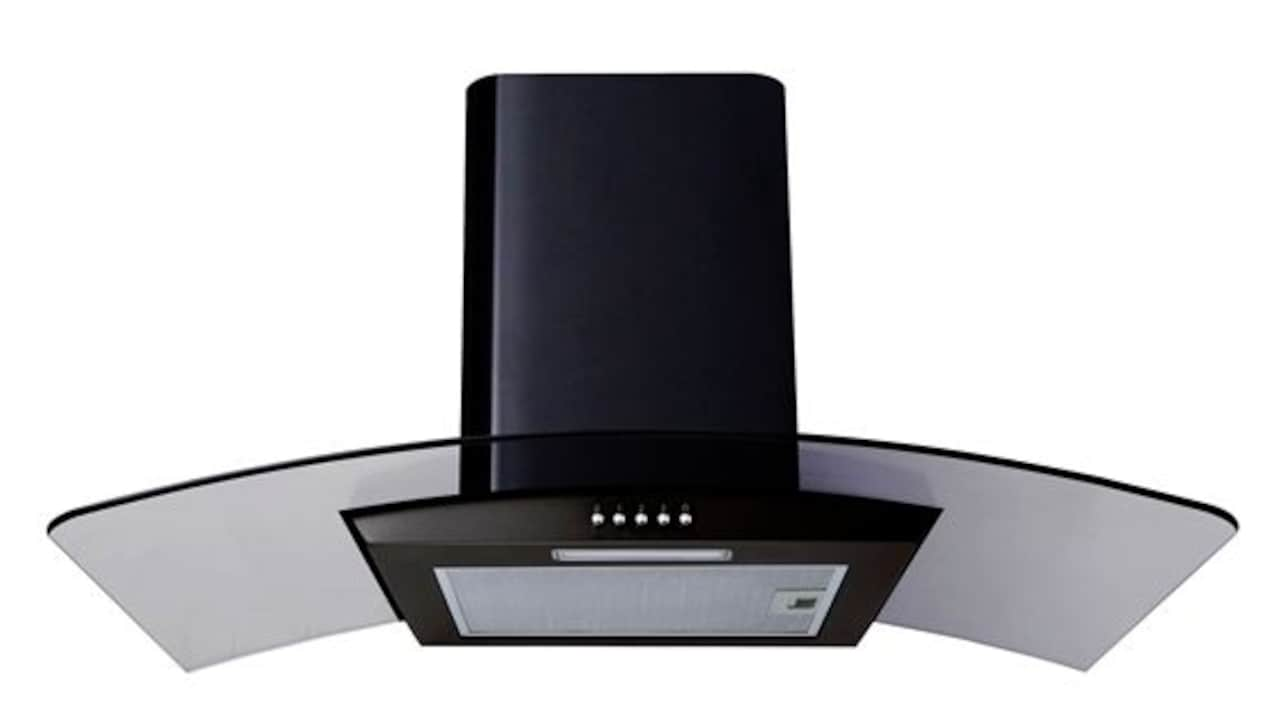
Kitchen Still Smells Even After Installing A Chimney? Causes and Fixes; Photo Credit: Pexels
5. Oil Spills and Residue Build-Up on Surfaces
Even the best chimney can't fight smells when the source lies right on the counter. Oil splashes from shallow frying, drops from ladles, and invisible mist from tadkas settle on tiles, cabinets, and countertops. Over time, these tiny layers of grease trap smells. When heat from cooking warms them again, the scent returns.
A quick wipe often misses corners, undersides of cabinets, and edges near the stove. These overlooked areas slowly develop a sticky film. This film acts like a sponge that absorbs aromas and releases them throughout the day. No chimney, regardless of price or power, can remove such trapped odours.
Deep cleaning every week helps keep things fresh. Using warm water with vinegar or a degreasing solution (₹100–₹150) makes the task easier. When the surfaces stay clean, the air stays lighter and fresher. Many households report huge improvements simply by wiping hidden corners that quietly held onto smells for months.
6. Incorrect Chimney Installation Height
A chimney works best when installed at the right height above the hob. Too high, and it loses grip on the rising fumes. Too low, and it becomes uncomfortable and even unsafe. Many homes unknowingly end up with chimneys fixed at the wrong height due to design choices or carpenter measurements.
The ideal range usually stays between 24–30 inches above the stove, depending on the model and type of cooking. When it sits higher, the suction force weakens before the smoke reaches the filters. This gives fumes enough time to spread around. Even a difference of 3–4 inches can alter the chimney's effectiveness.
Some stylish modular kitchens prioritise symmetry over functionality. The chimney gets aligned with cabinets or decor patterns, not the hob. This creates a beautiful look but compromises performance. Correct height ensures the chimney catches fumes instantly and prevents lingering smells. A simple adjustment often solves months of confusion about persistent odours.
7. Recirculation Mode Isn't Suitable for Heavy Cooking
Many homes opt for filter-based recirculation chimneys without ducts. These models pull in air, pass it through a carbon filter, and release it back into the kitchen. While convenient, they don't remove smoke fully. They only reduce odour to an extent. Heavy tadka, frying, and grilling overwhelm carbon filters quickly.
Recirculation chimneys rely on filters that need replacement every few months. Neglected filters lose effectiveness and start releasing the same smells back into the room. Carbon filters also don't handle grease well, allowing oily vapours to move around freely.
For homes with regular frying or spice-heavy meals, ducted chimneys perform far better. Recirculation mode suits light cooking styles. When used incorrectly, recirculation systems leave kitchens smelling of previous meals, even after running for long durations. Regular filter changes and realistic expectations help manage the issue. Otherwise, persistent smells feel unavoidable.
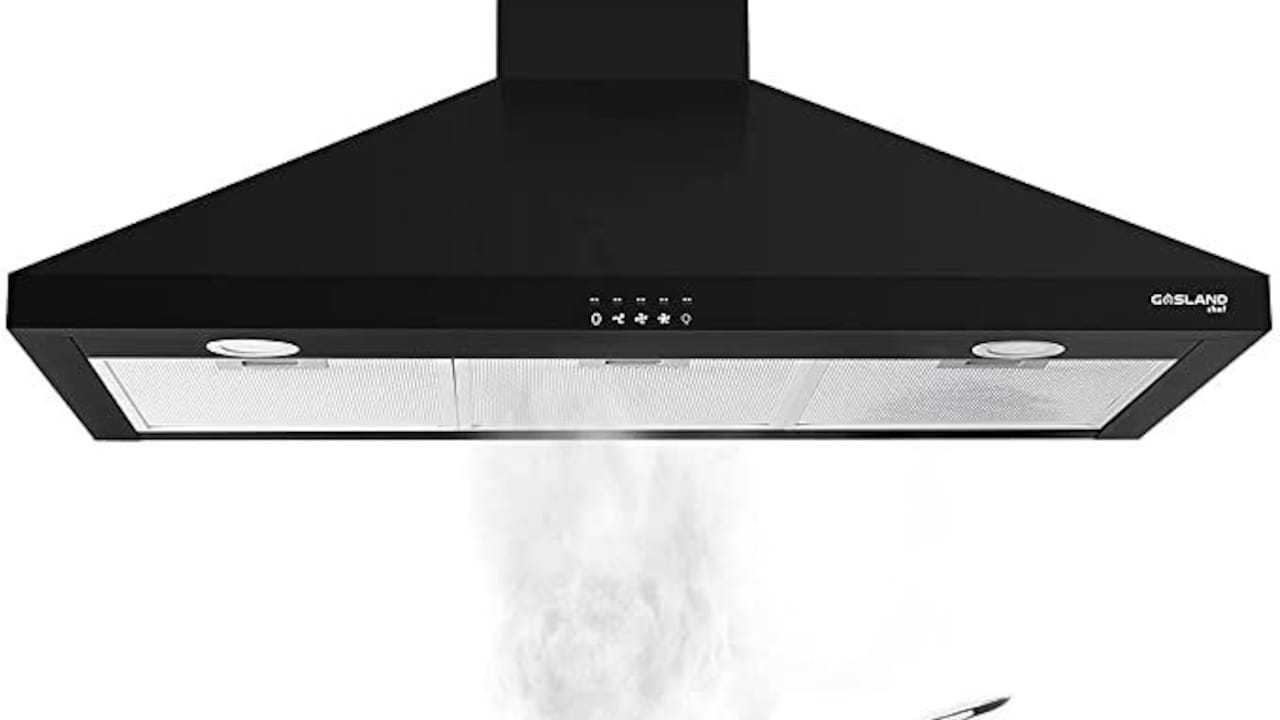
Kitchen Still Smells Even After Installing A Chimney? Causes and Fixes; Photo Credit: Pexels
8. Poor Quality Ducting Reduces Performance
The duct plays a vital role in a chimney's efficiency. Many homeowners pay ₹12,000–₹20,000 for a chimney but compromise on duct quality during installation. Thin aluminium ducts, long bends, or multiple curves restrict airflow. The chimney motor works harder, pushes less air, and releases more odour back inside.
Smooth, short, and wide ducts offer the best performance. Too many bends cause turbulence, reducing suction strength dramatically. Sometimes installers add unnecessary curves to fit aesthetics or save time. This invisible mistake creates long-term issues.
Ducts also collect grease over time. Without periodic cleaning, they narrow, allowing smells to return through the chimney opening. Ensuring a high-quality duct with minimal bends improves performance more than many fancy chimney features. Investing a little extra in ducting saves money and frustration later. A well-designed duct system helps the chimney breathe freely and keeps the kitchen smelling fresh after every meal.
9. Garbage Bins, Drains, and Hidden Corners Create Independent Odours
Not all smells come from cooking. Sometimes the culprit hides quietly in a corner. Garbage bins that aren't emptied daily, wet waste left in the sink, or drains with trapped food particles create powerful smells. These odours stay unaffected by chimney performance.
The combination of heat and moisture amplifies these scents. A sink strainer filled with leftovers or a forgotten piece of onion peel under the counter can release an unpleasant smell for hours. Even dishcloths and scrubbers develop a distinct odour when used frequently.
Regular cleaning of sink traps, using disinfectants, and maintaining a dry kitchen space helps a lot. Small habits, changing dishcloths often, wiping the bin area, and keeping the drain clear, make the entire kitchen smell fresher. When the background smells disappear, the chimney's role becomes clearer and more effective. Sometimes, the solution lies not in the appliance but in the silent corners of the kitchen.
10. Cooking Habits That Release Strong, Long-Lasting Aromas
Some dishes carry stronger aromas than others. Frying fish, preparing pakoras, roasting papad, or adding smoky tadka releases scents that stick around longer. Even a high-suction chimney struggles with intense aromas. The oils and spices create a dense vapour that lingers despite continuous ventilation.
Strong spices such as hing, mustard seeds, garlic, and pepper also release distinctive scents that travel quickly. These aromas cling to fabrics, curtains, and kitchen towels. While chimneys capture a portion, the rest disperses around the home.
A few simple habits reduce the intensity. Closing the kitchen door during frying sessions, cross-ventilating with a window, or simmering spices on lower heat help control odours. A chimney assists but doesn't eliminate every scent when the dish itself carries a powerful aroma. Understanding this helps set realistic expectations while maintaining a fresh kitchen environment.
Products Related To This Article
1. Elica 60 cm 1350 m3/hr Filterless Autoclean Kitchen Chimney
2. Faber 60 cm 1000 m³/hr Kitchen Chimney
3. Hindware Smart Appliances
4. Glen 60 cm 1000 m³/hr Baffle Filter Kitchen Chimney
5. KAFF K-Series KEC 60A Filterless Auto-Clean Kitchen Chimney
A chimney helpful partner in the kitchen, but it works best when supported by smart habits and proper installation. Smells linger for many reasons, blocked filters, poor ventilation, moisture, hidden residue, strong spices, or even ducting issues. Once these underlying causes become clear, keeping the kitchen fresh becomes far easier.
A clean, well-ventilated, and thoughtfully maintained cooking space feels welcoming every day. With the right practices, even dishes rich in spices and oil leave behind only memories, not lingering aromas.
(Disclaimer: This article may include references to or features of products and services made available through affiliate marketing campaigns. NDTV Convergence Limited (“NDTV”) strives to maintain editorial independence while participating in such campaigns. NDTV does not assume responsibility for the performance or claims of any featured products or services.)