Why Your Sandwiches Burn Or Turn Soggy? 10 Common Sandwich Maker Mistakes To Avoid
A perfectly toasted sandwich can brighten any breakfast, but a few simple mistakes often turn crispy dreams into soggy or burnt disappointments. This is a friendly guide to getting flavour and texture right with a sandwich maker at home. Learn all about why your sandwiches burn or turn soggy - the 10 mistakes that are ruining your happy meal. Also, check the top sandwich makers from Borosil, Milton, Lifelong to Prestige.
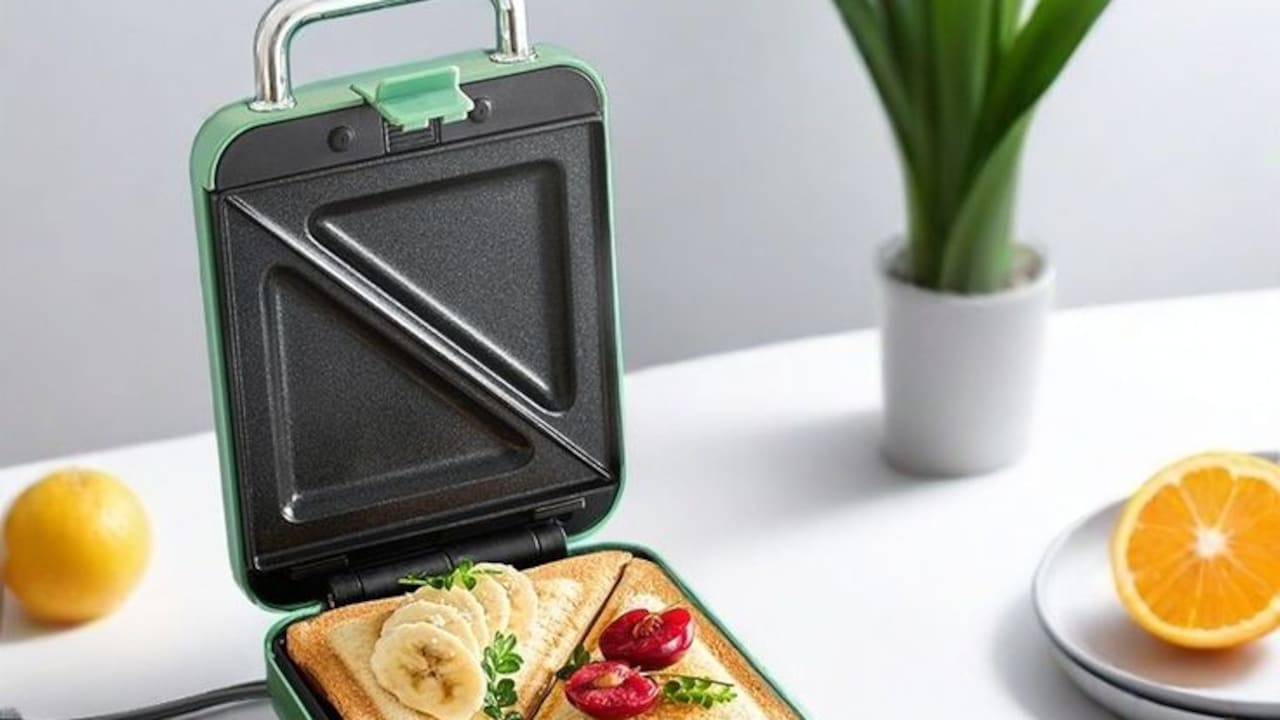
Sandwich Maker Mistakes At Home: What Causes Soggy Or Burnt Bread And How To Fix It.
A hot, crunchy sandwich layered with fresh filling and golden bread often feels like the quickest way to treat the taste buds. Yet, many home kitchens witness the same breakfast tragedy: bread that burns before the cheese melts, soggy corners dripping with chutney, uneven browning, or fillings spilling out like a messy street snack. The sandwich maker seems simple, but the smallest mistake can ruin texture, taste and even mood.
Whether rushing for office, preparing children's lunch, or keeping evenings delicious with a light snack, a sandwich maker promises convenience. With a little care, it can deliver flavour that reminds one of local cafés without spending ₹200 every time hunger strikes. Understanding what goes wrong while toasting can help transform everyday sandwiches into delicious, consistent delights worth savouring. So, here is all you need to know about why your sandwiches burn or turn soggy - the 10 common sandwich maker mistakes you need to avoid to get a great meal. And while you are at it, also check the top picks from Borosil, Milton, Lifelong to Prestige.
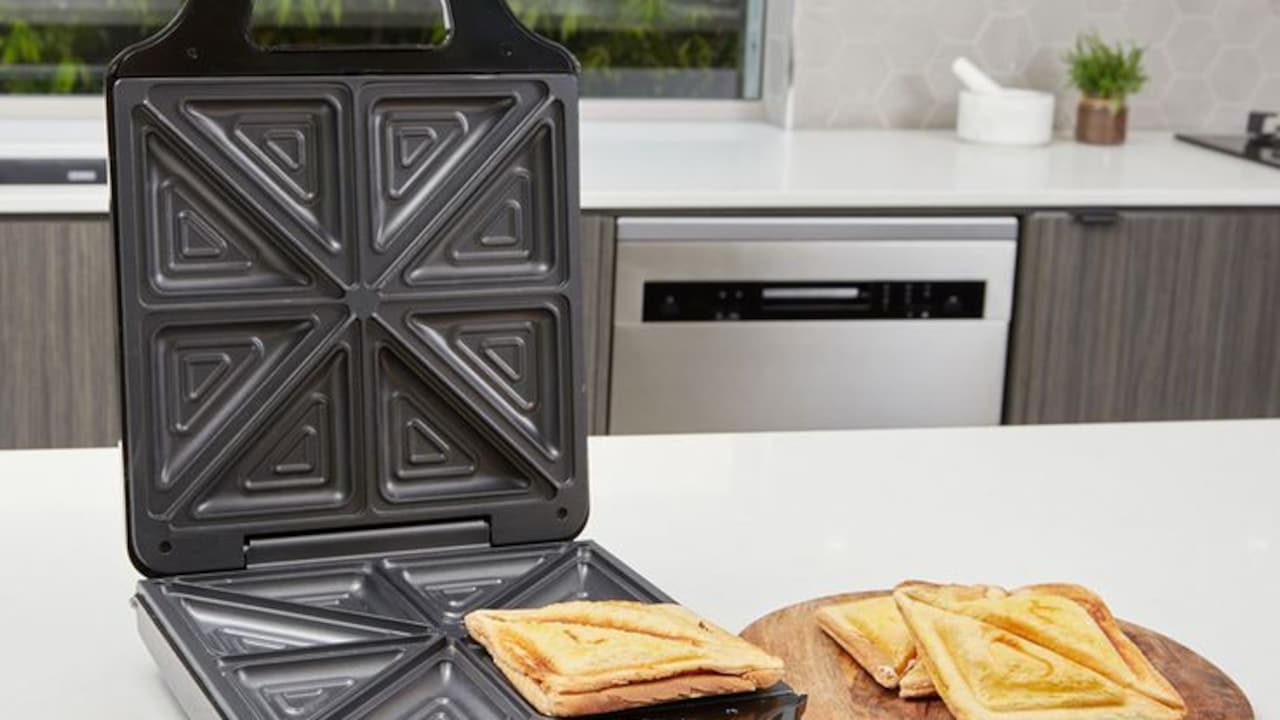
Perfect Crunch Every Time: Top Sandwich Maker Errors And How To Fix Them; Photo Credit: Pexels
Common Sandwich Maker Blunders and How to Avoid Them
1. Using Too Much Butter Or Oil
Greed often melts into soggy bread. Thick layers of butter or oil on slices make the sandwich heavy instead of crisp. The fat seeps into the bread and turns it greasy instead of golden. This issue becomes worse when fillings like cheese or mayonnaise release additional oil during heating.
A light spread works better. A thin coating of butter on both outer surfaces gives a balanced crispiness. For those who enjoy a richer taste, choosing butter over oil adds flavour without drowning the bread. Using a butter knife helps spread it evenly instead of dumping large globs. If flavoured spreads are used, apply them inside, not outside. This small change turns a greasy sandwich into a crisp treat that feels and tastes better.
2. Overstuffing the Sandwich with Fillings
It's tempting to load a sandwich with cheese, chutney, veggies and sauces, especially when cravings run high. But excessive filling prevents the bread from pressing correctly. As the sandwich maker closes, fillings spill over the sides, creating messy edges, uneven cooking, and sometimes burnt layers near the corners.
A sandwich maker works best with thin, evenly distributed fillings. Grated cheese melts evenly, unlike thick slices that form bulky pockets. Vegetables like tomatoes release water when overstuffed, causing sogginess. Instead, place a moderate filling, cover it neatly, and then seal. Allow space for heat to circulate and melt everything uniformly.
Less filling doesn't reduce taste; it enhances texture and balance. A sandwich bursting with overflowing ingredients looks tempting, but often disappoints the moment the first bite hits the mouth.
Also Read: Top 5 Sandwich Makers That Don't Squish The Bread Too Flat, From Milton, Prestige, Kent to iBell
3. Using Wet Vegetables Without Drying Them
Many vegetables, especially tomatoes, onions, cucumbers and capsicum, contain moisture that turns sandwiches soggy. When they go into the sandwich maker without proper drying, steam collects inside and softens the bread. Even when toasted, the bread feels damp and limp.
Rinsing vegetables is necessary, but patting them dry with a towel or tissue before placing them in a sandwich changes the outcome completely. A light seasoning of salt also helps reduce excess water. Some people even roast or sauté watery veggies for a couple of minutes, enhancing flavour while controlling moisture.
Dry ingredients help the bread turn crisp, allowing fillings to shine. A sandwich tastes better when water doesn't fight with the heat inside the toaster.
4. Spreading Sauces Directly on Bread
Tomato ketchup, mayonnaise, green chutney or cheese spreads add flavour, but when applied directly on the bread, they soak into it. As the sandwich cooks, the moisture weakens the texture, causing squishy patches or uneven browning.
A smarter method is to use a buffer layer. Place sauces between cheese slices or spread them over a dry ingredient like a lettuce leaf or boiled potato. Another trick involves mixing chutneys with butter to create a thicker blend. When spreads avoid direct contact with bread, the toast remains crispy while keeping the flavours intact.
Balanced usage also matters. Heavy sauce layers overpower other flavours and contribute to sogginess. Controlled and smart layering lets the sauces enhance the sandwich instead of drowning it.
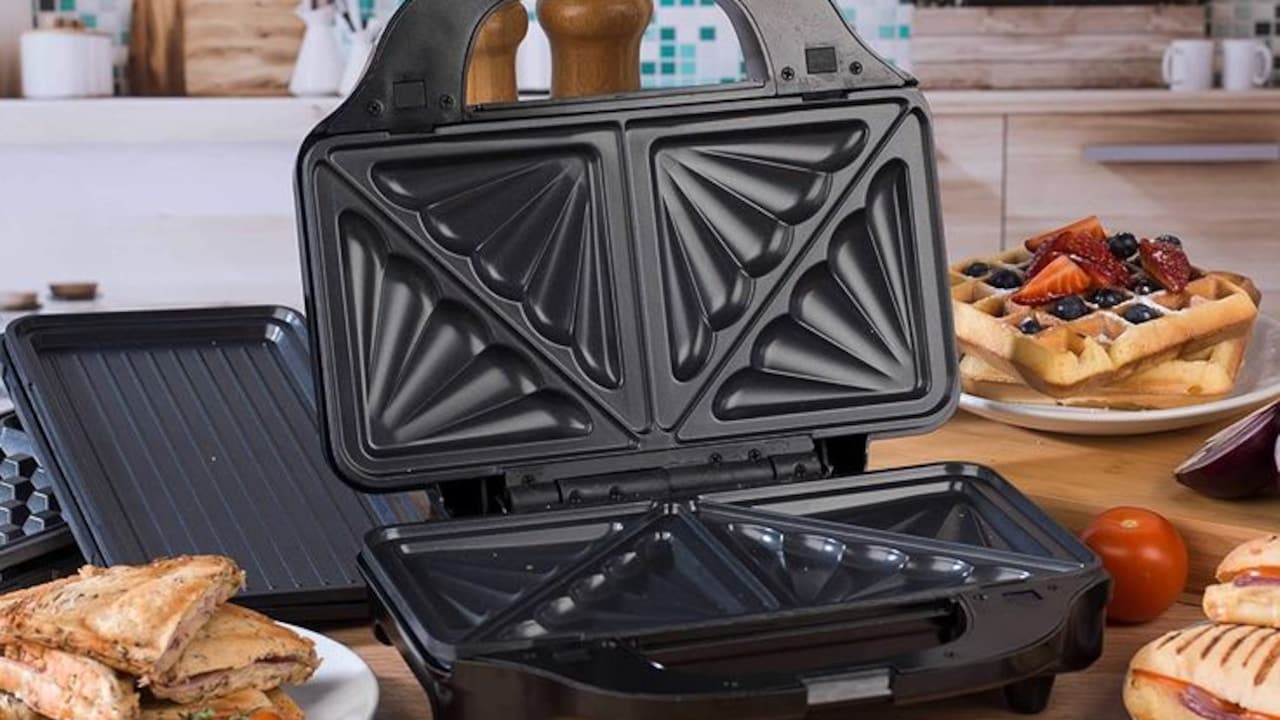
Perfect Crunch Every Time: Top Sandwich Maker Errors And How To Fix Them; Photo Credit: Pexels
5. Ignoring Preheating
Many rush into making breakfast and skip preheating the sandwich maker. Cold plates delay browning, resulting in longer cooking times and soggy, unevenly toasted bread. The bread warms before it toasts, absorbing moisture from the fillings.
Letting the machine heat for at least two to three minutes is essential. A proper preheat ensures the bread gets an instant crisp surface once it touches the plates. Some models indicate readiness with a light, while others simply require waiting a short while.
Preheating mimics what happens in professional cafés where toasters stay warm continuously. This single step can elevate a homemade sandwich from soft to sensational without any extra cost or effort.
6. Cutting the Sandwich at the Wrong Time
Freshly toasted sandwiches smell heavenly, and impatience often leads to cutting them immediately. But slicing too soon causes fillings to ooze out, especially cheese or sauces. Hot sandwiches need a moment to “set” before being touched.
Give it one or two minutes outside the machine. This cooling period helps cheese firm up a little, keeps fillings contained, and prevents burns from hot steam. The bread retains its crispness, and the sandwich cuts cleanly. A sharp serrated knife works best, ensuring neat edges instead of crushed layers.
Patience in these tiny moments makes eating more enjoyable. Letting the sandwich breathe keeps it intact, flavourful and easier to handle.
7. Using Low-Quality or Thin Bread
Cheap sliced bread often contains too much moisture and sugar, making it prone to burning quickly while staying soft inside. Ultra-thin slices tear easily under pressure and struggle to hold fillings, resulting in a sloppy sandwich.
Opting for slightly thicker slices makes a noticeable difference. Whole wheat or multi-grain bread also gives sturdiness without losing softness. Local bakeries often offer affordable, fresh options thicker than packaged slices. Spending ₹10–₹20 extra can deliver better taste and texture.
Good bread acts as a sturdy base that toasts evenly and complements fillings instead of collapsing under them. Investing a little in quality brings a sandwich closer to café standards at home.
Perfect Crunch Every Time: Top Sandwich Maker Errors And How To Fix Them; Photo Credit: Pexels
8. Not Cleaning the Sandwich Maker Properly
Leftover crumbs, cheese or oil stuck to the plates can char during the next use. These burnt bits transfer unpleasant flavours to fresh sandwiches and cause uneven heating. Neglecting cleaning also shortens the appliance's life.
Cleaning the plates after each use makes toasting smoother. Wait until they cool slightly, wipe them with a damp cloth, and avoid sharp scrubbers that damage the non-stick coating. For stubborn cheese stains, place a warm, wet tissue inside for a minute before wiping; the steam loosens residue.
A clean surface ensures uniform toasting, prevents strange flavours, and keeps the machine efficient. Just like cooking utensils, a sandwich maker performs best when cared for.
9. Using the Wrong Cheese
Cheese lovers often choose whatever is available, yet not all cheese melts well. Some processed slices melt too quickly and become oily, while hard cheeses may not melt at all. This can lead to burnt bread on the outside and solid cheese inside.
Grated cheese melts more consistently than thick slices, as heat spreads evenly through each strand. Brands offering mozzarella or mozzarella-cheddar mixes give better stretch, while cheese cubes can be grated to avoid extra cost. Mixing a little cheese spread with grated cheese improves texture without excess oil.
Choosing cheese corrects the balance between creamy, gooey filling and crisp bread. With the right melt, every bite feels satisfying rather than greasy or undercooked.
10. Rushing the Cooking Time
Many assume that pressing the sandwich harder or cooking it faster will make things crisp. But forcing the lid or increasing the heat leads to burnt exterior and raw fillings. Cooking requires steady heat, not impatient pressure.
Allow the sandwich maker to work at its natural pace. Most sandwiches need three to five minutes, depending on the filling. If cheese or vegetables remain cold, give a short extra round. Avoid lifting the lid repeatedly out of curiosity, as it disrupts heating and causes uneven results.
Balanced cooking brings harmony between crispness and warmth. Letting heat do its job creates the kind of sandwich that tastes comforting rather than chaotic.
Products Related To This Article
1. Lifelong LLSM120G Sandwich Griller
2. Milton Royal Express 800W Griller Sandwich Maker
3. Longway Crisp Master 1000 W Electric Panini Sandwich Maker
4. Prestige PGMFB 800 Watt Grill Sandwich Toaster with Fixed Grill Plates
5. IBELL SM1301C 3-in-1 Electric Sandwich Maker 750W with Ceramic Coated Interchangable Plates for Toast
6. Russell Hobbs Sandwichmaster 750W 2 Slice Electric Grill Sandwich Maker Toaster
7. Borosil 800W Prime Grill Sandwich Maker
Mastering a sandwich maker doesn't require special skills, just thoughtful habits. A little restraint with fillings, controlled moisture, proper bread, and patience with timing all help create delightful results. Cleaning the appliance, choosing the right cheese, and adding sauces wisely turn simple sandwiches into satisfying meals that brighten mornings, lunch breaks or late-night cravings.
Great sandwiches are not born from complicated techniques. They come from mindful preparation and a love for comfort food that feels crisp, warm and flavourful with every bite. When done right, a humble sandwich becomes more than breakfast; it turns into a small joy served between two slices of perfectly toasted bread.
(Disclaimer: This article may include references to or features of products and services made available through affiliate marketing campaigns. NDTV Convergence Limited (“NDTV”) strives to maintain editorial independence while participating in such campaigns. NDTV does not assume responsibility for the performance or claims of any featured products or services.)