Zero License. Zero Limits. A Smarter Way To Start Electric Mobility
Zero license electric vehicles remove entry barriers to cleaner commuting, offering simple controls, low running costs, and practical everyday mobility solutions.
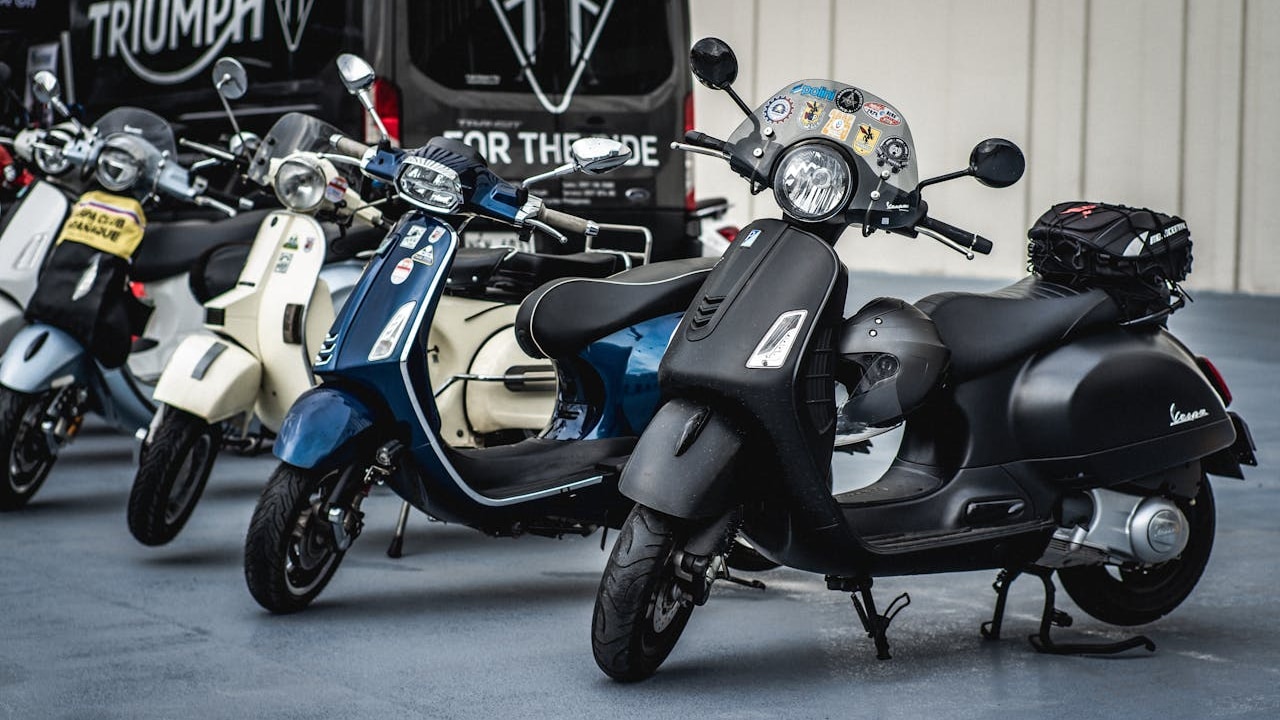
Zero License Electric Vehicles For Everyday Travel
Electric mobility is no longer a distant concept reserved for seasoned riders or licensed drivers. Today, zero license electric vehicles are changing how people approach short-distance commuting, daily errands, and quick urban travel. Designed for ease, safety, and efficiency, these vehicles remove traditional entry barriers associated with motorised transport. With rising fuel costs and growing environmental awareness, more users are seeking convenient alternatives that fit seamlessly into everyday routines. Zero license electric options offer that balance of independence, affordability, and modern convenience.
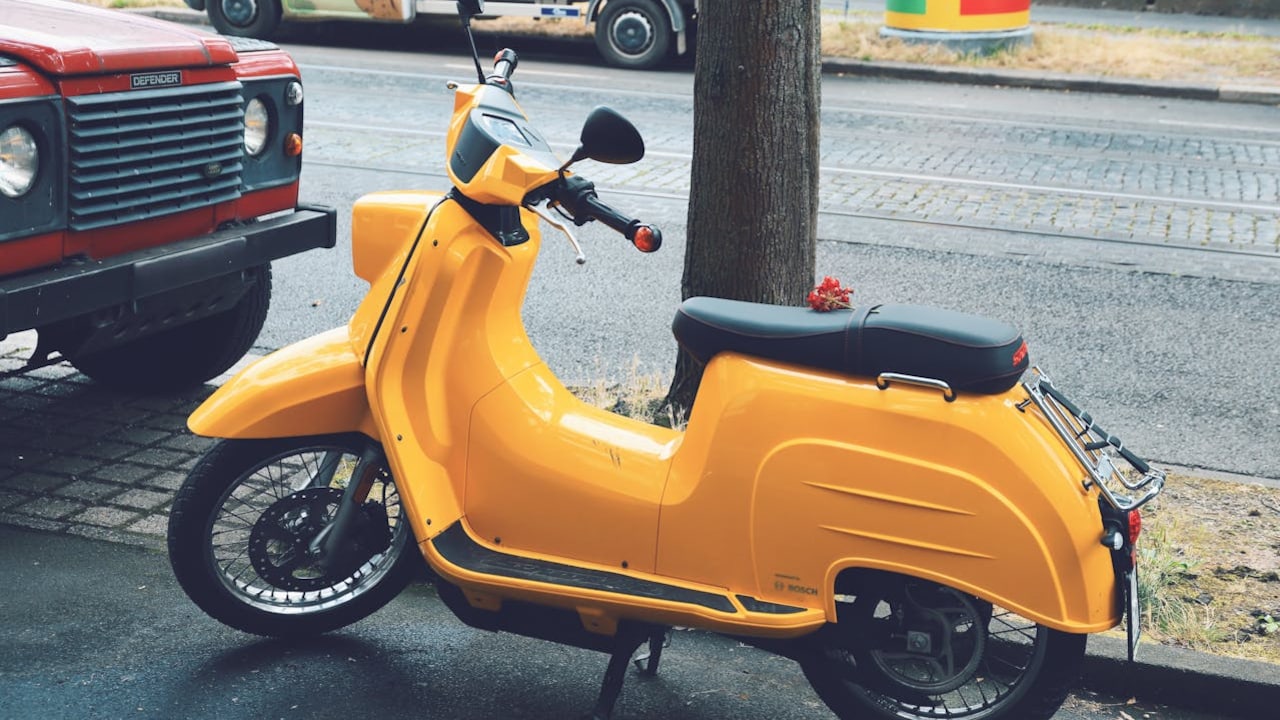
Zero License Electric Vehicles For Everyday Travel
Photo Credit: Pexels
Choosing the right electric vehicle can feel overwhelming without clear guidance. From battery range to riding comfort, several factors influence everyday usability. Let's have a look at the thoughtfully designed zero license electric models that focus on practicality rather than complexity. Whether you are a student, a senior citizen, or someone looking for a hassle-free secondary ride, understanding these options helps you make informed decisions. Read on to explore key features, suitability, and comparisons that simplify your electric journey from the very beginning.
| Product Name | Special Feature | Suitable For | User Rating | Price |
|---|---|---|---|---|
| Electric Ride Model One | Lightweight Frame | Short Daily Commutes | 4.3 | ₹56,500 |
| Urban E-Mobility Model Two | Quick Charging Battery | Students And Beginners | 3.5 | ₹39,999 |
| City Glide Model Three | Compact Design | Crowded City Travel | 5.0 | ₹62,499 |
| Daily Move Model Four | Stable Ride Quality | Senior And Casual Users | 3.8 | ₹59,900 |
These electric options focus on accessibility, comfort, and simplicity, making everyday travel easier without licensing complications for diverse user groups.
Also Read: Upgrade Your Drive: 5 Car Gadgets Every Driver Needs Today
Top Zero License Electric Vehicles For Effortless Daily Travel
Zero license electric vehicles appeal to users seeking stress-free mobility without paperwork or complex learning curves, while still supporting sustainable urban transport needs.
1. Electric Ride Model One For Effortless Daily Use
This model prioritises ease of handling and consistent performance for short trips. It suits users who want straightforward electric travel without technical distractions or steep learning curves.
Key Features
- Lightweight construction
- Smooth acceleration
- User-friendly controls
- Reliable braking system
- Compact storage footprint
2. Urban E-Mobility Model Two For New Riders
Designed with beginners in mind, this vehicle balances safety and simplicity. Its thoughtful build supports confidence during daily rides across familiar neighbourhood routes.
Key Features
- Quick charging support
- Comfortable seating
- Balanced weight distribution
- Clear digital display
- Low maintenance design
3. City Glide Model Three For Compact Travel
This model fits well into busy urban lifestyles where space and manoeuvrability matter. It supports efficient movement through tight streets and residential areas.
Key Features
- Slim body profile
- Responsive steering
- Durable tyres
- Energy-efficient motor
- Easy parking compatibility
4. Daily Move Model Four For Relaxed Commuting
Focused on stability and comfort, this option suits riders who value smooth travel over speed. It supports consistent daily use with minimal physical strain.
Key Features
- Stable ride geometry
- Cushioned seat support
- Predictable handling
- Simple charging process
- Long-lasting build quality
Zero license electric vehicles represent a practical step toward accessible and responsible mobility. By removing licensing barriers, these models invite a wider audience to experience electric travel without stress or complexity. Each option highlighted focuses on comfort, usability, and everyday reliability rather than overwhelming features. For short commutes, local errands, or relaxed rides, they offer a sensible alternative to traditional transport. Choosing the right model depends on personal needs, but the core benefit remains the same. Simple electric mobility empowers users to travel freely, confidently, and sustainably.
Frequently Asked Questions (FAQs)
Q1. What does zero license electric vehicle mean?
A zero license electric vehicle can be used without holding a driving licence. These vehicles are typically designed for controlled speeds and short-distance travel.
Q2. Are zero license electric vehicles safe for daily use?
Yes, they are built with safety-focused features such as stable frames and predictable controls. Proper usage and basic safety awareness are still important.
Q3. How far can these electric vehicles travel on one charge?
The range varies by model and usage conditions. Most are intended for short daily commutes and local errands rather than long-distance travel.
Q4. Who should consider buying a zero license electric vehicle?
They suit students, senior users, and anyone seeking easy urban mobility. They are also useful as secondary vehicles for household travel.
Q5. Do these vehicles require regular maintenance?
Maintenance needs are generally low compared to fuel-based options. Periodic battery checks and basic servicing help ensure consistent performance.
(Disclaimer: This article may include references to or features of products and services made available through affiliate marketing campaigns. NDTV Convergence Limited (“NDTV”) strives to maintain editorial independence while participating in such campaigns. NDTV does not assume responsibility for the performance or claims of any featured products or services.)