10 Everyday Habits That Cause Dry Skin And What to Do Instead
Dry, flaky skin often starts with everyday habits. This article highlights ten common mistakes that steal moisture from the skin and offers simple, practical alternatives for healthier, hydrated skin.

10 Everyday Habits To Avoid Drying Out Your Skin And What To Follow Instead.
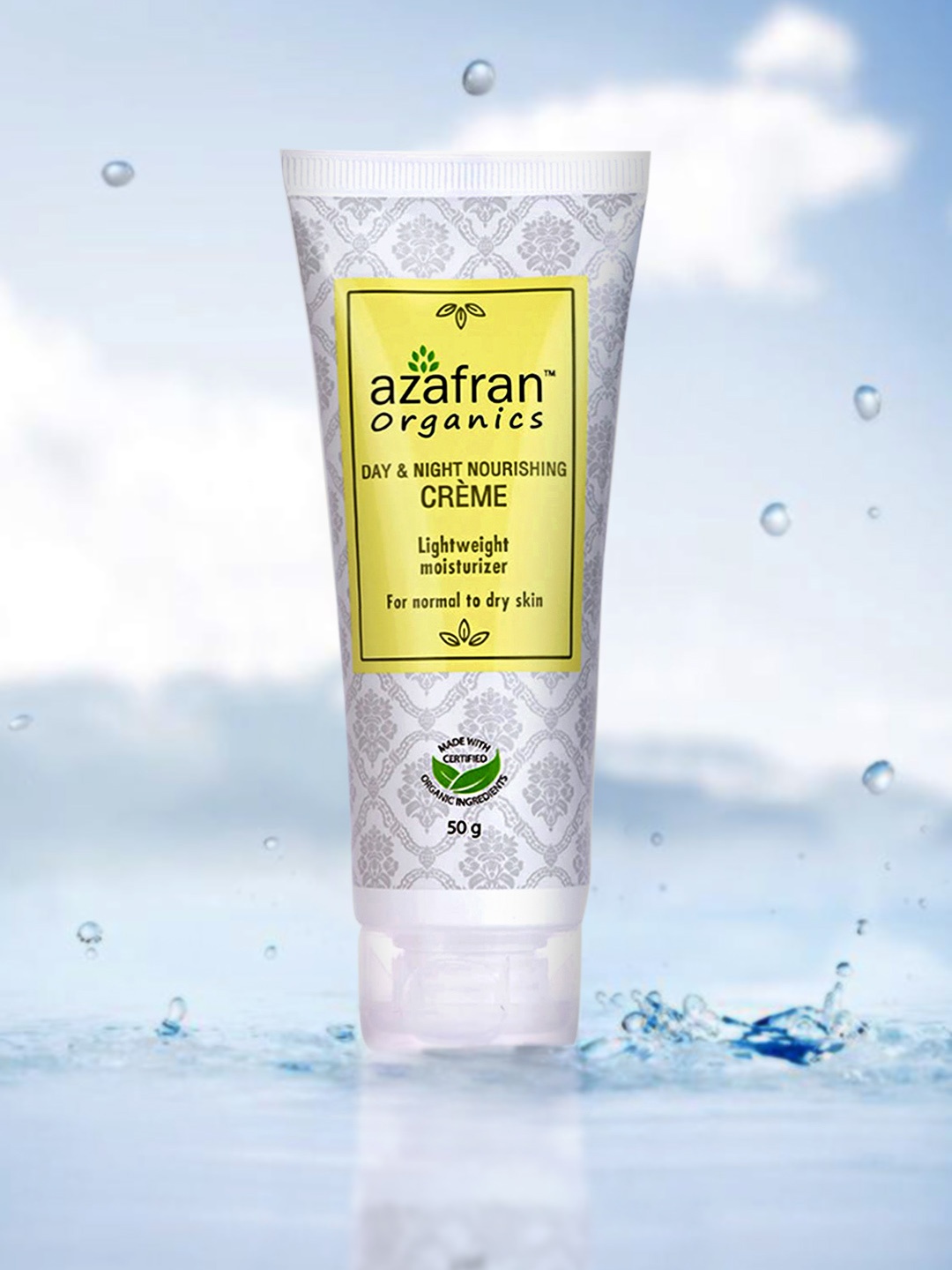
Skin rarely dries out overnight. It happens slowly, habit by habit, often without notice. One day, the face feels tight after washing. A week later, makeup settles into patches. Soon, even generous amounts of cream seem to vanish within minutes. Busy mornings, long workdays, air-conditioned rooms, and quick fixes shape modern routines. Many of these routines, while convenient, disrupt the skin's natural balance. Moisture escapes, the barrier weakens, and dryness becomes the new normal.
Good skin care does not require expensive serums or complicated routines. This guide explores 10 habits that cause dry skin. We also explore what to do instead and provide smarter alternatives.

10 Everyday Habits That Cause Dry Skin And What to Do Instead
Photo Credit: Pexels
Top Daily Habits Your Skin Is Quietly Reacting To
1. Washing the Face with Hot Water
Hot water feels comforting, especially after a long day or an early morning. Steam relaxes muscles and wakes sleepy senses. Sadly, skin pays the price. Hot water strips away natural oils that protect and hydrate the skin. Over time, this habit weakens the skin barrier, leading to tightness, redness, and flaking.
Many people believe hot water cleans better. In reality, lukewarm water cleans just as effectively without damaging delicate facial skin. Hot showers also worsen conditions like eczema and sensitivity, especially when taken daily.
What To Do Instead:
Switch to lukewarm water for both face washing and showers. Keep showers short, ideally under ten minutes. After cleansing, pat the skin dry rather than rubbing it with a towel. This simple change helps retain moisture and reduces irritation.
2. Over-Cleansing the Skin
Clean skin feels fresh. Clean skin twice or thrice a day, however, feels dry and irritated. Many routines involve face washes in the morning, after work, post-workout, and before bed. Each wash removes not only dirt but also essential oils.
Foaming cleansers and strong gels worsen the problem, especially for dry or combination skin. The skin responds by producing less oil over time, making dryness persistent rather than temporary.
What To Do Instead:
Limit cleansing to twice a day. Choose a gentle, sulphate-free cleanser that does not leave the skin feeling tight. On days spent mostly indoors, a simple water rinse in the morning works well. Save proper cleansing for the evening when sunscreen and pollution need removal.
3. Skipping Moisturiser Because of Oily Skin
Oily skin often leads to fear of moisturisers. Many avoid creams thinking they will clog pores or cause breakouts. In truth, skipping moisturiser forces the skin to produce even more oil to compensate for dehydration.
Dryness and oiliness can exist together. Dehydrated skin often feels greasy on the surface but tight underneath. This imbalance triggers breakouts and uneven texture.
What To Do Instead:
Use a lightweight, gel-based or water-based moisturiser. Look for ingredients like hyaluronic acid or glycerin. Apply moisturiser on damp skin to lock in hydration. Balanced moisture reduces excess oil production and improves overall skin texture.
4. Using Harsh Soaps on the Body
Many bath soaps prioritise fragrance and foam over skin health. These soaps disrupt the skin's pH and strip moisture aggressively. The result appears as itchy arms, flaky legs, and tightness after bathing.
This issue worsens in hard water areas where minerals already dry out the skin. Daily use of harsh soaps gradually damages the skin barrier.
What To Do Instead:
Switch to mild, moisturising body cleansers or syndet bars. Use soap only where necessary rather than over the entire body. After bathing, apply body lotion while the skin still feels slightly damp. This habit seals moisture effectively.
5. Ignoring Sunscreen on Cloudy Days
Sun exposure dries out the skin even when the sky looks grey. Ultraviolet rays penetrate clouds and damage the skin barrier silently. Many associate sunscreen only with tanning or beach holidays, ignoring daily protection.
Long-term sun damage leads to dryness, fine lines, and uneven texture. Indoor exposure near windows also contributes to moisture loss.
What To Do Instead:
Use sunscreen daily, regardless of the weather. Choose a broad-spectrum formula with moisturising ingredients. Apply it as the final step of the morning routine. Regular use protects the skin barrier and preserves hydration.
6. Drinking Too Little Water During Busy Days
Long work hours, endless meetings, and constant tea breaks often replace proper hydration. Skin reflects internal dehydration quickly. Dullness, tightness, and flaky patches signal that the body needs water.
While moisturisers help externally, they cannot replace internal hydration. Dry skin often improves noticeably when water intake increases.
Also Read: Hyphen Skincare Gets Massive Price Cut On Amazon Wardrobe Refresh Sale | Check Price Range Here
What To Do Instead:
Sip water throughout the day rather than waiting for thirst. Keep a bottle nearby at work. Include water-rich foods like fruits and vegetables in meals. Proper hydration supports skin elasticity and glow naturally.
7. Overusing Exfoliation Products
Scrubs, peels, and exfoliating acids promise instant glow. Overuse delivers the opposite. Frequent exfoliation removes protective layers and increases sensitivity. Dryness worsens as the skin struggles to recover.
Many believe tingling equals effectiveness. In reality, irritation often signals damage. Over-exfoliated skin appears shiny yet feels tight and uncomfortable.
What To Do Instead:
Limit physical exfoliation to once a week. Use gentle chemical exfoliants no more than twice weekly. Always follow exfoliation with moisturiser. Healthy skin renewal happens gradually, not overnight.
8. Sitting in Air-Conditioned Rooms All Day
Air-conditioners remove humidity from the air. While they provide comfort, they dry out the skin steadily. Office environments often combine cold air with long screen time, worsening dehydration.
Lips crack, hands feel rough, and facial skin loses elasticity. Many notice dryness intensifying during workdays compared to weekends.

10 Everyday Habits That Cause Dry Skin And What to Do Instead
Photo Credit: Pexels
What To Do Instead:
Use a richer moisturiser during the day when indoors for long hours. Keep a lip balm and hand cream handy. If possible, add indoor plants or bowls of water to increase humidity slightly.
9. Forgetting Night-Time Skin Care
Evenings often end with exhaustion. Skipping nighttime skin care feels harmless. Unfortunately, night is when the skin repairs itself. Sleeping with dry, unprotected skin limits recovery.
Cleansing without moisturising leaves the skin exposed overnight. Air-conditioning and ceiling fans further dry it out.
What To Do Instead:
Adopt a simple night routine. Cleanse gently and apply a nourishing moisturiser or sleeping mask. Consistency matters more than complexity. Well-hydrated skin in the morning begins with care at night.
10. Relying Only on Products and Ignoring Lifestyle
Skincare shelves overflow with promises. Many chase products while ignoring sleep, stress, and diet. Poor sleep and high stress disrupt hormones that affect skin hydration. Excess caffeine and salty snacks worsen dryness.
Skin reflects overall health. Products support good habits but cannot replace them.
What To Do Instead:
Prioritise adequate sleep and balanced meals. Manage stress through movement or relaxation techniques. Enjoy skincare as self-care rather than a quick fix. A calm body supports healthy, hydrated skin naturally.
Products Related To This Article
1. Neutrogena Hydro Boost Hyaluronic Acid Face Moisturizer 50ml
2. Minimalist Barrier Repair Face Moisturizer with Vitamin B12 Complex 5.5% with Ceramides for All Skin Types
3. Dot & Key Barrier Repair Moisturizer For Normal
4. Parachute Advansed Deep Nourish Body Lotion for Women & Men
5. CeraVe Moisturizing Cream For Dry To Very Dry Skin
6. Lakmé Peach Milk Moisturiser SPF 30 with 2% Pro-Ceramide
7. NIVEA Nourishing Body Milk 600ml Body Lotion with Hyaluronic Acid
Dry skin rarely results from a single mistake. It develops quietly through daily habits repeated without thought. Hot showers, skipped moisturiser, long indoor hours, and rushed routines all contribute piece by piece. Gentler cleansing, mindful hydration, daily protection, and consistent moisturising restore balance over time. Skin responds kindly to patience and care. Healthy skin does not demand perfection. Replace drying habits with nourishing ones, and the skin reflects the effort.
(Disclaimer: This article may include references to or features of products and services made available through affiliate marketing campaigns. NDTV Convergence Limited (“NDTV”) strives to maintain editorial independence while participating in such campaigns. NDTV does not assume responsibility for the performance or claims of any featured products or services.)