How To Use Leave-In Conditioners For Frizz Control In Humidity
Humidity can turn smooth hair into instant frizz. Learn how to use leave-in conditioners the right way to lock in moisture, tame flyaways, and keep hair manageable even on the stickiest days.
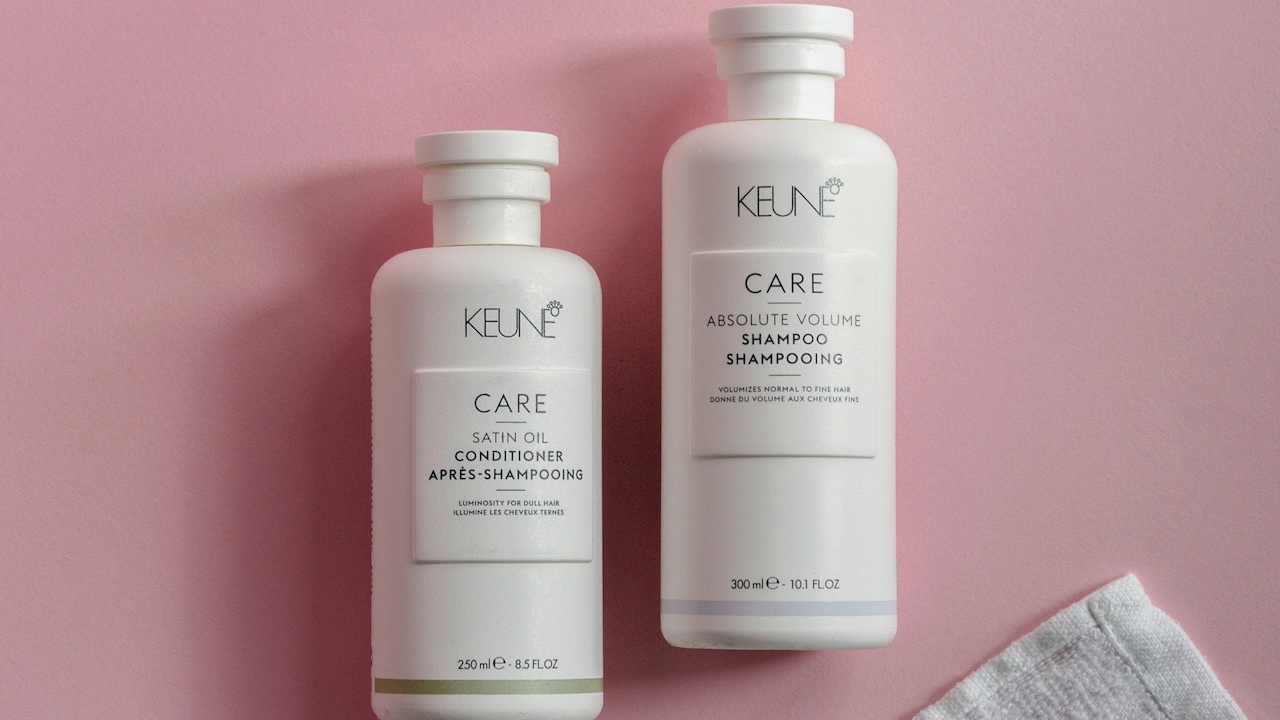
How To Use Leave-In Conditioner For Frizz Control In Humid Weather: A Complete Haircare Guide.
Humidity rarely arrives quietly. It creeps into morning routines, fogs mirrors, and transforms freshly styled hair into a cloud of frizz before stepping out of the house. Anyone who has waited for a local train during monsoon season or walked through coastal air understands the struggle. Hair absorbs moisture from the environment, causing strands to swell unevenly. The result often looks less like effortless volume and more like chaos.
Many people respond by using heavier oils or repeated washing, hoping to tame the situation. Ironically, both approaches can worsen frizz. Hair that lacks balanced hydration becomes porous, allowing humidity to sneak in easily. This is where leave-in conditioners change the story.
Unlike rinse-out conditioners, leave-ins remain on the hair, working quietly throughout the day. They hydrate, smooth the cuticle, and form a lightweight barrier against moisture. Used properly, they reduce frizz without flattening natural texture. Yet success depends less on the product itself and more on how it is used.
Understanding technique, timing, and quantity transforms a simple bottle into a powerful styling ally. The sections ahead explore practical ways to make leave-in conditioners work effectively, especially when humidity refuses to cooperate.
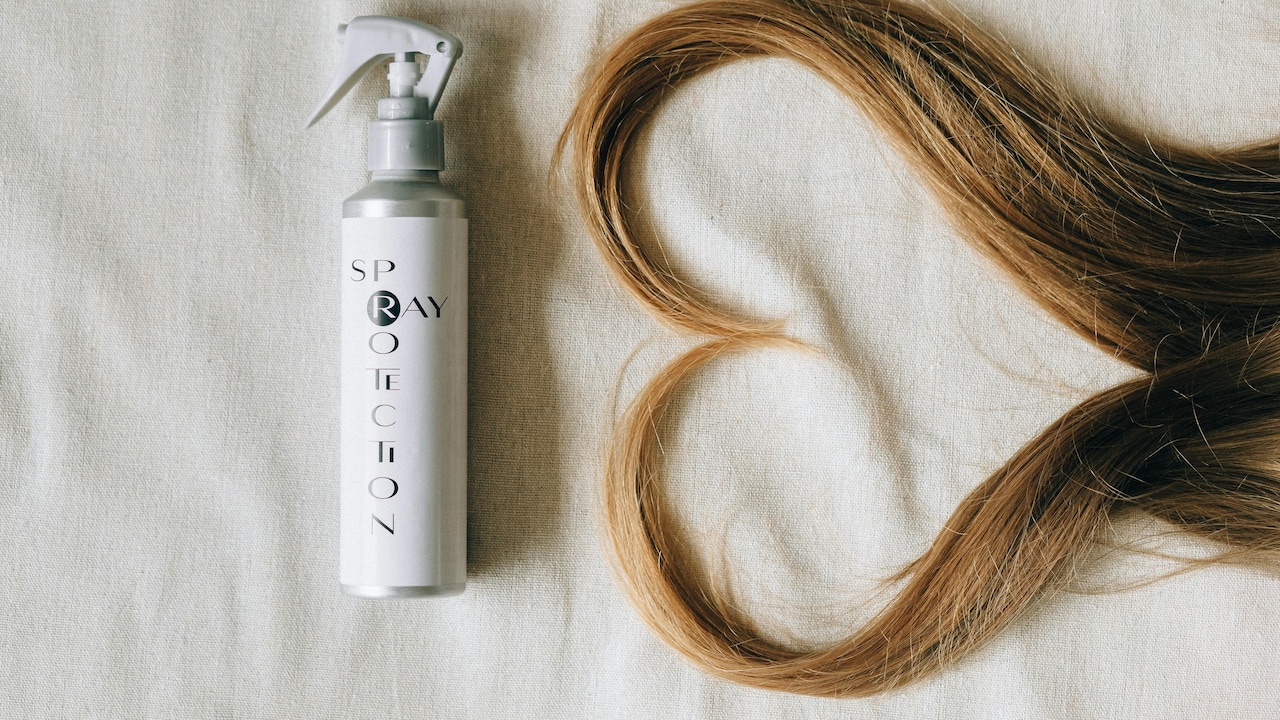
How To Use Leave-In Conditioners For Frizz Control In Humidity
Photo Credit: Pexels
Smart Hair Habits That Keep Frizz Under Control When Humidity Rises
Understanding Why Humidity Causes Frizz
Humidity affects hair because of its natural structure. Each strand contains hydrogen bonds that react to moisture in the air. When humidity rises, hair absorbs water molecules, disrupting styling patterns created by brushing or heat tools. Straight hair bends unpredictably, while curls expand beyond intention.
Porous hair suffers the most. Damage from heat styling, colouring, or harsh shampoos lifts the hair cuticle, allowing moisture to enter easily. Think of it like a sponge left near a sink. The more open the surface, the faster it absorbs water.
Weather patterns across coastal cities and monsoon-heavy regions amplify this effect. A person may leave home with smooth hair at 8 a.m., only to encounter puffiness by lunchtime. Many blame products, yet the real issue lies in protection rather than styling strength.
Leave-in conditioners work by sealing the cuticle lightly. Instead of fighting humidity aggressively, they balance moisture levels within the strand. Hair that feels hydrated internally resists absorbing excess water from the environment. The science sounds complex, yet the outcome feels simple: softer texture, controlled volume, and fewer surprise flyaways during a long day outdoors.
Choosing The Right Leave-In Conditioner For Your Hair Type
Not all leave-in conditioners behave the same way. Selecting one without considering hair type often leads to disappointment. Fine hair may look greasy, while thick curls may remain frizzy despite generous application.
Lightweight sprays suit fine or straight hair because they hydrate without weighing strands down. Cream-based formulas work better for wavy or curly textures, offering richer moisture. Coarse or chemically treated hair benefits from products containing nourishing ingredients like shea butter or plant oils.
Climate also matters. In humid regions, heavy silicone layers can sometimes trap sweat and feel uncomfortable. Balanced formulas with humectants and lightweight oils perform better during long, sticky days.
Budget rarely needs to become a barrier. Effective leave-ins exist across price ranges, from ₹300 pharmacy finds to salon-grade options around ₹1,500. The key lies in ingredient compatibility rather than brand prestige.
Reading labels helps decode marketing claims. Words such as “anti-frizz”, “humidity shield”, or “moisture lock” often indicate film-forming ingredients that protect strands. Choosing thoughtfully ensures the product complements hair rather than competing with it.
Applying Leave-In Conditioner On Damp Hair For Best Results
Timing determines effectiveness more than quantity. Leave-in conditioner performs best on damp hair because moisture helps distribute the product evenly. Applying it to dry hair often causes patchiness and buildup.
After washing, gently squeeze excess water using a cotton T-shirt or microfiber towel instead of rubbing with a regular towel. Rough drying raises the cuticle, inviting frizz even before styling begins. Hair should feel damp, not dripping.
A small amount usually works better than expected. Start with a coin-sized portion and warm it between palms before application. Spread the product through mid-lengths and ends rather than the scalp. Roots naturally produce oil and rarely need additional conditioning.
Combing with fingers or a wide-tooth comb helps distribute the formula evenly. This step prevents concentrated spots that may look greasy later in the day. Many notice immediate softness, yet the real benefit appears hours later when humidity rises, and hair remains calmer than usual.
Consistency transforms results. Repeating this routine after every wash gradually improves texture and manageability.
Using The Right Quantity Without Overloading Hair
More product rarely equals better control. Overapplication ranks among the most common mistakes with leave-in conditioners. Hair overloaded with product attracts dust, feels sticky, and may even appear frizzier as buildup accumulates.
Hair length and density guide the correct amount. Short hair needs barely a pea-sized quantity, while long or thick hair may require two small pumps. Starting small allows adjustment without risking heaviness.
Weather intensity also influences usage. During peak monsoon days, slightly increasing the amount on the ends can improve protection. On milder days, a lighter application maintains bounce.
A helpful approach involves layering gradually. Apply a small amount, observe the texture after drying, and add a tiny bit more only if necessary. This method mirrors seasoning food; adding slowly creates balance, while excess becomes difficult to fix.
People often assume frizz signals dryness alone. Sometimes it indicates product overload, preventing proper moisture balance. Finding the right quantity allows hair to move naturally while staying protected against humid air.
Focusing On Mid-Lengths And Ends Instead Of Roots
Roots and ends behave differently. The scalp produces natural oils that travel downward, though not always evenly. Applying leave-in conditioner directly to roots disrupts this balance and may create a flat or greasy appearance.
Mid-lengths and ends experience the most dryness because they endure sun exposure, pollution, and friction from clothing. These sections absorb humidity quickly, making them prime targets for frizz control.
Sectioning hair before application improves precision. Dividing hair into two or four parts ensures even coverage without excessive product use. Gently scrunching the ends encourages natural texture while helping the conditioner penetrate evenly.
Those with shorter layers sometimes worry about missing sections. Running lightly coated fingers through hair solves this issue without overloading the scalp area.
The difference becomes noticeable within hours. Hair retains movement near the roots while ends appear smoother and more defined. This balance creates a natural finish rather than the stiff, over-conditioned look many fear.
Combining Leave-In Conditioner With Proper Drying Techniques
Application alone cannot defeat humidity. Drying technique plays an equally important role. Rough handling after applying leave-in conditioner disrupts the protective layer created on the hair surface.
Air drying works beautifully when patience allows. Scrunching gently and avoiding frequent touching prevents frizz formation. Constantly adjusting hair while it dries encourages cuticle disruption.
When using a hairdryer, a diffuser attachment distributes airflow evenly. Medium heat and low speed minimise disturbance. Ending with a cool air setting helps seal the cuticle, enhancing the conditioner's smoothing effect.
Cotton pillowcases and regular towels often create friction. Switching to softer fabrics reduces overnight frizz significantly. Small adjustments like these amplify the benefits of leave-in products.
Many notice that styling time decreases once drying habits improve. Hair begins cooperating rather than resisting, making mornings feel less rushed, especially during humid seasons when every extra minute counts.
Layering Leave-In Conditioner With Other Styling Products
Leave-in conditioners rarely work alone. They perform best as the foundation of a styling routine. Layering compatible products enhances frizz control without creating heaviness.
Applying a lightweight serum or gel after leave-in conditioner locks moisture effectively. The leave-in hydrates internally, while the styling product seals externally. This combination creates lasting smoothness even during long commutes or outdoor events.
Order matters greatly. Leave-in conditioner always goes first because it prepares the hair. Applying heavier products beforehand blocks absorption and reduces effectiveness.
Texture preference guides layering choices. Those who enjoy defined curls may follow with curl cream, while individuals seeking sleekness may prefer smoothing serum. Experimentation helps discover the ideal pairing.
Balanced layering feels similar to skincare routines. Each step supports the next, creating cumulative benefits rather than instant transformation. Over time, hair responds with improved shine and reduced frizz, even when humidity levels remain stubbornly high.
Refreshing Hair Between Wash Days Using Leave-In Conditioner
Humidity rarely respects wash schedules. Hair may appear frizzy on the second or third day despite careful styling earlier. Leave-in conditioner doubles as a refresh tool between washes.
Diluting a small amount with water in palms or a spray bottle creates a lightweight mist. Applying it gently revives curls and smooths flyaways without restarting the entire routine. This trick works especially well before stepping out into damp evening air.
Focusing on dry or frizzy areas prevents unnecessary buildup. Scrunching lightly restores shape while maintaining softness. The process takes less than five minutes yet dramatically improves appearance.
Busy mornings benefit from this shortcut. Instead of heat styling daily, refreshing with leave-in conditioner protects hair health while saving time. Reduced heat exposure gradually strengthens strands, making them less reactive to humidity over weeks.
Consistency again proves essential. Small touch-ups maintain control better than occasional heavy applications.
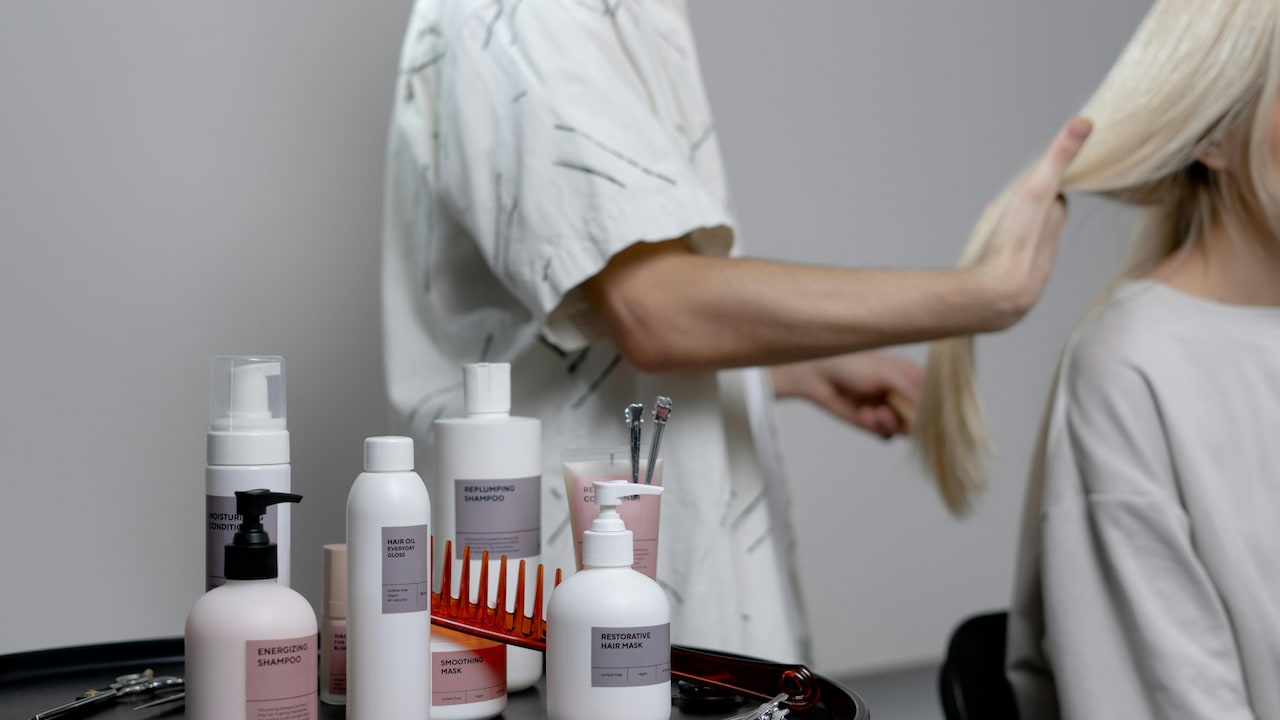
How To Use Leave-In Conditioners For Frizz Control In Humidity
Photo Credit: Pexels
Avoiding Common Mistakes That Increase Frizz
Even effective products fail when paired with incorrect habits. Applying leave-in conditioner on soaking wet hair dilutes its formula, reducing protective ability. Using too much product leads to limp strands that attract moisture instead of resisting it.
Skipping regular cleansing also creates issues. Product buildup prevents leave-ins from absorbing properly. A gentle clarifying wash every few weeks restores balance and improves performance.
Heat styling without protection cancels many benefits. High temperatures damage the cuticle, reopening pathways for humidity. Pairing leave-in conditioner with heat protection maintains long-term results.
Another overlooked mistake involves constant hair touching. Hands transfer moisture and oils, encouraging frizz formation throughout the day. Leaving hair undisturbed allows products to perform effectively.
Recognising these habits often produces faster improvement than changing products repeatedly. Sometimes the solution lies in technique rather than shopping for another bottle.
Building A Consistent Routine For Long-Term Frizz Control
Frizz control rarely comes from a single application. Hair responds gradually to consistent care. Establishing a simple routine makes leave-in conditioners far more effective over time.
Regular washing with gentle shampoo, followed by conditioner and leave-in application, creates predictable hydration levels. Hair begins retaining moisture evenly, reducing sensitivity to humid air.
Seasonal adjustments help maintain results. During monsoon months, slightly richer formulas offer extra protection. During drier periods, lighter textures prevent buildup.
Lifestyle habits also contribute. Balanced nutrition, adequate hydration, and reduced heat styling strengthen hair internally. Healthy strands resist humidity naturally, requiring less intervention.
Over weeks, many notice fewer bad hair days. Styling becomes quicker, confidence increases, and unexpected weather changes feel less intimidating. Leave-in conditioner shifts from emergency solution to everyday essential, quietly supporting manageable hair regardless of the climate.
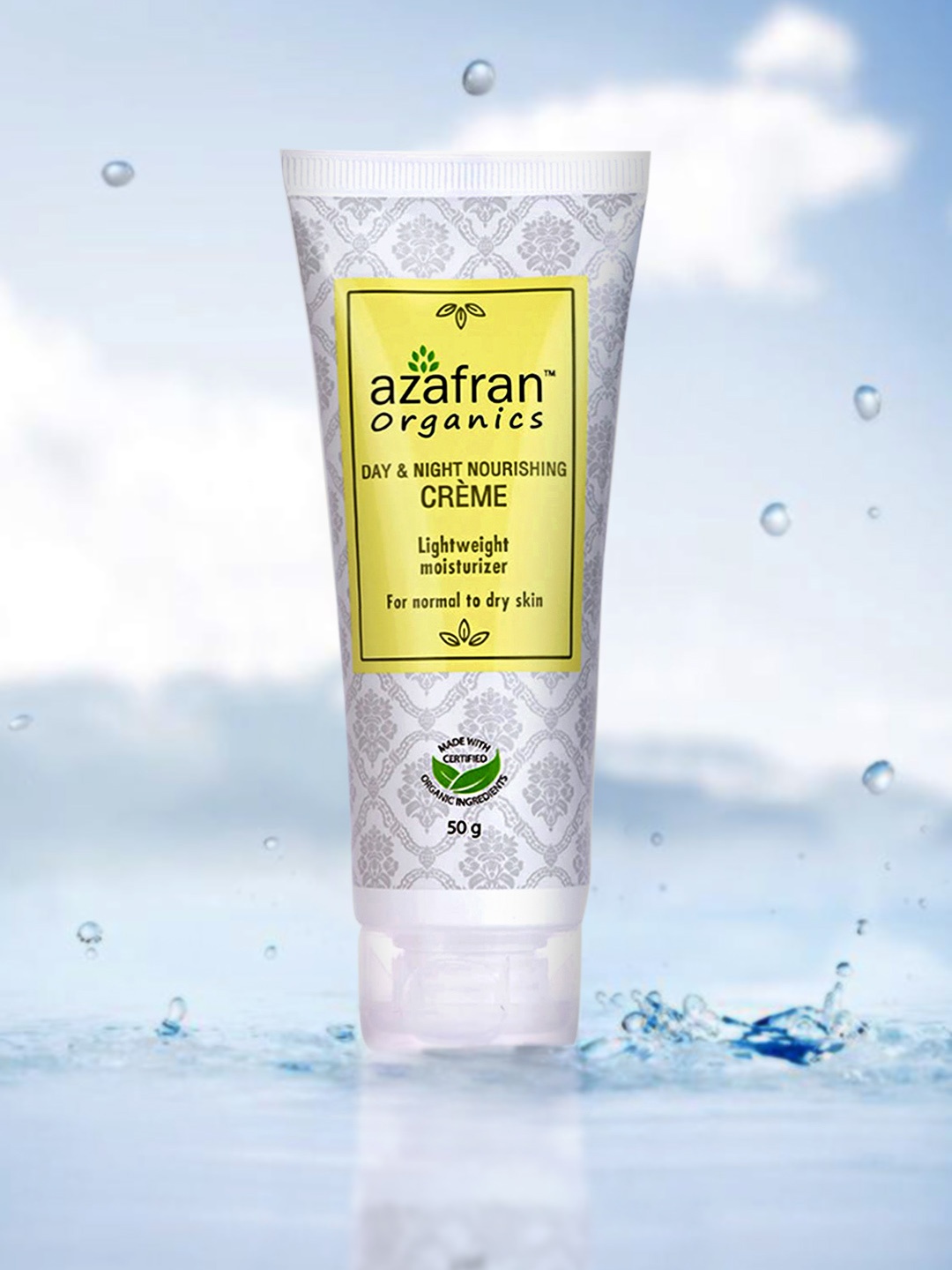
Products Related To This Article
1. Love Beauty & Planet Rice Water & Angelica Seed Oil Leave-in Conditioner
2. Bare Anatomy Curl Intensifying Leave In Conditioner Cream
3. MANETAIN Frizz Control Leave-!n Conditioner
4. ARATA Advanced Curl Care Leave-In Hair Conditioner
5. TRUe FRoG Leave In Conditioner with Baobab Oil & Hibiscus Extract for Curly Hair
6. OUAI Travel Size Leave In Conditioner
Humidity may remain unavoidable, yet frizz does not need to dominate daily life. Leave-in conditioners offer a practical, accessible way to manage hair without complicated routines or expensive treatments. Success depends on understanding hair behaviour, choosing suitable formulas, and applying them with care.
Small adjustments, from using the right quantity to improving drying habits, create noticeable differences. Over time, hair becomes more resilient, smoother, and easier to style even on the stickiest days.
Rather than fighting humidity endlessly, the smarter approach involves working with hair's natural needs. Leave-in conditioners provide that balance, turning unpredictable weather into a manageable challenge. With patience and consistency, frizz transforms from a daily frustration into a minor concern, leaving more energy for enjoying the season instead of battling it.
(Disclaimer: This article may include references to or features of products and services made available through affiliate marketing campaigns. NDTV Convergence Limited (“NDTV”) strives to maintain editorial independence while participating in such campaigns. NDTV does not assume responsibility for the performance or claims of any featured products or services.)