How To Use Scalp Scrubs And Product Build-Up Removal
Scalp scrubs help remove product build-up, refresh roots, and improve hair health when used correctly. Learn how to exfoliate the scalp safely, choose the right scrub, and avoid common mistakes for cleaner, stronger hair.
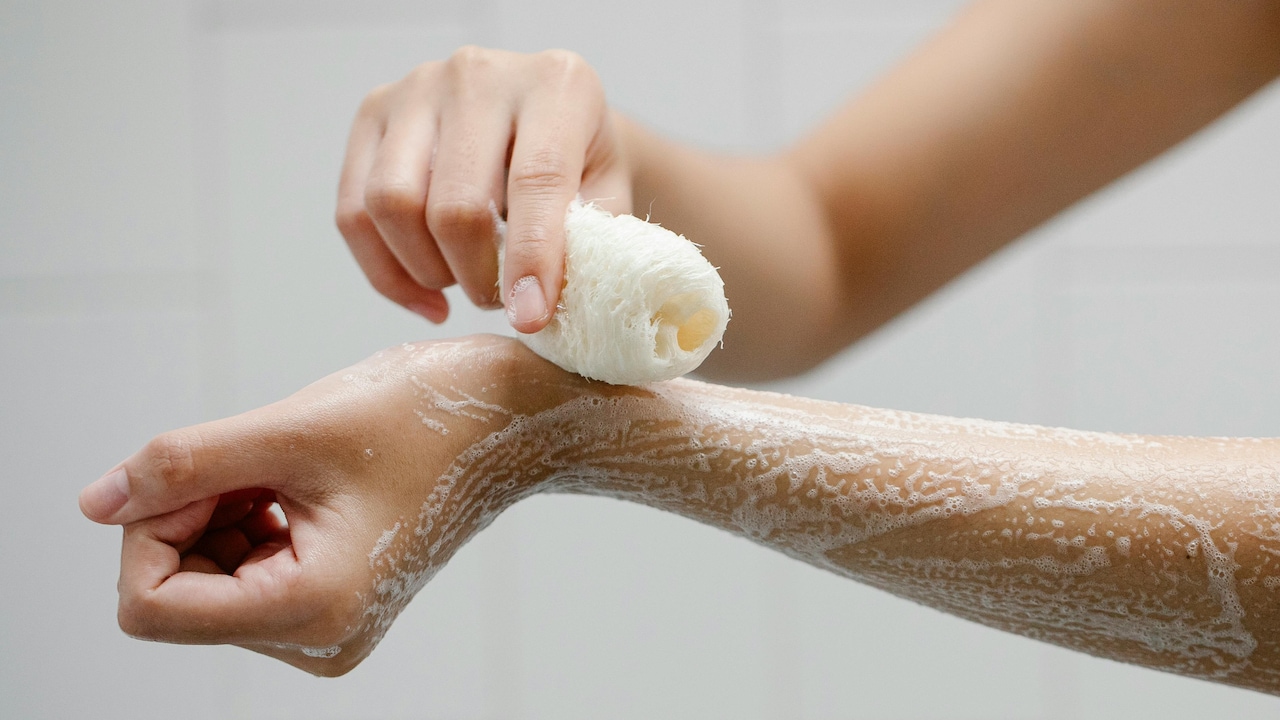
Scalp Scrubs Explained: The Right Way To Remove Product Build-Up And Refresh Your Roots.
Haircare conversations usually revolve around shine, length, or frizz control. Shelves overflow with shampoos promising miracle transformations, while conditioners boast silk-like smoothness. Meanwhile, the scalp, the very foundation of hair health, receives attention only when dandruff appears or itching becomes unbearable.
Daily life adds layers to the scalp without notice. Heat, humidity, dust from crowded streets, helmet use during long commutes, dry shampoo before rushed meetings, and generous amounts of styling products all settle quietly at the roots. Over time, these layers form product build-up, clogging follicles and dulling hair vitality.
Enter scalp scrubs. Once limited to luxury salons, they now sit comfortably beside everyday shampoos. These exfoliating treatments work much like face scrubs but demand a gentler, smarter approach. Used correctly, they refresh the scalp, restore balance, and allow haircare products to perform better. Used incorrectly, they may irritate or dry out the skin.
Understanding the science and rhythm behind scalp exfoliation transforms it from a trend into a sustainable habit. This article explores practical ways to use scalp scrubs effectively while removing stubborn product build-up, all through relatable routines and realistic expectations.
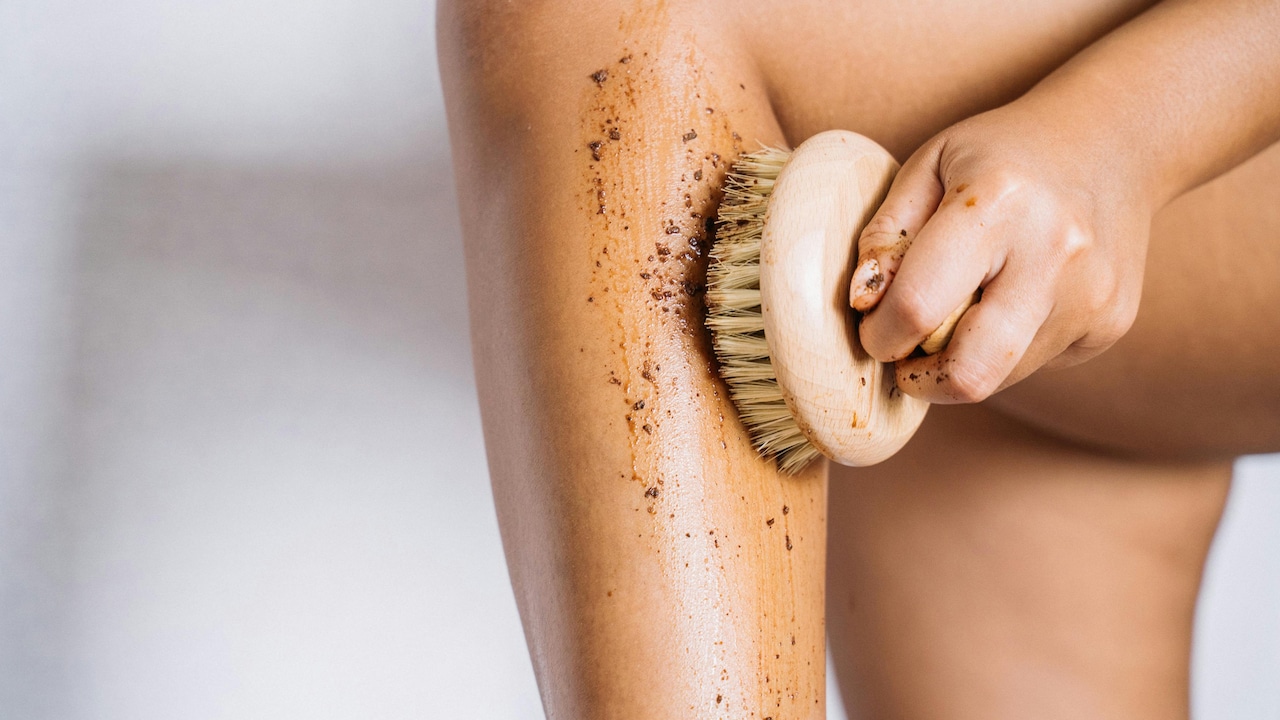
How To Use Scalp Scrubs And Product Build-Up Removal
Photo Credit: Pexels
A Practical Guide To Scalp Scrubs And Build-Up Removal
Why Product Build-Up Happens Faster Than Expected
Modern routines unknowingly encourage residue accumulation. Leave-in conditioners promise smoothness, hair sprays lock styles in place, and serums tame flyaways before social gatherings. Each product performs its job well, yet traces remain even after shampooing.
Hard water contributes silently to the problem. Minerals settle onto strands, creating a film that shampoo alone struggles to remove. Add sweat from humid afternoons or crowded train journeys, and the scalp begins to feel heavy long before hair actually looks dirty.
Build-up rarely announces itself dramatically. Instead, subtle signs appear. Hair feels limp despite washing. Roots look greasy by evening. Volume disappears within hours. Some experience itchiness that refuses to fade even after switching shampoos.
Many mistake these symptoms for dryness or hair fall issues and add more products, worsening the cycle. The scalp then resembles soil packed too tightly for plants to grow freely. Without occasional exfoliation, follicles struggle to breathe.
Scalp scrubs address this accumulation by loosening debris and lifting residue gently. They reset the environment, allowing shampoo to cleanse more effectively. Understanding why build-up occurs prevents overreaction and encourages balanced care rather than constant product switching.
Understanding What A Scalp Scrub Actually Does
A scalp scrub performs two important tasks: physical exfoliation and chemical renewal. Tiny exfoliating particles or mild acids remove dead skin cells and stubborn residue that regular shampoo misses. The process feels refreshing, almost like opening windows after weeks of closed doors.
Physical scrubs use fine granules such as sugar, salt, or biodegradable beads. These particles massage away flakes and dirt. Chemical exfoliants, often made with gentle acids, dissolve oil and product layers without aggressive rubbing.
The goal never involves harsh cleansing. The scalp produces natural oils essential for protection and hydration. Over-scrubbing strips these oils and triggers excess oil production as the skin attempts to compensate.
When used properly, scalp scrubs improve circulation through massage. Better circulation supports healthier follicles and may enhance hair strength over time. Many notice improved volume because roots lift more easily once the residue disappears.
Think of it as decluttering a wardrobe. Clothes fit better when unnecessary items disappear. Similarly, conditioners and treatments penetrate more effectively after exfoliation. Haircare becomes simpler, often reducing the need for multiple expensive products that collectively cost more than ₹2,000 each month.
Choosing The Right Scalp Scrub For Different Hair Types
Not every scalp welcomes the same formula. Selecting the wrong scrub often leads to irritation or disappointment, causing many to abandon exfoliation altogether.
Oily scalps benefit from scrubs containing clay or salicylic acid. These ingredients regulate excess sebum without creating dryness. Those struggling with frequent oiliness after workouts or long outdoor days often notice immediate freshness.
Dry or sensitive scalps require gentler formulations with soothing ingredients like aloe vera or oat extracts. Fine sugar particles work better than coarse salt, which may feel abrasive. Comfort matters more than intensity.
Curly or textured hair needs hydrating scrubs enriched with nourishing oils. Such formulas prevent tangling while cleansing the roots. Meanwhile, chemically treated or coloured hair responds best to sulphate-free exfoliants that preserve vibrancy.
Price does not always indicate suitability. A ₹600 scrub chosen wisely often outperforms a luxury option bought purely for branding. Reading ingredient lists and understanding scalp behaviour creates better results than following trends.
Matching the scrub to scalp needs ensures consistency, and consistency ultimately produces visible improvement. Haircare succeeds when routines feel sustainable rather than complicated.
Preparing The Scalp Before Exfoliation
Preparation often determines whether a scalp scrub feels luxurious or uncomfortable. Jumping straight into exfoliation without preparation can cause tugging and uneven cleansing.
Hair should remain damp but not dripping wet. Excess water dilutes the scrub, reducing effectiveness. A gentle pre-wash rinse helps loosen surface dirt, allowing exfoliating particles to work directly on build-up rather than battling fresh grime.
Detangling beforehand prevents unnecessary pulling. Knots create resistance during massage, turning a relaxing step into frustration. A wide-tooth comb works best for this stage.
Some prefer applying a light oil thirty minutes before exfoliation, especially during colder months when dryness increases. Coconut or almond oil softens debris, making removal easier while protecting the scalp barrier.
Dividing hair into sections ensures even application. Otherwise, the product gathers near the crown while areas behind the ears remain untouched. Balanced coverage leads to balanced results.
This preparation stage transforms exfoliation into a mindful ritual rather than a rushed task squeezed between errands. Even busy mornings allow five thoughtful minutes, saving future time spent managing scalp discomfort or excessive oiliness.
The Correct Way To Apply A Scalp Scrub
Application technique matters more than product quantity. Many assume more scrub equals better cleansing, yet excessive use overwhelms the scalp.
A coin-sized amount per section usually suffices. Gentle fingertips, never nails, should massage the scrub using circular motions. Pressure should feel similar to applying moisturiser, not scrubbing kitchen utensils after a heavy meal.
Starting at the front hairline and moving backwards ensures systematic coverage. Areas near the nape often collect sweat and deserve equal attention. Slow, steady motions stimulate circulation while lifting residue effectively.
Massage for three to five minutes. Longer sessions rarely improve results and may cause irritation. The experience should feel soothing enough to encourage regular practice rather than dread.
Water activates many formulations, so adding small splashes during massage helps spread the product evenly. A mild tingling sensation feels normal, but burning signals the need to rinse immediately.
Consistency outweighs intensity. Weekly or biweekly exfoliation works better than aggressive monthly sessions. With proper technique, the scalp feels lighter, almost refreshed, like stepping outdoors after the first monsoon rain cools dusty streets.
Rinsing And Following Up With The Right Products
Rinsing determines whether exfoliation succeeds or leaves residue behind. Scrubs must wash out completely to prevent particles from lingering between strands.
Lukewarm water works best. Hot water strips natural oils and increases sensitivity, while cold water struggles to remove exfoliating grains. Gentle rinsing combined with light scalp massage ensures thorough cleansing.
A mild shampoo should follow the scrub. This step removes loosened debris and remaining oils. Skipping shampoo may leave hair heavy despite exfoliation.
Conditioner belongs mainly on mid-lengths and ends rather than the scalp itself. Applying heavy conditioner directly to freshly exfoliated skin may recreate the build-up too quickly.
After rinsing, hair often feels unusually light. Some interpret this as dryness, yet it usually signals the absence of residue. A lightweight leave-in conditioner restores softness without overwhelming roots.
Air drying whenever possible allows the scalp to recover naturally. Heat styling immediately after exfoliation may increase sensitivity. Allowing a few hours of rest helps maintain balance and comfort.
How Often Should Scalp Scrubs Be Used
Frequency remains one of the most misunderstood aspects of scalp care. Overenthusiasm often leads to overuse, especially after noticing initial results.
Oily scalps generally tolerate exfoliation once a week. Those exposed to pollution, frequent workouts, or heavy styling may benefit from this schedule. However, daily exfoliation disrupts the skin barrier and encourages rebound oiliness.
Dry or sensitive scalps thrive with less frequent sessions, usually every two to three weeks. Listening to the scalp proves more reliable than rigid schedules. Itching, heaviness, or loss of volume often indicate the right moment for exfoliation.
Seasonal changes also influence frequency. Humid summers increase sweat and oil production, while cooler months demand gentler care. Adjusting routines prevents irritation.
Haircare routines often evolve naturally. Some discover that regular exfoliation reduces reliance on multiple shampoos or treatments, saving both effort and roughly ₹1,500 annually on unnecessary purchases.
Balance remains key. The scalp behaves like skin on the face, responsive to thoughtful care yet sensitive to excess attention.
Common Mistakes That Damage The Scalp
Despite good intentions, several habits undermine scalp health. The most common mistake involves using nails instead of fingertips. Nails create micro-scratches that invite irritation and inflammation.
Another frequent error involves combining strong scrubs with clarifying shampoos on the same day. This double cleansing strips protective oils completely, leaving the scalp tight and reactive.
Applying scrubs to tangled or dry hair also creates unnecessary friction. Exfoliation should glide smoothly rather than fight resistance.
Some expect instant hair growth after one use. Scalp scrubs support healthier conditions but cannot override genetics or medical issues. Unrealistic expectations often lead to disappointment.
Ignoring ingredient sensitivity presents another risk. Fragrance-heavy formulas may trigger reactions in sensitive skin. Patch testing avoids unpleasant surprises before important occasions.
Haircare thrives on patience rather than extremes. Gentle routines repeated consistently outperform aggressive treatments that promise dramatic overnight changes.
How To Use Scalp Scrubs And Product Build-Up Removal
Photo Credit: Pexels
Natural Alternatives And DIY Options At Home
Homemade scalp scrubs appeal to those who enjoy simple kitchen solutions. Sugar mixed with yoghurt creates a mild exfoliant suitable for occasional use. The texture feels gentle while lactic acid adds subtle cleansing benefits.
Coffee grounds sometimes appear in DIY recipes, though they require caution. Their rough texture may irritate sensitive scalps. Finer ingredients usually work better.
A mixture of aloe vera gel and finely ground oats offers soothing exfoliation for dry scalps. Such combinations feel cooling after long days spent outdoors.
Cost efficiency attracts many to DIY methods. A homemade scrub often costs under ₹150, far less than commercial products. However, consistency in texture and preservation remains challenging.
Fresh preparation each time prevents bacterial growth. Stored mixtures quickly lose effectiveness and safety.
DIY solutions work best as occasional treatments rather than replacements for professionally formulated scrubs designed with balanced pH levels. Combining both approaches allows flexibility while maintaining scalp health.
Long-Term Benefits Of Regular Build-Up Removal
Consistent scalp care gradually transforms hair behaviour. Roots lift naturally, allowing styles to last longer without excessive products. Many notice improved shine because light reflects better off clean strands.
Reduced itchiness improves daily comfort. Helmets, scarves, and humid weather feel less irritating when the scalp remains balanced. Washing frequency may decrease as oil production stabilises.
Haircare routines often simplify. Fewer styling products become necessary, saving time during busy mornings. Even salon visits sometimes feel more effective because treatments penetrate more deeply.
Confidence quietly grows alongside healthier hair. Good hair days influence mood more than expected, especially before celebrations or important meetings.
The most noticeable change lies not in a dramatic transformation but in consistency. Hair behaves predictably, responding well to minimal effort. Over months, scalp scrubs shift from trendy additions to reliable essentials within a practical routine.
Products Related To This Article
1. Episkey Scalp Massager Brush Soft Silicon Bristles Men Women Green
2. Valkyrie Scalp Massager Shampoo Brush Soft Silicon Bristles Men Women Bo 35
3. Episkey Scalp Massager Brush Soft Silicon Bristles Men Women Jb 35
4. Valkyrie Scalp Massager Shampoo Brush Soft Silicon Bristles Men Women Pink
5. Havenflix Manual Head Scrubber Soft Silicone Bristles Hair Scalp Massager
Scalp scrubs represent more than a passing beauty trend. They address a fundamental truth: healthy hair begins with clean, balanced skin. Product build-up accumulates gradually through everyday living, yet thoughtful exfoliation restores clarity without complicated routines.
Success lies in moderation, proper technique, and choosing products suited to individual scalp needs. Gentle preparation, mindful application, and balanced frequency transform exfoliation into a comforting ritual rather than a corrective measure.
In a world filled with endless haircare promises, scalp care offers something refreshingly simple, removing what no longer serves. When residue disappears, hair regains movement, volume, and ease.
Ultimately, scalp scrubs encourage a slower, more attentive relationship with haircare. A few intentional minutes each week create lasting comfort, healthier roots, and the quiet satisfaction of hair that finally feels as fresh as it looks.
(Disclaimer: This article may include references to or features of products and services made available through affiliate marketing campaigns. NDTV Convergence Limited (“NDTV”) strives to maintain editorial independence while participating in such campaigns. NDTV does not assume responsibility for the performance or claims of any featured products or services.)