Hair Masks That Do Not Show Results: Application Mistakes You Are Making
Hair masks not working? The issue may not be the product but how it’s used. From over-application to poor rinsing, these common mistakes could be stopping your hair from seeing real results.
Hair Masks That Don't Show Results: Application Mistakes You Are Making
Every other weekend seems to bring a new hair care trend, DIY masks made with kitchen staples or luxurious tubs that cost more than a dinner for two in Bandra. Yet, despite the effort, many find their hair stubbornly dull, dry, or frizzy. It can feel frustrating, especially after spending ₹800 on a product that promised salon-like results.
The truth is less dramatic but more empowering. Hair masks work, but only when used correctly. Often, the issue lies not in what is applied, but in how it is applied. A rushed routine, a wrong technique, or a tiny oversight can make even the best mask ineffective.
Understanding these mistakes can transform the entire experience. Hair care then becomes less of a guessing game and more of a ritual that actually delivers.
Hair Masks That Don't Show Results: Application Mistakes You Are Making
Photo Credit: Pexels
Common Hair Mask Mistakes That Are Holding You Back
Applying Hair Masks On The Wrong Hair Type
Hair is not one-size-fits-all, yet many routines treat it that way. A mask designed for dry, damaged hair may overwhelm fine strands, leaving them limp and greasy. Similarly, a lightweight formula meant for oily scalps might do little for coarse, thirsty ends.
Consider the difference between hair that faces humid coastal weather and hair exposed to dry, dusty conditions. Each reacts differently. Using the wrong mask feels a bit like wearing a woollen sweater in May, technically correct, but deeply uncomfortable.
Reading labels helps, but observing hair behaviour matters more. If hair feels heavy after a mask, the formula may be too rich. If it still feels rough, the mask may lack nourishment. Matching the product to hair type forms the foundation of visible results.
Using Too Much Product
There is a common belief that more product equals better results. It sounds logical, but rarely works in practice. Overloading hair with a thick layer of mask can suffocate the strands instead of nourishing them.
Excess product often sits on the surface, making rinsing difficult. This residue can attract dust and pollution, especially in busy city environments. The result feels disappointing, with greasy roots and dull lengths.
A modest amount, evenly distributed, works far better. Think of it as seasoning a dish. Too little changes nothing, but too much ruins the balance. Hair responds best when it can absorb rather than carry the product.
Skipping Shampoo Before Application
Applying a mask to unwashed hair might save time, but it reduces effectiveness. Dirt, oil, and styling residue create a barrier that prevents the mask from penetrating the strands.
After a long day in traffic or a sweaty commute, hair carries more than just natural oils. Pollution particles cling to the scalp and lengths. Placing a nourishing mask over that layer is like applying moisturiser on dusty skin; it simply cannot do its job properly.
A gentle shampoo clears the path. Clean hair allows the mask to reach deeper layers, where repair and hydration truly happen. This simple step often makes the biggest difference.
Applying Only To The Ends And Ignoring The Scalp
Many routines focus solely on the ends, assuming that the scalp does not need extra care. While ends do require attention, neglecting the scalp can disrupt overall hair health.
A balanced scalp supports stronger roots. Without nourishment at the base, hair growth may slow, and issues like dryness or flakiness can appear. It is similar to watering only the leaves of a plant while ignoring the soil.
That said, not every mask suits the scalp. Choosing the right formula matters. Lightweight or scalp-friendly masks can be gently massaged in, creating a more holistic routine.
Leaving The Mask On For Too Long
Leaving a mask overnight may seem like a shortcut to better results, but it can backfire. Hair can only absorb a certain amount of nutrients. Beyond that point, the mask may start to weigh it down or even irritate the scalp.
There is a quiet temptation to believe that more time equals deeper repair. In reality, most masks work effectively within 15 to 30 minutes. Extending this time does not necessarily improve outcomes.
Following the recommended duration respects both the product and the hair's natural limits. It also prevents unnecessary buildup, which often leads to dullness rather than shine.
Not Using Heat Or Steam When Needed
Some masks perform better with a little warmth. Heat helps open the hair cuticle, allowing nutrients to penetrate more effectively. Skipping this step can limit the mask's potential.
A simple warm towel wrapped around the head can create a gentle steaming effect. It feels comforting, almost like a mini spa session at home. Yet, this step often gets overlooked in rushed routines.
While not every mask requires heat, using it occasionally can enhance results, especially for deeply nourishing treatments. It turns a basic routine into a more effective one without extra expense.
Hair Masks That Don't Show Results: Application Mistakes You Are Making
Photo Credit: Pexels
Rinsing Improperly Or Too Quickly
Rinsing might seem like the easiest part, but it often gets rushed. Leaving traces of the mask behind can make hair feel sticky or heavy. On the other hand, rinsing too aggressively can strip away the benefits.
Water temperature also plays a role. Very hot water can dry out hair, while lukewarm water helps maintain moisture balance. It is a small detail, yet it shapes the final result.
Taking a few extra minutes to rinse thoroughly ensures that only the absorbed goodness remains. The difference shows in how hair feels once it dries: lighter, smoother, and easier to manage.
Also Read: Frizzy Hair After Washing? How Do Microfibre Hair Towels Reduce Breakage
Using Hair Masks Too Frequently
Enthusiasm can sometimes lead to overuse. Applying a mask every other day may seem like dedication, but it can overwhelm the hair.
Hair needs a balance between nourishment and natural movement. Too many treatments can make it overly soft, causing breakage or a lack of volume. It is similar to overwatering a plant; it looks cared for, yet struggles to thrive.
Most hair types benefit from a mask once or twice a week. This rhythm allows hair to absorb nutrients without losing its natural strength and texture.
Ignoring Ingredient Compatibility
Not all ingredients work well together, especially when combined with other products. Mixing a protein-rich mask with a routine already heavy in protein can make hair stiff and brittle.
On the other hand, too much moisture without protein can leave hair weak. Balance matters more than abundance. Understanding what goes into a mask helps avoid these silent conflicts.
Even popular DIY combinations can misfire if not suited to the hair's needs. A bit of awareness saves time, effort, and the disappointment of yet another ineffective treatment.
Expecting Instant Results Without Consistency
Hair care rarely delivers overnight miracles. Expecting immediate transformation can lead to frustration and constant switching between products.
Consistency builds results. A mask used regularly, with the right technique, gradually improves texture, strength, and shine. It may not feel dramatic at first, but the change becomes noticeable over time.
Patience plays a quiet but powerful role. Hair responds best to routines that stay steady rather than chasing quick fixes.
Hair Masks That Don't Show Results: Application Mistakes You Are Making
Photo Credit: Pexels
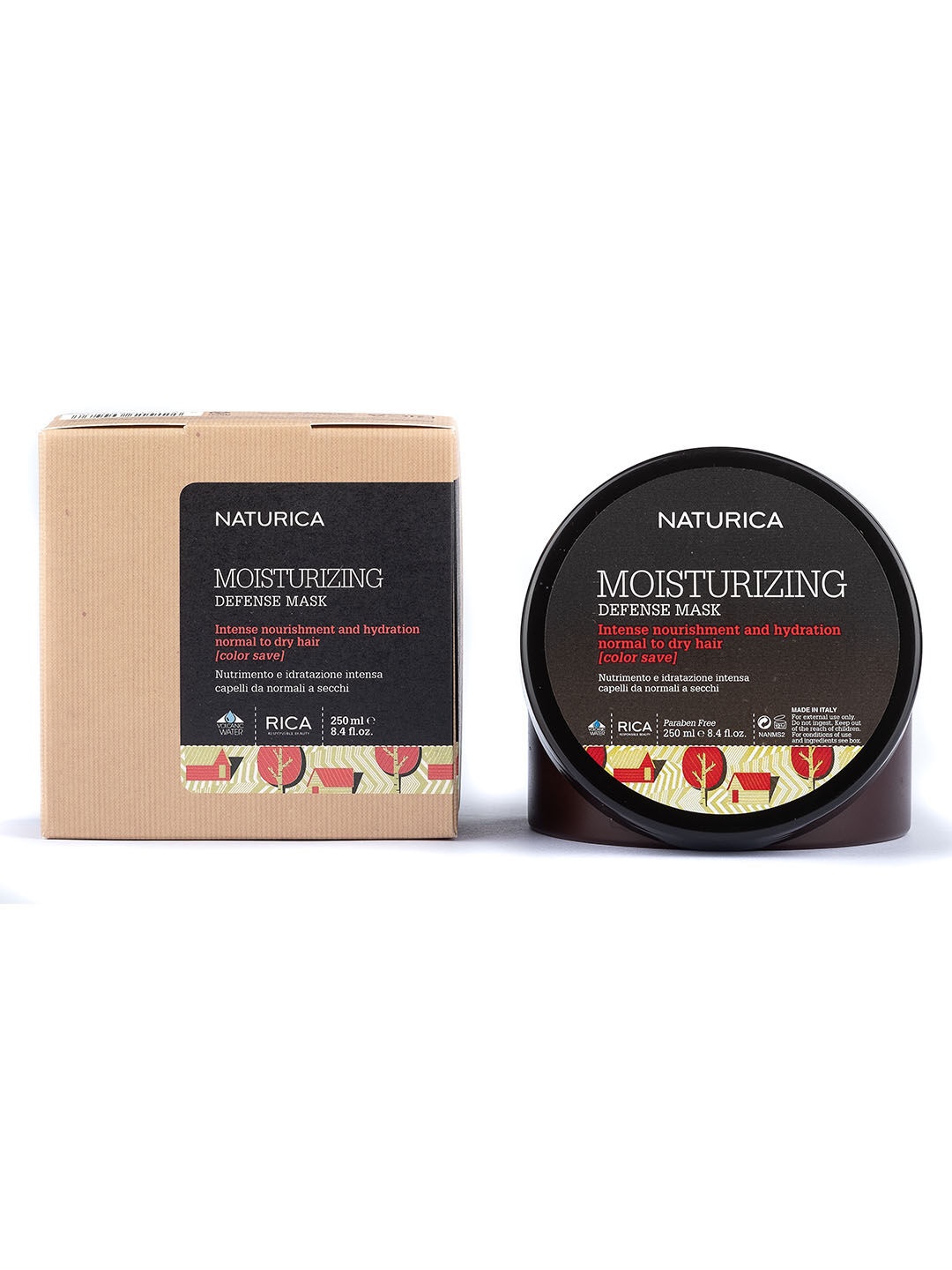
Products Related To This Article
1. DOVE Deep Repair Treatment Hair Mask For Damaged Hair (120 ml)
2. TRESemme Keratin Smooth Mask (300 ml)
3. Pilgrim Patua & Keratin Strengthening Hair Mask With Sacha Inchi For Dry, Frizzy Hair (200 g)
4. Parachute Advansed Pre- Wash Nourishing Hair Mask for Scalp & Hair, 10X Stronger & Smoother Hair (250 ml)
5. Lotus Botanicals Red Onion Total Repair Hair Mask | Reduces Hairfall & Repair Damaged (200 g)
6. Nat Habit Five-Oil Hibiscus Hair Mask for Women & Men, Hair Growth & Frizz Control (40 g)
Hair masks hold genuine potential, yet their success depends on mindful use. Small mistakes, often overlooked, can quietly undo their benefits. From choosing the right product to applying it with care, each step matters more than it seems.
A thoughtful routine does not require expensive products or complicated techniques. It simply needs attention, consistency, and a willingness to understand what hair truly needs.
With these adjustments, hair care shifts from trial and error to a rewarding ritual. And perhaps, the next time a mask gets applied, the mirror will finally reflect the results that were promised. Shop now on Flipkart.
(Disclaimer: This article may include references to or features of products and services made available through affiliate marketing campaigns. NDTV Convergence Limited (“NDTV”) strives to maintain editorial independence while participating in such campaigns. NDTV does not assume responsibility for the performance or claims of any featured products or services.)