10 Reasons Why Your Body Scrub is Actually Making Your Skin Rougher
Body scrubs promise smooth skin, but misuse can do the opposite. Harsh grains, over-exfoliation, and poor aftercare often damage the skin barrier, leaving it rough, dry, and irritated instead of glowing. Below are 10 honest reasons why body scrubs often backfire.
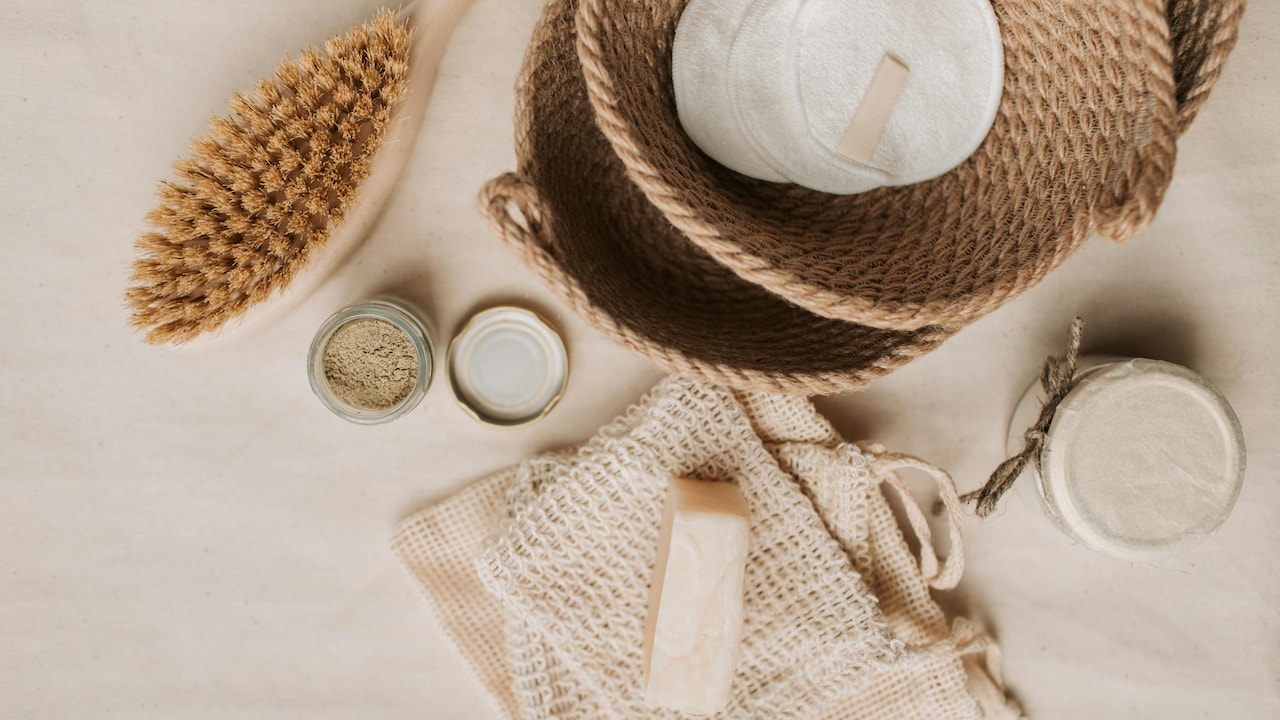
If You Are Using a Body Scrub, These 10 Common Mistakes Could Be Ruining Your Skin.
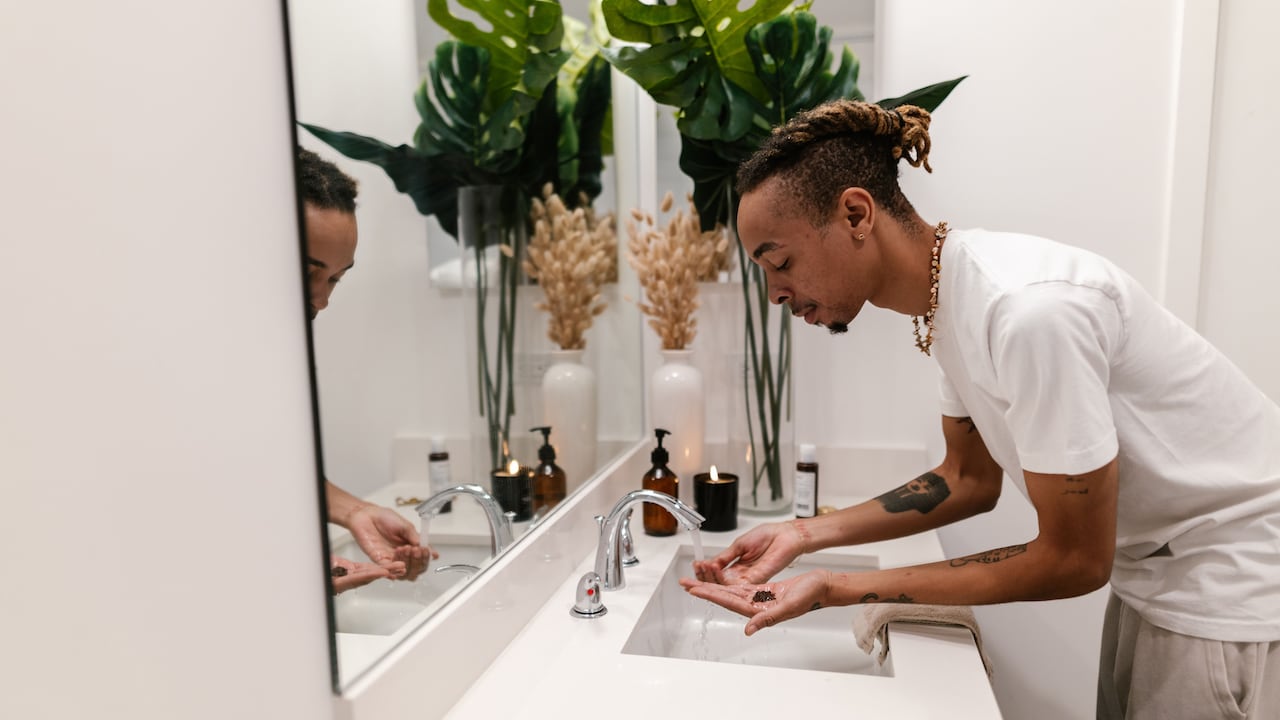
A long day ends, the shower turns warm, and the body scrub comes out with hope and enthusiasm. Exfoliation feels productive, almost virtuous. Dead skin is being chased away, circulation boosted, and glow unlocked. That is the promise. Reality, however, can look very different. Rough elbows that never soften. Legs that feel itchy by the evening. Skin that drinks moisturiser like water in summer. The problem often sits right there on the bathroom shelf. Scrubs are not villains by default. Trouble begins when texture, timing, pressure, and expectations clash with what skin actually needs. Add local weather, hard water, and hurried routines, and the glow quickly turns gritty.
Here are the top 10 reasons why your body scrub may actually be making your skin rougher than ever. Each one reveals a small habit that quietly roughens skin instead of refining it. Some may sound familiar. A few might raise eyebrows. All are worth reconsidering.
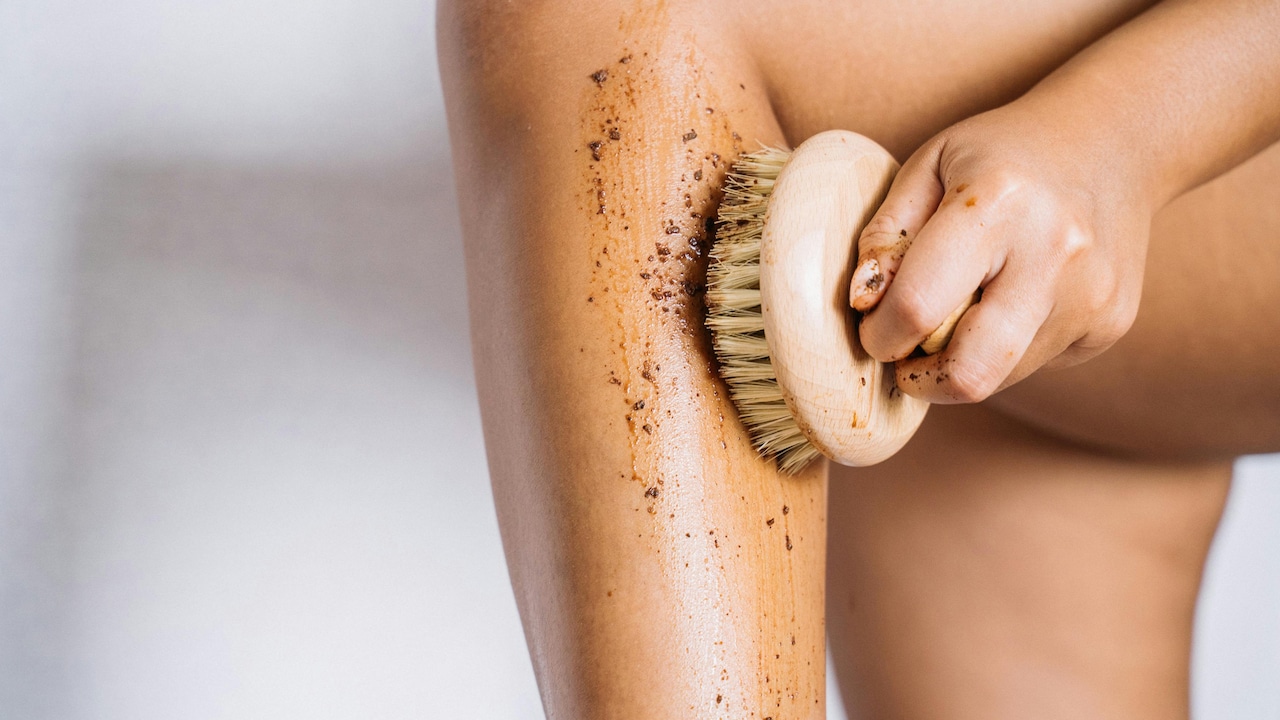
10 Reasons Why Your Body Scrub is Actually Making Your Skin Rougher
Photo Credit: Pexels
What's Really Going Wrong With Your Body Scrub
1. Scrub Particles That Are Too Harsh
Many body scrubs rely on large, jagged particles. Crushed walnut shells, apricot kernels, and coarse salt sound natural and effective. On skin, they behave like sandpaper.
These sharp edges create tiny tears on the surface. Skin does not glow after that. It panics. Redness, micro-inflammation, and uneven texture follow. Over time, the surface thickens to protect itself, leading to roughness that never seems to fade.
Smooth exfoliation requires rounded, fine particles. Anything that feels painful or scratchy is already crossing a line. If a scrub leaves skin stinging even before stepping out of the shower, that sensation is a warning, not proof of effectiveness.
Soft skin comes from respect, not abrasion. Gentle action always wins in the long run.
2. Over-Exfoliating in the Name of Glow
Exfoliation has gained a reputation as a shortcut to good skin. Many routines include scrubbing three or four times a week, sometimes daily, before special occasions.
Skin does not renew itself overnight. When scrubbed too often, the protective barrier weakens. Moisture escapes faster. Nerves sit closer to the surface. That is when tightness, itching, and patchy dryness begin.
In humid months, this damage may stay hidden. In drier seasons, it becomes obvious. Skin feels rough despite constant effort.
Once or twice a week is plenty for most bodies. More does not mean better. It often means irritated skin pretending to cope until it simply cannot.
3. Scrubbing Dry or Nearly Dry Skin
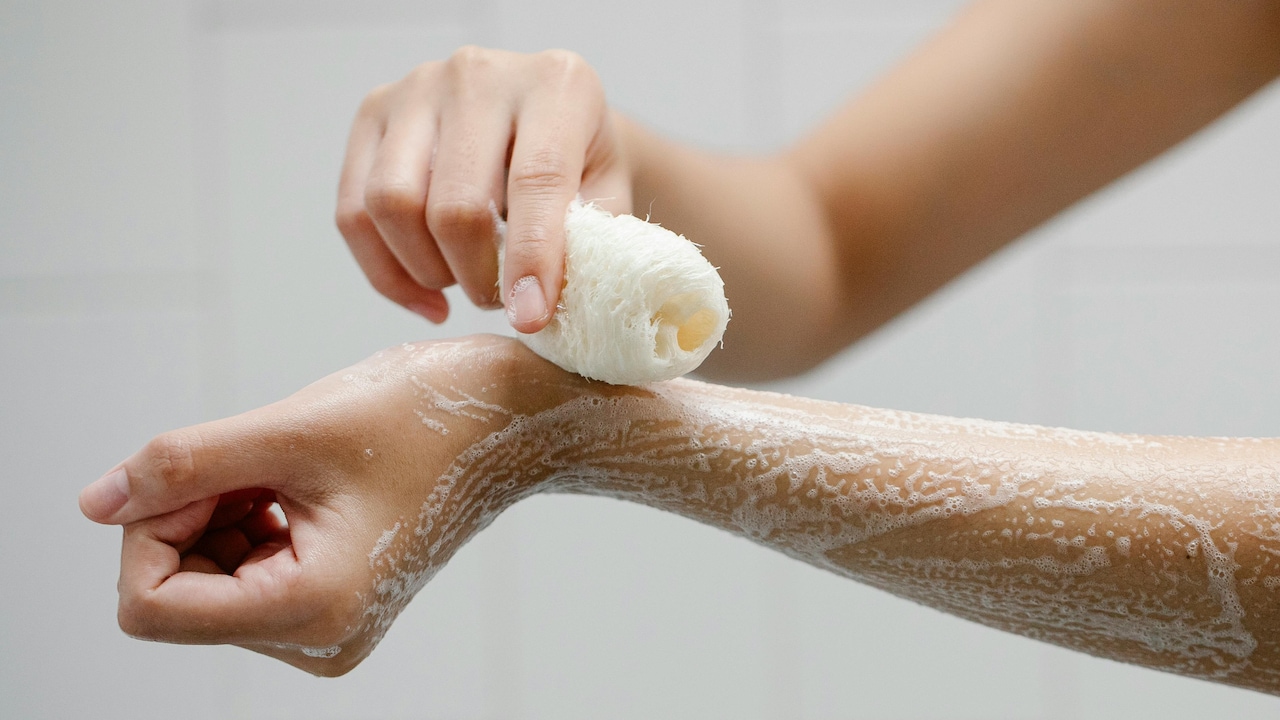
Dry brushing has its place, but many people apply gritty scrubs on skin that is barely wet. This increases friction dramatically.
Water acts as a cushion. Without it, particles drag instead of gliding. Pressure increases without realising it. The result is uneven exfoliation and irritated patches.
Skin softened by warm water responds better. A few minutes under the shower allows dead cells to loosen naturally. Scrub then works with skin, not against it.
Rushing this step saves seconds but costs comfort later. Smooth skin loves patience.
4. Ignoring the Role of Local Water
Hard water is an uninvited guest in many homes. It leaves residue on taps, hair, and yes, skin.
When combined with body scrubs, hard water worsens dryness. Minerals stick to freshly exfoliated skin, interfering with moisture absorption. Soap and scrub residue become harder to rinse away.
Skin may feel clean, yet oddly coated. That film contributes to dullness and rough patches, especially on arms and legs.
Using too much scrub to compensate only worsens the cycle. Gentle cleansing, thorough rinsing, and quick moisturising help more than extra exfoliation ever will.
5. Expecting Scrubs to Fix Everything
Body scrubs often carry unrealistic expectations. Tan removal, stretch mark fading, instant smoothness, and even ingrown hair prevention get pinned on one product.
When results fall short, the usual response is scrubbing harder or longer. Skin bears the brunt of this frustration.
Exfoliation is only one step. Hydration, barrier repair, and consistency matter just as much. No scrub can replace moisturiser or heal damaged skin alone.
Treating a scrub as a magic eraser leads to disappointment and overuse. Skin prefers teamwork, not pressure.
Also Read: Shared Bathrooms, Separate Zones: The Storage Trick Families Swear By
6. Using Scrubs with Hidden Drying Ingredients
Some scrubs feel luxurious but hide ingredients that quietly dry skin out. High alcohol content, strong fragrances, and sulphates strip natural oils.
The scrub smooths briefly, then leaves skin thirsty. Roughness returns within hours. More product gets applied. The cycle repeats.
Checking labels matters. A scrub should exfoliate and nourish at the same time. Oils, glycerin, and soothing extracts make a real difference.
If skin feels tight immediately after rinsing, something is off. Comfort should last beyond the bathroom mirror.
7. Scrubbing Sensitive Areas Too Aggressively
Elbows, knees, ankles, and shoulders often receive extra attention. These areas are already prone to dryness and thicker skin.
Applying heavy pressure here can backfire. Skin responds by becoming even tougher. Darkening and rough texture follow, creating the exact issue being targeted.
Gentle, circular motions work better. Short sessions repeated over weeks bring results. Forcing change in one shower rarely ends well.
Softness grows slowly. Skin does not appreciate bullying.
8. Skipping Moisturiser After Exfoliation
Exfoliation removes dead cells but also exposes fresh skin. This is when moisture matters most.
Many routines end with a towel and a rush out the door. Moisturiser gets delayed or skipped. Exposed skin loses water rapidly, leading to tightness and flakiness by evening.
Applying lotion within minutes of stepping out locks in hydration. Oils and creams sink deeper after exfoliation, making them more effective.
Skipping this step turns a good scrub into a rough experience.
10 Reasons Why Your Body Scrub is Actually Making Your Skin Rougher
Photo Credit: Pexels
9. Seasonal Changes Ignored
Skin behaves differently across the year. Heat, humidity, and cooler months change how much exfoliation it can handle.
Using the same scrub at the same frequency year-round causes trouble. What felt fine during monsoon may feel harsh in winter.
Listening to skin matters more than sticking to routine. Reducing frequency or switching to gentler textures during dry months prevents unnecessary damage.
Skin speaks quietly. Roughness is often its way of asking for rest.
10. Confusing Tingling with Effectiveness
A strong tingle or burn often gets mistaken for action. Many believe that if it stings, it must be working.
That sensation usually signals irritation. Nerve endings reacting does not equal exfoliation success. Healthy skin feels comfortable, not assaulted.
Scrubs should leave skin calm, smooth, and balanced. Any lingering burn is a red flag.
Letting go of the “no pain, no gain” mindset changes everything. Skin thrives on kindness.
Products Related To This Article
1. Dove Exfoliating Body Polish Scrub For Dry Skin With Brown Sugar
2. mCaffeine Exfoliating Coffee Body Scrub Powder Jar for Tan Removal
3. BiE Vanilla Sorbet Body Scrub
4. Chemist at Play Exfoliating Body Scrub For Removing Tan
5. Be Bodywise 12% AHA Body Scrub
Body scrubs are not the enemy. Misuse is. Rough skin rarely comes from neglect alone. It often comes from trying too hard, too often, with the wrong approach. Next time the scrub jar opens, think softness over force. Skin remembers how it is treated. Treat it well, and it responds beautifully.
(Disclaimer: This article may include references to or features of products and services made available through affiliate marketing campaigns. NDTV Convergence Limited (“NDTV”) strives to maintain editorial independence while participating in such campaigns. NDTV does not assume responsibility for the performance or claims of any featured products or services.)