Best Anti-Dandruff Shampoos in 2026: Expert Tips To Remove Flakes Fast
Struggling with dandruff that keeps coming back? Discover the best anti-dandruff shampoos and expert tips to use them correctly, so flakes, itch and scalp irritation reduce faster and stay away longer.
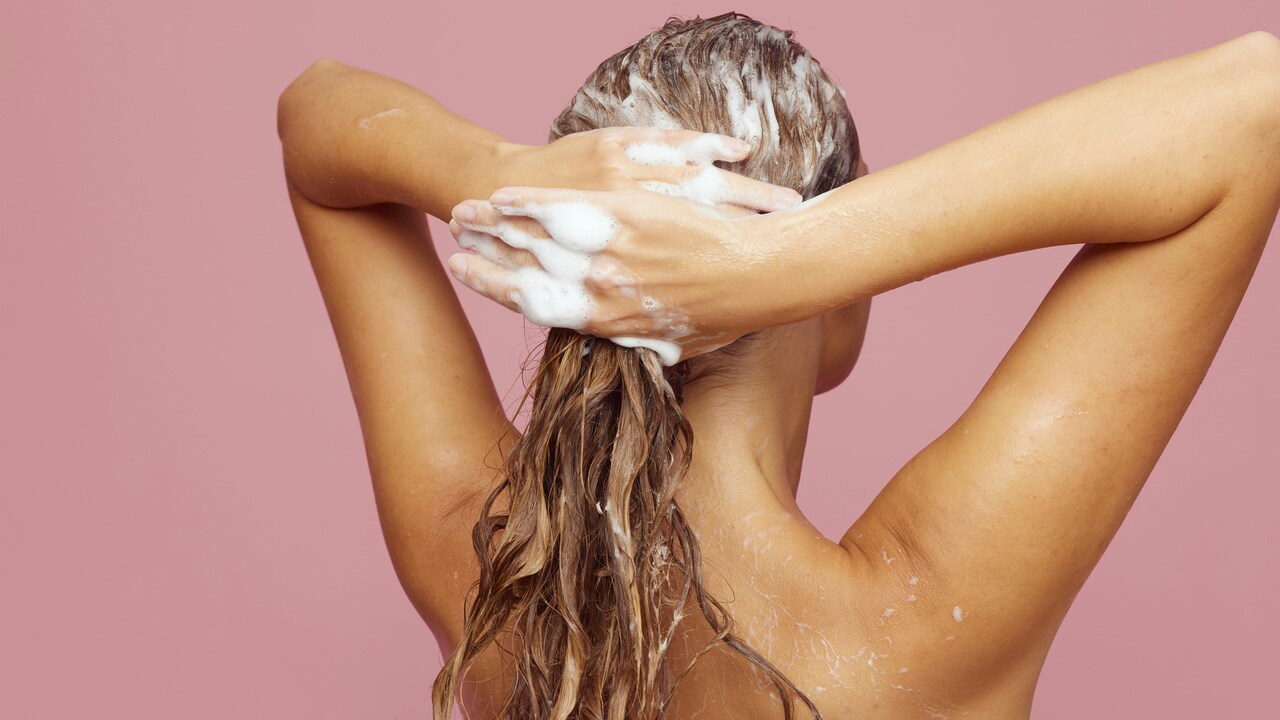
Make your hair dandruff-free by following these tips for better results.
Dandruff is one of those annoyingly common problems that feels oddly personal. It flakes on shoulders, itches at the worst time, and makes hair feel less fresh even right after a wash. Many people assume dandruff means a dry scalp, then reach for oils and heavy conditioners… and accidentally make it worse.
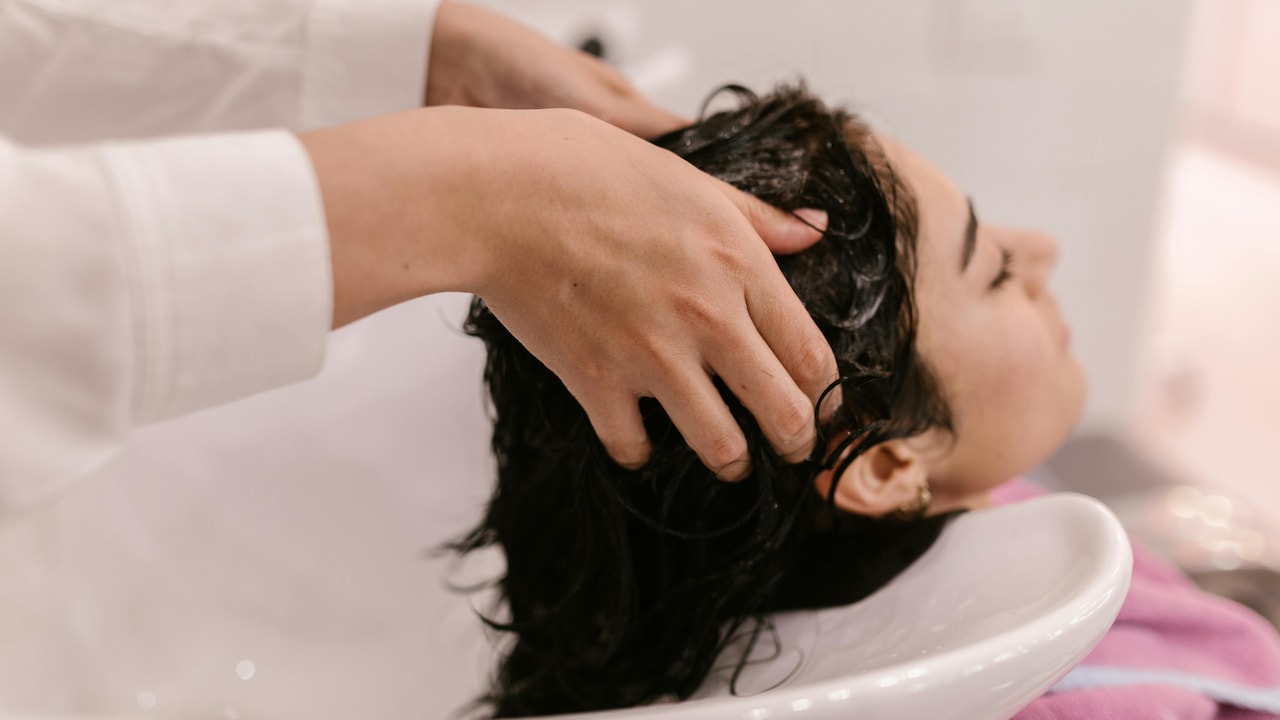
Try these easy tips to remove dandruff flakes from your hair and scalp; Photo Credit: Pexels
The truth is simple: most dandruff happens because of an overgrowth of yeast on the scalp, mixed with oil and irritation. That's why anti-dandruff shampoos can be genuinely life-changing. But there's a catch. People often use them like regular shampoo, rush the rinse, or switch products too quickly. Then they decide “nothing works” and go back to scratching like a cricket commentator in peak summer.
This article keeps things practical and real. It covers the best anti-dandruff shampoos by category and, more importantly, the expert tips that help them work properly, without turning your hair into straw or your bathroom into a chemistry lab.
Also Read: Best Anti-Dandruff Oils: Top Picks That Really Work vs Marketing Gimmicks
10 Expert-Backed Tips to Choose and Use Anti-Dandruff Shampoos the Right Way
1) Understand What Dandruff Really Is (And Why It Keeps Returning)
Dandruff isn't just “dryness” and it isn't a sign of poor hygiene either. It's usually a scalp condition linked to a yeast called Malassezia, which naturally lives on the skin. The issue starts when it multiplies too much. The scalp reacts, the skin sheds faster than normal, and flakes appear. Add oil, sweat, pollution, and styling products, and it becomes a perfect storm.
This explains why dandruff often gets worse in humid weather, during stressful weeks, or when hair stays tied up for long hours. It also explains why a random herbal shampoo sometimes gives temporary relief but doesn't solve the real problem. The yeast doesn't politely leave; it waits for the next chance.
The best anti-dandruff shampoos work because they target the yeast, reduce inflammation, and slow down excessive shedding. When used correctly, they can break the cycle. When used casually, like a two-second lather and rinse, they behave like a gym membership in January: full of promise, zero results.
2) Look for Proven Ingredients, Not Fancy Labels
Anti-dandruff shampoos aren't magical because of packaging or fragrance. They work because of specific active ingredients. The most reliable ones include ketoconazole, zinc pyrithione, selenium sulphide, salicylic acid, coal tar, and piroctone olamine. Each one has a different strength and purpose, so the “best” shampoo depends on what the scalp actually needs.
Ketoconazole is often the heavy-hitter for stubborn dandruff, especially when flakes come with itching and redness. Zinc pyrithione tends to suit mild to moderate dandruff and regular maintenance. Selenium sulphide works well for oily scalps but can feel strong for sensitive skin. Salicylic acid helps lift thick flakes and buildup, which is useful when dandruff forms patches rather than dust.
A smart approach is choosing a shampoo based on the scalp's behaviour, not the hair type alone. Many people buy shampoos for “dry hair” and ignore the scalp entirely. That's like buying a new sofa when the ceiling is leaking. Fix the scalp first, and hair usually behaves better automatically.
3) Best Options for Mild Dandruff (For Daily-Life Flakes)
Mild dandruff is the kind that shows up as small white specks, especially after sweating or skipping a wash day. It usually comes with mild itching but not intense redness. In these cases, gentle anti-dandruff shampoos with zinc pyrithione or piroctone olamine often work beautifully.
This is the category where popular pharmacy and supermarket options shine. They don't feel overly medicated, they're easier to use regularly, and they keep the scalp balanced without stripping hair. People with long hair often prefer these because stronger formulas can make hair feel rough.
The key with mild dandruff is consistency. Many treat it like a seasonal visitor, use shampoo for two washes, then stop as soon as flakes reduce. That's exactly how it returns. A better strategy is to keep using the shampoo for a few weeks after symptoms improve, then shift to maintenance once a week.
Think of it like cleaning a kitchen. Wiping the counter helps, but deep cleaning stops the smell from returning. Mild dandruff responds best to routine and patience, not panic buying.
4) Best Options for Stubborn Dandruff (When the Scalp Feels Angry)
Stubborn dandruff isn't shy. It comes with persistent flakes, stronger itching, and sometimes a tight or irritated scalp. In these cases, ketoconazole-based shampoos are often the most effective. They target the yeast directly and reduce inflammation. Many people notice improvement within a couple of weeks, provided they use it properly.
This is also where people make the biggest mistakes. They either overuse strong shampoos daily and end up with dryness and irritation, or they use them once a week and wonder why nothing changes. Most medicated anti-dandruff shampoos work best when used two to three times a week initially, then reduced gradually.
For very thick flakes, combining a ketoconazole shampoo with a salicylic acid shampoo on alternate washes can help. Salicylic acid loosens buildup, while ketoconazole tackles the root cause.
If dandruff persists despite a month of consistent use, it may not be dandruff at all. Conditions like scalp psoriasis or seborrhoeic dermatitis can look similar but need different care. At that stage, a dermatologist visit can save months of trial and error, and prevent a scalp from turning into a battleground.
5) Best Options for Oily Scalp Dandruff (The “Greasy Flakes” Problem)
Oily scalp dandruff feels different. The flakes often look yellowish or clump together. Hair feels greasy quickly, sometimes within a day. Itching can be intense, especially in humid weather. In this scenario, shampoos with selenium sulphide or zinc pyrithione often perform well because they reduce yeast and help manage oiliness.
People with oily scalps often try to “train” their hair by washing less. That may work for some, but with dandruff it can backfire. When oil builds up, yeast gets more food, and flakes multiply. The scalp doesn't need punishment; it needs balance.
A practical routine is washing every alternate day with a suitable anti-dandruff shampoo and using a gentle regular shampoo in between if hair feels too dry. Also, keep conditioner strictly on the lengths and ends. Applying conditioner to the scalp is like inviting trouble for dinner.
This type of dandruff also reacts strongly to styling products. Wax, heavy serums, and even certain hair oils can sit on the scalp and worsen the situation. If oily dandruff keeps returning, simplifying the routine often helps more than buying the most expensive bottle on the shelf.
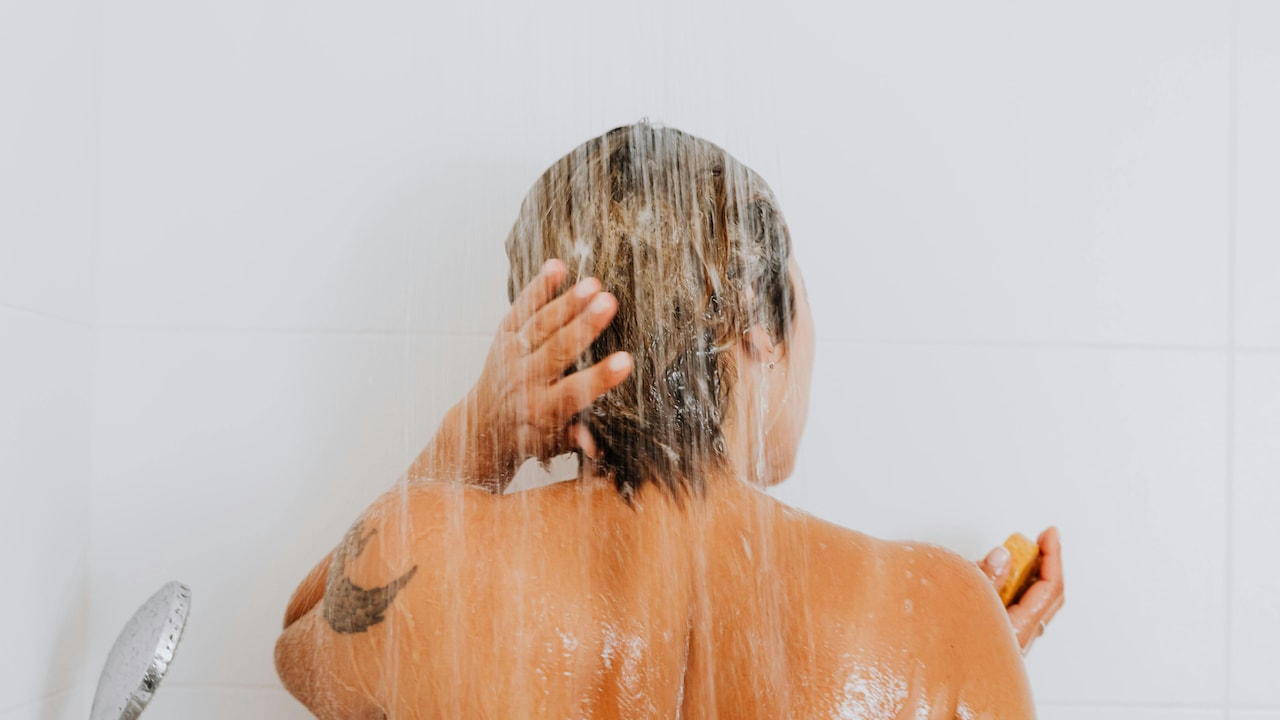
Washing your hair every alternate day with an anti-dandruff shampoo for best results; Photo Credit: Pexels
6) Best Options for Dry, Sensitive Scalps (When Anti-Dandruff Shampoos Sting)
Not every scalp tolerates strong medicated formulas. Some people try an anti-dandruff shampoo and immediately feel burning, tightness, or extra itching. This doesn't always mean the product is “bad.” It may mean the scalp barrier is already irritated.
For sensitive scalps, milder anti-dandruff options with piroctone olamine or low-strength zinc pyrithione can be a better starting point. These reduce dandruff while being kinder to the skin. Some formulas also include soothing ingredients like aloe vera, panthenol, or niacinamide, which can reduce irritation.
Another expert trick is adjusting frequency. Instead of using a strong shampoo every wash, use it twice a week and a gentle shampoo on other days. Overdoing treatment can lead to dryness, and dryness can lead to more scratching. Scratching then causes micro-injuries, which trigger more irritation. It becomes a loop that nobody asked for.
Also, watch water temperature. Hot showers feel great but can worsen scalp dryness. Lukewarm water may not feel as dramatic, but the scalp will thank you. Sensitive dandruff needs a calm, steady approach, not a scorched-earth policy.
7) The Most Important Rule: Leave the Shampoo On Long Enough
Most people wash their hair like they're trying to catch the last metro. Wet hair, foam up, rinse in seconds. That works for a regular shampoo meant for cleansing, but anti-dandruff shampoos need contact time.
Active ingredients like ketoconazole, zinc pyrithione, and selenium sulphide require a few minutes on the scalp to work properly. If rinsed immediately, the product barely gets a chance to do anything meaningful. This is one of the biggest reasons people feel anti-dandruff shampoos “don't work.”
A good rule is to massage the shampoo into the scalp and leave it on for around three to five minutes. Use that time to wash the face, scrub elbows, or practise a dramatic monologue for the next family function, anything works.
Also, focus on the scalp, not the hair. The scalp is the target. The foam that runs down the hair is enough for the lengths. Roughly scrubbing hair ends with medicated shampoo can make them dry and frizzy, especially in longer hair.
This one habit, leaving shampoo on for a few minutes, often produces better results than switching brands repeatedly.
8) Don't Mix Too Many Treatments at Once (The Scalp Isn't a Science Project)
When dandruff gets frustrating, it's tempting to throw everything at it. Anti-dandruff shampoo, lemon, baking soda, onion juice, aloe gel, essential oils, and a “detox” mask, all in the same week. That doesn't make the scalp healthier. It makes it confused and irritated.
A scalp can only tolerate so much. Many home remedies are acidic or abrasive, and they can disrupt the skin barrier. Once the barrier is damaged, even mild shampoos start to sting, and dandruff becomes harder to control.
The smarter approach is simple: pick one main anti-dandruff shampoo and use it consistently for at least three to four weeks. If flakes are thick, a salicylic acid shampoo once a week can help remove buildup. Beyond that, keep the routine basic.
If hair feels dry, treat the lengths with conditioner and a light serum, not the scalp. If itching feels intense, don't attack it with harsh scrubs. Use the right shampoo, give it time, and let the scalp settle.
Dandruff is annoying, but it's not a villain that needs twenty weapons. It's more like a stubborn relative. Firm boundaries work better than drama.
9) Maintenance Matters: How to Stop Dandruff from Returning
One of the most frustrating parts of dandruff is how it returns just when things start improving. That usually happens because treatment stops too early. Anti-dandruff shampoos don't just remove flakes; they reduce yeast and inflammation. That process takes time.
Once dandruff improves, many people stop using the shampoo completely and switch back to a regular one. The scalp then slowly returns to its previous state, and flakes come back like an unwanted sequel.
A better plan is maintenance. After the scalp clears, use the anti-dandruff shampoo once a week or once every ten days. On other wash days, use a gentle shampoo suited to the hair type. This keeps the scalp balanced without over-drying.
Also, wash hair after heavy sweating. Leaving sweat and oil on the scalp for long periods encourages yeast growth. People who exercise regularly often notice dandruff improves dramatically when they wash soon after workouts.
Maintenance is not a punishment. It's the small, boring habit that saves money, time, and shoulder embarrassment later.
10) When to See a Dermatologist (Because It's Not Always Dandruff)
Sometimes, the problem isn't dandruff alone. If flakes are thick, silvery, or stuck to the scalp in patches, psoriasis may be involved. If there's severe redness, oozing, or painful itching, it may be seborrhoeic dermatitis or another inflammatory condition. If there's hair fall with scaly patches, fungal infections may be part of the picture.
These conditions can look similar in the mirror, especially under bathroom lighting that makes everything look worse. But they need different treatment. Using random anti-dandruff shampoos endlessly can delay proper care and worsen irritation.
A dermatologist can identify the condition quickly and recommend the right medicated shampoo, lotion, or short-term treatment. That can actually be more cost-effective than buying multiple bottles that don't work. Many people spend ₹2,000–₹3,000 experimenting before finally seeing a professional. One consultation could have saved the whole drama.
Also, if dandruff keeps returning despite consistent use, don't assume failure. It may just mean the scalp needs a stronger formula, a different active ingredient, or a combination plan. Getting help isn't overreacting. It's efficient.
Products Related To This Article
1. Pilgrim Australian Tea Tree Hair Shampoo
2. Bare Anatomy Anti Dandruff Shampoo
3. Nizoral Anti Dandruff Shampoo
4. Plant Fix Plix Neem Anti Dandruff
5. Scalpe Pro Daily Anti Dandruff Shampoo
Dandruff can be stubborn, embarrassing, and weirdly persistent. But it's also one of the most manageable scalp problems when treated correctly. The secret isn't hunting for a miracle shampoo. It's choosing the right active ingredient, using it properly, and sticking with it long enough to break the cycle.
Leave the shampoo on for a few minutes, focus on the scalp, avoid mixing too many treatments, and don't stop the moment flakes reduce. A calm, consistent routine usually wins.
And if the scalp still refuses to cooperate after weeks of effort, that's not a personal failure. It's a sign to get expert help and move on with life, preferably in a black outfit, without checking shoulders every five minutes.
(Disclaimer: This article may include references to or features of products and services made available through affiliate marketing campaigns. NDTV Convergence Limited (“NDTV”) strives to maintain editorial independence while participating in such campaigns. NDTV does not assume responsibility for the performance or claims of any featured products or services.)