Best Hair Care Guide: How Shampoo Texture Impacts Hair Health And Scalp Care
Shampoo texture matters more than brand names. The right consistency can improve scalp health, reduce damage, and suit your environment better than any premium label ever could.

Best Hair Care Guide: Why Shampoo Texture Impacts Hair Health More Than Brand Names.
Walk into any supermarket or pharmacy, and the shampoo aisle feels like a beauty pageant. Tall bottles flaunt bold claims, “silky shine”, “damage repair”, “intense nourishment”, and price tags can jump from ₹120 to ₹1,200 without blinking. It's easy to believe that the more premium the brand, the better the results.
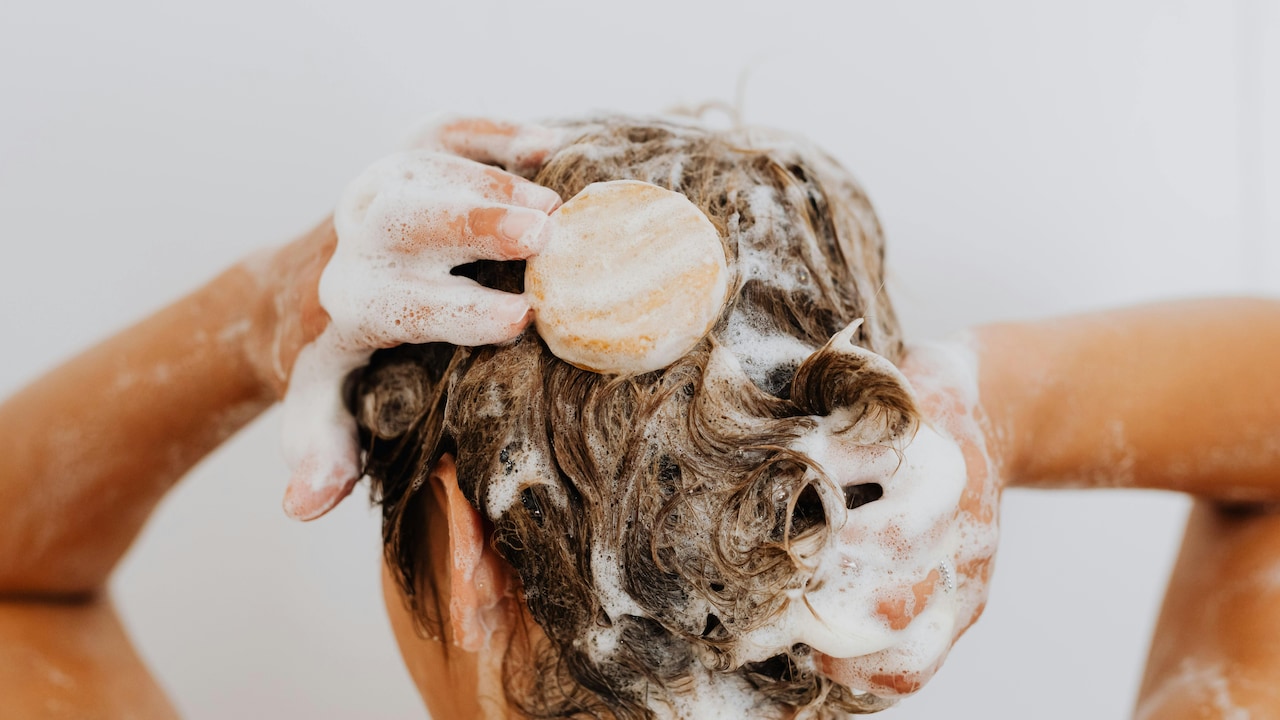
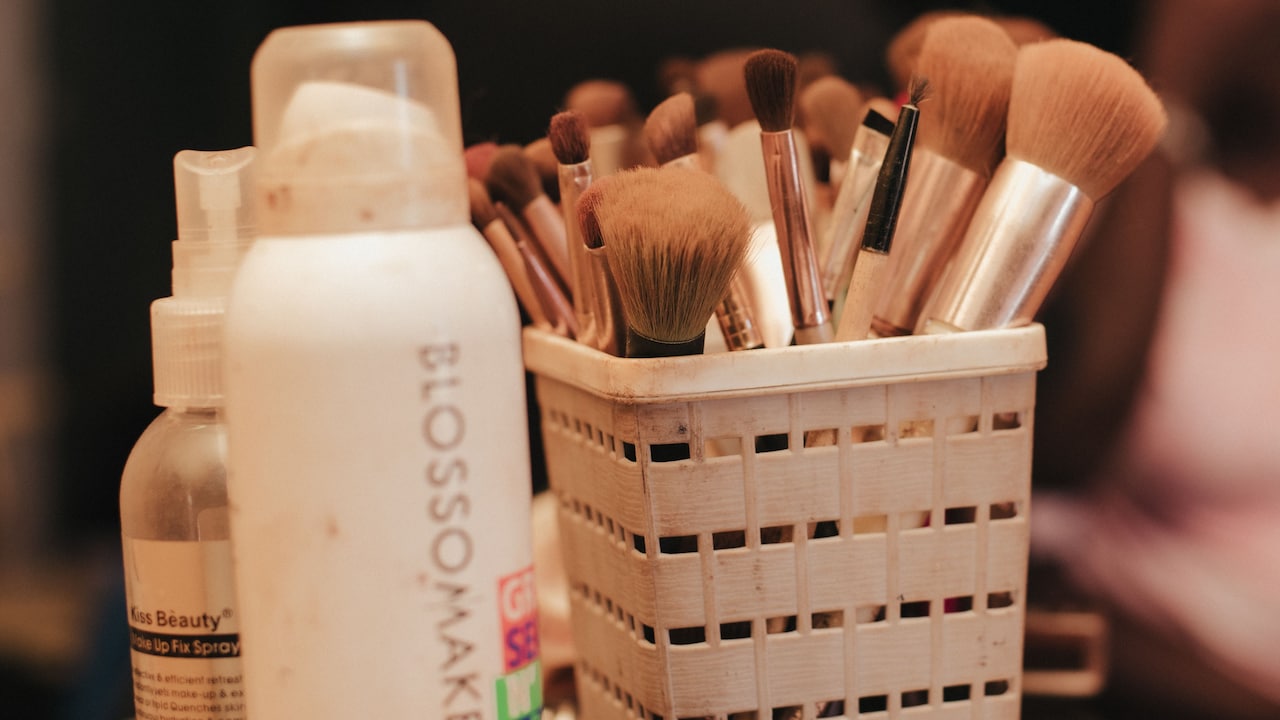
What makes shampoo texture important for your hair; Photo Credit: Pexels
Yet, hair tells a different story. Many people switch brands constantly, chasing that one miracle bottle, only to end up with dryness, frizz, or limp strands. The problem rarely lies in the logo printed on the bottle. Instead, it sits quietly in the texture of the shampoo itself.
Texture influences how a product interacts with the scalp, how it spreads, how it cleans, and even how it rinses away. A mismatch between hair type and shampoo texture can undo all those glossy promises. Understanding this simple factor can save money, time, and endless frustration.
This guide dives into why texture matters more than branding, offering practical insights that feel grounded in everyday life, whether dealing with humid monsoon frizz, dusty commutes, or hard water challenges.
Also Read: How To Revitalize Dry, Frizzy Hair: Oiling Not Enough, Hair Steamer Delivers Salon-Like Smoothness
How Shampoo Texture Shapes Everyday Hair Health
Understanding Shampoo Texture Basics
Shampoo texture may sound like a cosmetic detail, but it shapes how the product behaves from the first drop. A thick, creamy shampoo coats the hair differently compared to a light, watery gel. This difference affects cleansing strength, moisture retention, and scalp comfort.
Cream-based shampoos often contain conditioning agents that soften hair during washing. These work well for dry or frizzy strands but may feel heavy on oily scalps. On the other hand, gel shampoos tend to feel lighter and offer a deeper cleanse, making them suitable for those who deal with sweat, pollution, or excess oil.
Texture also influences how much product gets used. A watery shampoo may lead to overuse, while a dense formula requires just a small amount. Over time, this affects both hair health and spending habits.
Rather than focusing on labels like “premium” or “herbal”, attention to how the shampoo feels between the fingers can offer better guidance. Texture becomes a quiet but reliable indicator of whether a product will suit daily needs.
The Role Of Scalp Type In Texture Choice
Hair care begins at the scalp, yet many routines ignore this basic truth. Shampoo texture must match scalp behaviour, not just hair length or style.
An oily scalp benefits from lightweight, gel-based shampoos that cut through grease without leaving residue. These textures rinse clean and prevent that sticky feeling that can build up within a day. In contrast, dry scalps need richer, creamier textures that soothe irritation and reduce flakiness.
A common mistake involves using heavy shampoos on oily scalps, hoping for nourishment. This often leads to faster oil buildup, forcing more frequent washes. Conversely, harsh gel shampoos on dry scalps can strip natural oils, causing itching and discomfort.
Climate plays a role, too. In humid cities, sweat and dust demand lighter textures, while cooler regions allow richer formulas. Choosing texture based on scalp needs creates balance, reducing the urge to keep switching products.
Why Foam Isn't The Real Indicator Of Cleanliness
There's a strange satisfaction in thick, bubbly foam. It feels like proof that hair is getting properly cleaned. However, foam often reflects the presence of certain cleansing agents rather than effectiveness.
Many gel shampoos create abundant lather, giving a squeaky-clean finish. Yet, too much foam can strip essential oils, leaving hair dry and rough. Cream-based shampoos may produce less lather but still clean effectively while maintaining moisture.
The belief that more foam equals better cleaning has led many to choose harsher textures unknowingly. This can be especially problematic in areas with hard water, where excessive lather interacts poorly with minerals, leaving residue behind.
A balanced approach works better. Moderate foam combined with the right texture for the scalp ensures cleanliness without damage. Over time, hair feels softer, not stripped.
Texture And Hair Porosity: The Hidden Connection
Hair porosity refers to how well strands absorb and retain moisture. Though rarely discussed outside salons, it plays a crucial role in choosing shampoo texture.
Low-porosity hair resists moisture. Heavy, creamy shampoos can sit on the surface, making hair feel greasy without proper hydration. Lightweight textures penetrate better, offering a fresher feel.
High-porosity hair, often damaged or chemically treated, absorbs moisture quickly but loses it just as fast. Creamy shampoos help seal in hydration, reducing frizz and breakage.
Ignoring porosity leads to confusion. Someone may blame a brand for poor results when the real issue lies in texture mismatch. Observing how hair reacts after washing, whether it feels coated, dry, or balanced, can guide better choices.
Climate, Water Quality, And Texture Impact
Hair does not live in isolation. It responds to the environment daily. Heat, humidity, dust, and water quality all influence how shampoo texture performs.
In coastal cities, humidity causes hair to swell and frizz. Lightweight shampoos help control buildup without weighing strands down. In drier climates, richer textures provide needed hydration.
Hard water adds another layer of complexity. Minerals in water react with shampoo ingredients, often leaving hair rough. Cream-based shampoos may struggle to rinse clean, while lighter formulas perform better in such conditions.
Seasonal changes also matter. During monsoons, frequent washing requires gentle textures to avoid damage. In winter, thicker formulas prevent dryness.
Adjusting shampoo texture with the environment creates a flexible routine, far more effective than sticking to one brand year-round.
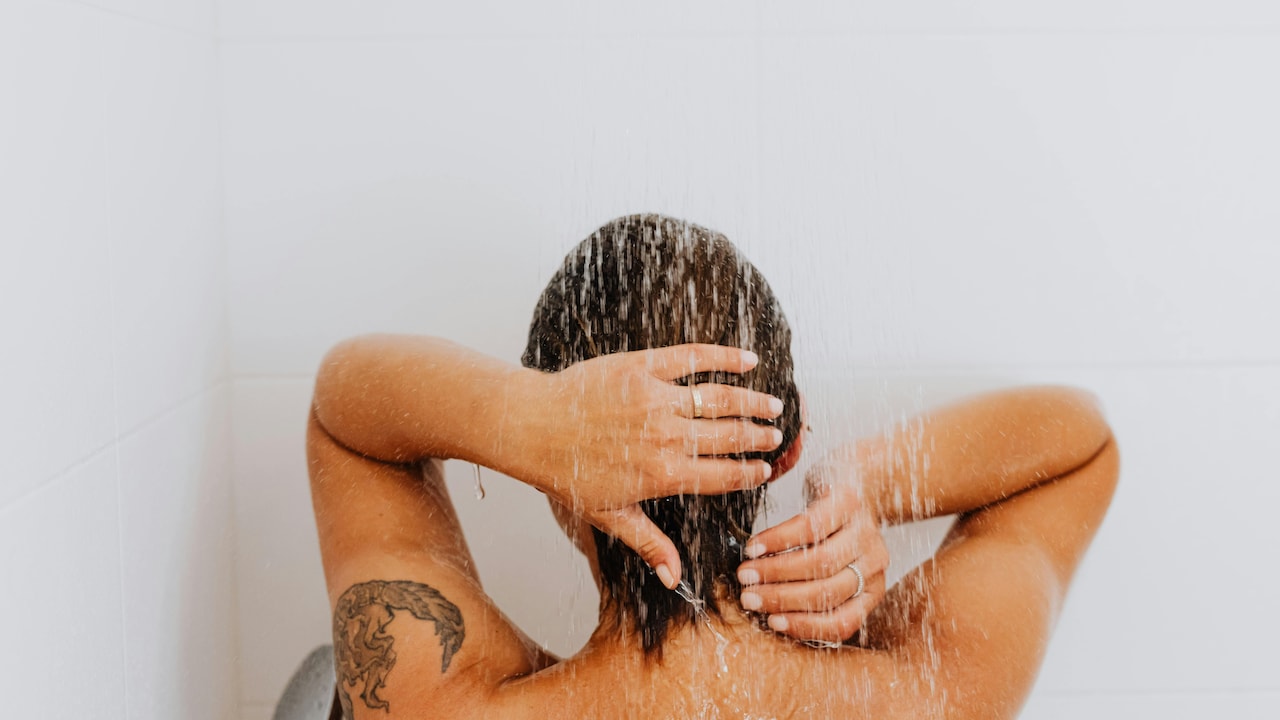
Certain factors like climate and water quality can impact texture; Photo Credit: Pexels
Marketing Myths Around Premium Brands
Luxury packaging and celebrity endorsements often create the illusion that higher cost guarantees better results. Yet, many shampoos share similar base formulations, differing mainly in fragrance, packaging, or minor ingredients.
Texture, however, directly affects performance. A ₹200 shampoo with the right consistency can outperform a ₹900 bottle that doesn't suit the scalp.
Marketing often highlights ingredients like keratin or argan oil, but their effectiveness depends on how the product interacts with hair. Texture determines this interaction more than branding.
Focusing solely on brand reputation can lead to disappointment. Observing how a shampoo feels, spreads, and rinses provides more reliable clues about its suitability.
How Texture Affects Product Build-Up
Product build-up is a silent troublemaker. It dulls shine, weighs hair down, and even causes scalp issues. Shampoo texture plays a major role in preventing or causing this.
Heavy, creamy shampoos may leave residue if not rinsed properly, especially when used frequently. This build-up can trap dirt and oil, leading to limp hair.
Lightweight shampoos, on the other hand, cleanse more thoroughly but may require occasional pairing with conditioning treatments to avoid dryness.
Balancing textures helps maintain clarity without stripping hair. Alternating between light and slightly richer formulas based on need keeps hair fresh and manageable.
Texture And Frequency Of Washing
How often hair gets washed depends not just on lifestyle but also on shampoo texture. A mismatch can disrupt this rhythm.
Using heavy shampoos may force less frequent washing due to residue buildup. Conversely, overly light shampoos might require daily use, which can stress the scalp.
Finding the right texture creates a comfortable washing cycle. Hair feels clean longer without becoming dry or greasy too quickly.
For those managing busy schedules or long commutes, this balance becomes essential. It reduces the need for constant adjustments and simplifies routines.
The Sensory Experience: More Than Just Feel
Texture also shapes the overall washing experience. The way a shampoo spreads, smells, and rinses can influence consistency in hair care routines.
A shampoo that feels pleasant encourages regular use, while one that feels sticky or difficult to rinse often gets abandoned, regardless of brand value.
This sensory connection matters more than it seems. Consistency leads to better results over time, and texture plays a key role in building that habit.
Choosing a shampoo that feels right, not just looks appealing, turns hair care into a routine rather than a chore.
Practical Tips For Choosing The Right Texture
Choosing the right shampoo texture does not require expert knowledge. Small observations can guide better decisions.
Notice how hair feels immediately after washing and a few hours later. Does it stay fresh or turn oily quickly? Does it feel soft or dry?
Testing small quantities before committing to large bottles helps avoid waste. Many local stores offer sachets priced around ₹2 to ₹5, making experimentation easy.
Listening to hair rather than advertisements leads to smarter choices. Over time, patterns emerge, making it easier to select products confidently.
Products Related To This Article
1. Scalpe Pro Daily Anti Dandruff Shampoo
2. Sebamed Anti-Hairloss Shampoo - pH 5.5 - NHE Formula
3. PLIX THE PLANT FIX Neem Anti Dandruff Advanced Shampoo
4. WishCare AHA BHA Hydrating Anti Dandruff Shampoo with Salicylic Acid for Flaky Scalp
5. Mamaearth Onion Shampoo
Hair care often gets tangled in branding, trends, and endless recommendations. Yet, the answer lies in something far simpler and more practical: shampoo texture.
From scalp health to environmental factors, texture quietly influences every aspect of hair care. It determines how well a product cleans, how it feels, and how it performs over time. Ignoring this factor can lead to frustration, unnecessary spending, and constant trial and error.
Shifting focus from brand names to texture creates a more thoughtful approach. It encourages observation, adaptability, and a deeper understanding of individual needs.
Healthy hair does not come from the most expensive bottle on the shelf. It comes from choosing what truly works, and sometimes, that choice begins with something as simple as how a shampoo feels in the palm.
(Disclaimer: This article may include references to or features of products and services made available through affiliate marketing campaigns. NDTV Convergence Limited (“NDTV”) strives to maintain editorial independence while participating in such campaigns. NDTV does not assume responsibility for the performance or claims of any featured products or services.)