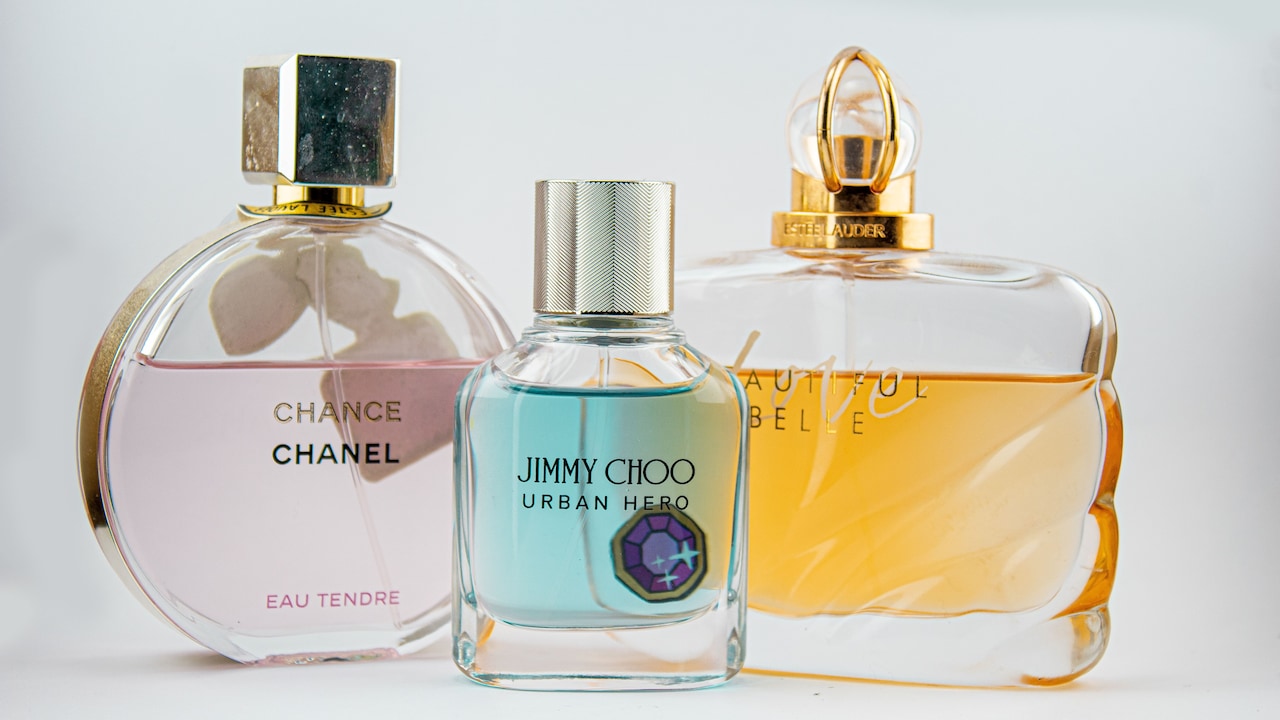
Best Shampoos For Oily Scalp And Dry Ends: Why One Product Isn't Enough
An oily scalp and dry ends need different care. Discover why one shampoo can’t fix both, and what actually works for balanced, healthy hair.
Shampoos For Oily Scalp But Dry Ends: Why "One Bottle Fix" Never Works.
Hair, much like life, refuses to stay simple. One day, it feels greasy hair within hours of washing, and the next, the ends resemble dry straw begging for oil. This confusing combination, an oily scalp with dry ends, is more common than most care to admit. It leads many to the beauty aisle, scanning labels for that elusive all-in-one shampoo promising balance, hydration, and shine.
Yet, reality often falls short. The scalp remains greasy, the ends stay dry, and frustration grows. The issue lies not in poor choices but in a misunderstanding of how hair behaves. A single shampoo cannot treat two opposing conditions at once. The scalp produces oil, while the ends, being older, lose moisture over time.
Understanding this imbalance opens the door to smarter care routines. Rather than chasing miracle bottles, it helps to explore why this duality exists and how to manage it effectively without wasting money or hope.
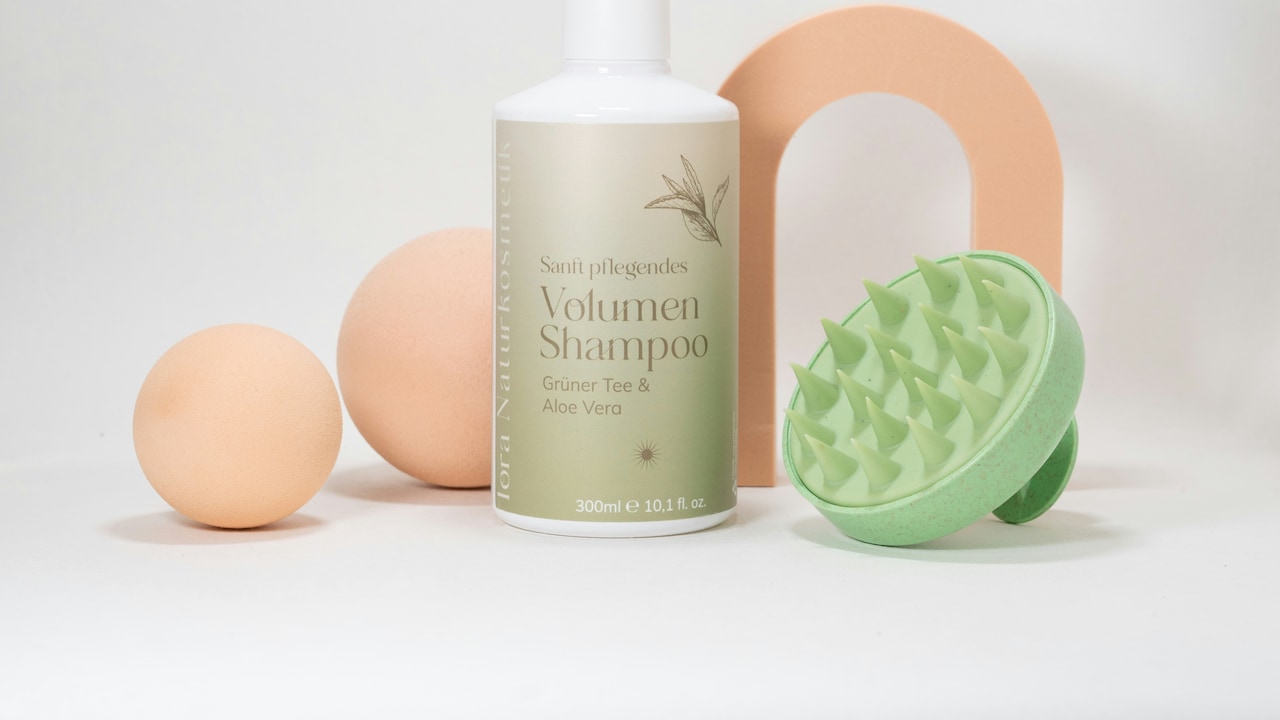
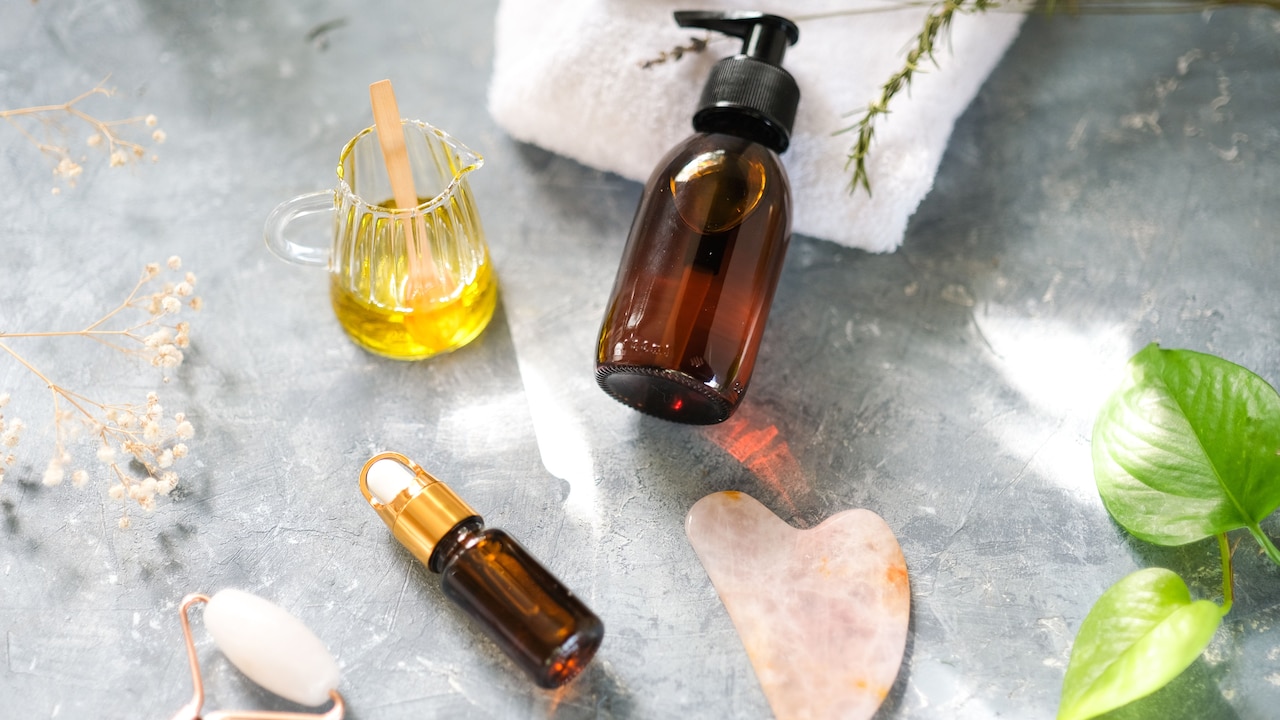
Shampoos For Oily Scalp But Dry Ends: Why "One Bottle Fix" Never Works; Photo Credit: Pexels
Understanding The Real Problem With “One Bottle Fix” Haircare
The Science Behind Oily Scalp And Dry Ends
The scalp functions as living skin, complete with sebaceous glands that produce oil to protect and nourish. When these glands become overactive, the scalp feels greasy soon after washing. Heat, humidity, stress, and even diet play a role in triggering this excess oil production.
Meanwhile, hair ends tell a different story. They represent the oldest part of the strand, exposed to sun, pollution, styling tools, and frequent washing. Over time, natural oils struggle to travel down the length, leaving ends dry and fragile. This creates a mismatch where the scalp feels heavy but the ends feel thirsty.
The challenge lies in the fact that these two areas require opposite treatments. The scalp needs gentle cleansing and oil control, while the ends need hydration and protection. A single formula attempting both often ends up doing neither well.
Why “One Bottle Fix” Sounds So Tempting
Marketing has a way of making things look easy. A bottle claiming to balance oil while hydrating ends feels like the perfect solution, especially for busy schedules and tight budgets. Spending ₹300–₹800 on one product seems far more appealing than juggling multiple items.
There is also comfort in simplicity. A single product reduces decision-making and clutter. For many, haircare feels like a chore, not a ritual, so fewer steps sound ideal.
However, this convenience comes at a cost. Formulas designed to address two opposing needs often dilute their effectiveness. Ingredients that control oil may strip moisture, while hydrating agents can weigh down the scalp. The result is a compromise that rarely satisfies either concern fully.
How Shampoo Formulations Actually Work
Shampoos are designed with a primary purpose: cleansing. They contain surfactants that remove oil, dirt, and product buildup. Stronger shampoos target oily scalps effectively but can leave hair dry and rough.
On the other hand, moisturising shampoos include conditioning agents that soften hair. While they benefit dry ends, they often leave residue on the scalp, making it feel greasy faster.
The chemistry behind these formulations does not allow for perfect balance in one product. It becomes a trade-off. Either the scalp feels clean, but the ends suffer, or the ends feel smooth while the scalp turns oily again within hours.
Understanding this limitation shifts expectations. Rather than blaming the product, it becomes clear that the approach needs adjustment.
Also Read: Why These Top 7 Budget Shampoos Perform As Well As Premium Brands
The Role Of Overwashing And Product Buildup
In an attempt to combat oiliness, frequent washing becomes a habit. While it provides temporary relief, it can worsen the problem over time. The scalp responds to constant cleansing by producing even more oil, creating a frustrating cycle.
At the same time, heavy conditioners and serums applied to compensate for dry ends can build up near the roots. This buildup traps oil and dirt, making the scalp feel greasier than it actually is.
Breaking this cycle requires balance. Washing too often strips natural oils, while infrequent cleansing allows buildup to accumulate. Finding a middle ground helps both scalp and ends behave better, even without relying on a single miracle product.
Why Your Ends Need A Different Kind Of Care
Hair ends are delicate. Unlike the scalp, they cannot produce oil or repair themselves. Once damaged, they rely entirely on external care. This is where conditioners, oils, and masks step in.
Applying conditioner from mid-length to ends helps restore softness without affecting the scalp. Light oils such as coconut or almond oil can seal moisture and prevent breakage. However, these should stay away from the roots to avoid adding unnecessary grease.
Treating ends separately acknowledges their unique needs. It also prevents the common mistake of overloading the scalp with products meant for hydration.
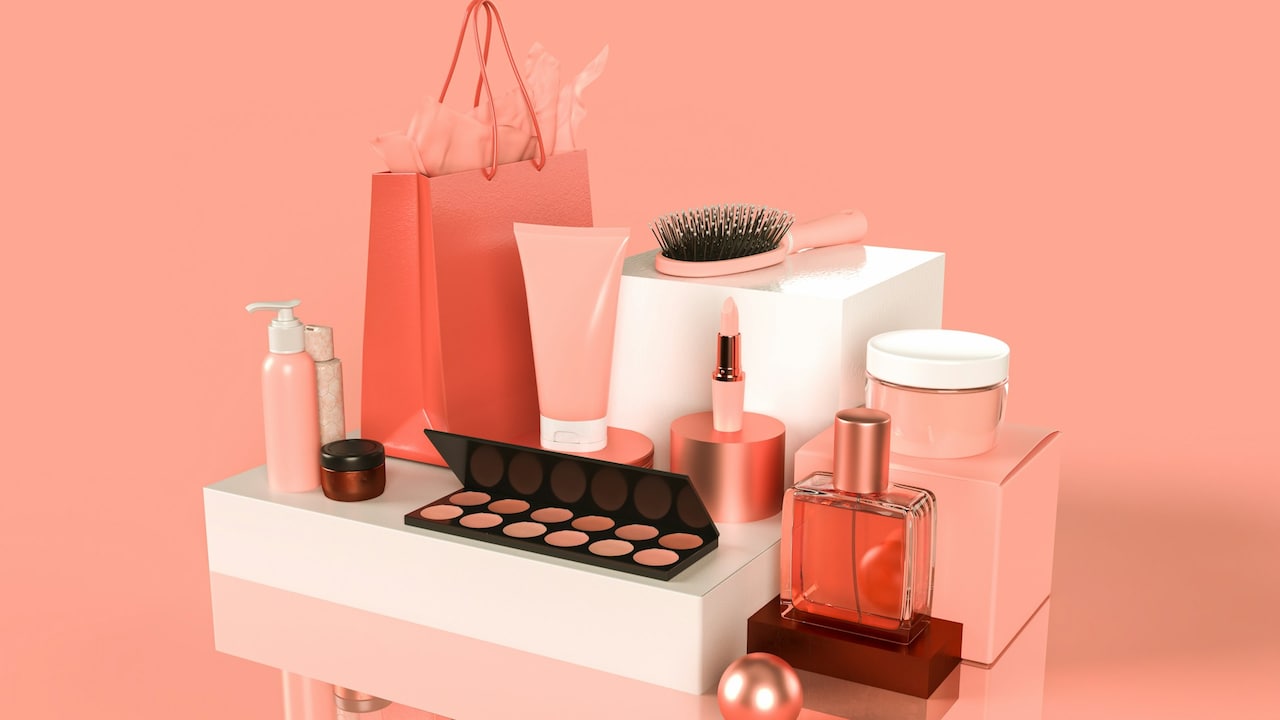
Shampoos For Oily Scalp But Dry Ends: Why "One Bottle Fix" Never Works; Photo Credit: Pexels
The Hidden Impact Of Weather And Pollution
Humidity plays a major role in how hair behaves. In coastal regions, the scalp tends to produce more oil due to heat and moisture in the air. At the same time, pollution and dust cling to the hair, making it feel greasy even sooner.
Dry ends suffer from environmental stress as well. Sun exposure and pollution strip away moisture, leaving strands brittle and dull. This contrast becomes more noticeable during seasonal changes.
Adjusting haircare routines based on the weather can make a significant difference. Lighter products during humid months and richer treatments during cooler periods help maintain balance without relying on a single solution.
The Myth Of “Balancing” Ingredients
Many products claim to “balance” the scalp and hair. Ingredients like tea tree, charcoal, or aloe vera are often marketed as solutions for both oiliness and dryness. While they offer benefits, they cannot fully address two opposing concerns simultaneously.
Tea tree oil may reduce oiliness, but it can also dry out the ends if overused. Aloe vera hydrates, but may not provide enough cleansing for a greasy scalp. Charcoal detoxifies yet can leave hair feeling stripped.
These ingredients work best when used strategically rather than as part of a one-size-fits-all product. Combining targeted treatments often yields better results than relying on a single formula.
Why Haircare Needs A Layered Approach
The idea of layering products might seem excessive, but it mirrors how skincare works. Different areas require different treatments, and hair is no exception.
A gentle shampoo for the scalp, followed by a hydrating conditioner for the ends, creates a balanced routine. Occasional masks and oils add an extra layer of care without overwhelming the hair.
This approach may involve spending slightly more upfront, perhaps ₹1,000–₹1,500 for a complete routine. However, it reduces frustration and delivers better long-term results compared to repeatedly switching between ineffective single products.
The Influence Of Lifestyle And Diet
Hair health does not exist in isolation. Diet, stress, and daily habits all play a role. Oily scalps can be influenced by hormonal fluctuations and high intake of greasy or processed foods.
Dry ends, on the other hand, often reflect nutritional gaps, particularly in vitamins and healthy fats. Hydration levels also affect how hair looks and feels.
Small changes, such as increasing water intake, adding nuts and seeds to meals, and managing stress, can improve overall hair condition. These adjustments support external care and reduce reliance on quick fixes.
How To Build A Routine That Actually Works
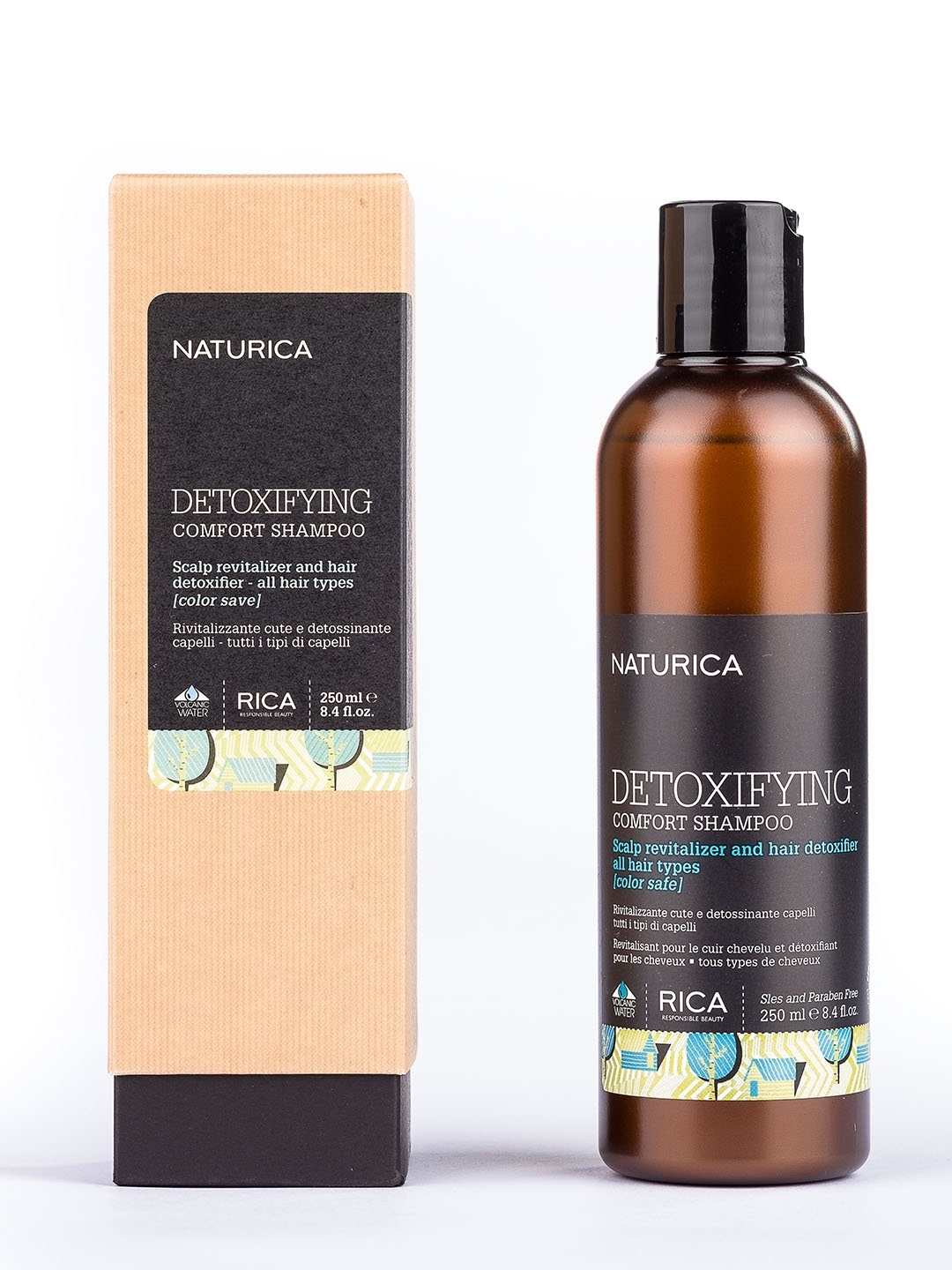
Creating an effective routine starts with understanding individual needs. A mild, sulphate-free shampoo can cleanse without stripping, while a lightweight conditioner nourishes the ends.
Weekly oiling, focusing on lengths rather than roots, helps maintain moisture. Occasional clarifying shampoos remove buildup, ensuring the scalp stays fresh without overproduction of oil.
Consistency matters more than complexity. A routine that feels manageable is more likely to deliver results. Over time, the hair begins to respond, and the stark contrast between oily roots and dry ends softens.
Products Related To This Article
1. LOreal Professionnel Absolut Repair Shampoo for Dry Hair with Protein & Omega-9
2. Dove Unisex Daily Shine Shampoo For Dull Hair 1L
3. Bare Anatomy 5X Hair Fall Control Shampoo Hair Growth
4. Pilgrim Korean Rice Water & Collagen Advanced Damage Repair Shampoo
5. Love Beauty & Planet Argan Oil & Lavender Sulfate Free Smooth and Serene Shampoo
The search for a single shampoo that solves oily scalp and dry ends often ends in disappointment, not because the products are poor but because the expectation is unrealistic. Hair, with its dual nature, demands a thoughtful approach rather than a shortcut.
Understanding the difference between scalp and ends transforms the way haircare is approached. It encourages the use of targeted products and balanced routines instead of chasing quick fixes.
In the end, healthy hair does not come from one miracle bottle sitting on a shelf. It comes from small, consistent choices that respect the complexity of hair itself. And perhaps, that shift in perspective is the real solution many have been looking for all along.
(Disclaimer: This article may include references to or features of products and services made available through affiliate marketing campaigns. NDTV Convergence Limited (“NDTV”) strives to maintain editorial independence while participating in such campaigns. NDTV does not assume responsibility for the performance or claims of any featured products or services.)