Body Wash Vs Soap: Know Which Cleans Better Without Drying Skin
Body wash and soap both cleanse, but they affect the skin differently. This article compares how each works, which suits dry or sensitive skin better, and how to choose the right option without stripping natural moisture.

Body Wash Vs Soap Explained: Which One Keeps Skin Clean And Hydrated? Find Out Now.
Step into any bathroom and the choice appears instantly: a colourful bottle of body wash or a familiar bar of soap resting on a dish. Both claim to clean well, smell lovely, and keep skin fresh. Yet many people notice tightness after bathing, white flakes on arms, or an itchy feeling that refuses to leave. These concerns spark an important question: which cleans better without stripping the skin of its natural moisture?
Skin faces enough challenges already. Heat, pollution, hard water, and frequent bathing take a toll. Cleansing should support the skin barrier, not fight against it. While trends shift and packaging grows smarter, the core difference between body soap remains rooted in formulation and usage.
This article breaks down that difference with clarity and warmth. It looks at ingredients, skin types, climate needs, cost, and even childhood habits tied to bathing. Expect practical insights, small smiles of recognition, and answers that feel grounded in everyday life rather than marketing slogans.
Body Wash Vs Soap: Which Cleans Better Without Drying Skin; Photo Credit: Pexels
Breaking Down The Real Differences Between Body Wash And Soap
1. Understanding How Skin Actually Cleans Itself
Skin does not need aggressive scrubbing to stay clean. It produces natural oils that protect against dryness, bacteria, and environmental stress. When cleansing removes too much oil, the skin panics and produces more, leading to imbalance. Traditional soaps often work by binding oil and washing it away. This action cleans effectively but can feel harsh, especially with frequent use.
Body washes usually rely on milder surfactants. These lift dirt without gripping oils too tightly. Many also include humectants like glycerine that attract water to the skin. The result often feels softer after rinsing.
Cleansing works best when it supports the skin's rhythm. Over-cleansing creates more problems than it solves. Skin that squeaks after washing might feel “extra clean,” yet that sensation signals stripped moisture. Gentle cleansing wins the long game. The aim should always focus on removing sweat, grime, and odour while leaving the protective barrier intact.
2. Soap: The Familiar Classic with Hidden Downsides
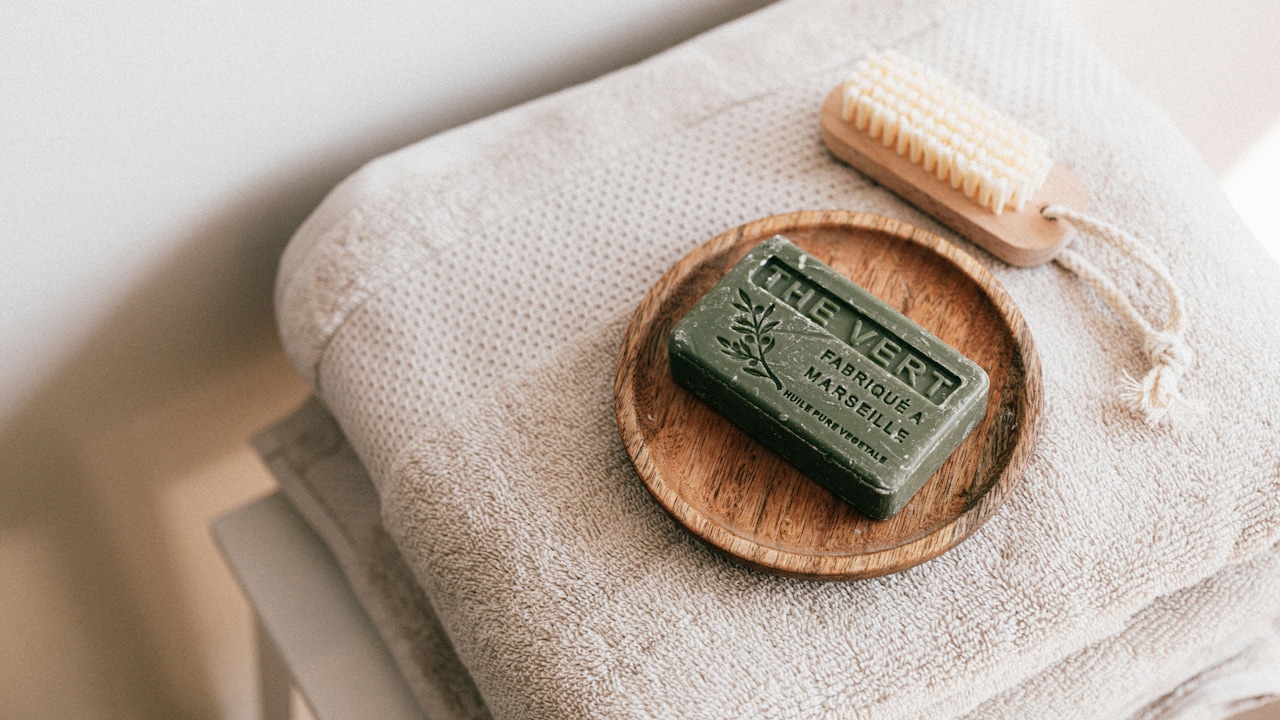
Soap carries memories of childhood baths and neatly stacked bars in cupboards. It cleans well, lasts long, and costs less. Yet most traditional soaps use alkali salts that raise the skin's pH. Healthy skin prefers a slightly acidic environment. When soap disrupts that balance, dryness and irritation often follow.
Hard water makes the issue worse. Soap reacts with minerals and leaves residue behind. That residue clogs pores and dulls the skin. Many notice a tight feeling on the face or elbows after using soap daily.
That said, not all soaps deserve blame. Syndet bars and moisturising soaps contain gentler cleansers and added oils. These options work better for dry or sensitive skin. Still, the average bar often lacks the cushioning effect that modern body washes offer. Soap cleans efficiently, but sometimes forgets comfort.
Also Read: 7 Best Hydrating Body Washes Under ₹400: From Cinthol To Nivea, For Soft, Moisturised Skin
3. Body Wash: Modern Formulas and Skin-Friendly Science
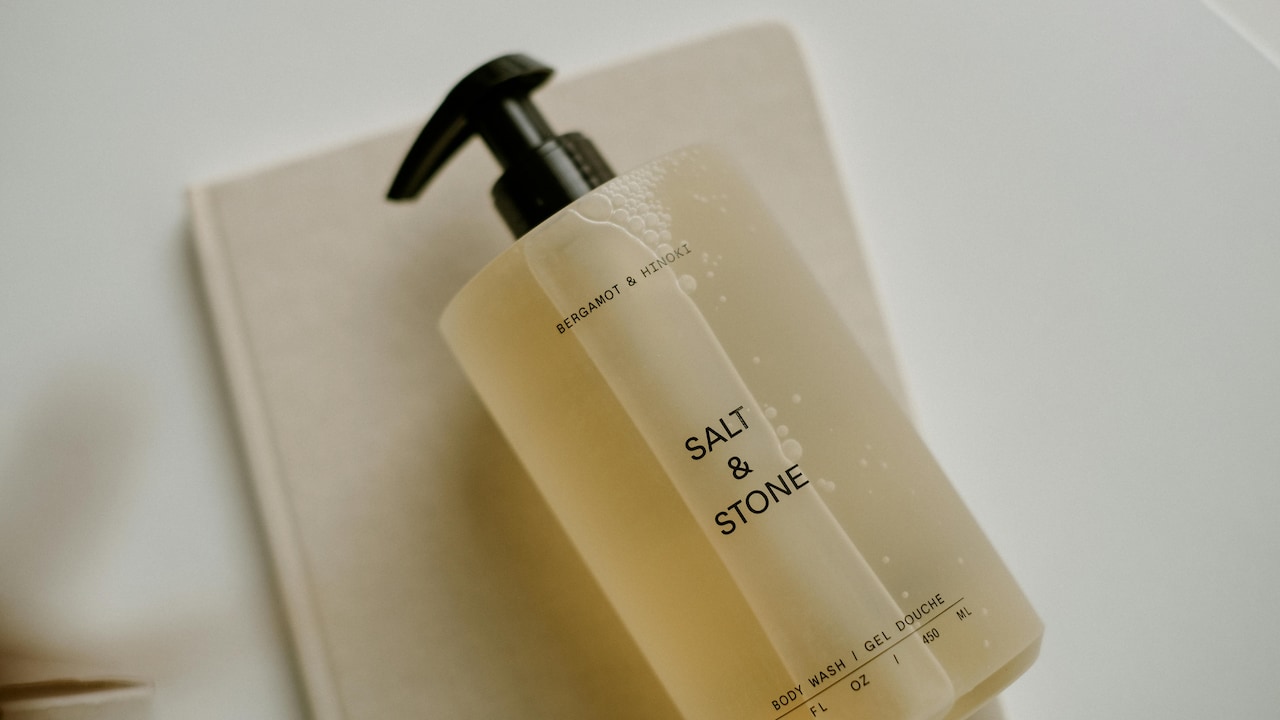
Body wash entered bathrooms with a promise of gentleness. Liquid formulas allow brands to blend mild cleansers with moisturising agents. Aloe, glycerine, honey, and oat extracts often appear in ingredient lists. These additions help reduce water loss during bathing.
Texture matters too. Creamy or gel-based washes spread easily and rinse clean without residue. Many people notice less itching and fewer flakes after switching to a body wash, especially during winter.
However, body washes also face criticism. Some formulas rely heavily on fragrance or sulphates that irritate sensitive skin. A label filled with unfamiliar chemical names can confuse buyers. The key lies in choosing wisely, not blindly. A good body wash should clean without foam overload. More lather does not mean better cleansing.
4. Dry Skin and the Climate Connection
Weather plays a quiet but powerful role in skin health. Hot summers encourage frequent showers. Cold winters reduce humidity and dry the air. Both extremes strip moisture when cleansing feels too harsh.
Soap tends to worsen dryness in colder months. The skin already struggles to hold water. Alkaline cleansers push it further off balance. Body washes with added emollients often perform better in these conditions.
In humid weather, some prefer soap for its squeaky-clean feel. Sweat and oil build-up feel heavier. Yet overuse can trigger dehydration underneath the surface. A lightweight body wash with balancing ingredients works better for year-round comfort. Climate awareness helps refine cleansing habits beyond brand loyalty.
Body Wash Vs Soap: Which Cleans Better Without Drying Skin; Photo Credit: Pexels
5. Sensitive Skin and the Itch Factor
Sensitive skin reacts quickly. Redness, itching, or burning appear after minor triggers. Soap often tops the list of irritants due to its pH and fragrance content. Even antibacterial bars can worsen sensitivity with repeated use.
Body washes designed for sensitive skin usually avoid harsh surfactants and strong perfumes. They focus on calming ingredients that soothe rather than scrub. Many dermatologists suggest liquid cleansers for conditions like eczema or frequent rashes.
That does not mean every body wash suits sensitive skin. Some still rely on flashy scents and dyes. Reading labels matters more than format. Skin speaks clearly when unhappy. Red patches and constant scratching signal the need for a gentler approach.
6. The Role of Fragrance and the Illusion of Clean
Smell influences perception. A strong fragrance often convinces the mind that the skin feels cleaner. Soap bars traditionally carry bold scents that linger. Body washes now offer everything from mild florals to rich musks.
Fragrance, however, contributes nothing to cleansing. It can irritate the skin and mask underlying dryness. Many people chase freshness through scent rather than comfort through balance. That chase often ends with flaky arms or an itchy back.
Unscented or lightly scented products work better for daily use. They clean just as effectively without overwhelming the senses or skin. True cleanliness shows in how the skin feels hours later, not just in the shower steam.
7. Cost, Longevity, and Everyday Practicality
Soap wins the cost battle at first glance. A bar lasts long and costs little. Body washes appear expensive and finish quickly. Yet usage patterns matter. Many people over-pour liquid cleansers, wasting product.
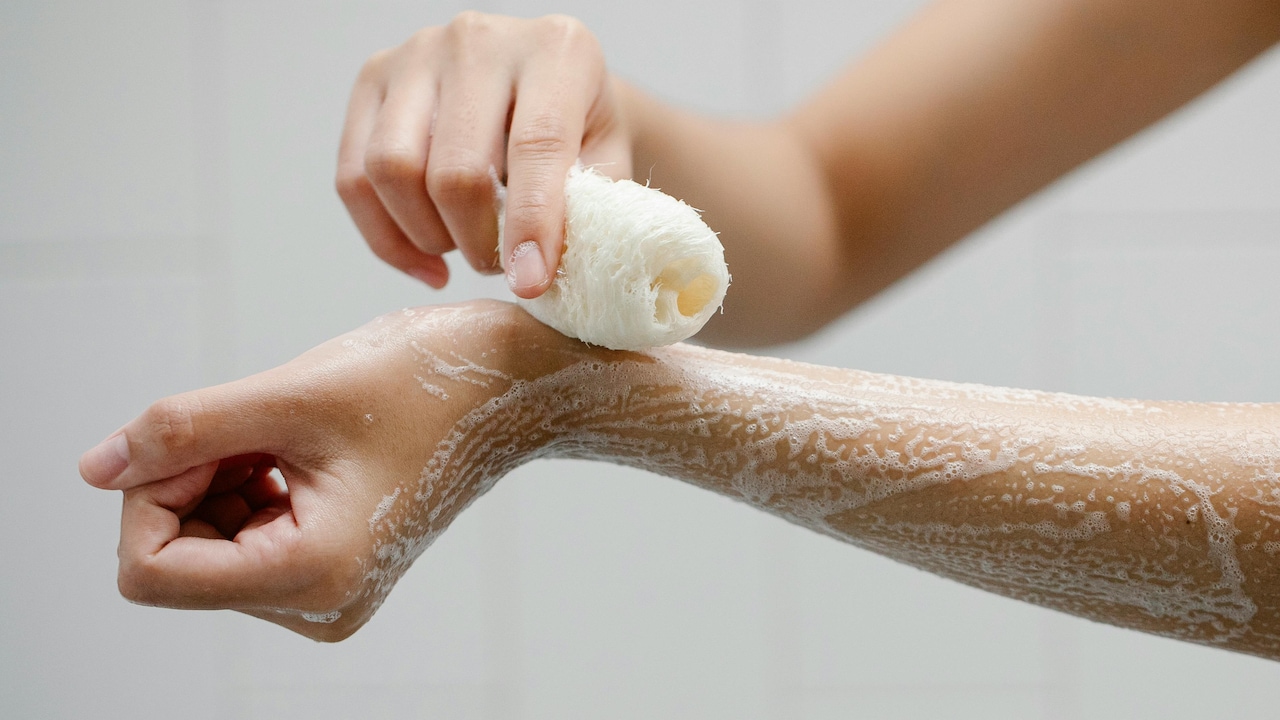
Using a loofah or sponge stretches the body wash further. A small amount produces enough lather for the whole body. Over time, the cost difference narrows. Also, skin health saves money indirectly. Fewer moisturisers and doctor visits offset product costs.
Soap suits minimalists and travel needs. Body wash suits households with varied skin types. Practicality depends on lifestyle rather than price alone.
Body Wash Vs Soap: Which Cleans Better Without Drying Skin; Photo Credit: Pexels
8. Hygiene Myths and Bacterial Concerns
Soap often carries a reputation for superior hygiene. The belief stems from visible wear and constant rinsing. Body wash bottles raise contamination concerns.
In reality, both clean effectively when used properly. Soap bars left in damp dishes can harbour bacteria. Liquid cleansers with pump dispensers often stay more hygienic.
Antibacterial claims add little value for daily bathing. Regular cleansing removes germs without killing everything on contact. Overuse of antibacterial agents can disturb the skin's natural microbiome. Balance matters more than aggression in hygiene.
9. Environmental Impact and Conscious Choices
Soap bars generate less packaging waste. They often come wrapped in paper or cardboard. Body washes rely on plastic bottles that contribute to waste.
Some brands now offer refill packs and recyclable packaging. Solid body wash bars also bridge the gap between soap and liquid cleansers. Conscious consumers can choose options that suit both skin and planet.
Environmental impact should inform, not guilt. Small changes like finishing bottles fully or choosing refill packs make a difference over time.
10. Choosing What Truly Works for Your Skin
No single answer fits everyone. Oily skin may tolerate soap better. Dry or sensitive skin often prefers body wash. Lifestyle, climate, water quality, and budget all influence the decision.
Listening to the skin matters more than trends. Tightness, redness, or itching signal a need for change. Softness, comfort, and balance signal success.
Cleansing should feel like care, not punishment. Whether using a bar or a bottle, gentleness remains the shared goal.
Products Related To This Article
1. Dermalist Exfoliating Body Wash Lactic Acid & Salicylic Acid De-Tan Shower Gel Men & Women
2. Cetaphil Cleansing Moisturizing Syndet Bar
3. The Plant Fix Plix Jamun 2% Salicylic Acid Body Wash For Body Acne
4. BooBum Magic Soap Sandal Wood - Saffron for DeTan and Glowing Brightening Skin
5. ELIBLISS Velvet Touch Vibe Body Wash with Vitamin E & AHA
6. Dermatouch Kojic Acid 1% Soap with Glutathione
7. Pears 98% Pure Glycerin Pure & Gentle Bodywash
Body wash and soap both clean well. The difference lies in how they treat the skin afterwards. Soap offers tradition, affordability, and simplicity, but it often dries the skin with repeated use. Body wash brings modern formulations, gentler cleansing, and added moisture when chosen wisely.
Healthy skin does not crave complexity. It needs respect, balance, and thoughtful care. The best cleanser leaves the skin comfortable long after the towel dries. That comfort speaks louder than foam, fragrance, or nostalgia.
Choosing between body wash and soap becomes easier when the focus shifts from habit to skin health. The shower then transforms from a routine task into a moment of care, comfort, and quiet satisfaction.
(Disclaimer: This article may include references to or features of products and services made available through affiliate marketing campaigns. NDTV Convergence Limited (“NDTV”) strives to maintain editorial independence while participating in such campaigns. NDTV does not assume responsibility for the performance or claims of any featured products or services.)