Do Face Serums Really Need Time To Work? The Truth About Skin Absorption Explained
Face serums rarely deliver instant results. Skin absorbs actives gradually, not overnight. This article explains how serums work, why patience matters and what really influences visible skin changes over time.

How Long Do Face Serums Take To Work? Understanding Skin Absorption And Results.
The love affair with face serums feels intense and universal. One drop carries hope for brighter mornings and smoother reflections. Yet confusion quickly follows. Some claim results in days. Others complain after weeks of silence from the mirror. The truth sits somewhere between hype and habit.
Skin behaves like a careful gatekeeper. It does not rush to welcome every ingredient. It tests, absorbs and responds at its own pace. That pace depends on age, climate, routine and even patience. Hot summers, dusty commutes and long workdays add their own challenges.
Understanding how serums work helps manage expectations. It also saves money and disappointment. A ₹1,200 serum deserves time and respect, not panic after three nights. This piece breaks down the science without jargon, answers common doubts, and explains why waiting often brings better rewards. Think of it as a friendly chat over cutting chai, where skincare myths finally meet facts.
Do Face Serums Really Need Time To Work? The Truth About Skin Absorption Explained
Photo Credit: Pexels
Understanding How Face Serums Interact With Your Skin Over Time
1. What Exactly Is a Face Serum?
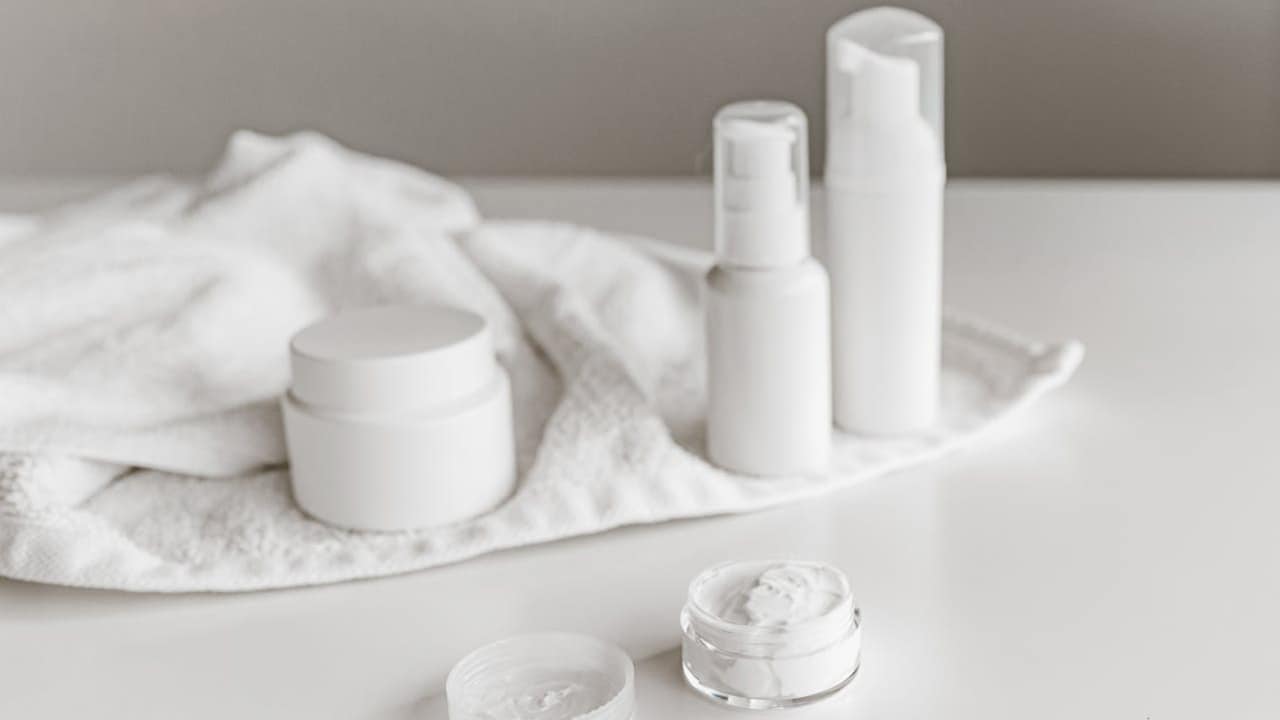
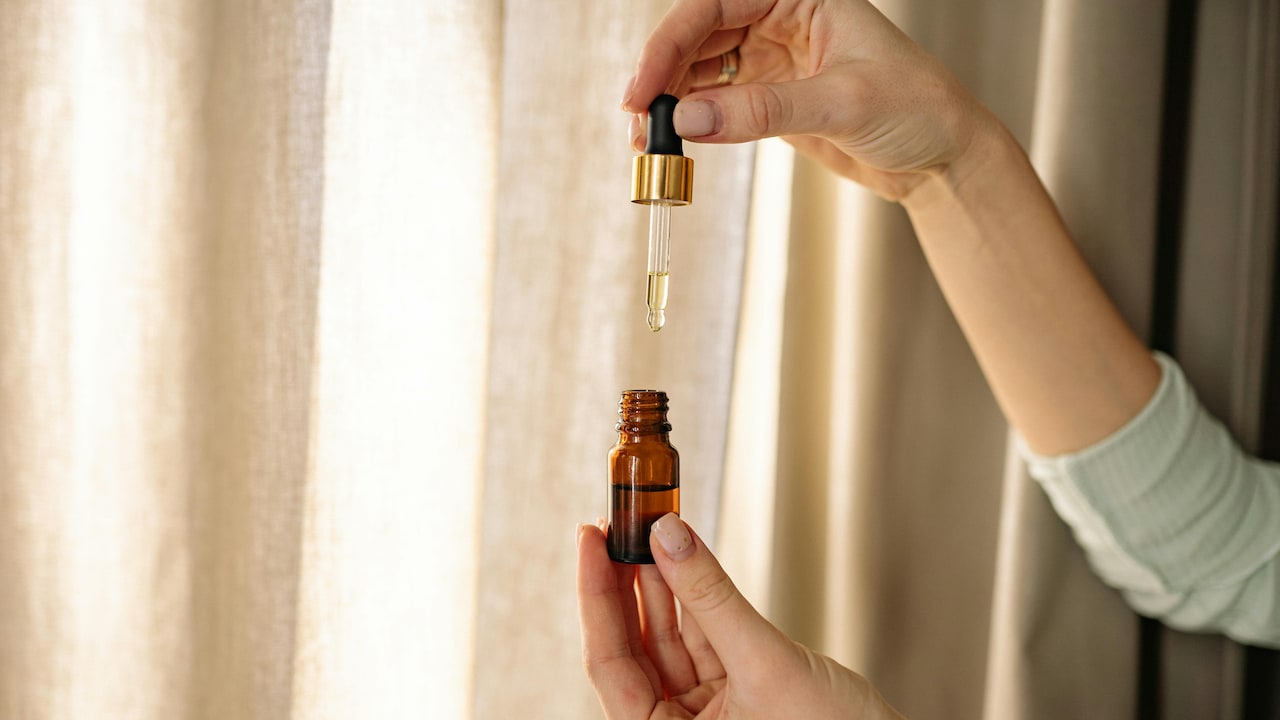
A face serum works like a concentrated shot of goodness. Unlike creams, serums feel lighter and sink faster. They carry smaller molecules that target specific concerns such as dullness, spots or fine lines. That design allows deeper reach, but it also demands patience.
Many imagine serums as instant fixers. Marketing fuels that dream. In reality, serums support skin processes rather than override them. Skin renews itself in cycles. A serum nudges those cycles in the right direction.
Think of watering a plant. One splash does not transform a dry pot. Regular care brings visible change. Serums follow the same logic. Their strength lies in consistency, not speed.
Choosing the right serum matters too. A vitamin-based serum brightens over weeks. A hydrating one plumps quickly but fades if skipped. Understanding this difference sets realistic timelines and prevents frustration.
2. How Skin Absorption Actually Works
Skin protects the body first and beautifies second. The outer layer acts like a security guard. It allows some ingredients through while blocking others. This barrier keeps moisture in and pollutants out.
Serums use lightweight formulas to pass through this barrier. Still, absorption does not equal instant results. Once inside, ingredients interact with cells. That interaction triggers a gradual change.
Environmental factors play a role. Humidity can boost absorption. Dry air slows it down. Long days under the sun can weaken skin, making it unpredictable.
Application method matters too. Gentle patting works better than aggressive rubbing. Clean skin absorbs more effectively. Layering products in the wrong order can cancel benefits.
Absorption feels quick, but transformation takes time. Skin needs days, sometimes weeks, to respond. Understanding this process removes the pressure of overnight expectations.
3. The Myth of Overnight Results
Social media loves quick wins. Before-and-after photos promise miracles in seven days. Real skin rarely behaves that way. Overnight changes usually reflect hydration or light reflection, not structural improvement.
True skin repair involves collagen, cell turnover and barrier strength. These processes move slowly. No serum can bend biology.
Temporary glow often tricks the eye. Hydrated skin looks smoother. That effect fades if the routine stops. Long-term change shows as an even tone, fewer breakouts and improved texture.
Expecting instant results leads to product hopping. Skin hates constant switching. It reacts with irritation or breakouts. A calm routine works better than constant experimentation.
Patience feels boring, yet it remains essential. Serums reward those who stick around. The mirror eventually responds with quiet confidence rather than dramatic flair.
4. Ingredients That Work Fast vs Slow
Not all ingredients move at the same pace. Hyaluronic acid hydrates quickly. Skin feels plump within days. That speed builds trust.
Ingredients like retinol or vitamin C take longer. They work deep within skin layers. Results appear after weeks of steady use. Sometimes mild purging shows up first. That phase tests commitment.
Niacinamide sits in the middle. It calms, balances oil and improves tone over time. Consistency unlocks its potential.
Understanding ingredient timelines prevents disappointment. A ₹900 serum with slow-working ingredients still holds value. It simply asks for time.
Reading labels helps. Knowing what to expect from each ingredient creates realistic goals. Skin care then feels empowering rather than confusing.
5. Age, Lifestyle and Skin Behaviour
Skin changes with age. Younger skin renews faster. Mature skin takes its time. That difference affects how quickly serums show results.
Lifestyle adds another layer. Late nights, stress and poor diet slow progress. Pollution clogs pores. Dehydration dulls the glow. A serum cannot fight everything alone.
Regular sleep supports repair. Balanced meals feed skin from within. Water keeps cells functioning. Serums work best as part of a bigger picture.
Expectations must align with reality. A 40-year-old office worker in a polluted city needs more time than a teenager with fewer stressors. That truth feels fair once accepted.
Skin reflects daily choices. Serums amplify good habits rather than replace them.
6. Climate and Its Silent Influence
Weather influences skin more than most realise. Hot, humid days increase oil production. Dry winters steal moisture. Serums react differently in each season.
Lightweight serums shine in summer. Heavier ones suit colder months. Using the wrong texture can slow absorption or clog pores.
Sweat and dust affect effectiveness, too. Cleansing becomes crucial. Clean skin absorbs better and responds faster.
Many abandon serums when the seasons change. Adjusting routine instead of quitting makes more sense. Skin appreciates flexibility.
Understanding climate impact saves money and effort. A serum that felt useless in May might perform beautifully in December. Timing often matters as much as formulation.
Do Face Serums Really Need Time To Work? The Truth About Skin Absorption Explained
Photo Credit: Pexels
7. How Long Should One Wait Before Judging Results?
Patience needs structure. Most dermatologists suggest four to six weeks. That period matches one skin renewal cycle. Some concerns need two or three cycles.
Hydration shows early. Pigmentation fades slowly. Fine lines soften last. Tracking progress weekly helps spot subtle changes.
Taking photos helps too. Daily mirror checks exaggerate flaws. Weekly comparisons show real improvement.
Quitting early wastes effort and money. A ₹1,500 serum deserves a fair trial. Skin deserves consistency.
Setting a realistic timeline reduces anxiety. Instead of chasing instant perfection, focus on gradual improvement. Skin thrives under calm expectations.
8. Common Mistakes That Delay Results
Overuse ranks high on the mistake list. More drops do not mean faster results. Skin absorbs only what it needs.
Mixing too many actives causes irritation. Redness slows progress. Simplicity often wins.
Skipping sunscreen ruins serum benefits. Sun damage reverses progress daily. Protection matters as much as treatment.
Inconsistent use also delays results. Using a serum thrice a week weakens its impact. Daily application builds momentum.
Correcting these mistakes accelerates visible change. Skin responds best to gentle, regular care rather than aggressive tactics.
9. The Psychology of Skincare Expectations
Skincare ties closely to emotion. A new serum brings hope. Delayed results feel personal. That emotional cycle influences perception.
Stress increases cortisol. High cortisol affects skin healing. Ironically, worrying about results can slow them.
Treating skincare as self-care changes the experience. Night routines become calming rituals. That mindset supports skin health indirectly.
Comparisons harm satisfaction. Every face carries a different story. Measuring progress against others invites frustration.
Viewing serums as long-term partners rather than quick fixes fosters patience. Skin responds better when care feels enjoyable rather than stressful.
10. When a Serum Truly Does Not Work
Sometimes patience still fails. Not every serum suits every skin. Breakouts, stinging or persistent dullness signal incompatibility.
Giving a serum for eight weeks provides clarity. No improvement after that window suggests a mismatch. Switching then makes sense.
Patch testing prevents disappointment. Introducing one product at a time isolates reactions.
Price does not guarantee performance. A ₹600 serum can outperform a ₹3,000 one. Skin values formulation over branding.
Knowing when to stop matters as much as knowing when to wait. Smart decisions protect skin and confidence alike.
Do Face Serums Really Need Time To Work? The Truth About Skin Absorption Explained
Photo Credit: Pexels
Products Related To This Article
1. PLIX THE PLANT FIX Jamun Face Wash & Niacinamide Serum Combo
2. Chemist at Play 10% Vitamin C Face Serum
3. Himalaya Dark Spot Clearing Turmeric Face Serum
4. Minimalist 10% Niacinamide Face Serum with Zinc
5. FIXDERMA Skarfix-TX De-Pigmentation & Brightening Face Serum
Face serums do need time to work. Skin follows its own rhythm, shaped by biology, climate and daily habits. Instant results often reflect hydration, not transformation. True improvement unfolds quietly through consistency.
Understanding absorption, ingredient timelines and personal factors changes the skincare journey. Patience replaces panic. Routine replaces hopping. Results then feel earned rather than accidental.
A serum does not promise magic. It offers support. Given time, care and realistic expectations, that support becomes visible. The mirror eventually agrees, rewarding commitment with healthier, calmer skin that speaks for itself.
(Disclaimer: This article may include references to or features of products and services made available through affiliate marketing campaigns. NDTV Convergence Limited (“NDTV”) strives to maintain editorial independence while participating in such campaigns. NDTV does not assume responsibility for the performance or claims of any featured products or services.)