Excessive Exfoliation: How Overdoing It Weakens The Skin Barrier
Over-exfoliating strips the skin barrier, causing sensitivity, breakouts and premature ageing. This article explains how too much exfoliation harms skin health and what to do to restore balance.

Too Much Exfoliation Can Harm Your Skin Barrier: Here Is What You Need To Know About It.
Glowing skin has become the modern obsession. Open any bathroom cabinet, and exfoliators appear in all shapes and forms, scrubs, toners, peels, masks, and acids with names that sound straight out of a science lab. The belief feels simple: the more exfoliation, the better the skin. Reality tells a different story.
Skin thrives on balance, not constant stripping. While exfoliation helps remove dead cells, overdoing it quietly erodes the skin barrier. The result often shows up as redness, stinging, breakouts, or that uncomfortable, tight feeling after cleansing. Many mistake these signs for 'purging' or assume tougher skin will adapt.
This article unpacks the hidden consequences of excessive exfoliation, why it happens so easily, and how to protect skin from well-meaning damage. Think of it as a friendly reminder that sometimes, doing less creates better results.

Over-Exfoliating Your Skin? Here's How It Damages The Skin Barrier
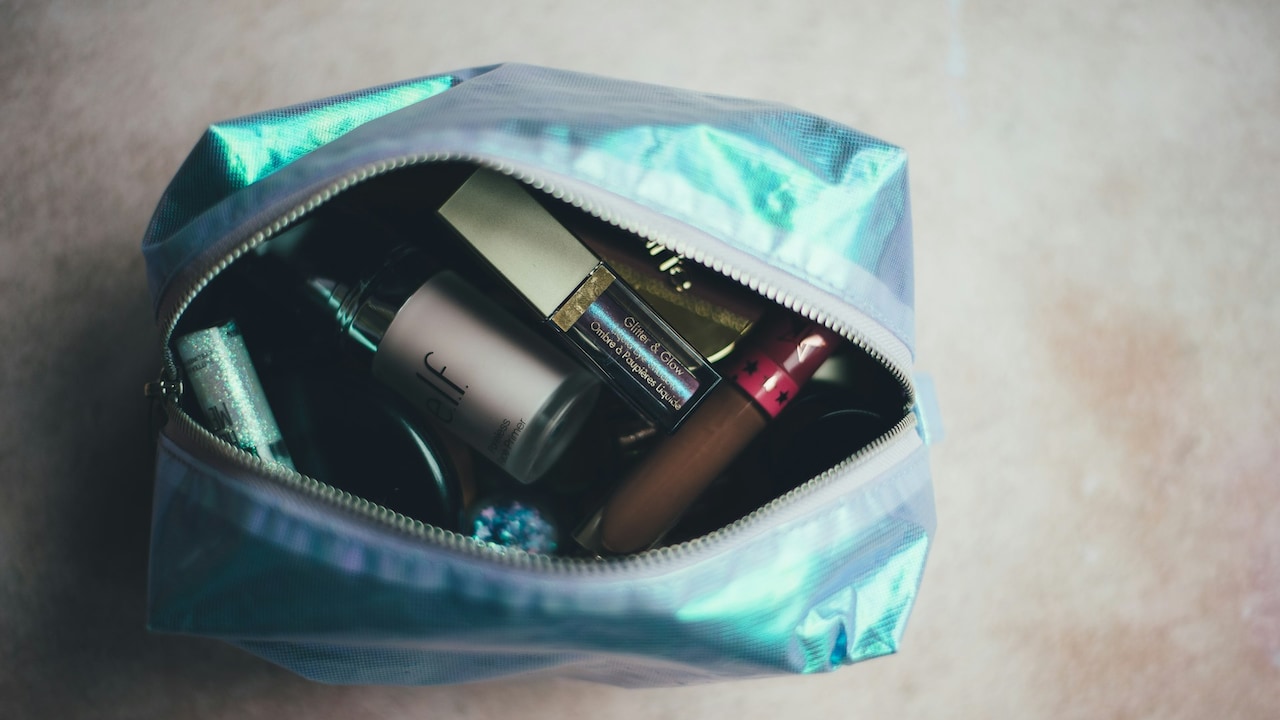
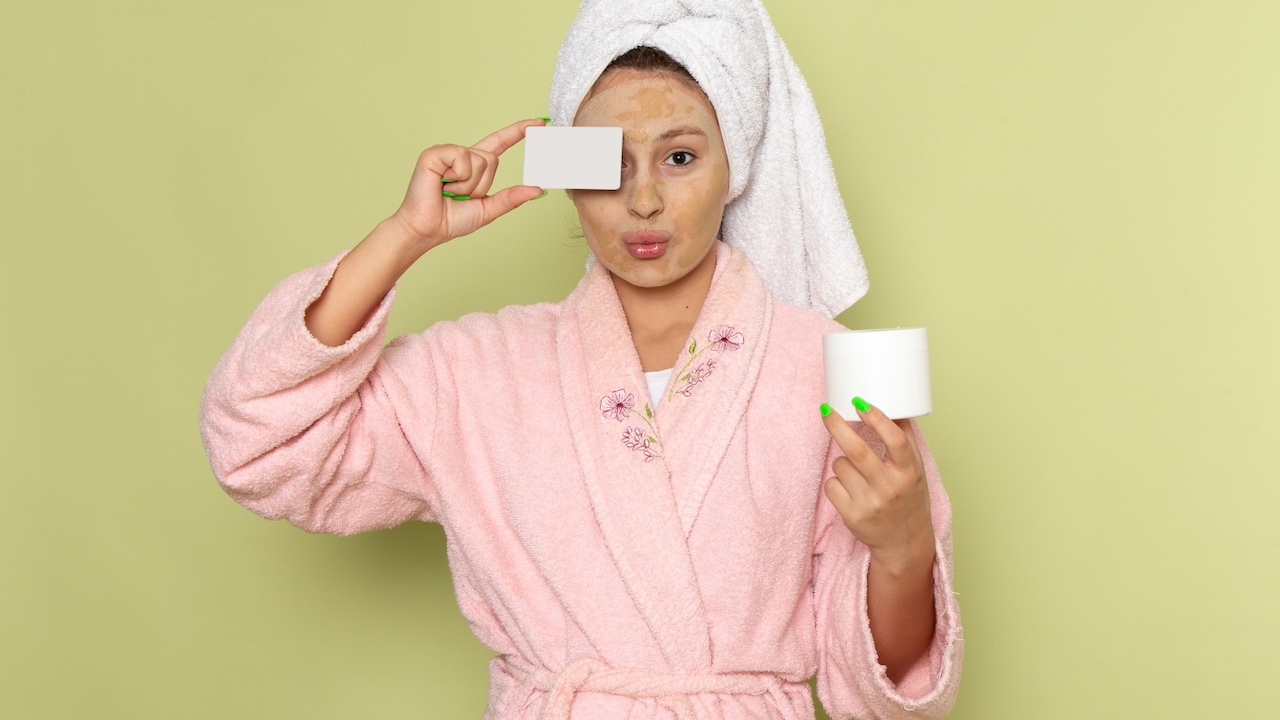
Photo Credit: Pexels
How Excessive Exfoliation Disrupts Skin Health
1. Understanding the Skin Barrier: The Unsung Hero
The skin barrier works like a protective wall. It keeps moisture in and irritants out. When intact, skin feels comfortable, resilient, and calm. When damaged, everything goes wrong.
Over-exfoliation chips away at this barrier. Scrubs and acids remove dead cells but also disturb healthy lipids. Imagine scrubbing a freshly painted wall every day. The paint fades, cracks appear, and the surface weakens.
Signs of barrier damage often hide in plain sight. Skin may sting when applying products. Makeup stops sitting well. Even plain water causes discomfort. Many push through these warnings, assuming skincare 'takes time'.
Healthy skin does not burn or feel raw. It feels balanced. Protecting the barrier matters more than chasing instant brightness.
2. Why Exfoliation Became a Skincare Obsession
Skincare trends move fast. Social media pushes dramatic before-and-after results. Product labels promise glass-like skin in days. Exfoliation fits neatly into this culture of quick fixes.
Chemical exfoliants gained popularity for good reason. Used correctly, they smooth the texture and unclog pores. Problems start when layering multiple exfoliants without understanding their strength.
A weekly scrub turns into a daily toner. Acids appear in cleansers, serums, and masks simultaneously. Skin rarely gets a break.
Many believe discomfort equals effectiveness. Tingling feels productive. Redness looks like progress. Marketing reinforces this idea, but skin does not respond well to constant stress.
Skincare should support skin, not challenge it daily. Trends fade, but damaged barriers take months to heal.
3. Physical vs Chemical Exfoliation: Both Can Harm
Physical exfoliation relies on friction. Walnut scrubs, coffee grounds, and sugar grains feel satisfying but often cause micro-tears. These tiny injuries weaken the barrier over time.
Chemical exfoliation sounds gentler but packs power. AHAs, BHAs, and PHAs dissolve dead skin cells. Used sparingly, they work beautifully. Used excessively, they thin the skin's protective layer.
Combining both methods increases risk. Scrubbing followed by acid application doubles the stress. Skin may appear smooth initially, but irritation soon follows.
Sensitive areas suffer first. Cheeks feel raw. Jawlines break out. The neck reacts even faster. Over-exfoliation rarely shows immediate disaster. It builds quietly, then erupts.
Choosing one method and using it wisely protects long-term skin health.
4. The Myth of 'Tough Skin'
Many believe skin becomes stronger with constant exfoliation. The opposite happens. Over-exfoliation sensitises skin, making it reactive.
Once the barrier weakens, allergens penetrate more easily. Fragrance stings. Sun exposure burns faster. Pollution triggers inflammation. Skin that once tolerated everything suddenly reacts to basic moisturiser.
This shift confuses many. The instinct often involves buying stronger products. Acids get upgraded. Retinoids enter the routine. Damage deepens.
Healthy skin does not need to 'toughen up'. It needs support. Rest days matter. Hydration matters. Protection matters.
Treating skin gently does not slow progress. It preserves it.
5. Breakouts Caused by Over-Exfoliation
Exfoliation aims to prevent breakouts, yet excess often triggers them. When the barrier weakens, skin produces more oil to compensate for moisture loss. Pores clog faster.
Inflammation also worsens acne. Red, angry pimples appear instead of small whiteheads. Healing takes longer. Marks linger.
This cycle frustrates many. Acne worsens, exfoliation increases, and irritation spirals. Skin feels constantly inflamed.
Balanced routines reduce breakouts better than aggressive ones. Gentle cleansing, limited exfoliation, and barrier-repairing products calm skin and reduce flare-ups.
Clear skin does not come from punishment. It comes from consistency and care.
6. Over-Exfoliation and Premature Ageing
Exfoliation often promises youthful skin. Ironically, overdoing it accelerates ageing signs.
The skin barrier protects collagen and elastin. When compromised, moisture escapes. Fine lines appear more pronounced. Skin loses plumpness.
Chronic inflammation also breaks down collagen. Redness becomes persistent. Texture worsens. Sun damage accelerates without adequate protection.
Many notice makeup settling into lines despite exfoliating more. The glow fades into dull sensitivity.
True anti-ageing focuses on preservation. Sunscreen, hydration, and barrier repair outperform constant resurfacing. Healthy skin ages gracefully when treated kindly.
7. Cultural Skincare Habits That Encourage Overdoing It
Traditional beauty routines often emphasise scrubbing for brightness. Homemade mixtures promise instant fairness. Harsh rubbing becomes a ritual before events.
While intentions remain good, repeated friction damages skin. Lemon, salt, and abrasive powders strip oils aggressively. Results feel temporary, but damage lasts.
Urban lifestyles add pollution and sun exposure to the mix. Skin already works hard to defend itself. Over-exfoliation removes its armour.
Modern skincare should blend tradition with science. Gentle cleansing and minimal exfoliation honour both wisdom and skin health.
Glowing skin does not require suffering. It requires balance.
8. Recognising Early Warning Signs
Skin communicates clearly. Burning sensations, tightness, redness, and increased sensitivity signal trouble. Ignoring these signs worsens damage.
Another warning appears when the moisturiser stings or absorbs too quickly. Makeup starts separating. Skin looks shiny yet dehydrated.
Some mistake these signs for purging or seasonal changes. Exfoliation continues. Damage deepens.
Listening early prevents long recovery periods. Skin heals slowly. Weeks of over-exfoliation may require months of repair.
Awareness saves time, money, and discomfort.
9. Repairing a Damaged Skin Barrier
Healing begins with stopping exfoliation. Skin needs rest. Gentle cleansers and fragrance-free moisturisers help restore lipids.
Ingredients like ceramides, glycerin, and panthenol support barrier repair. Sunscreen becomes non-negotiable. Sun exposure worsens inflammation.
Skipping actives for a few weeks feels uncomfortable, but pays off. Skin gradually regains comfort. Redness fades. Texture improves.
Repair does not require expensive routines. Simple products often work best. Spending ₹500 wisely beats chasing ₹5,000 miracle creams that promise overnight recovery.
Patience restores what aggression breaks.
10. Finding the Right Exfoliation Balance
Exfoliation still has a place. Used thoughtfully, it improves texture and clarity. Frequency matters more than strength.
Once or twice a week suits most skin types. Choosing mild formulas reduces risk. Avoid stacking exfoliants across products.
Seasonal changes matter. Skin tolerates less exfoliation during dry months. Stress, illness, and travel also reduce tolerance.
Skincare works best when it adapts to life, not rigid rules. Skin changes daily. Listening matters.
Balanced exfoliation enhances skin without harming its foundation.
Products Related To This Article
1. Chemist at Play Daily Exfoliating Body Wash With Vitamin E
2. PLIX THE PLANT FIX PLIX Pineapple 5% Lactic Acid Exfoliating Body Wash
3. Oriflame Optimals Deep Cleansing Gel
4. Dove 4% Refining Serum + AHA Exfoliate Away Serum Body Wash
5. DOT & KEY Watermelon SuperGlow Facial Gel Cleanser with Vitamin C & Cucumber
6. Pilgrim Glycolic Acid-AHA, Salicylic Acid-BHA, PHA Face Exfoliator-Peeling Solution Serum
7. DR. SHETHS Gulab & Glycolic Acid Body Peel
Exfoliation remains one of skincare's most misunderstood steps. While it promises instant glow, excess quietly undermines skin health. A weakened barrier leads to sensitivity, breakouts, and premature ageing.
Healthy skin does not demand constant renewal. It thrives on protection, hydration, and respect. Slowing down often delivers better results than chasing trends.
Skincare works best when treated like a long-term relationship, not a quick fix. Gentle choices today protect skin for years to come. Sometimes, the real glow appears when the scrubs step aside, and skin gets the chance to breathe.
(Disclaimer: This article may include references to or features of products and services made available through affiliate marketing campaigns. NDTV Convergence Limited (“NDTV”) strives to maintain editorial independence while participating in such campaigns. NDTV does not assume responsibility for the performance or claims of any featured products or services.)