Why Your Foundation Looks Perfect Indoors But Patchy Outside: And What To Buy Instead
Foundation looking flawless indoors but patchy outside? The problem isn’t your skills; it’s lighting, prep, and formula. Here’s how to fix it and choose products that actually work in real daylight.

Check out the reasons that make your foundation turn patchy outside.
The mirror at home can be oddly reassuring. Soft yellow lighting, a familiar angle, and suddenly everything looks smooth, blended, almost airbrushed. Step outside, though, and reality arrives uninvited. The same foundation begins to look uneven, cakey, or strangely dull. It's a frustrating experience that many quietly deal with, often blaming their skills instead of the real culprits.
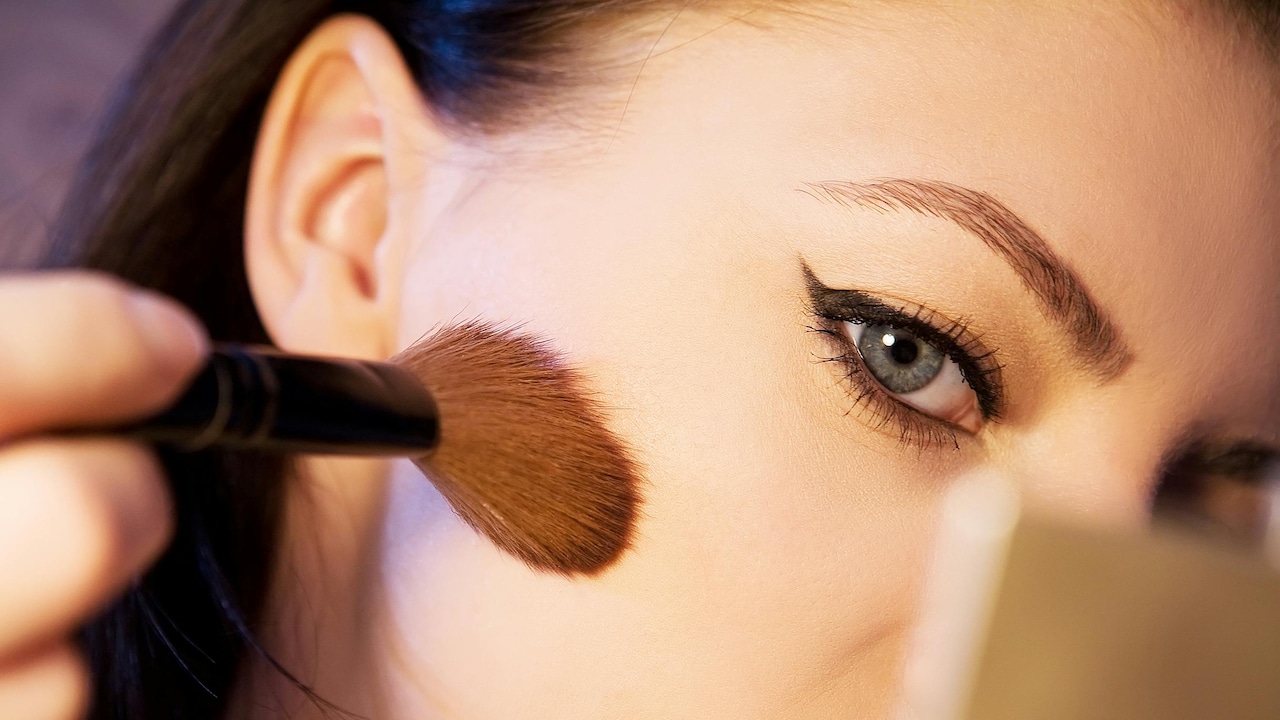
10 reasons for patchy-looking foundation; Photo Credit: Pexels
The issue isn't just technique. It's a mix of lighting, product choice, skin condition, and even weather. From humid afternoons to dusty commutes, the environment plays a bigger role than most expect. The good news is that a patchy foundation isn't a mystery; it's a fixable problem. With the right understanding and smarter product choices, makeup can look just as good outdoors as it does under that comforting bedroom light.
Also Read: Best Dewy Finish Foundations Under ₹1400 for a Glowing, Natural Look
Understanding Why Your Base Changes The Moment You Step Outside
Lighting Lies: The Illusion Of Indoor Perfection
Indoor lighting flatters. It softens shadows, blurs texture, and hides imperfections. Most homes use warm or diffused lights that make skin appear smoother than it actually is. Under these conditions, the foundation seems perfectly blended, even when it isn't.
Natural daylight works differently. It's harsh, direct, and brutally honest. It highlights uneven blending, dry patches, and excess product. That flawless base suddenly reveals streaks or oxidation that went unnoticed indoors. The difference feels almost unfair.
The trick lies in checking makeup in multiple lighting conditions. A quick glance near a window can prevent surprises later. Some even use a small mirror to step into sunlight before heading out. It's a simple habit, yet it changes everything. When the foundation looks good in daylight, it almost always looks good everywhere else.
Skin Prep: The Unsung Hero Of Smooth Makeup
Foundation sits on skin, not just over it. If the base underneath isn't ready, no product can truly fix the outcome. Dry patches, excess oil, or leftover skincare residue can all disrupt how foundation applies and wears.
Hydration plays a huge role. Skin that lacks moisture tends to absorb foundation unevenly, leading to patchiness. On the other hand, overly oily skin can cause slipping and separation. Balance is key. A lightweight moisturiser suited to the skin type works wonders.
Exfoliation also deserves attention. Dead skin cells create texture that becomes more visible under natural light. Gentle exfoliation a few times a week helps create a smoother canvas. When skin feels healthy and balanced, foundation glides on rather than clinging awkwardly.
The Wrong Shade Problem Nobody Talks About Enough
A foundation that matches perfectly indoors can look completely off outside. Artificial lighting often distorts undertones, making a shade appear warmer or cooler than it really is. Step outside, and suddenly the face looks either too pale, too orange, or oddly grey.
Undertones matter more than expected. Warm, cool, or neutral undertones determine how the foundation blends with natural skin colour. Choosing the wrong undertone often causes that patchy, mismatched look, especially around the jawline and neck.
Testing foundation in daylight is the only reliable way. Swatching along the jawline instead of the hand gives a clearer idea of how the shade blends with both face and neck. It might take a little extra time at the store, but it saves countless disappointing mornings later.
Formula Matters More Than Brand Name
It's tempting to believe that expensive equals better. A ₹3,000 foundation may look appealing, but if the formula doesn't suit the skin type, it won't perform well outdoors. On the flip side, a ₹500 product with the right formulation can look flawless.
Dewy formulas work beautifully for dry skin but may slide off oily areas in humid weather. Matte formulas control shine but can cling to dry patches if skin prep isn't done right. Then there are satin finishes, which strike a balance and often perform well across different conditions.
Understanding what the skin needs matters more than following trends. The right formula blends seamlessly and stays consistent in both indoor and outdoor lighting. It doesn't fight the skin; it works with it.
Tools And Technique: Fingers, Brushes, Or Sponges?
Application technique can quietly make or break a base. Fingers offer warmth and control, but they can also leave uneven patches if not blended properly. Brushes provide coverage but may create streaks when used incorrectly. Sponges, especially damp ones, help achieve a more natural finish.
The goal isn't perfection but even distribution. Pressing and blending rather than dragging helps the foundation settle into the skin better. Thin layers work far better than one heavy application. Building coverage gradually avoids that cakey, patchy effect that becomes obvious outdoors.
Each tool has its place, and experimenting helps find what works best. The difference often shows not under indoor lights but in that unforgiving daylight outside.
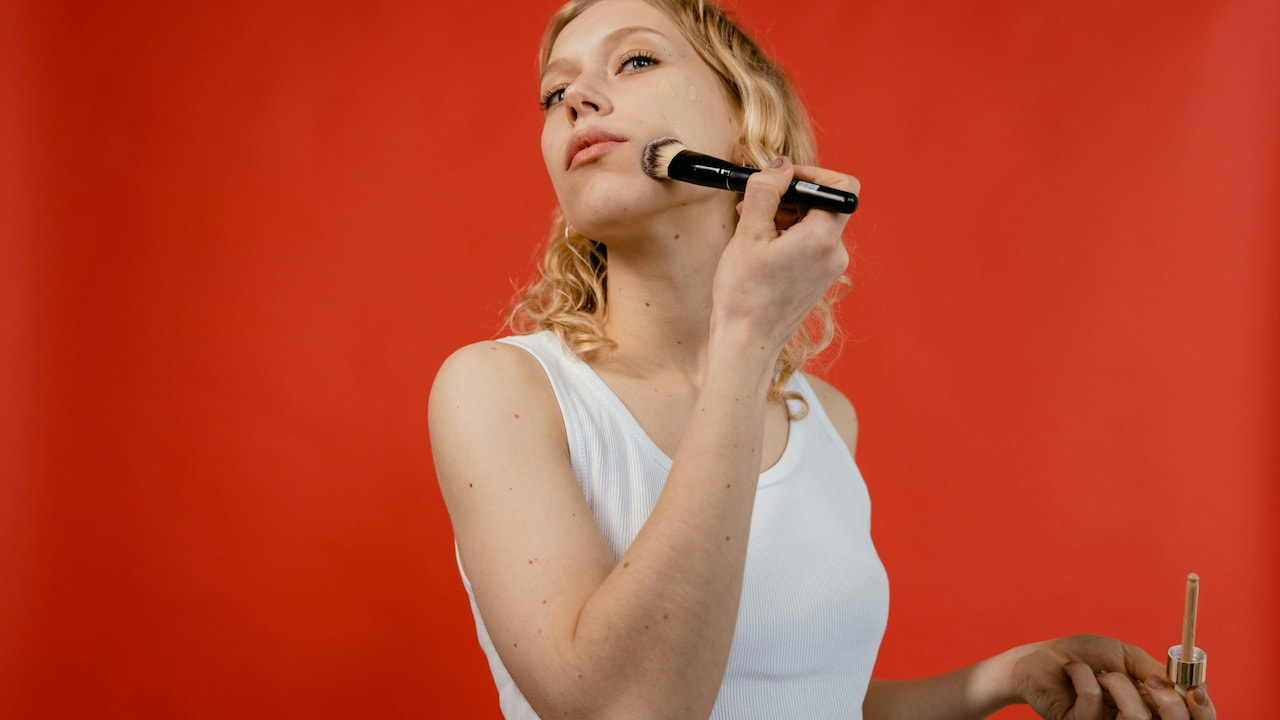
Application method can also make your foundation look patchy; Photo Credit: Pexels
Weather And Environment: The Invisible Enemy
Heat, humidity, dust, and pollution all affect how the foundation behaves. A base that looks flawless in an air-conditioned room may not survive a busy commute or a warm afternoon.
Humidity causes the foundation to break down faster, leading to patchiness and uneven fading. Dry weather, on the other hand, can make skin flaky, causing foundation to cling awkwardly. Dust and pollution add another layer of complexity, settling on the skin and disturbing the finish.
Choosing long-wear, breathable formulas helps maintain consistency. Lightweight foundations often perform better than heavy ones in changing conditions. A good setting spray can also lock everything in place, helping makeup withstand real-world challenges.
Over-Application: When Less Really Is More
It's easy to assume that more product equals better coverage. In reality, too much foundation often leads to the opposite effect. Thick layers settle into lines, emphasise texture, and look uneven under natural light.
A thin, well-blended layer creates a more natural finish. Areas that need extra coverage can be built up gradually instead of applying a heavy coat everywhere. This approach keeps the skin looking like skin, rather than a mask.
Blending also plays a role here. Taking a few extra seconds to ensure edges are seamless makes a noticeable difference. It's not about perfection but about balance.
The Role Of Primer And Setting Products
Primer often gets overlooked, yet it can transform how the foundation behaves. A good primer smooths texture, controls oil, and helps foundation adhere better to the skin. It acts as a bridge between skincare and makeup.
Setting powders and sprays also contribute to longevity. However, over-powdering can make the face look dry and patchy, especially in daylight. A light hand works best. Focusing on areas that tend to get oily while leaving other areas natural creates a more balanced look.
When used thoughtfully, these products don't just extend wear; they improve how the foundation looks throughout the day.
Oxidation: The Sneaky Colour Change
Oxidation can turn a perfectly matched foundation into a shade darker or more orange after a few hours. This change becomes more noticeable outdoors, where lighting reveals the true colour.
Several factors contribute to oxidation, including the skin's natural oils, the formula of the foundation, and even environmental exposure. It's not always predictable, which makes it frustrating.
Choosing foundations known for minimal oxidation helps. Testing a product and waiting a few hours before deciding can prevent surprises. Sometimes, selecting a slightly lighter shade compensates for the expected change.
What To Buy Instead: Smarter Choices For Real Life
Instead of chasing trends or viral products, focusing on practical choices makes a difference. Lightweight, buildable foundations tend to perform better across different environments. Products labelled as “long-wear” or “humidity-resistant” often hold up well in daily conditions.
Skin tints and BB creams also deserve attention. They offer a natural finish that adapts better to changing light, making patchiness less noticeable. While they may not provide full coverage, they create a more realistic, even look.
Spending wisely matters too. A ₹800–₹1,500 product that suits the skin often outperforms a high-end option that doesn't. Pairing it with a good moisturiser and a reliable setting spray creates a routine that works both indoors and outside.
Products Related To This Article
1. MARS SPF50 PA++++ High Coverage Foundation | Tested by IN-VIVO with 5 Star Foundation
2. MAYBELLINE NEW YORK Matte+Poreless Liquid Tube Foundation
3. FACES CANADA Weightless Matte Finish Foundation | Lightweight | Anti-Ageing | Flawless Finish Foundation
4. Tirtir MASK FIT RED CUSHION Foundation
5. SHOPAAREL Liquid Foundation Full Coverage, Hyderdating Matte Finish for face make up
The difference between flawless indoor makeup and patchy outdoor reality isn't as mysterious as it seems. It's a mix of lighting, preparation, product choice, and environment. Each factor plays a role, and ignoring even one can affect the final look.
The good news is that small changes go a long way. Checking makeup in natural light, choosing the right formula, and focusing on skin health can transform how foundation appears throughout the day. It's less about chasing perfection and more about understanding what works.
Makeup should feel like an extension of the skin, not a constant worry. When the right balance is found, stepping outside no longer feels like a test, it simply feels like stepping out, confident and comfortable.
(Disclaimer: This article may include references to or features of products and services made available through affiliate marketing campaigns. NDTV Convergence Limited (“NDTV”) strives to maintain editorial independence while participating in such campaigns. NDTV does not assume responsibility for the performance or claims of any featured products or services.)