Frizzy Hair After Blow Drying? This Is What's Causing It And How To Stop It
Frizzy hair after blow drying is often caused by heat damage, lack of moisture, or wrong techniques. This article explains why it happens and shares simple, effective ways to get smoother, manageable hair.
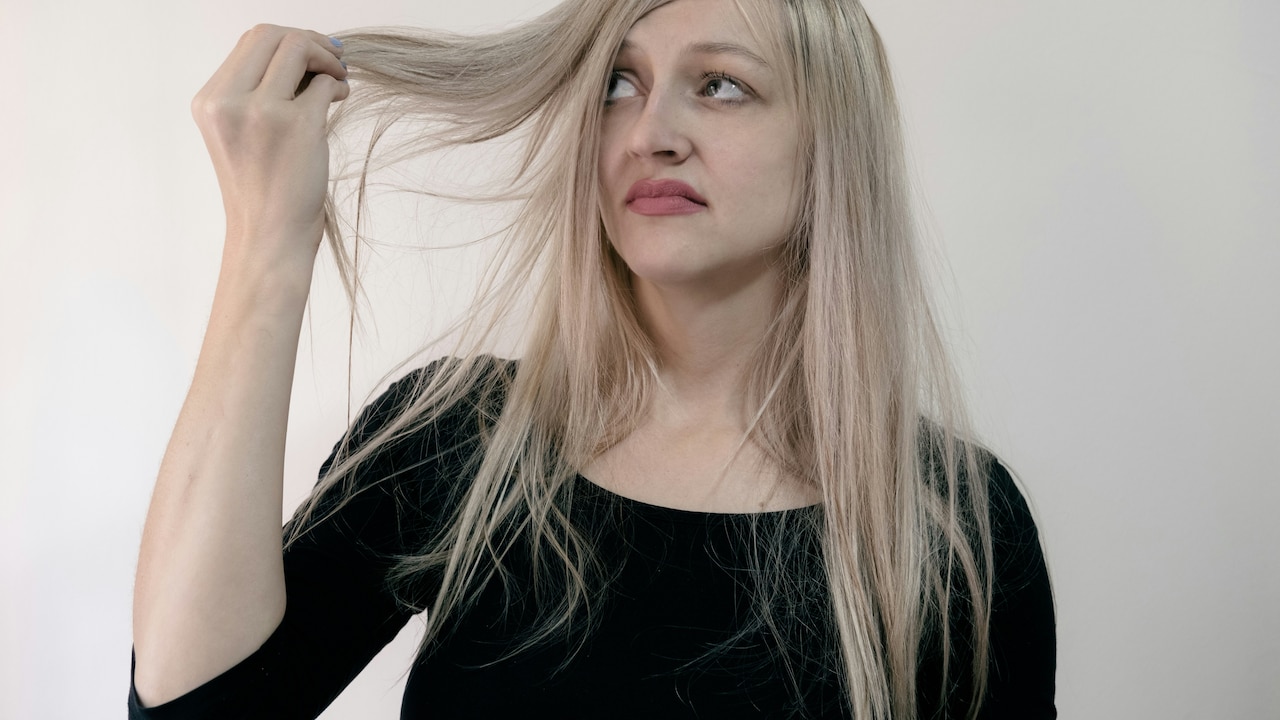
Hair Gets Frizzy After Blow Drying? Here Is Why And How to Fix It.
Blow drying feels like a simple routine. Wash hair, dry it, step out. Yet the mirror sometimes tells a different story. Hair turns dry, fluffy, rough, and stubborn. The brush refuses to cooperate, and humidity seems to laugh from the sidelines. Frizz often feels personal, but it follows science, environment, and daily habits.
Hair reacts strongly to heat, moisture, and handling. Add local climate quirks, water quality, and rushed mornings, and frizz becomes almost predictable. Many believe frizz means damaged hair, but that is only part of the truth. Even healthy hair can frizz when treated the wrong way.
Understanding the real reasons behind post-blow-dry frizz helps cut through myths and marketing noise. Small changes in technique, products, and timing can make a visible difference. This article explores the most common reasons hair turns frizzy after blow drying and offers practical, realistic fixes that fit everyday life.

Why Does My Hair Get Frizzy After Blow Drying? How to Fix It
Photo Credit: Unsplash
Understanding What Really Causes Frizz After Blow Drying
1. Hair Lacks Moisture
Dry hair loves frizz. When strands lack moisture, they search for it in the air. Blow drying without proper hydration strips natural oils, leaving cuticles open and thirsty. This causes hair to swell, puff, and lose shape. Shampoo choices often worsen the issue. Many formulas clean too well and remove essential moisture.
The fix starts in the shower. A gentle, moisturising shampoo and a nourishing conditioner help maintain balance. Conditioning should never feel optional. Focus on mid-lengths and ends, where dryness shows first. A weekly deep-conditioning mask also restores softness.
After washing, towel behaviour matters. Rough rubbing lifts cuticles and invites frizz. A soft cotton T-shirt works better than a regular towel. Moisture retained inside the hair shaft leads to smoother blow-drying and calmer strands.
2. Heat Is Too High
High heat feels efficient, but hair pays the price. Excessive temperature boils moisture inside strands, causing bubbles and weakness. This roughens the cuticle, which leads directly to frizz. Many dryers sold locally focus on power, not control, which tempts users to turn settings all the way up.
Lower heat works better than expected. Medium heat with patience delivers smoother results. Hair responds well to consistent warmth rather than sudden blasts. The cool shot button is also underrated. A quick cool blast seals the cuticle and locks in shape.
Using heat thoughtfully protects hair texture. Blow drying may take a few extra minutes, but smoother, shinier hair lasts much longer. Hair prefers calm heat, not aggression.
3. Hair Type Is Ignored
Not all hair behaves the same way. Fine hair frizzes differently from thick or curly hair. Treating every texture with the same routine leads to frustration. Curly or wavy hair often reacts badly to brushing during blow drying, while straight hair needs tension for smoothness.
Understanding texture changes everything. Wavy and curly hair benefits from scrunching and diffusing instead of brushing. Straight or slightly wavy hair responds well to round brushes and controlled airflow. Products should also match hair type. Heavy creams weigh down fine hair but help thick strands.
Once routines align with natural texture, frizz reduces naturally. Fighting hair's personality only creates chaos. Working with it brings peace and better results.
4. Humidity Joins the Party
Weather plays a big role in frizz. Moist air causes hair to absorb water, swell, and lose shape. Coastal regions and monsoon seasons amplify this effect. Blow-drying during humid hours often feels like a losing battle.
Timing helps. Blow drying when the air feels drier gives better control. Anti-humidity serums and creams form a protective barrier around hair strands. These products do not fight moisture; they manage it.
Finishing products matter more in humid weather. A light serum on dry hair seals the cuticle and reduces puffiness. Hair behaves better when protected from the environment rather than exposed to it.
5. Wrong Brush Causes Trouble
The brush used during blow drying shapes the final result. Plastic brushes with sharp edges create static and friction. This lifts cuticles and increases frizz. Brushes that are too small or too crowded also tangle hair unnecessarily.
Natural bristle brushes or ceramic round brushes distribute heat evenly. They smooth the cuticle while adding shine. Paddle brushes suit straight styles, while round brushes add volume and control.
Cleaning brushes regularly also matters. Product buildup and dust transfer back onto hair, dulling shine. A good brush acts like a styling partner, not an enemy.
6. Hair Is Not Sectioned
Rushing through blow-drying without sectioning leads to uneven heat and poor control. Hair dries randomly, causing some areas to overheat while others remain damp. This inconsistency results in frizz and flyaways.
Sectioning brings order. Dividing hair into manageable parts ensures even drying and smoother results. Clips help keep sections tidy and reduce stress on arms and wrists.
Working from roots to ends allows cuticles to lie flat. Each section receives attention, which improves overall texture. Blow drying becomes calmer and far more effective with this simple habit.
7. Heat Protection Is Skipped
Skipping heat protectant feels harmless, but damage builds quietly. Heat protection products create a shield that reduces moisture loss and surface damage. Without it, hair becomes rough and brittle over time.
Heat protectants now come in lightweight sprays, creams, and serums. They suit all hair types and do not feel greasy when used correctly. Applying a small amount to damp hair makes a visible difference.
Think of heat protectant as sunscreen for hair. One would not step into harsh sunlight without protection. Hair deserves the same care before facing heat tools.
Also Read: Grab Best Deals On Hair Straighteners Under ₹999
8. Ends Are Over-Dried
Hair ends are the oldest and weakest part of the strand. Over-drying them causes split ends and frizz. Many focus the dryer on the ends for too long while styling, which dries them beyond repair.
The fix lies in drying roots first. Roots hold more moisture and take longer to dry. Once roots feel dry, ends usually follow. Finishing with a cool blast helps prevent overdrying.
A tiny drop of serum on the ends after drying adds polish. Healthy ends anchor the style and reduce overall frizz dramatically.
9. Product Overload Weighs Hair Down
More product does not mean better results. Layering too many creams, oils, and sprays suffocates hair. This causes buildup, dullness, and unpredictable frizz.
Choosing one or two effective products works best. A leave-in conditioner and a light serum often suffice. Amount matters as much as choice. Coin-sized portions usually work well for medium-length hair.
Less clutter leads to better results. Hair feels lighter, smoother, and easier to manage when allowed to breathe.
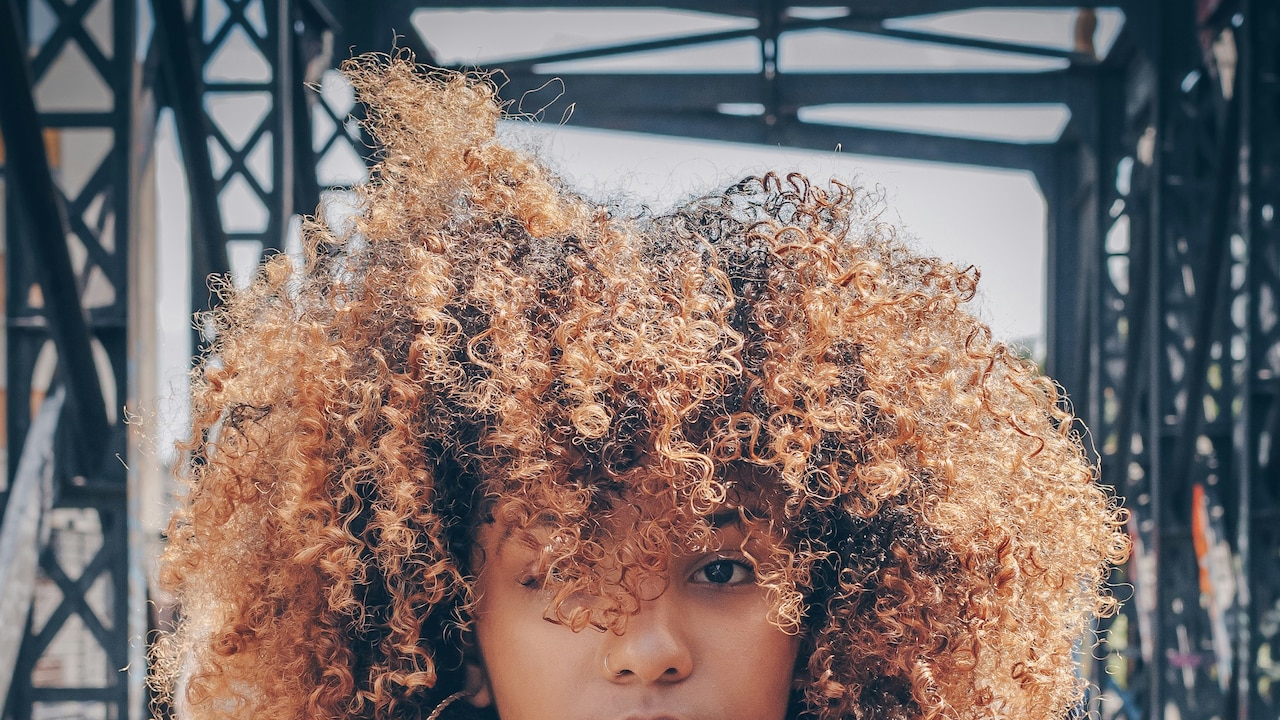
Why Does My Hair Get Frizzy After Blow Drying? How to Fix It
Photo Credit: Pexels
10. Haircut Is Outdated
Sometimes frizz signals the need for a trim. Uneven layers and damaged ends refuse to sit flat. No product or technique can fully fix a tired haircut.
Regular trims every eight to ten weeks keep hair healthy. They remove split ends and restore shape. A good cut supports blow drying and reduces styling time.
Discuss daily routine with the stylist. A cut that suits lifestyle and texture behaves better at home. Hair rewards thoughtful maintenance with cooperation and shine.
Products Related To This Article
1. Havells Styling Hair Dryer | Hypersonic Motor
2. BEARDO Studio Professional Tornado Hair Dryer With 2000 Watts Power
3. Vega Ionic 1200-1400W Foldable Hair Dryer for Men and Women
4. Pigeon Hair Dryer
5. Ikonic Pro 2100+ Hair Dryer 2000W
6. Philips Hair Dryer
7. Beurer HC 30 2400 Watts hair dryer for women
Frizz after blow-drying does not mean defeat. It reflects how hair responds to care, climate, and habits. Small adjustments often bring big changes. Gentler heat, better moisture, thoughtful tools, and patience transform daily styling.
Hair thrives on balance, not force. Treating it with understanding rather than frustration changes everything. Smooth, calm hair becomes less of a dream and more of a routine result. With the right approach, blow drying stops feeling like a gamble and starts feeling like a win.
(Disclaimer: This article may include references to or features of products and services made available through affiliate marketing campaigns. NDTV Convergence Limited (“NDTV”) strives to maintain editorial independence while participating in such campaigns. NDTV does not assume responsibility for the performance or claims of any featured products or services.)