Hair Oil Myths Explained: The Truth About Coconut, Onion and Castor Oils
Coconut, onion and castor oils dominate haircare routines, but myths cloud their real benefits. This article breaks down what actually works, what does not and how to use these oils wisely for healthier hair. Here are the top hair oil myths you must know before using one.

Hair Oil Myths Around Coconut, Onion And Castor Finally Explained.
Hair oiling rarely feels like a simple grooming step. It carries memories, beliefs and strong opinions. Some swear by weekly champi sessions under the sun. Others abandon oils altogether after one bad hair day. Coconut, onion and castor oils dominate this conversation, each claiming hero status in the fight against hair fall, dandruff and thinning strands. The problem lies not in using these oils, but in believing they work like magic potions. Haircare thrives on consistency, balance and understanding scalp needs. Oils can support hair health, yet they cannot rewrite genetics or undo years of neglect overnight.
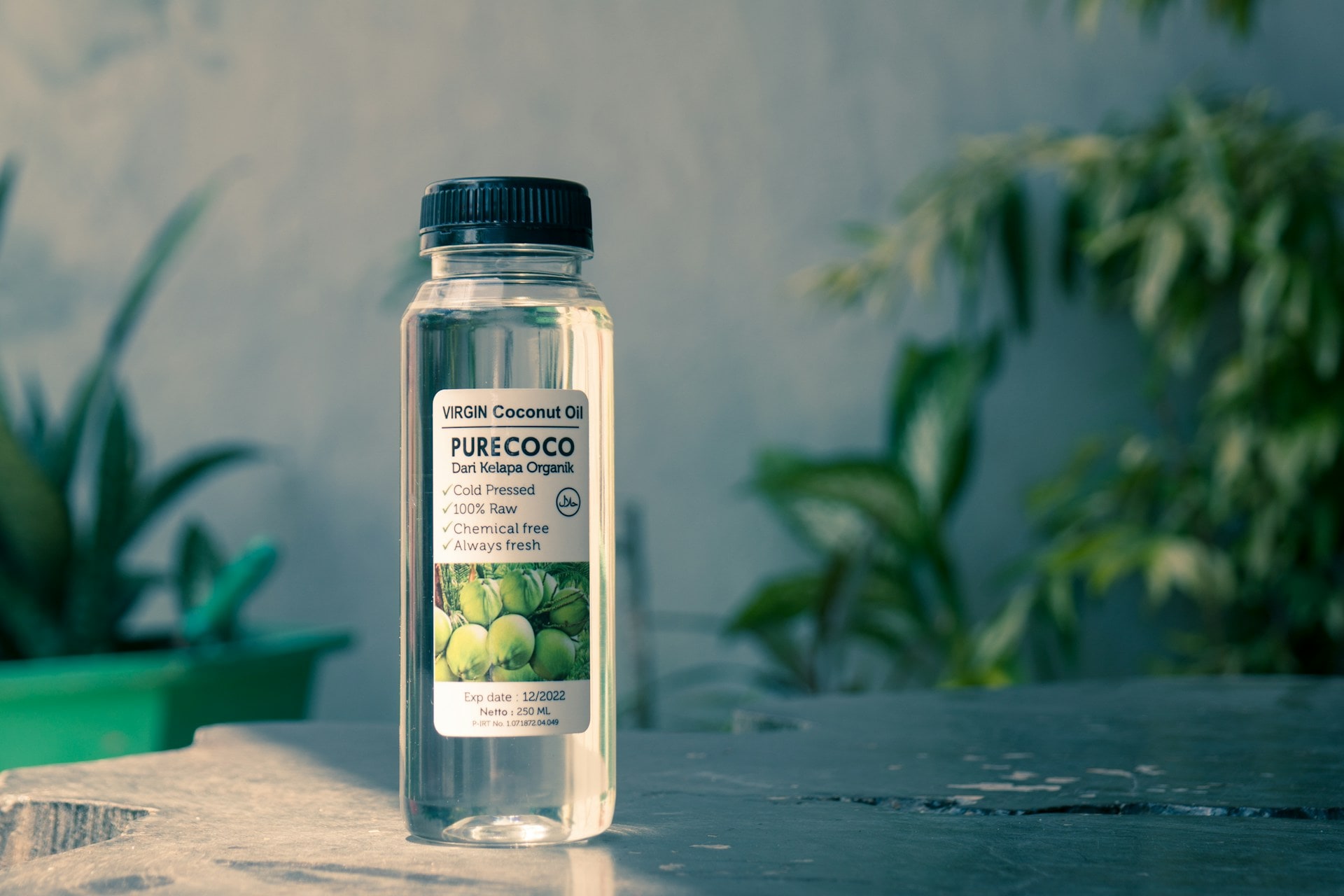
Avoid these hair oil myths on your next self-care session; Photo Credit: Unsplash
This article explores the most common myths surrounding coconut, onion and castor oils. Each section focuses on one belief that many people grow up hearing at home or scrolling past online. The aim remains simple: replace confusion with clarity, without dismissing tradition or lived experience. Haircare works best when old wisdom meets modern understanding, not blind faith.
Also Read: Good Hair Days Do Not Have To Cost A Fortune: Top 5 Hair Care Essentials Under ₹500
Old Remedies, New Claims And The Truth Somewhere In Between
Myth 1: Coconut Oil Works For Every Hair Type
Coconut oil enjoys a near-universal reputation as the safest and best oil for hair. Many believe it suits everyone, regardless of texture, scalp type or lifestyle. That assumption often leads to frustration when hair turns limp, greasy or brittle after regular use.
Coconut oil penetrates the hair shaft better than most oils, thanks to its fatty acid structure. This trait helps reduce protein loss in hair strands. However, penetration does not guarantee suitability. Fine hair can feel weighed down. Oily scalps may experience clogged pores. Dry scalps might benefit, but only when used sparingly.
Climate plays a role, too. In humid weather, heavy oiling can trap sweat and dirt, leading to itching. Many people mistake this reaction for dandruff worsening when the scalp simply struggles to breathe.
Coconut oil works best as a pre-wash treatment rather than an overnight ritual for everyone. A light application, once or twice a week, suits most routines. Listening to hair responses matters more than following blanket advice passed down over generations.
Myth 2: Onion Oil Directly Regrows Hair
Onion oil enjoys viral fame for promising rapid hair regrowth. Bottles claim visible results within weeks, often supported by dramatic before-and-after photos. The belief suggests onion oil alone can revive dormant follicles and fill bald patches.
Onions contain sulphur, which supports keratin production. Sulphur can strengthen hair strands and improve scalp circulation. This benefit helps reduce breakage and supports healthier growth cycles. However, regrowth depends on many factors, including genetics, nutrition, stress levels and hormonal balance.
Hair follicles damaged beyond repair cannot magically restart with oil application. Onion oil may improve scalp health and reduce hair fall caused by inflammation or poor circulation. Expecting it to reverse hereditary hair thinning sets unrealistic expectations.
Consistent use over months may show subtle improvements in thickness and shine. Pairing oiling with a balanced diet, gentle cleansing and stress management brings better results than relying on one ingredient alone.
Myth 3: Castor Oil Makes Hair Grow Overnight
Castor oil feels thick, sticky and powerful, often marketed as a growth booster that delivers visible changes within days. This myth fuels impatience and disappointment when results fail to appear quickly.
Castor oil contains ricinoleic acid, which improves blood circulation to the scalp. Better circulation supports healthier follicles over time. The oil also locks in moisture, making hair appear shinier and fuller. That cosmetic effect often creates the illusion of rapid growth.
Hair grows at an average rate of about one centimetre per month. No oil can change that biological rhythm. Castor oil supports the environment in which hair grows but cannot speed up the process dramatically.
Using castor oil undiluted can irritate sensitive scalps. Mixing it with lighter oils like coconut or almond oil improves spreadability and comfort. Patience remains the most underrated ingredient in any haircare routine.
Myth 4: More Oil Means Better Nourishment
Many believe soaking hair in oil overnight guarantees deep nourishment. The logic feels intuitive: more oil should mean more benefits. In reality, excess oil often creates more problems than solutions.
The scalp produces natural oils to protect itself. Overloading it disrupts this balance. Heavy oiling can attract dust, pollution and sweat, leading to clogged follicles. This environment may trigger itching, acne along the hairline or increased hair fall during washes.
Hair strands absorb only a limited amount of oil. Beyond that point, oil simply coats the surface, offering no additional nourishment. Long hours of oiling rarely improve results compared to shorter, targeted treatments.
A gentle massage with a modest amount of oil for 20–30 minutes before washing supports circulation without suffocating the scalp. Haircare thrives on moderation, not excess.
Myth 5: Onion Oil Smell Means It Is Working
The strong smell of onion oil often reassures users that the product remains potent and authentic. Many equate intensity with effectiveness, assuming a mild fragrance signals dilution or poor quality.
Smell does not determine efficacy. Modern formulations extract beneficial compounds while reducing odour. A pungent smell may linger on hair, causing discomfort without offering extra benefits.
What matters lies in ingredient quality and formulation, not sensory shock. Some people even experience headaches or nausea due to strong scents, discouraging consistent use.
Effective onion oil supports scalp health regardless of smell. Choosing a formulation that encourages regular use proves wiser than tolerating discomfort for perceived potency. Haircare should feel sustainable, not punishing.

A strong onion smell does not mean that the oil is working; Photo Credit: Pexels
Myth 6: Coconut Oil Causes Hair Fall
Coconut oil often gets blamed when hair falls during washes. Strands clump together after oiling, making hair loss look alarming. This visual shock convinces many that coconut oil damages hair.
Hair naturally sheds daily. Oiling loosens strands already in the shedding phase. When washed, these strands fall together, creating the illusion of increased loss. Coconut oil does not cause hair fall; it simply reveals what would have fallen anyway.
Problems arise when coconut oil hardens on the scalp in cooler temperatures, trapping dirt. Inadequate cleansing then leads to irritation, which may worsen hair fall over time.
Using warm oil and washing thoroughly with a gentle cleanser prevents buildup. Understanding the hair growth cycle helps separate coincidence from causation.
Myth 7: Castor Oil Fixes Split Ends Permanently
Split ends remain one of the most stubborn hair issues. Castor oil often claims to seal them permanently, saving frequent trims and salon visits.
In truth, split ends cannot fuse back together. Oils temporarily smooth frayed ends, improving appearance. Castor oil's thickness helps bind split fibres momentarily, reducing roughness and tangling.
This cosmetic improvement does not repair structural damage. Continued friction, heat styling and environmental exposure will reopen splits. Regular trims remain essential for long-term hair health.
Castor oil works best as a protective styling aid, especially on ends prone to dryness. Think of it as a shield, not a repair kit.
Myth 8: Onion Oil Suits Sensitive Scalps
Natural ingredients often get labelled as gentle by default. Onion oil, despite its benefits, can irritate sensitive skin. This myth leads some to dismiss itching or redness as a temporary adjustment.
Onion extracts may cause contact dermatitis in sensitive individuals. Symptoms include itching, redness and burning sensations. Ignoring these signs risks worsening scalp health.
Patch testing before full application helps prevent adverse reactions. Diluting onion oil with lighter oils reduces intensity. Discomfort never signals effectiveness.
Healthy hair starts with a comfortable scalp. Any product causing persistent irritation deserves reconsideration, regardless of popularity or tradition.
Myth 9: Oils Alone Can Replace Nutrition
Hair oiling rituals sometimes overshadow the importance of diet. Many expect external applications to compensate for nutritional gaps, stress or sleep deprivation.
Hair consists of protein. Without adequate intake of nutrients like iron, zinc and biotin, no oil can sustain growth. Oils support moisture retention and scalp health, but they cannot build hair from scratch.
Poor eating habits, crash dieting or chronic stress often manifest as hair thinning. Addressing these root causes yields better results than switching oil brands repeatedly.
Combining balanced meals, hydration and gentle haircare amplifies oil benefits. Hair reflects internal health more than any external product ever could.
Myth 10: Traditional Oils Need No Scientific Understanding
Tradition commands respect, but blind acceptance limits progress. Many believe oils used for generations require no scientific explanation or adaptation.
Modern lifestyles differ significantly from earlier times. Pollution levels, water quality and stress patterns have changed. Haircare routines must evolve accordingly.
Understanding how oils interact with scalp biology allows smarter use. Science does not negate tradition; it refines it. Knowing when to oil, how much to apply and how often to cleanse improves outcomes.
Haircare thrives when heritage meets informed choice. Curiosity enhances tradition rather than diminishing it.
Products Related To This Article
1. Kesh King Organic Onion Oil With Curry Leaves
2. Parachute Advansed Rosemary-enriched Coconut Hair Oil
3. TRU HAIR Onion Oil with Heater to warm the Oil Hair Oil
4. Nat Habit Cold Pressed Castor Oil Pure For Hair Growth
5. Nat Habit 100% Pure Coconut Oil
6. aswini Hair Fall & Dandruff Prevent Coconut Hair Oil
7. Soulflower Castor Oil for Hair Growth, Anti Hair Fall
Coconut, onion and castor oils each offer genuine benefits when used thoughtfully. Problems arise not from the oils themselves, but from exaggerated expectations and rigid beliefs. Haircare works best when grounded in balance, patience and self-awareness.
No single oil guarantees miracles. Healthy hair grows from consistent routines, gentle handling and overall well-being. Oils serve as supportive allies, not magical cures.
Understanding myths empowers better choices. Hair deserves care rooted in knowledge, not fear or hype. With clarity replacing confusion, hair oiling can return to what it should be: a calming ritual that supports long-term health, not a source of anxiety or false hope.
(Disclaimer: This article may include references to or features of products and services made available through affiliate marketing campaigns. NDTV Convergence Limited (“NDTV”) strives to maintain editorial independence while participating in such campaigns. NDTV does not assume responsibility for the performance or claims of any featured products or services.)