High SPF Sunscreens Explained: Why Tanning Still Happens And How To Protect Your Skin
High SPF sunscreens reduce sun damage but dont fully block tanning. UVA rays, application habits, and daily exposure still affect skin colour. This is why tanning happens and what it really means for skin health. Learn all about what causes tanning even after using an SPF every day.

Why High SPF Sunscreens Still Allow Tanning and What That Means For Your Skin.
A sunny afternoon often comes with two companions: heat and hope. Heat from the blazing sun, and hope that a generous layer of SPF 50 will keep skin safe. The surprise arrives later, usually after a shower, when the skin looks a shade deeper. Confusion follows. Isn't high SPF supposed to block tanning? The truth sits between expectation and reality. Sunscreen does not act like a wall. It behaves more like a filter. It reduces damage, slows colour change, and protects against burns. It does not stop every ray. Add long hours outdoors, sweat, pollution, and casual reapplication habits, and tanning becomes almost inevitable.
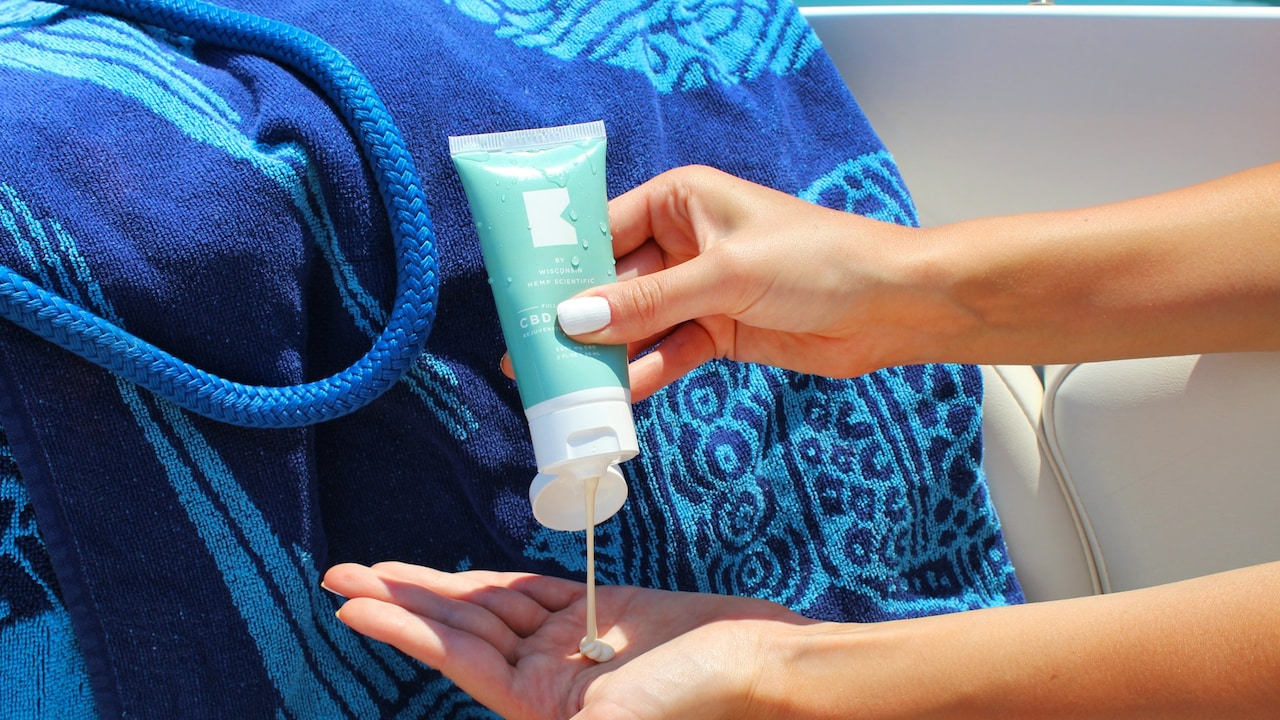
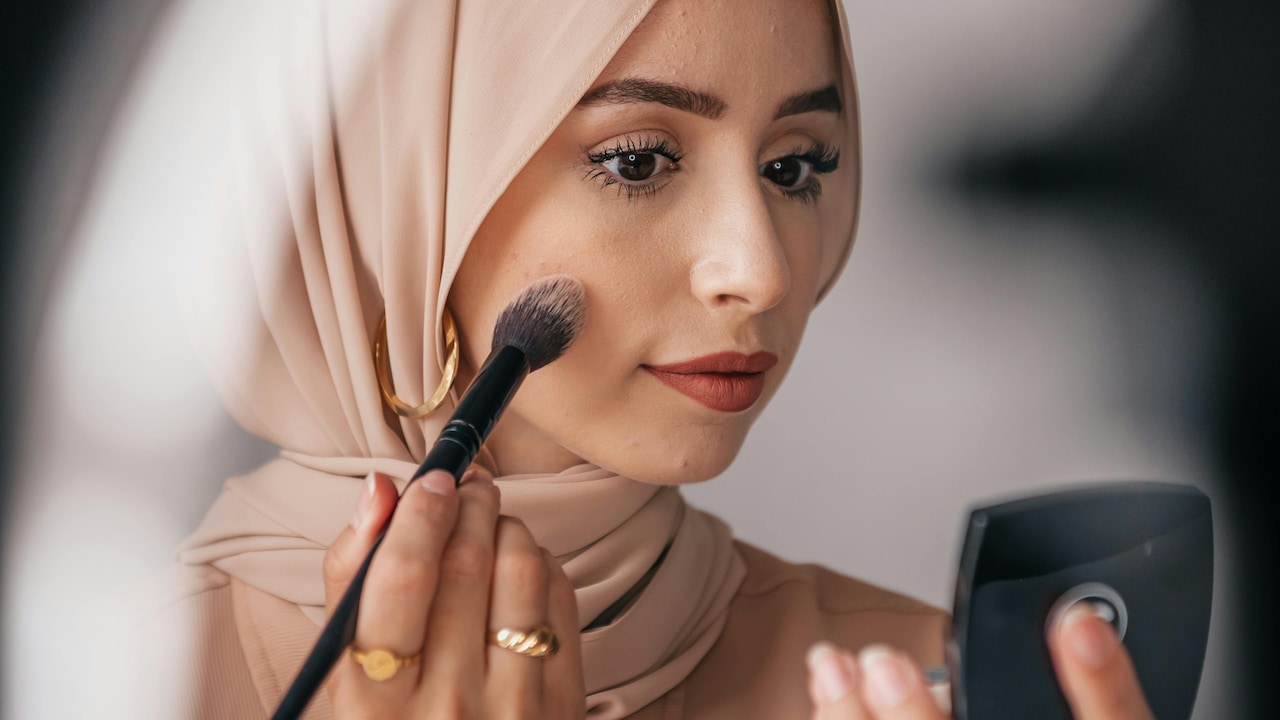
Discover 10 common reasons behind skin tanning even after using SPF; Photo Credit: Unsplash
Understanding how SPF works helps reset expectations. It also helps build smarter sun habits. Skin here faces intense UV exposure most months of the year. That makes clarity even more important. Let's unpack the reasons tanning still sneaks in and what that means for healthy, happy skin.
Also Read: Sunscreens Under ₹500: Dermat-Approved Picks With Vitamin C, Niacinamide And More
Why Sunscreen Is Not A Magic Shield Against The Sun
1. SPF Measures Burn Protection, Not Colour Change
SPF often gets misunderstood as a tanning shield. In reality, SPF measures protection against UVB rays, the ones that cause sunburn. It does not fully block UVA rays, which play a major role in tanning and ageing. Even SPF 50 allows a small percentage of UVB through, and much more UVA if the formula lacks strong broad-spectrum coverage.
Think of SPF like a tinted window. Light still enters, just in reduced amounts. Over several hours, that light adds up. Skin cells respond by producing melanin, the pigment responsible for tanning. This response acts as a defence mechanism, not a beauty bonus.
Many people expect zero colour change after sunscreen use. That expectation leads to disappointment and misuse. Sunscreen reduces risk. It does not promise porcelain skin after a beach day. Once that mental shift happens, sunscreen use becomes more realistic and effective.
2. UVA Rays Work Quietly and Constantly
UVA rays don't shout. They whisper. These rays penetrate deeper into the skin and remain consistent throughout the day, even during cloudy weather. Unlike UVB rays, they don't cause immediate redness or pain. They trigger tanning slowly, which makes them easy to ignore.
Most outdoor activities involve long exposure. Morning walks, balcony gardening, traffic waits, or lunch breaks near windows all count. UVA rays pass through glass and clouds with ease. Sunscreen that lacks strong UVA filters allows these rays to keep working.
When tanning appears without a burn, UVA rays usually take credit. Over time, they also contribute to fine lines and uneven tone. Choosing sunscreens labelled “broad spectrum” and understanding the UVA star rating helps reduce this silent impact.
3. Application Amounts Rarely Match Reality
The recommended sunscreen amount sounds simple. About two finger lengths for the face and a shot-glass amount for the body. In real life, most people apply half that, sometimes less. A thin layer reduces actual SPF dramatically.
A product labelled SPF 50 may behave like SPF 20 when applied sparingly. That gap allows more rays to reach the skin. Tanning then becomes a predictable outcome, not a mystery.
Cost also influences behaviour. When a tube costs ₹800 or more, stretching it feels sensible. Unfortunately, skin pays the price. Using the right amount feels generous, even wasteful, but it delivers the protection promised on the label. Sunscreen works best when used confidently, not cautiously.
4. Reapplication Often Gets Forgotten
Sunscreen does not last all day. Sweat, oil, friction from clothes, and towel wipes all break it down. Most formulas need reapplication every two to three hours during sun exposure.
Daily routines rarely allow that. Meetings run long. Traffic crawls. Social plans distract. By afternoon, the protective layer fades while the sun stays strong. Tanning then creeps in quietly.
Powder sunscreens, sprays, and compact cushions help with top-ups, especially for the face. Setting reminders on phones also helps. Reapplication feels like effort, but it makes the difference between controlled exposure and unchecked tanning.
5. Heat and Humidity Change Sunscreen Performance
Hot, humid weather challenges skincare. Sweat dilutes sunscreen. Oil breaks it down. Even water-resistant formulas have limits. During peak summer months, skin faces constant moisture and friction.
Outdoor weddings, temple visits, sports, and festivals all involve long hours in the sun. Sunscreen may slide, melt, or transfer onto clothes. That leaves patches of skin exposed without notice.
Choosing gel-based or fluid sunscreens improves comfort and adherence. Pairing sunscreen with hats, scarves, and umbrellas adds physical protection. Sun safety works best as a team effort, not a single product solution.
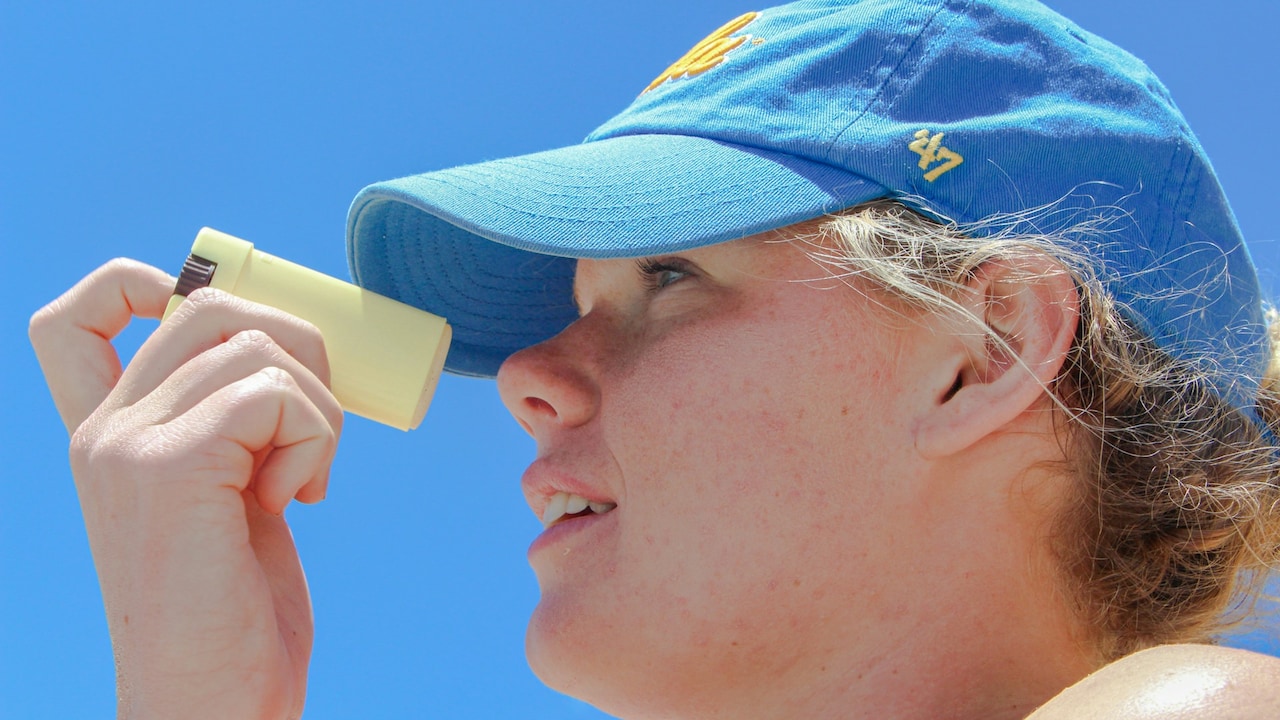
Excessive heat and humidity can dilute sunscreen and hamper its performance; Photo Credit: Unsplash
6. Skin's Natural Defence Mechanism Kicks In
Tanning represents the skin's way of protecting itself. When UV rays hit, skin cells increase melanin production to shield deeper layers. Sunscreen reduces the trigger but does not eliminate it.
Darker skin tones already contain more melanin, which offers some natural protection. However, they still tan because melanin production increases further under UV exposure. That change may look subtle at first, but it builds over time.
This response does not mean skin has failed. It means the skin has adapted. Understanding this reduces frustration and guilt around tanning. The goal shifts from preventing all colour change to preventing damage, burns, and long-term harm.
7. Pollution and Sun Exposure Work Together
Urban environments add another layer of complexity. Pollution particles settle on skin and interact with UV rays. This combination increases oxidative stress and triggers pigmentation.
Even with sunscreen, polluted air can intensify tanning and dullness. Outdoor commutes and roadside exposure amplify this effect. Skin faces more than just sunlight; it battles a chemical cocktail daily.
Antioxidant serums under sunscreen help counter this stress. Cleansing thoroughly at night removes residue that can worsen pigmentation. Sun protection does not end with SPF. It includes cleansing, repairing, and supporting skin resilience.
8. Timing Matters More Than Expected
Sun intensity peaks between late morning and mid-afternoon. Exposure during these hours accelerates tanning, even with sunscreen. A short walk at noon often causes more pigmentation than a longer stroll at dawn.
Many daily tasks happen during peak hours by necessity. School runs, office breaks, and errands fall right into the danger zone. Sunscreen helps, but timing still matters.
Whenever possible, shifting outdoor activities to early morning or late evening reduces UV load. When that's not possible, doubling up on protection makes sense. Shade, clothing, and smart planning work alongside sunscreen to reduce tanning.
9. Not All Sunscreens Suit All Skin Types
A sunscreen that feels heavy often gets applied unevenly. One that stings the eyes gets wiped away. One that leaves a white cast may get skipped altogether. Texture and comfort influence consistency.
Skin types vary widely. Oily skin prefers light gels. Dry skin needs creamy formulas. Sensitive skin demands gentle filters. When sunscreen feels good, it gets used properly and reapplied willingly.
Trial and error play a role. Finding a sunscreen that fits daily life matters more than chasing the highest SPF number. Comfort leads to consistency. Consistency leads to better protection and less tanning over time.
10. Tanning Does Not Equal Health or Harm Alone
A tan often sparks mixed feelings. Some see it as a holiday souvenir. Others view it as skin damage. The truth sits in between. Mild tanning without burns suggests some UV exposure but not necessarily severe harm.
However, repeated tanning accumulates damage over the years. Pigmentation, uneven tone, and early ageing follow. Sunscreen reduces these risks significantly, even if it doesn't stop tanning completely.
Healthy skin habits focus on balance. Enjoying sunlight responsibly supports mood and vitamin D levels. Protecting skin preserves long-term health. Sunscreen plays a key role, but expectations need adjustment. It protects skin health first, appearance second.
Products Related To This Article
1. FoxTale SPF 50 Glow Sunscreen with PA++++, Vitamin C & Niacinamide
2. Deconstruct Unisex Lightweight In - Vivo Tested Non Greasy Gel Sunscreen-SPF 55+ PA+++
3. Minimalist SPF 50 PA++++ Multi Vitamin Sunscreen
4. The Derma co. 1% Hyaluronic Sunscreen SPF50 Aqua Gel for Oily, Dry, Acne-Prone Skin
5. The Derma co. 1% Hyaluronic Sunscreen Oil-Free Gel - 50g In-Vivo tested
High SPF sunscreen does its job quietly. It reduces burns, slows ageing, and lowers long-term risk. It does not promise a complete escape from tanning. That misunderstanding often leads to disappointment and misuse.
Tanning happens because sunscreen filters, not blocks. UVA rays, application habits, weather, and lifestyle all contribute. Once this becomes clear, sunscreen use feels empowering rather than frustrating.
Sun-smart habits thrive on realism. Apply enough. Reapply often. Choose comfortable formulas. Add physical protection. Accept mild tanning as part of life under a strong sun. Skin rewards patience and care over time, not perfection in a single afternoon.
(Disclaimer: This article may include references to or features of products and services made available through affiliate marketing campaigns. NDTV Convergence Limited (“NDTV”) strives to maintain editorial independence while participating in such campaigns. NDTV does not assume responsibility for the performance or claims of any featured products or services.)