Home Manicure Tips: Dos And Don'ts For Clean, Healthy Nails
A practical home manicure guide that breaks down essential dos and don’ts for clean, healthy nails. Learn how to care for cuticles, avoid common mistakes and maintain strong nails without salon visits.
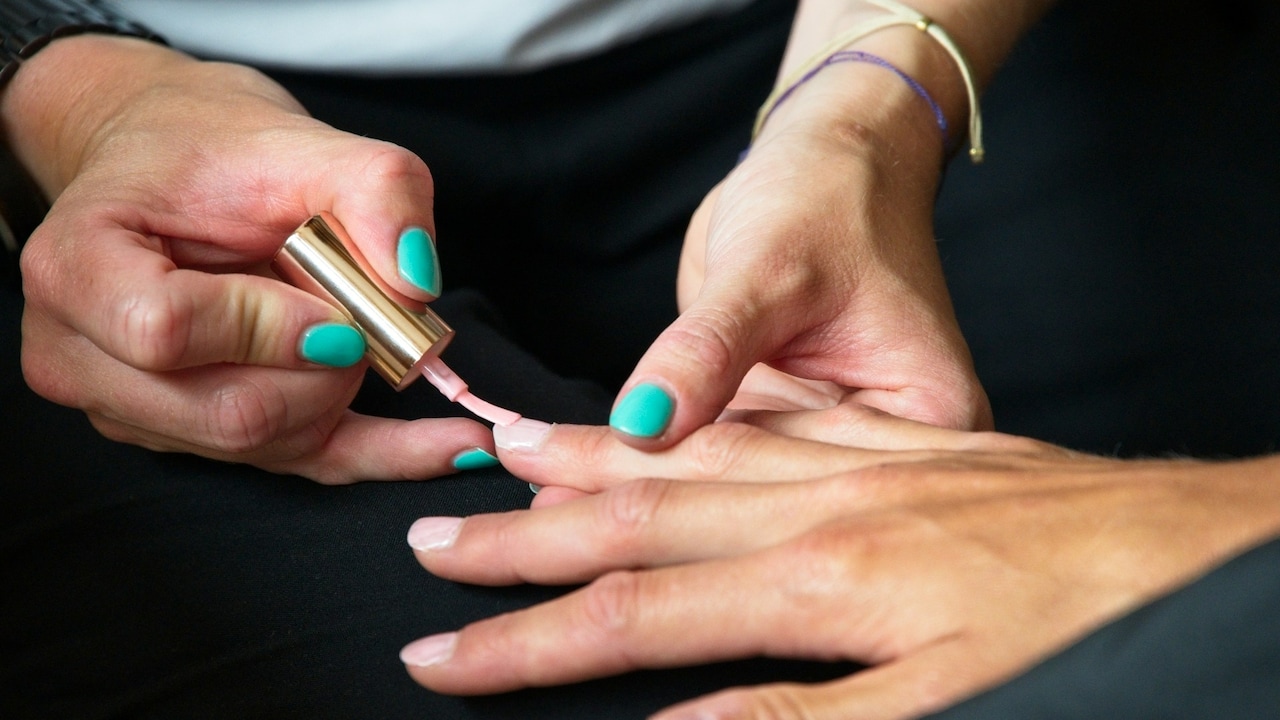
Make your nails look salon-like with these at-home manicure tips.
Hands work hard. They cook, clean, type, scroll, and juggle daily demands without complaint. Nails, though small, carry a heavy load and often get ignored until they chip, break, or look dull. Salon visits feel indulgent but rarely fit into busy routines or monthly budgets. A home manicure steps in as the perfect middle ground. Caring for nails at home builds consistency. It also saves time and money. A decent nail kit costs less than ₹1,000 and lasts for months. More importantly, home care creates awareness. It encourages noticing small changes like dryness, ridges, or weakness before they turn into bigger problems.
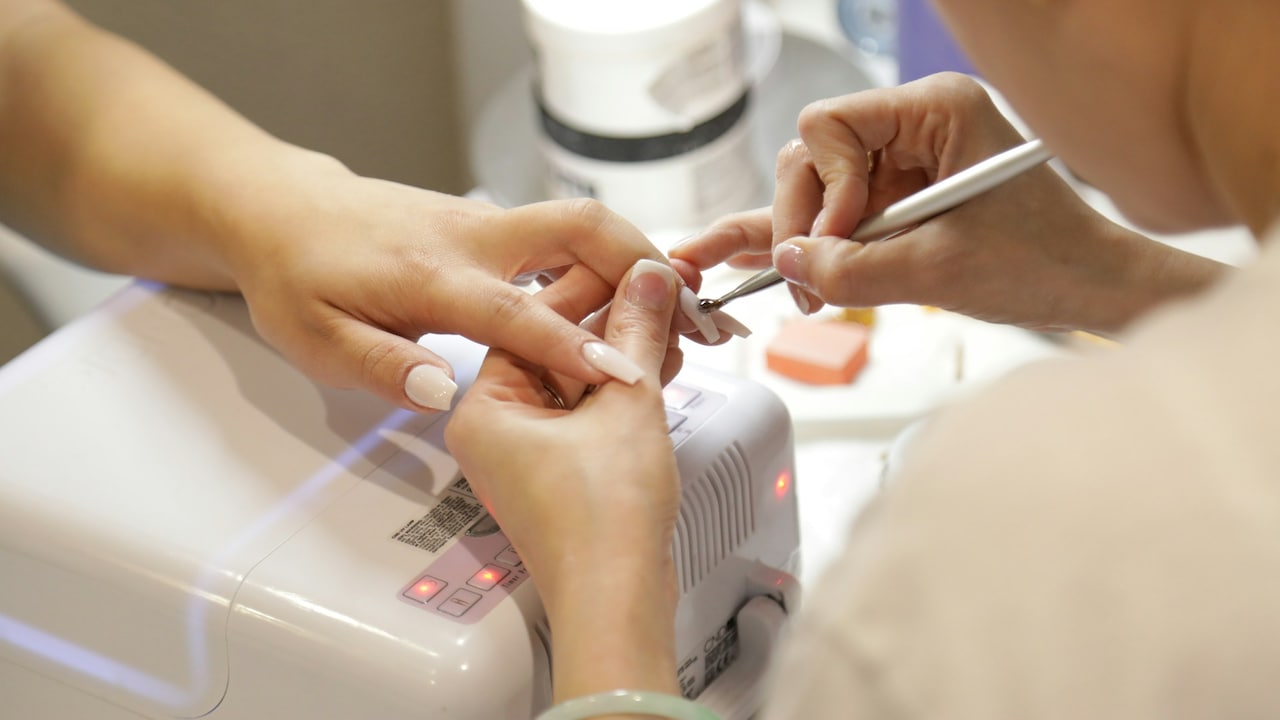
Discover 10 easy tips to do a manicure at home and get salon-like results; Photo Credit: Unsplash
This guide focuses on simple habits that fit real lives. No complicated steps. No unrealistic beauty standards. Just thoughtful care that keeps nails clean, healthy, and presentable. Each section highlights what helps and what harms, with practical examples drawn from everyday life. The goal stays clear: nails that look good and feel strong, without stress or fuss.
Also Read: Top 7 Quick Nail Art Kits For Fast, Salon-Style Nails
Everyday Dos and Don'ts for Strong, Well-Groomed Nails
1. Do Keep Nails Clean and Dry, Don't Let Moisture Linger
Clean nails form the foundation of healthy nail care. Dirt, oil, and bacteria collect easily under nails, especially after cooking, gardening, or handling cash. Washing hands regularly helps, but proper drying matters just as much. Moisture trapped under nails softens them and invites fungal trouble.
A quick towel dry often misses the nail edges. Taking a moment to pat fingertips properly prevents problems later. After washing utensils or clothes, letting hands air-dry for a minute helps. Applying hand cream only after nails feel fully dry keeps moisture balanced.
Avoid soaking nails in water for long periods. Extended exposure weakens nail plates and leads to peeling. While warm water feels relaxing, especially after a long day, limiting soak time protects nail strength.
Carrying a small nail brush adds value. A gentle scrub once or twice a week removes stubborn grime without damage. Clean nails do not need harsh chemicals. Mild soap and warm water work perfectly.
Clean, dry nails look brighter and feel stronger. This simple habit often gets overlooked, yet it makes the biggest difference.
2. Do Trim Regularly, Don't Bite or Tear Nails
Regular trimming keeps nails neat and prevents breakage. Long nails catch on fabrics, tap on screens, and snap unexpectedly. Short to medium-length works best for daily tasks. Trimming once every ten days suits most lifestyles.
Using a sharp nail cutter ensures clean edges. Dull tools crush nails and cause splits. Cutting straight across, then gently rounding corners, reduces the risk of ingrown nails.
Nail biting causes more harm than chipped polish. It damages nail beds, invites infections, and leaves uneven edges that worsen the habit. Stress often triggers biting, especially during traffic jams or long phone calls.
Keeping nails filed smooth helps resist the urge to bite. Applying a clear coat adds a protective layer and makes nails feel less tempting. Some prefer bitter-tasting nail solutions, which work well when habits feel stubborn.
Tearing nails with fingers seems convenient, but creates jagged edges. These rough bits snag easily and split further. A small nail file in a handbag or desk drawer prevents this damage.
Trimmed nails look tidy and feel comfortable. They also support better hygiene and reduce daily frustration.
3. Do Moisturise Cuticles, Don't Cut Them Aggressively
Cuticles protect the nail root from bacteria and infection. Treating them gently preserves this natural barrier. Dry cuticles crack, peel, and look untidy, but cutting them aggressively creates more harm than help.
Massaging cuticle oil or simple coconut oil every night keeps the area soft. This habit takes less than a minute and fits easily into bedtime routines. Even a basic hand cream works if used consistently.
Avoid pushing cuticles back too hard. Gentle pressure after a warm shower works best. The skin softens naturally, making the process easier and safer.
Cutting cuticles often leads to redness and soreness. Small cuts invite infection, which then requires medical attention. Trimming only loose, hanging skin with clean tools reduces risk.
Healthy cuticles improve nail growth and appearance. Nails look longer and smoother when the surrounding skin stays hydrated. This small step elevates any home manicure and supports long-term nail health.
4. Do File in One Direction, Don't Saw Back and Forth
Filing shapes nails and smooths rough edges. The technique matters more than force. Filing in one direction seals the nail edge and prevents splitting.
Many file nails quickly, moving the file back and forth like sawing wood. This motion weakens nails and causes peeling. Slow, steady strokes work better and feel gentler.
Choosing the right file also matters. Fine-grit files suit natural nails. Metal files feel durable, but damage nail layers over time. Emery boards or glass files offer safer options and last longer.
Filing after trimming works best. Nails feel firmer and respond better. Filing dry nails gives more control than filing wet ones, which bend easily.
Keeping nails shaped reduces snags and breakage. Rounded or squoval shapes suit daily activities and resist chipping. Sharp edges look stylish but catch easily.
Proper filing transforms nail care from a rushed chore into a mindful moment. The results show in smoother edges and stronger nails.
5. Do Let Nails Breathe, Don't Overuse Polish
Nail polish adds personality and flair. Bright colours lift moods, while neutrals suit formal settings. However, constant polishing wears nails down.
Letting nails breathe between polish changes restores strength. A break of two to three days allows nails to recover. During this time, applying a strengthening base coat supports repair.
Dark colours stain nails, especially without a base coat. Yellowing looks unhealthy and takes weeks to fade. Using a clear base prevents staining and improves polish longevity.
Removing polish gently matters too. Acetone works fast but dries nails. Using non-acetone removers or limiting acetone use reduces dryness. Rubbing softly instead of scrubbing protects nail layers.
Gel polish lasts longer, but weakens nails when removed incorrectly. Peeling gel off strips the nail layers and causes thinning. Reserving gel for special occasions keeps nails healthier.
Balanced polish habits maintain nail beauty without sacrificing strength. Nails stay flexible, smooth, and ready for colour when cared for mindfully.
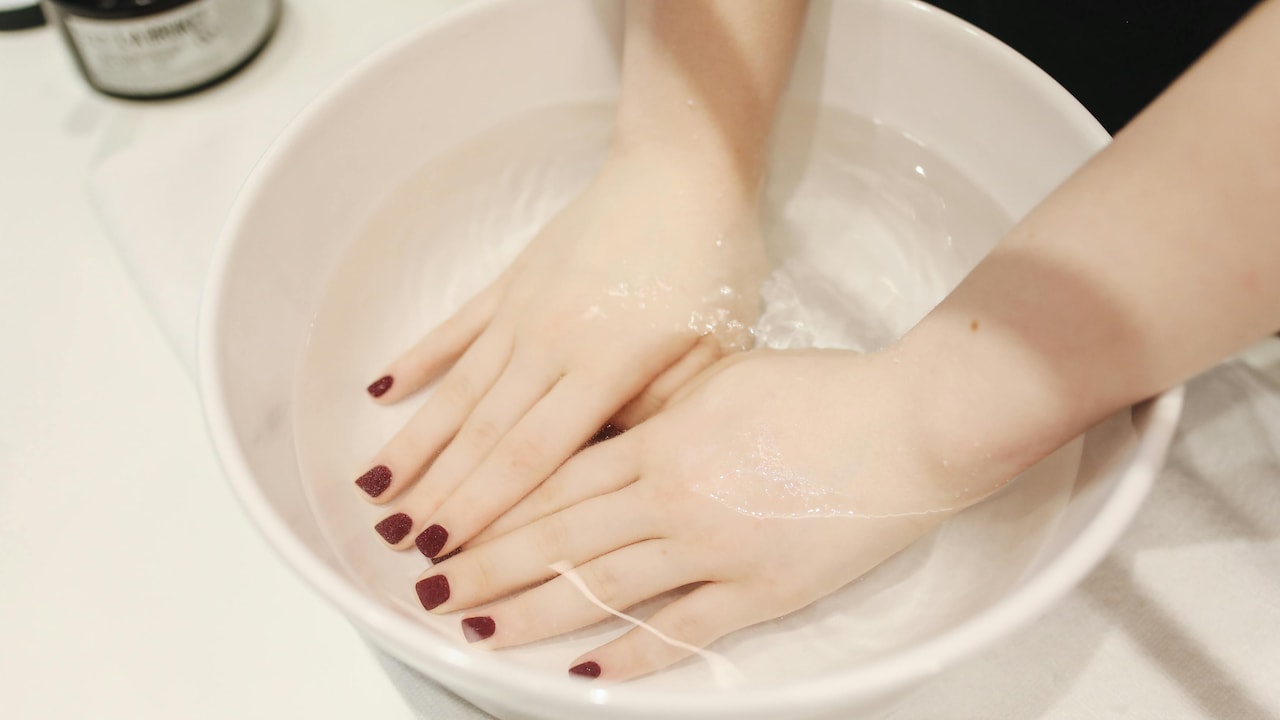
Give your nails enough break between manicure sessions to avoid wearing them down; Photo Credit: Pexels
6. Do Eat for Nail Health, Don't Ignore Nutrition
Nails reflect internal health. Brittle, slow-growing nails often signal nutritional gaps. A balanced diet supports strong nail growth naturally.
Protein builds nails, as nails consist mainly of keratin. Including dals, paneer, nuts, and seeds strengthens them. Biotin, found in eggs and bananas, supports nail thickness.
Iron deficiency causes pale or spoon-shaped nails. Green leafy vegetables and jaggery help maintain iron levels. Zinc supports nail repair and comes from seeds and whole grains.
Hydration also matters. Drinking enough water keeps nails flexible and prevents cracking. Dry nails often mirror overall dehydration.
Supplements seem tempting, but work best when guided by a professional. Overuse causes imbalance. Natural food sources remain safer and more effective.
Healthy eating benefits nails, hair, and skin together. Strong nails often signal good overall care, making nutrition a quiet yet powerful part of home manicures.
7. Do Use Gloves for Chores, Don't Expose Nails to Chemicals
Household chores challenge nails daily. Detergents, cleaners, and soaps strip natural oils and weaken nail structure. Wearing gloves creates a protective barrier.
Rubber gloves during dishwashing or cleaning prevent water damage and chemical exposure. Choosing well-fitted gloves avoids slipping and discomfort. Keeping a pair near the sink encourages regular use.
Avoid using nails as tools. Scraping labels, opening lids, or prying objects strains nails and causes breakage. Using proper tools saves nails from unnecessary stress.
After chores, washing hands and applying moisturiser restores balance. A quick massage improves circulation and relaxation.
Glove use might feel inconvenient at first, but it soon becomes second nature. Nails remain smoother, cuticles healthier, and polish lasts longer.
Protecting nails during chores preserves manicure results and reduces repair time. This habit delivers visible results with minimal effort.
8. Do Sanitise Tools, Don't Share Carelessly
Clean tools keep nails healthy. Nail cutters, files, and pushers collect bacteria over time. Sanitising them prevents infections.
Wiping tools with rubbing alcohol after use works well. A quick rinse in warm, soapy water removes residue. Drying them thoroughly prevents rust and bacterial growth.
Sharing tools spreads infections easily. Even close family members should avoid sharing nail tools. Each person's nails carry different bacteria, which transfer through shared equipment.
Storing tools in a clean pouch or box keeps them organised and protected. Tossing them loosely into drawers exposes them to dust and moisture.
Replacing old tools matters too. Rusty cutters damage nails and skin. Investing ₹300 to ₹500 in good-quality tools saves discomfort later.
Clean tools reflect mindful self-care. This habit protects nails and skin while maintaining hygiene at home.
9. Do Address Problems Early, Don't Ignore Warning Signs
Nails often signal health changes early. Discolouration, ridges, or pain deserve attention. Ignoring these signs worsens issues.
White spots often result from minor trauma and usually grow out. Persistent spots or dark streaks need medical advice. Thickened or yellow nails suggest fungal infections and require treatment.
Pain around nails signals infection or ingrown nails. Treating early with warm soaks and antiseptic creams prevents complications. Delaying care leads to swelling and discomfort.
Avoid self-diagnosing complex problems. Consulting a professional saves time and prevents misuse of treatments.
Observing nails regularly builds awareness. Small changes stand out when care remains consistent. Early action preserves nail health and prevents long-term damage.
10. Do Turn Nail Care into a Ritual, Don't Rush the Process
A home manicure feels most rewarding when treated as a ritual, not a task. Setting aside time creates calm and consistency.
Playing soft music or enjoying a quiet moment transforms nail care into relaxation. This pause helps unwind after long days and screens.
Rushing leads to mistakes. Smudged polish, uneven filing, and missed steps cause frustration. Slowing down improves results and enjoyment.
Consistency matters more than perfection. A simple routine followed weekly beats elaborate steps done rarely. Even ten minutes of care makes a difference.
Involving family members turns nail care into bonding time. Children enjoy gentle filing and clear polish, making hygiene fun.
Turning nail care into a ritual supports mental well-being along with physical appearance. Clean, healthy nails then reflect care from within.
Products Related To This Article
1. MAJESTIQUE 8-Pcs Nail Clippers Kit and Cuticle Cleaning
2. Beaute Secrets Set Of 10 Nail Cutter Manicure Pedicure Kit
3. Gleva 7- Pcs Nail Grooming Kit Manicure Pedicure Kit With Case
4. Beaute Secrets Set Of 10 Manicure Pedicure Kit With Nail Clippers
5. BUNGALOW BEAUTY Set Of 6 Manicure Set Nail Clippers With Case
Healthy nails do not demand luxury or endless effort. They respond best to simple, thoughtful habits practised regularly. A home manicure offers control, comfort, and connection with daily self-care.
By following these dos and don'ts, nails stay strong, clean, and presentable through busy schedules and changing seasons. Each small step builds towards long-term health, saving money and time along the way.
Nail care reflects self-respect. When hands look cared for, confidence follows naturally. A few mindful minutes each week create visible results, proving that good nail health truly begins at home.
(Disclaimer: This article may include references to or features of products and services made available through affiliate marketing campaigns. NDTV Convergence Limited (“NDTV”) strives to maintain editorial independence while participating in such campaigns. NDTV does not assume responsibility for the performance or claims of any featured products or services.)