Why Hair Feels Soft After Oiling but Turns Rough Later: Causes and Care Tips
Hair feels silky right after oiling, but rough soon after? The reason lies in moisture loss, product habits, and daily care mistakes. Explore 10 reasons why hair becomes softer after oiling but feels rough later.
Why Hair Feels Soft After Oiling But Turns Rough Later: Real Reasons and Easy Fixes.
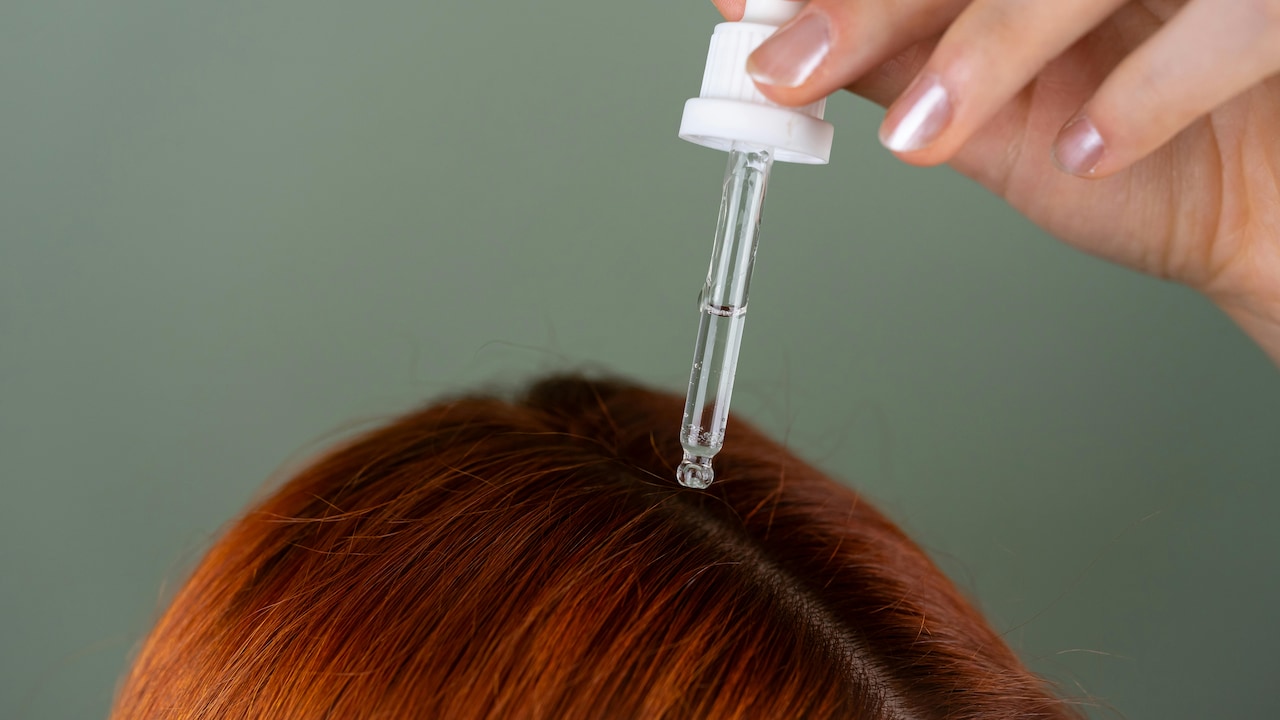
Hair oiling is deeply embedded in homecare routines. From warm coconut oil on Sundays to fancy bottles promising miracle growth, oil feels like the universal answer to dull, dry hair. The immediate softness after oiling offers reassurance. Fingers glide smoothly, tangles vanish, and hair feels pampered.
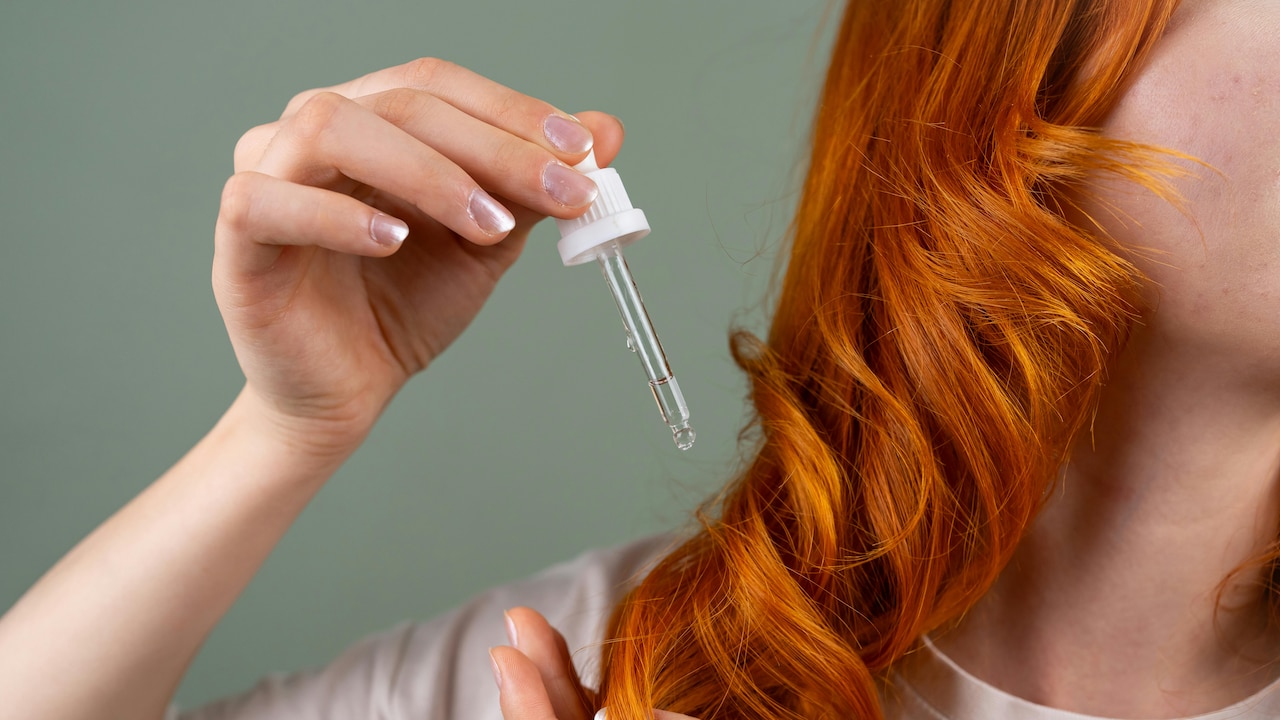
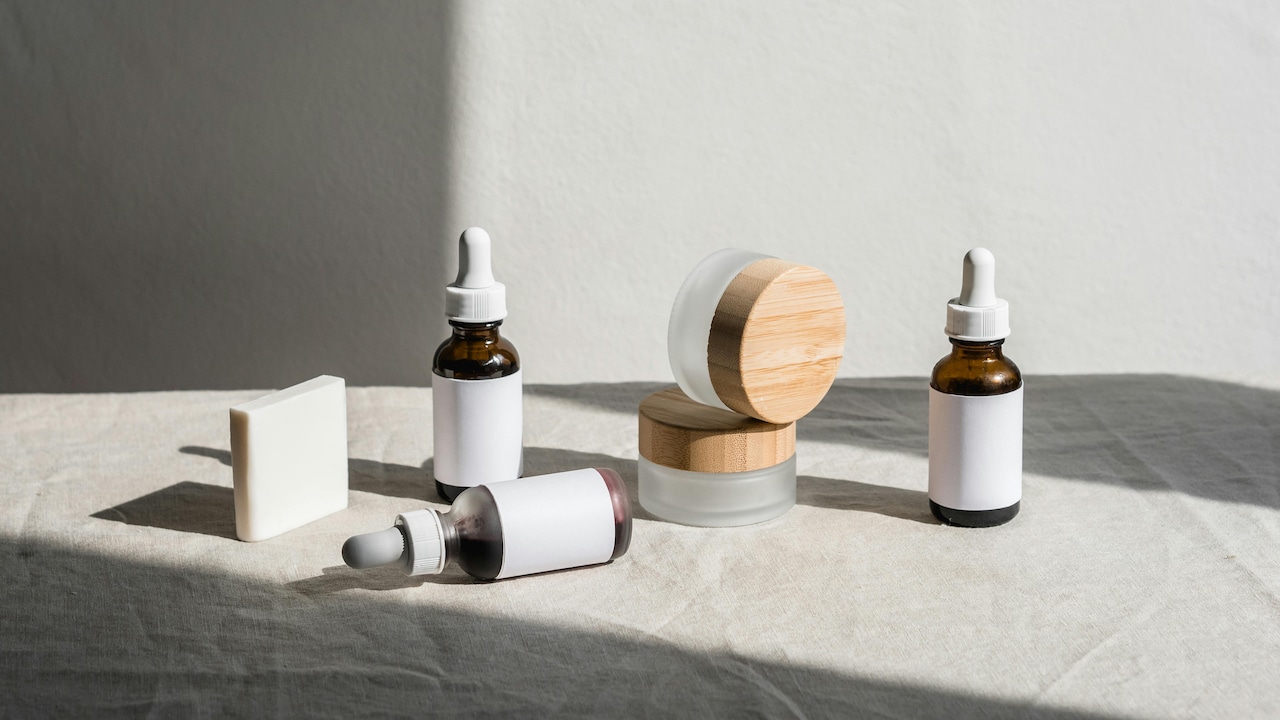
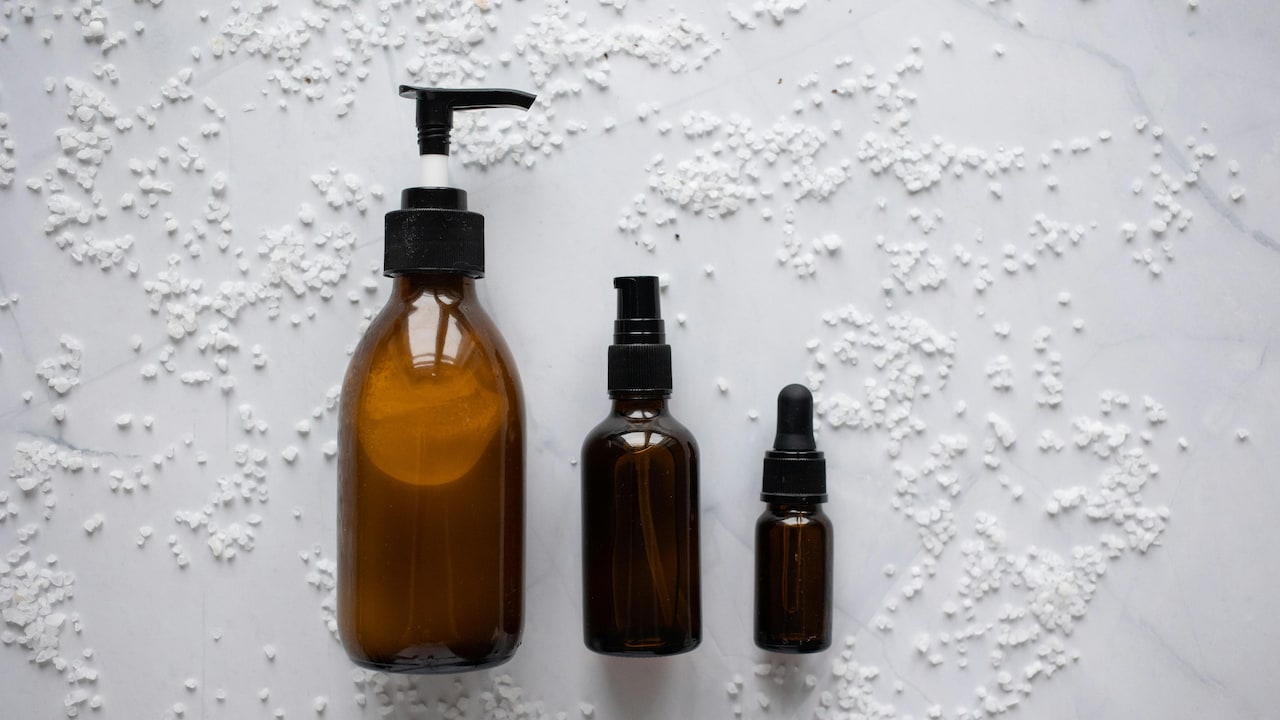
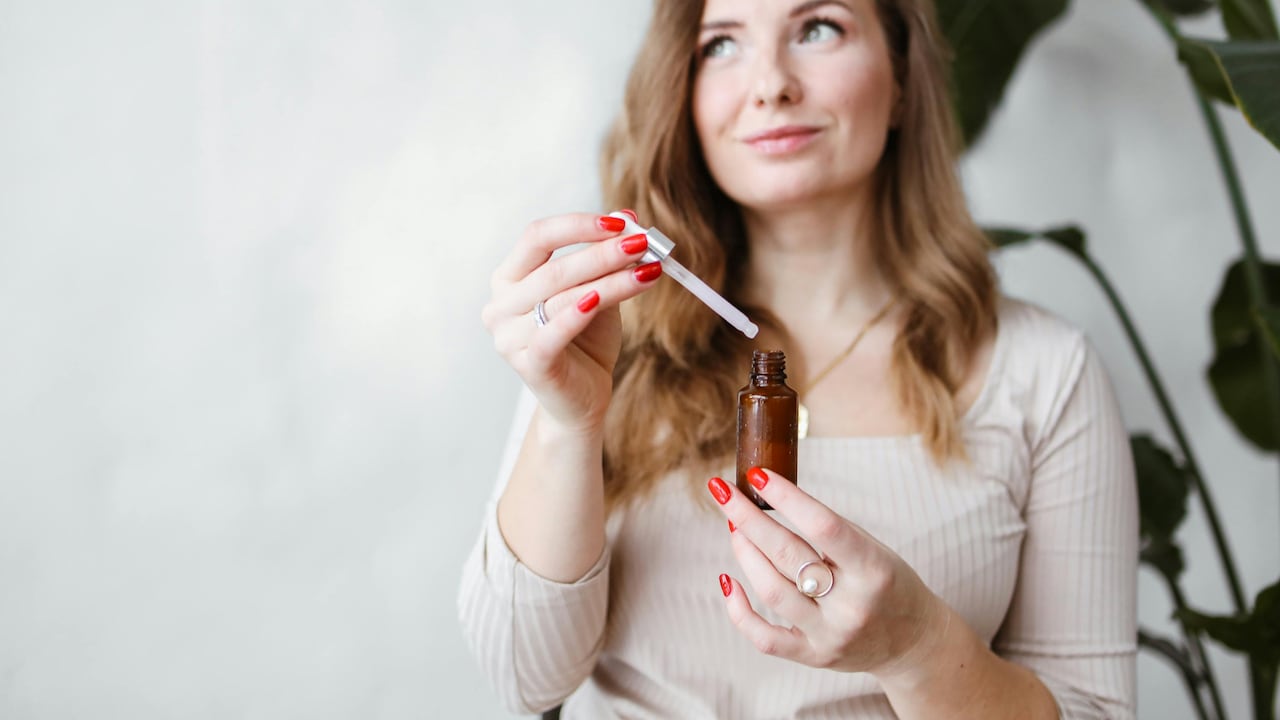
Here's what makes hair feel softer after oiling; Photo Credit: Pexels
Then reality strikes. After shampooing or by the next day, hair loses that softness. Ends feel coarse, strands look frizzy, and styling becomes a battle. This contrast raises an important question: why does oil give instant softness but fail to sustain it?
The answer lies in understanding how hair oil works, how hair absorbs moisture, and how daily habits influence texture. Hair softness depends on more than just oil. Water balance, scalp health, product choice, washing methods, and even the weather play crucial roles. This article breaks down the science in simple terms, mixed with relatable moments that many households experience. Expect clarity, practical fixes, and a few myth-busters along the way.
Also Read: How I Keep My Hair Soft And Strong In Just 5 Simple Steps
The Science and Everyday Habits Affecting Hair Softness
1. Oil Coats Hair but Does Not Hydrate It
Oil creates an illusion of softness by coating the hair shaft. This layer smoothens the cuticle, reduces friction, and makes strands feel silky to the touch. However, oil does not add water to hair. Hydration comes from moisture, not grease.
Hair needs water to stay elastic and soft. When oil sits on dry hair, it seals dryness inside. After washing, that protective layer disappears, exposing dehydrated strands. The result feels rough and brittle, especially at the ends.
This explains why hair feels amazing during oiling but disappointing later. Oil works best as a sealant, not a moisturiser. Without enough water content inside the hair fibre, softness never lasts. This issue worsens during winter or in air-conditioned spaces where moisture evaporates quickly.
A simple shift helps. Lightly damp hair before oiling allows oil to lock in water. Think of oil as a jacket; it traps warmth but cannot create heat on its own. Hair needs moisture first, then oil to retain it.
2. Over-Oiling Weighs Hair Down
More oil does not equal more nourishment. Heavy oiling often backfires. Thick layers attract dust, block follicles, and make washing harder. Shampoo then needs to work overtime, stripping away natural oils along with the applied oil.
This cycle leaves the scalp confused and hair stressed. Ends dry out while roots feel greasy. Many people notice limp hair near the scalp and straw-like tips after repeated heavy oiling sessions.
Traditional advice often encourages generous oil use, especially before wash days. Yet hair type matters. Fine hair needs less oil than coarse or curly textures. Urban lifestyles, pollution, and frequent washing further change hair needs.
Using smaller quantities more often works better. A few drops warmed between palms, focused on lengths rather than scalp, often deliver better results. Hair should feel nourished, not soaked. Balance remains key.
3. Wrong Oil for Hair Type Causes Roughness
Not all oils suit all hair. Coconut oil works wonders for some but leaves others with stiff, dry strands. Mustard oil feels nourishing, but can feel heavy and sticky. Castor oil strengthens hair but causes tangling if used alone.
Each oil has a different molecular structure. Some penetrate the hair shaft, while others sit on the surface. Using the wrong oil creates a build-up without benefit.
Hair texture, porosity, and scalp condition decide oil compatibility. Low-porosity hair struggles to absorb heavy oils. High-porosity hair benefits from thicker oils but still needs moisture first.
Mixing oils offers a solution. Coconut oil blended with sesame or almond oil balances penetration and nourishment. Lightweight oils like argan or jojoba suit daily use without heaviness.
Listening to hair responses matters more than following trends. If hair feels stiff or squeaky after oiling, it signals incompatibility. Switching oils often restores softness within weeks.
4. Shampoo Strips Away Natural Oils
That squeaky-clean feeling after shampooing often feels satisfying. Unfortunately, it signals trouble. Strong shampoos remove dirt but also strip away natural sebum that protects hair.
After oiling, people often shampoo twice or use harsh cleansers to remove residue. This over-cleansing leaves hair exposed and dry. Softness vanishes, replaced by frizz and rough texture.
Modern lifestyles demand regular washing, especially in humid or polluted cities. Choosing the right shampoo becomes essential. Sulphate-heavy formulas clean aggressively, while gentle cleansers maintain balance.
Reducing shampoo frequency helps. Washing two to three times a week works for most hair types. Diluting shampoo with water before application also minimises damage.
Conditioner plays a vital role, too. Skipping it leaves cuticles open and vulnerable. Conditioner smoothens strands and restores slip lost during cleansing. Soft hair depends on what happens after shampoo, not just before.
5. Hard Water Makes Hair Feel Rough
Water quality affects hair more than many realise. Hard water contains high levels of minerals like calcium and magnesium. These minerals cling to hair, causing build-up that dulls shine and increases roughness.
Oiled hair attracts minerals easily. After washing, residue remains on strands, making hair feel dry despite regular care. Over time, hair loses elasticity and becomes prone to breakage.
Signs of hard water damage include limp roots, dry ends, and reduced lather during shampooing. Many urban homes struggle with this issue.
Simple fixes exist. Installing a shower filter helps reduce mineral content. Using chelating shampoos once a month removes build-up. Rinsing hair with diluted apple cider vinegar restores pH balance and smoothness.
Water feels invisible, but its impact remains very real. Soft hair depends as much on water quality as product choice.
Washing hair with hard water can make them feel rougher over time; Photo Credit: Pexels
6. Heat Styling Cancels Out Oil Benefits
Hair oiling and heat styling often work against each other. Blow dryers, straighteners, and curling irons strip moisture from hair. Heat opens the cuticle, allowing hydration to escape quickly.
Oiled hair exposed to heat suffers even more. Oil heats up faster than water, increasing internal hair damage. This leads to roughness, split ends, and dull texture.
Many rely on heat tools for quick styling before work or events. While occasional use causes minimal harm, frequent exposure erodes hair health over time.
Heat protectant products offer a buffer. Air-drying whenever possible reduces stress. Using the lowest effective heat setting also helps.
Soft hair thrives on gentleness. Reducing heat frequency allows oiling benefits to last longer. Hair retains moisture better when left undisturbed.
7. Hair Porosity Determines Oil Response
Porosity describes how well hair absorbs and retains moisture. Low-porosity hair resists water and products. High-porosity hair absorbs moisture quickly but loses it just as fast.
Oil reacts differently to each type. Low-porosity hair feels greasy yet dry because oil sits on the surface. High-porosity hair soaks up oil but still feels rough once it evaporates.
Understanding porosity changes everything. A simple water test offers clues, if hair floats, porosity remains low; if it sinks, porosity runs high.
Low-porosity hair benefits from lightweight oils and heat-assisted treatments. High-porosity hair needs richer oils and protein treatments to strengthen structure.
Matching care to porosity transforms texture. Softness stops feeling temporary and becomes consistent.
8. Oiling Dirty Hair Reduces Effectiveness
Applying oil to dirty hair feels convenient, but it limits benefits. Product residue, sweat, and pollution block oil penetration. Instead of nourishing hair, oil traps impurities.
This leads to an itchy scalp, dull lengths, and rough texture after washing. Hair feels coated rather than cared for.
Clean or lightly refreshed hair absorbs oil better. Gentle scalp exfoliation before oiling improves circulation and absorption. Even a simple rinse helps remove surface dirt.
Timing matters too. Oiling overnight allows deeper conditioning. Leaving oil for days causes a build-up without added benefit.
Fresh hair responds better. Clean foundations always deliver better results, whether in skincare or haircare.
9. Lack of Consistent Moisture Care
Oil often becomes the hero while moisture gets ignored. Hair requires regular hydration through water-based products. Leave-in conditioners, aloe gels, and hydrating sprays replenish moisture lost daily.
Without moisture, oil alone cannot maintain softness. Hair dries out between washes, especially in dry climates or air-conditioned environments.
Incorporating a simple moisture routine changes texture dramatically. Spritzing water or rose water on lengths before applying oil keeps hair supple.
Consistency matters more than intensity. Small daily habits outperform occasional heavy treatments. Soft hair reflects balanced care, not extremes.
10. Diet and Lifestyle Affect Hair Texture
Hair health begins from within. Nutrient deficiencies reflect quickly on texture and strength. Lack of protein, iron, and healthy fats leads to dry, rough hair.
Busy schedules often prioritise convenience over nutrition. Dehydration, stress, and poor sleep further impact hair quality.
Including seasonal fruits, nuts, seeds, and adequate water supports hair naturally. Scalp massages improve blood flow and reduce stress.
Hair responds to holistic care. External treatments help, but internal balance sustains results.
Products Related To This Article
1. Parachute Advansed Rosemary-enriched Coconut Hair Oil
2. The Plant Fix Plix Rosemary Hair Growth Advanced Hair Oil | Reduces Hair Fall & Strengthens Hair | Hair Oil
3. HIMALAYA Anti-Dandruff Hair Oil
4. Nat Habit 100% Pure Coconut Oil
5. Mamaearth Onion Redensyl For Fall Control Hair Oil
Soft hair after oiling feels reassuring, almost nostalgic. That fleeting smoothness promises care and comfort. When roughness returns, frustration follows. Understanding why this happens removes confusion and guilt.
Oil plays an important role, but does not work alone. Moisture, gentle cleansing, correct products, water quality, and daily habits complete the picture. Hair responds best to thoughtful care, not excess.
Small changes deliver lasting results. Dampen hair before oiling. Choose suitable oils. Reduce harsh washing. Protect hair from heat. Focus on hydration and nutrition.
Softness then stops being a moment and becomes a habit. Hair feels healthier, manageable, and more cooperative, most days at least. After all, hair has moods too, much like people navigating busy lives, changing seasons, and crowded mornings.
(Disclaimer: This article may include references to or features of products and services made available through affiliate marketing campaigns. NDTV Convergence Limited (“NDTV”) strives to maintain editorial independence while participating in such campaigns. NDTV does not assume responsibility for the performance or claims of any featured products or services.)