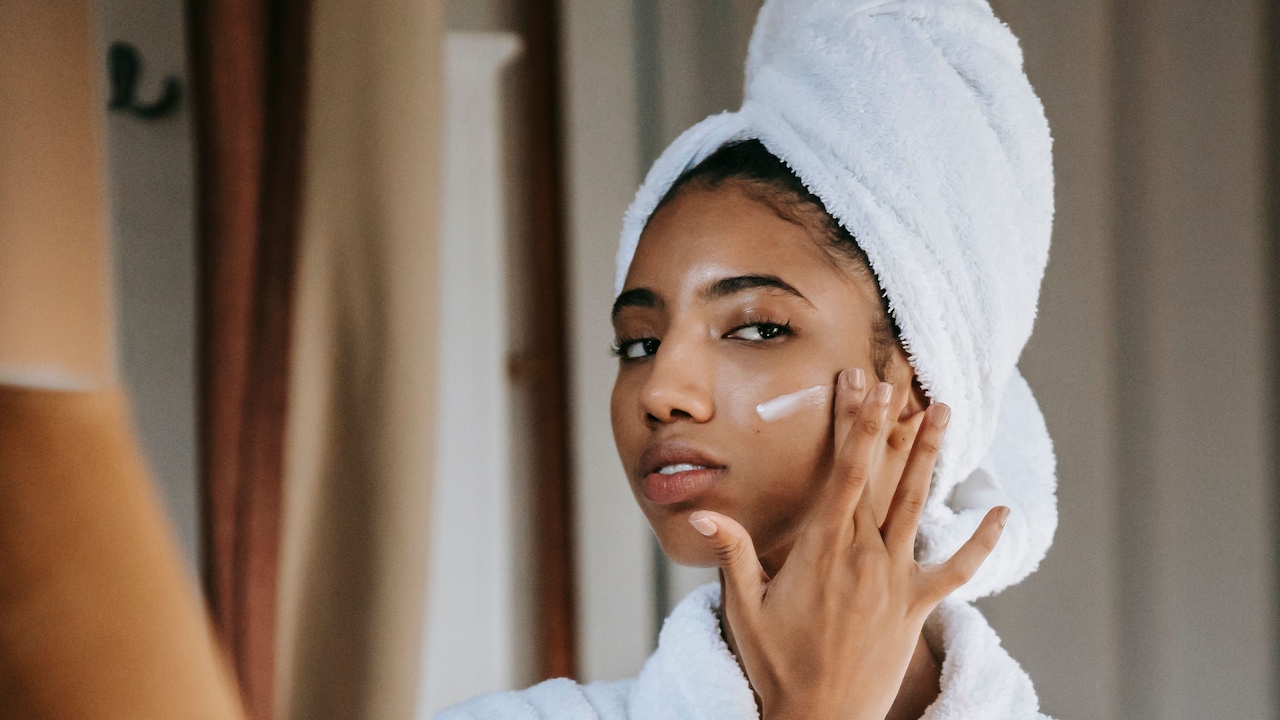
How To Moisturise Your Body Properly: Best Tips To Apply, Layer And Lock Hydration
How To Moisturise Your Body Properly: Hydration often feels like high-maintenance skincare. Yet, with the right habits, any skin type can glow from head to toe. Discover the dos and donts of body moisturising, the right way to apply products, and how to lock in hydration.
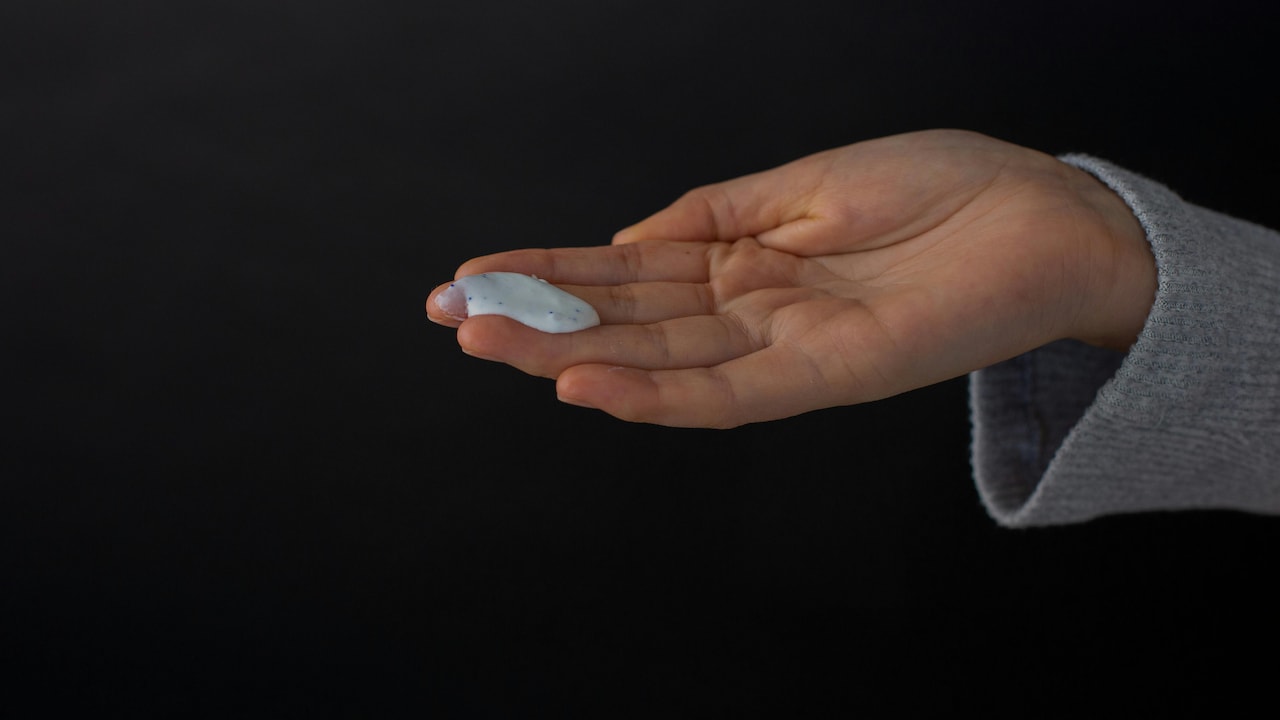
Body Moisturising Dos And Don'ts: The Right Way To Apply, Layer And Lock In Hydration.
How To Moisturise Your Body Properly: Strong heat during summers, chilly winters that chap the skin, and showers that run longer than intended, daily life constantly strips moisture from the body. Hydration isn't just about slathering lotion and hoping for the best. Skin demands timing, technique, and ingredients that match unique needs. Some habits help moisture stay put, while others undo every attempt, leaving skin flaky, itchy, and dull.
Good moisturising feels almost like feeding hungry skin, giving it the right nutrients, treating it with patience, and it returns the favour with softness and resilience. Body care doesn't need complicated routines or expensive products. The real secret lies in knowing how to moisturise. Here are the 10 dos and don'ts that transform body hydration, making moisture feel like a reliable everyday friend.
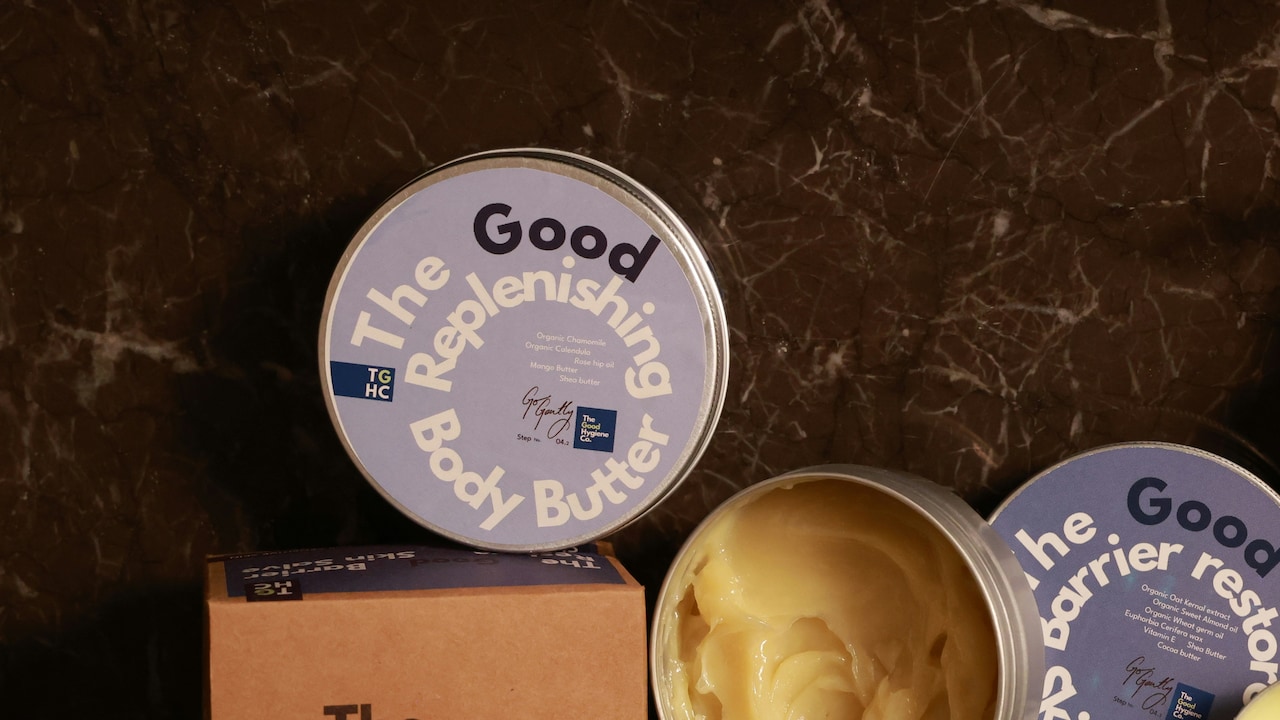
Body Moisturising Dos And Don'ts: The Right Way To Apply, Layer And Lock In Hydration
Photo Credit: Unsplash
Your Essential Guide To Hydrating Skin The Right Way
1. Apply Moisturiser On Damp Skin, Not Dry
Moisturising after a shower is common, yet most people miss the perfect moment. Damp skin absorbs moisture faster, similar to how a sponge takes in water more efficiently when it's slightly wet. Shower steam opens up skin pores, making them ready to drink in hydration. Wait too long after stepping out, and the water on the skin evaporates, taking natural oils along with it.
A simple towel dab to absorb dripping water keeps the skin sufficiently damp. Lotion spreads smoothly, covers more area, and sinks in better. This tiny change helps creams feel richer without needing extra product. Moisturising on damp skin reduces dryness so effectively that it can even cut down the need for frequent reapplication during the day. Think of it as sealing fresh dew before the air steals it away. A few seconds after a bath can make the difference between truly nourished skin and a temporary silky layer that disappears by lunchtime.
2. Choose Ingredients Based On Weather And Skin Type
Skincare aisles can feel overwhelming with ingredients like shea butter, cocoa butter, hyaluronic acid, and ceramides competing for attention. Choosing randomly often leads to lotions that sit on the surface or fail to hydrate enough. The trick is matching ingredients to needs.
During hot, humid months, lightweight lotions work wonderfully. Look for hyaluronic acid, aloe vera, or glycerin. These ingredients pull water into the skin, keeping it plump without feeling greasy. Cooler months demand richer formulas with shea butter, cocoa butter, and ceramides that replenish natural oils and strengthen the skin barrier.
For those dealing with rough patches on elbows, heels, and knees, urea or lactic acid can help soften dead skin, making moisturiser more effective. Sensitivity requires fragrance-free products to avoid itchiness. Choosing wisely ensures skin gets exactly what it craves, without unnecessary spending or shelf clutter. The right match makes moisturising feel effortless, not experimental.
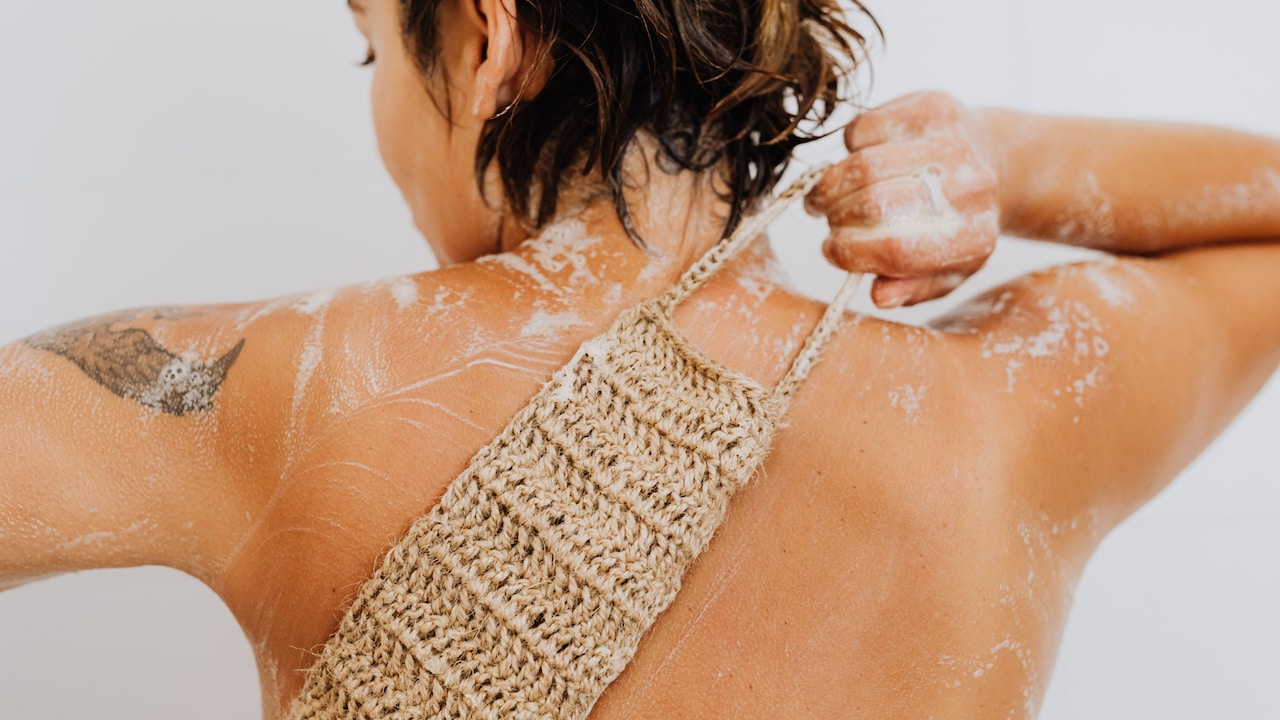
3. Exfoliate Weekly To Improve Moisture Absorption
Dry skin often feels stubborn because layers of dead cells block lotions from penetrating. Exfoliation removes these layers, allowing moisturiser to sink in properly. Without it, lotions sit like a coat on top, offering temporary softness that disappears too soon. Gentle weekly exfoliation helps skincare work harder without increasing quantity.
A mild scrub with sugar, coffee grounds, or store-bought body exfoliants clears dullness and boosts circulation. For those who prefer no-grit options, chemical exfoliants with glycolic acid or lactic acid offer a smooth alternative. Exfoliation should always feel gentle; harsh scrubbing harms skin and disrupts the moisture barrier.
Follow exfoliation with a nourishing moisturiser to maximise the glow. Skin feels smoother to touch, looks calmer, and retains hydration longer. The goal isn't aggressive scrubbing, but respectful renewal. A little attention once a week can save buckets of lotion from going to waste.
Also Read: Dull And Dry Skin? Try These 5 Hydrating Moisturisers For That Dewy Glow In Winter
4. Avoid Over-Using Hot Water During Showers
Long, hot showers feel relaxing after hectic days, but strip away essential oils, leaving the skin thirsty. Instead of nourishing with natural lipids, scalding water washes them away, pushing the skin to overreact with dryness, itching, and flaky texture. Warm water cleans effectively without stealing moisture.
Shorter showers also help skin maintain balance. If warm water still tempts the senses during winter, compensating with thicker moisturisers and body oils becomes essential. A final quick rinse with slightly cooler water helps close pores and keeps moisture sealed longer.
Soap choice matters too. Harsh soaps that lather excessively rob the skin of oils just like steamy water does. Choosing mild, moisturising body washes can support the skin barrier every day. A mindful bathing routine nourishes more than bubbles ever could, giving moisturisers a fair chance to succeed.
5. Use Layering: Lotion + Oil For Extra Dry Skin
Sometimes a single product does not offer enough nourishment, especially during cold months or for naturally dry skin types. Layering creates a power combination. Start with a water-based lotion that hydrates deeply, then add a thin layer of oil to lock the moisture in place. The lotion attracts hydration, and the oil traps it, preventing evaporation.
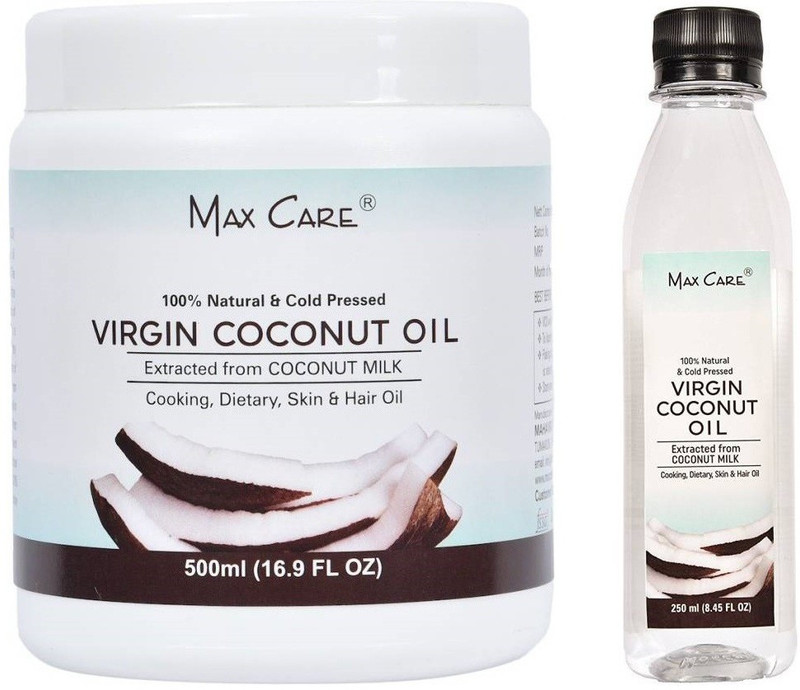
Oils like coconut, almond, or argan oil blend well with skin without feeling heavy when used in the right amount. A coin-sized drop for each limb is enough. Applying oil on fully dry skin often leads to a greasy finish, but layering over lotion keeps things smooth and comfortable.
This technique works well for hands and feet too. A little massaging at night with layered products can transform cracked heels and rough knuckles into soft, healthy skin. Layering feels like tucking the skin under a warm blanket, keeping moisture safe inside.
6. Don't Ignore Hands, Knees, Elbows And Feet
Body moisturising often focuses on arms and legs, neglecting areas that struggle the most: elbows, knees, heels, and hands. These regions face constant friction from sitting, writing, walking, and leaning. This repeated pressure leads to thickened skin, making dryness worse.
Daily moisturising for these parts prevents roughness. A richer, creamier formula works better here than runny lotions. Applying moisturiser after washing hands throughout the day maintains softness, especially for office-goers who use sanitiser frequently. For feet, a dab of heavy moisturiser at night followed by socks works like a mini spa treatment.
Paying attention to these small zones ensures the body looks evenly cared for. No patchy dryness, no greyish elbows, and no embarrassingly cracked heels slipping out of comfy home slippers. Skincare should embrace every part, not just the ones visible in short sleeves.
7. Avoid Rubbing Too Hard, Massage Gently
A common mistake involves rubbing moisturiser aggressively, believing it will absorb better. Harsh movements stress the skin and do nothing to improve hydration. Gentle, circular massage spreads the product evenly and encourages blood flow, helping the skin drink up moisture effortlessly.
Slow strokes make the experience calming, turning moisturising into a soothing ritual rather than a rushed chore. Those few extra seconds of mindful application allow the product to melt into the skin. Massage also aids relaxation after long days, creating a sense of care and comfort.
Moisturising isn't a battle that skin must endure. Treating it kindly shows better results, helping hydration last longer. The goal is nourishment, not speed. A peaceful approach ensures every drop of lotion serves its purpose, making the skin glow with contentment.
8. Don't Fall For Strong Fragrances In Moisturisers
Attractive packaging and strong fragrances often trick consumers into picking products that smell great but offer little nourishment. Fragrances, especially overpowering ones, sometimes irritate sensitive skin and lead to itching or dryness. A moisturiser must focus on hydration first, scent second.
Mild, natural fragrances feel comfortable and are less likely to cause trouble. Strongly perfumed options may clash with perfumes worn later or cause headaches for people sensitive to strong smells. Reading ingredient labels helps avoid unnecessary additives.
Simple formulas often perform best. Unscented or lightly scented moisturisers allow the body's natural feel to shine without interference. A pleasant aroma isn't wrong, but skin shouldn't suffer for it. Choosing hydration over fragrance ensures moisturising remains a skincare routine, not an aroma experiment.
9. Drink Enough Water To Support Skin Hydration
Hydration doesn't start at the surface. Skin responds to internal hydration just as much as topical products. Moisturisers alone cannot compensate for dehydration. When the body lacks water, the skin reflects it with dullness, peeling, and patchiness.
Drinking water throughout the day helps cells maintain structure and elasticity, making moisturisers more effective. Instead of gulping large amounts at once, small sips keep the body consistently hydrated. Seasonal drinks like coconut water, lemon water, or buttermilk make hydration enjoyable without feeling forced.
Food also contributes. Water-rich fruits such as watermelon, oranges, grapes, or cucumbers add to daily hydration naturally. Supporting moisturising from within makes skin care a holistic experience. Water and lotion together create supple, happy skin that radiates health without extra effort.
10. Apply Sunscreen Even After Moisturising
Moisturising gives hydration, but sunscreen protects it. Sun exposure dries out the skin and leads to pigmentation, ageing, and rough texture. Moisturiser softens the skin, but sunscreen shields it from UV damage, which destroys moisture barrier cells over time.
Apply sunscreen after moisturiser settles in. Daily outdoor routines like commuting, walking pets, or running errands expose the body to sunlight even without beach days or holidays. Sunscreen prevents moisture loss while protecting skin tone.
Arm-friendly, body-specific sunscreens with SPF 30 or more work well for exposed areas. Regular use ensures moisturiser benefits remain intact, preventing dryness caused by heat and UV radiation. Hydration and protection function like inseparable partners, one nourishes, the other guards.

Body Moisturising Dos And Don'ts: The Right Way To Apply, Layer And Lock In Hydration
Photo Credit: Pexels
Products Related To This Article
1. Reequil Oil Free Moisturiser for Normal, Oily & Combination Skin
2. FoxTale Foxtale Vitamin C Super Glow Moisturiser with Niacinamide & Peptides
3. MCaffeine 10% Magnesium Body Lotion for 3X Stress Reduction, Better Sleep
4. Chemist at Play Bright Boost Body Lotion With SPF50+
5. Minimalist 5% Niacinamide Body Lotion with Shea Butter, Glycerin & Betaine
6. Plum BodyLovin' Hazelnut Eclair Body Lotion For Hydration
7. Clinique Moisture Surge Intense 72H Lipid Hydrator with Glycerin
Healthy, well-moisturised skin needs more than a random swipe of lotion. Timing, application, ingredients, and lifestyle choices shape the skin's ability to hold on to hydration. Each small habit, massaging gently, layering smartly, hydrating from within, and protecting with sunscreen, becomes part of a routine that respects the body's needs.
Moisturising becomes comforting when done consciously. The skin responds generously to this attention, becoming softer, smoother, and naturally radiant. Treat hydration as caring companionship, not a chore, and it returns the kindness with glowing resilience every single day.
(Disclaimer: This article may include references to or features of products and services made available through affiliate marketing campaigns. NDTV Convergence Limited (“NDTV”) strives to maintain editorial independence while participating in such campaigns. NDTV does not assume responsibility for the performance or claims of any featured products or services.)