How To Use Scalp Scrubs Without Over-Exfoliating Your Hair
Scalp scrubs promise freshness, bounce and healthier roots, but overdoing them can leave hair dull and irritated. This guide explores how to use them wisely, striking the perfect balance between care and caution for a nourished, happy scalp.
How To Use Scalp Scrubs Without Over-Exfoliating Your Hair
Hair care routines have evolved far beyond oiling and shampooing. Shelves now hold serums, masks, and, increasingly, scalp scrubs. These gritty, fragrant blends promise to sweep away build-up, unclog follicles, and leave the scalp feeling lighter than a cool evening breeze after a long summer day. Yet, enthusiasm can sometimes get the better of good sense. A little extra scrubbing here, an extra session there, and suddenly the scalp feels tight, itchy, or unusually sensitive. Much like over-exfoliating facial skin, going overboard with scalp scrubs can disrupt the natural balance that hair relies on. The secret lies in moderation and method. Using scalp scrubs correctly can transform hair health, making strands look shinier and roots feel refreshed. Misusing them, however, can undo all that effort. The trick is to treat the scalp with care rather than aggression.
This guide walks through how to use scalp scrubs effectively without tipping into excess. From choosing the right formula to understanding frequency, each step ensures that hair care remains a soothing ritual rather than a damaging habit.
How To Use Scalp Scrubs Without Over-Exfoliating Your Hair: Expert Tips For Healthy Roots
Photo Credit: Myntra
Mastering The Art Of Scalp Scrubbing Without Damage
Choose The Right Scalp Scrub For Your Hair Type
Not all scalp scrubs are created equal, and selecting the wrong one can do more harm than good. Hair types vary widely, from oily roots that seem to need washing every other day to dry, flaky scalps that crave moisture. A scrub that works wonders for one person may irritate another.
For oily scalps, a scrub with ingredients like charcoal or clay can help absorb excess sebum. Those with dry or sensitive scalps should lean towards gentler options infused with soothing elements such as aloe vera or mild botanical extracts. Texture matters too. Coarse, salt-based scrubs can feel too abrasive, while fine sugar granules tend to be kinder on delicate skin.
Think of it like choosing spices for a meal. Too much heat can overpower the dish, while the right balance enhances flavour. In the same way, the right scrub complements the scalp rather than overwhelming it.
A good rule is to observe how the scalp feels after use. If there is lingering irritation or redness, the product may be too harsh. Switching to a milder formula can make all the difference.
Limit Usage To Once A Week Or Less
There is a certain satisfaction in a deep cleanse, especially after days of sweat, pollution, and styling products. However, scalp scrubs are not meant for daily indulgence. Overuse can strip away natural oils that protect and nourish the scalp.
Using a scrub once a week is usually enough to keep build-up at bay. For those with sensitive or dry scalps, even once every ten days can be more suitable. The scalp needs time to recover and maintain its natural barrier.
Imagine scrubbing a delicate piece of fabric too often. Eventually, the fibres weaken, and the material loses its charm. Hair behaves in a similar way. Over-exfoliation can lead to dryness, increased oil production as a rebound effect, or even hair fall.
Consistency matters more than frequency. A well-timed weekly scrub can deliver better results than multiple hurried sessions. It keeps the scalp balanced and avoids unnecessary stress, allowing hair to grow stronger and healthier over time.
Always Start With Damp Hair
Applying a scalp scrub to dry hair might seem like a shortcut, but it often leads to uneven distribution and excessive friction. Damp hair provides the perfect base, allowing the scrub to spread smoothly and work effectively without causing unnecessary tugging.
Water softens both the hair and scalp, making them more receptive to exfoliation. It also helps reduce the intensity of the scrub's texture, preventing micro-tears or irritation. Think of it as preparing soil before planting seeds. Without moisture, the process becomes rough and less effective.
A quick rinse before applying the scrub can make a noticeable difference. Hair feels more manageable, and the product glides rather than drags. This simple step can be the line between a soothing experience and an uncomfortable one.
Taking a moment to prepare the hair ensures that the scrub does its job gently. It transforms the process into a calming ritual rather than a rushed chore, which ultimately benefits both scalp and strands.
Use Gentle, Circular Motions
The temptation to scrub vigorously can be strong, especially when trying to remove stubborn build-up. However, harsh movements can irritate the scalp and weaken hair roots. Gentle, circular motions are far more effective and much kinder.
Using fingertips instead of nails is essential. Nails can scratch the scalp, leading to discomfort or even small wounds. Circular motions stimulate blood flow, which supports healthy hair growth while evenly distributing the scrub.
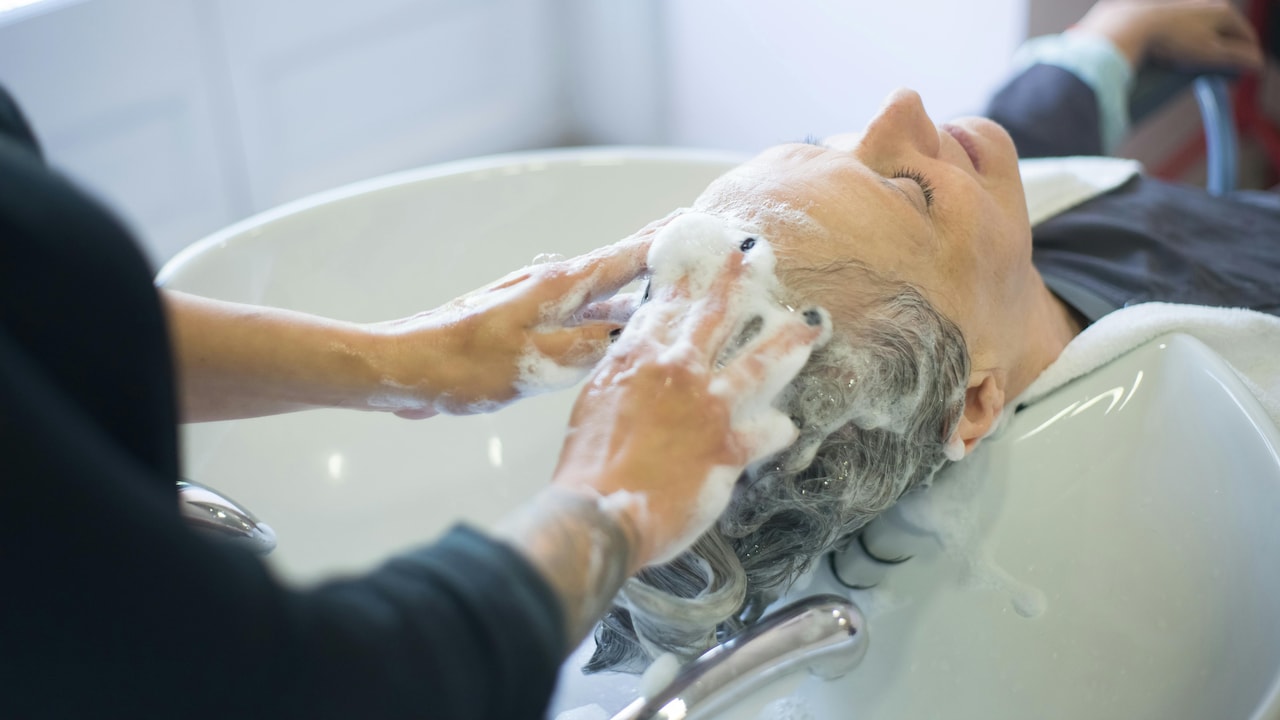
Picture a relaxing head massage at a salon. The movements are slow, rhythmic, and deliberate. That same approach works best at home. There is no need to rush or apply excessive pressure. The goal is to cleanse, not to scrape.
This method not only protects the scalp but also turns the experience into a moment of relaxation. It becomes less about maintenance and more about self-care, something that often feels rare in a busy routine.
Focus On The Scalp, Not The Lengths
Scalp scrubs are designed specifically for the roots, not the entire length of the hair. Applying them to the ends can lead to dryness and breakage, especially for those with longer or chemically treated hair.
The scalp accumulates oil, dirt, and product residue, making it the primary area that needs exfoliation. The lengths, on the other hand, require nourishment and hydration rather than scrubbing. Treating them with a scrub can strip away essential moisture.
It helps to section the hair while applying the product. This ensures even coverage and prevents unnecessary spreading onto the strands. A little patience during application can save a lot of trouble later.
By keeping the focus on the scalp, the scrub performs its intended function without compromising the health of the hair. It maintains the balance between cleansing and care, which is crucial for overall hair health.
Follow Up With A Nourishing Shampoo
After exfoliating, the scalp is clean but also slightly vulnerable. Following up with a gentle, nourishing shampoo helps remove any remaining particles while restoring balance.
Choosing the right shampoo matters just as much as selecting the scrub. Harsh, sulphate-heavy formulas can undo the benefits of exfoliation by causing dryness or irritation. A mild, hydrating shampoo works best to complement the process.
This step ensures that the scalp feels fresh without being stripped. It also prepares the hair for conditioning, allowing moisture to penetrate more effectively. Skipping shampoo after a scrub can leave residue behind, which defeats the purpose of exfoliation.
The combination of scrub and shampoo creates a complete cleansing routine. It clears away impurities while maintaining the scalp's natural harmony, leading to healthier and more manageable hair.
Also Read: Hair Heroes You Need: Grab Hair Care Products For Dullness, Dandruff, And More At 15-20% Off
Never Skip Conditioning After A Scrub
Conditioning often feels like an optional step, but after using a scalp scrub, it becomes essential. Exfoliation can leave hair slightly dry, and a good conditioner restores softness and moisture.
Focusing conditioner on the mid-lengths and ends helps prevent dryness without weighing down the roots. Ingredients like argan oil or shea butter can add shine and smoothness, making hair easier to manage.
Skipping this step can result in rough, tangled strands that are difficult to style. It is similar to washing hands repeatedly without applying moisturiser. The skin feels clean but lacks comfort.
Conditioning completes the routine by sealing in hydration and protecting the hair from environmental stress. It ensures that the benefits of the scrub extend beyond cleanliness, enhancing the overall look and feel of the hair.
How To Use Scalp Scrubs Without Over-Exfoliating Your Hair: Expert Tips For Healthy Roots
Photo Credit: Myntra
Pay Attention To Your Scalp's Signals
Every scalp has its own personality, and learning to read its signals can prevent over-exfoliation. Signs such as itching, redness, or excessive dryness indicate that the routine may need adjustment.
Ignoring these signals can lead to long-term issues, including sensitivity or weakened hair roots. On the other hand, a balanced scalp feels comfortable, neither too oily nor too dry.
External factors like weather, stress, and diet can also influence scalp health. During hotter months, sweat and oil may increase, while colder seasons can bring dryness. Adjusting the frequency of scrubbing accordingly helps maintain balance.
Listening to the scalp ensures that care remains personalised rather than rigid. It allows for flexibility and prevents unnecessary damage, making the routine more effective and sustainable.
Avoid Mixing Too Many Treatments Together
Layering multiple treatments in one session might seem efficient, but it can overwhelm the scalp. Using a scrub alongside strong chemical treatments or multiple masks can lead to irritation.
Keeping the routine simple ensures that each product works effectively without interference. A scrub followed by shampoo and conditioner is often sufficient. Adding too many steps can dilute results and stress the scalp.
Think of it like cooking a dish with too many spices. The flavours clash instead of complementing each other. Hair care follows a similar principle. Simplicity often yields better outcomes.
Spacing out treatments across different days allows the scalp to recover and respond positively. It creates a balanced routine that supports long-term hair health rather than chasing quick fixes.
Invest In Quality Rather Than Quantity
A good scalp scrub does not have to be used in large amounts to be effective. In fact, using too much product can lead to a build-up and make rinsing difficult.
Investing in a quality product ensures better results with minimal usage. Even a small quantity, when applied correctly, can cleanse the scalp thoroughly. This approach also makes the product last longer, offering better value over time.
Spending ₹500 on a reliable scrub that lasts for months often proves more economical than repeatedly buying cheaper alternatives that require larger quantities. Quality ingredients tend to be gentler and more effective, reducing the risk of irritation.
Focusing on quality over quantity simplifies the routine and enhances results. It turns hair care into a thoughtful practice rather than a repetitive expense.

How To Use Scalp Scrubs Without Over-Exfoliating Your Hair: Expert Tips For Healthy Roots
Photo Credit: Myntra
Products Related To This Article
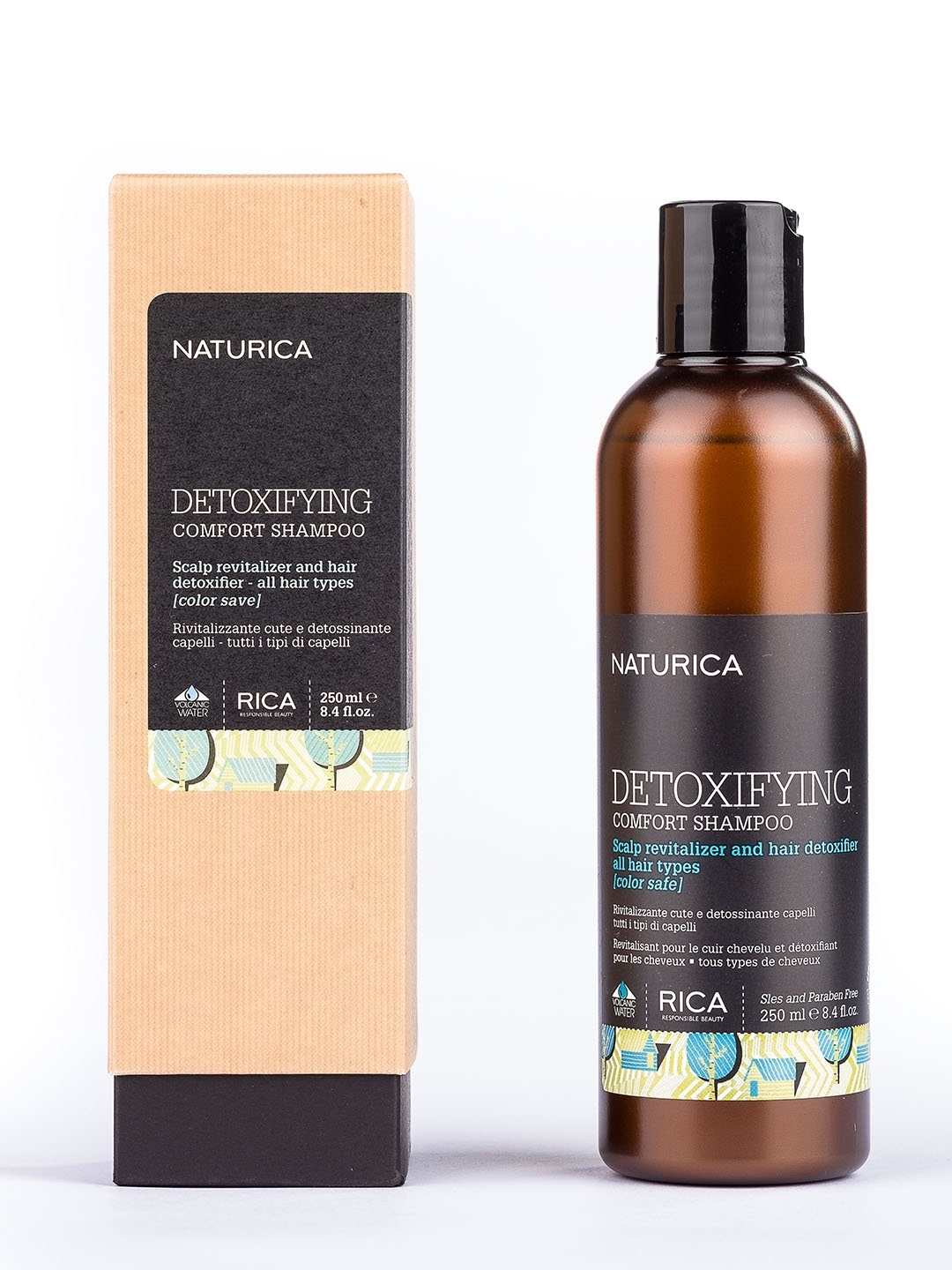
1. Umberto Giannini Grow Long Root Stimulating Shampoo With Scalp Scrub
2. OUAI St Barts Scalp & Body Scrub with Coconut Oil & Sugar Crystals
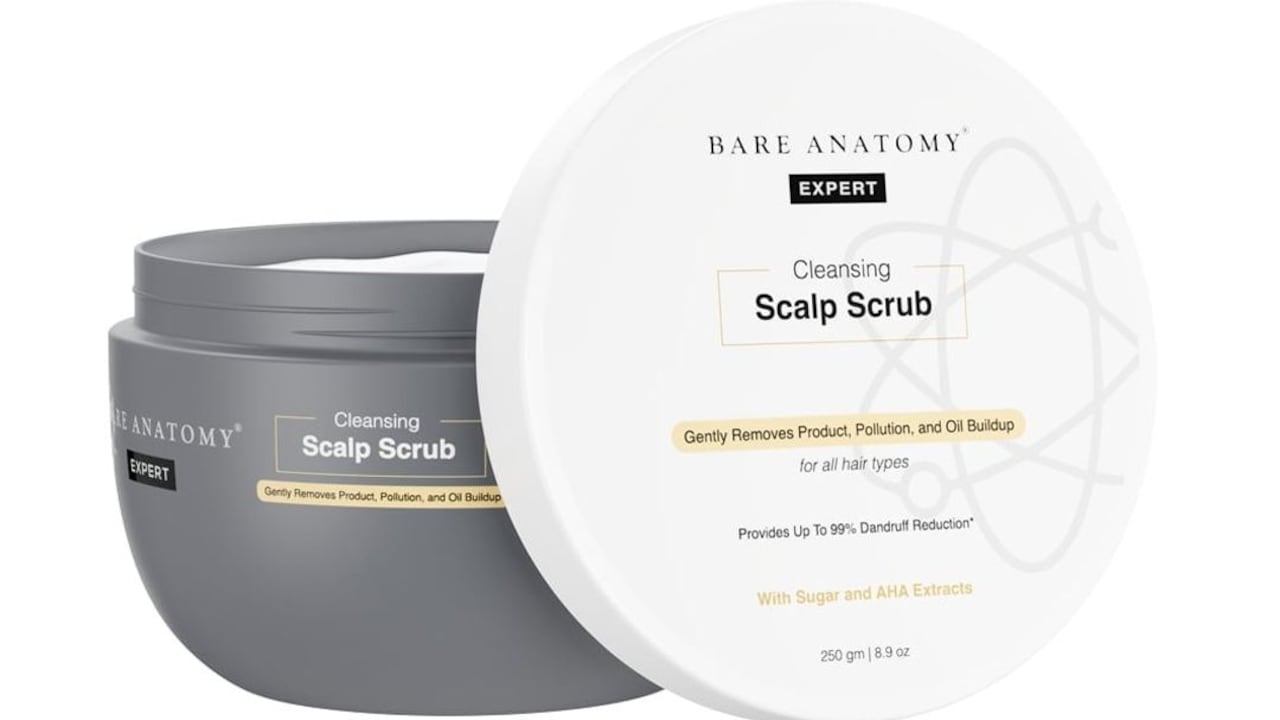
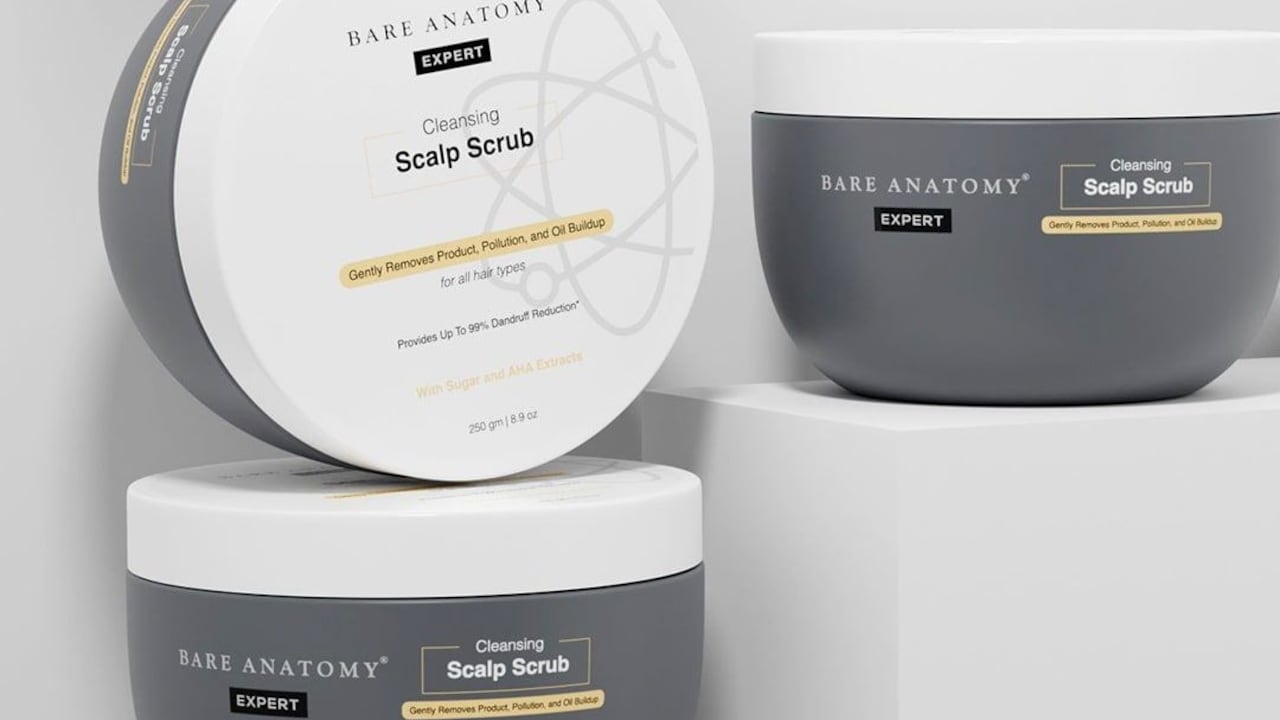
3. Bare Anatomy Set of Anti Dandruff Shampoo 250ml & Cleansing Scalp Scrub
4. Quench Dandruff Control Tea Tree Extracts Ceramides Reduces Oil Buildup Scalp Scrub
5. SUZYAN Set Of 4 Anti Dandruff, Hydra Conditioner, Scalp Scrub & Hydragloss Hair Serum
Scalp scrubs can be a game-changer when used wisely. They bring freshness, clarity, and a sense of lightness that regular washing sometimes fails to achieve. However, the line between benefit and harm is thin, and crossing it can lead to discomfort and damage.
The key lies in balance. Choosing the right product, using it sparingly, and following up with proper care ensures that the scalp remains healthy and resilient. Gentle techniques and attentive observation go a long way in maintaining this balance.
Hair care does not need to be complicated or excessive. Sometimes, a mindful approach with fewer, well-chosen steps delivers the best results. By treating the scalp with care rather than force, it becomes possible to enjoy the benefits of exfoliation without the risks.
In the end, healthy hair begins at the roots, and a happy scalp sets the foundation for everything else.
(Disclaimer: This article may include references to or features of products and services made available through affiliate marketing campaigns. NDTV Convergence Limited (“NDTV”) strives to maintain editorial independence while participating in such campaigns. NDTV does not assume responsibility for the performance or claims of any featured products or services.)