How To Choose A Leave-In Conditioner Without Confusing Moisture With Hold
A leave-in conditioner can soften dry hair, but can it keep your hairstyle in place? Learn how to distinguish moisture from hold and choose the right formula for your hair type, texture and daily routine.
How To Choose A Leave-In Conditioner Without Confusing Moisture With Hold
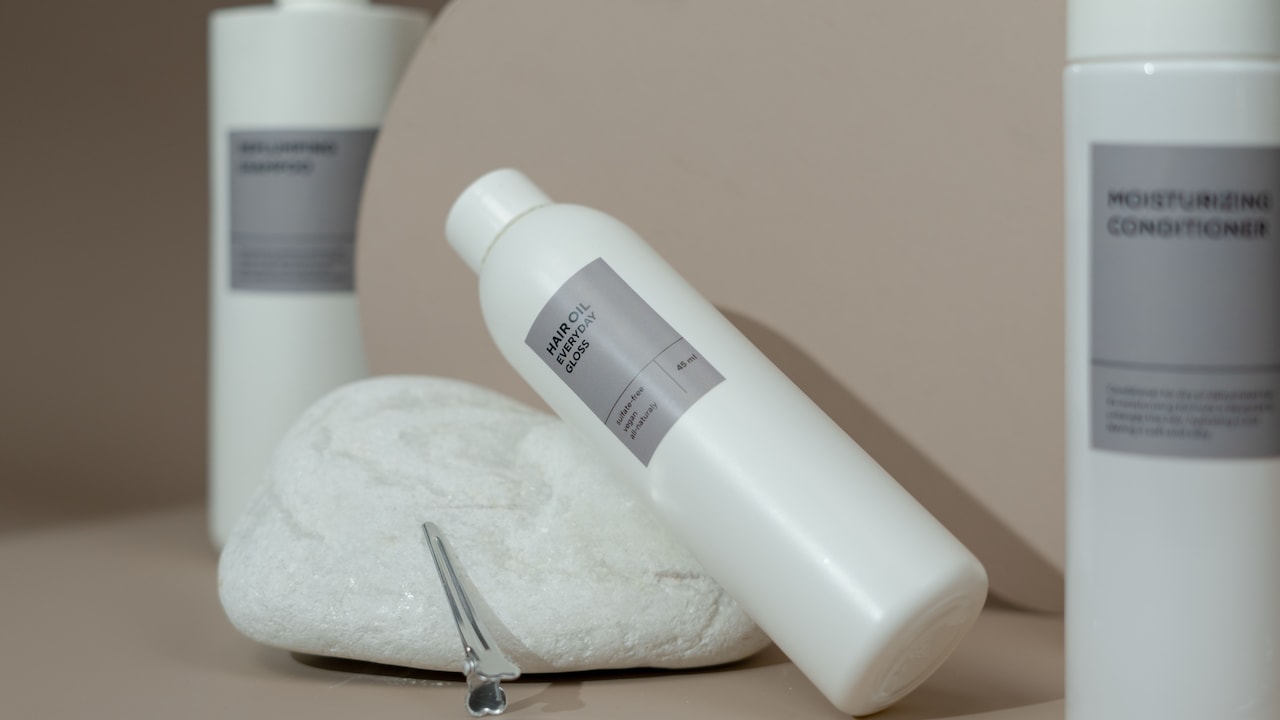
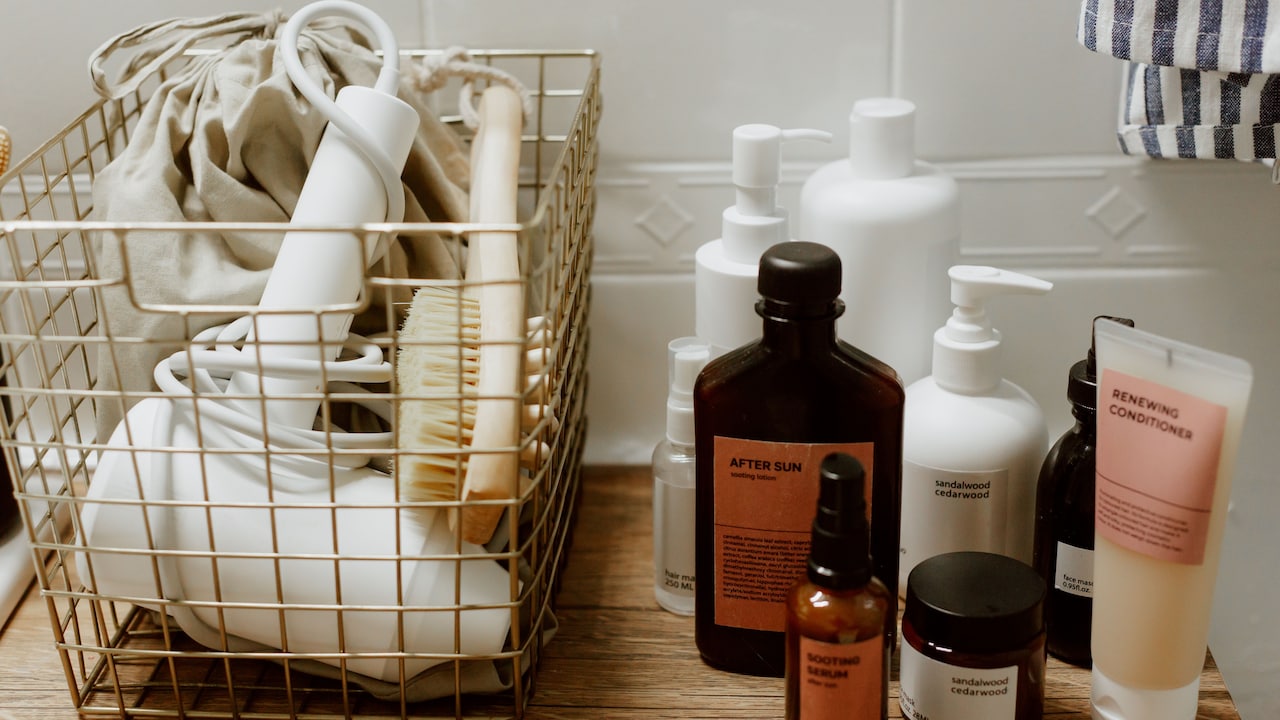
There's something particularly frustrating about spending twenty minutes styling your hair, only to watch it turn into a frizzy cloud before lunchtime. You apply a leave-in conditioner, comb through the strands, admire the smooth finish and step outside feeling rather pleased. Then humidity, sweat or a short commute changes everything. The hair feels soft, but the hairstyle has completely lost its shape. The problem isn't necessarily the product. Sometimes, it's what we expect the product to do. Leave-in conditioners often promise smoother, softer and more manageable hair. Some even mention curl definition, frizz control and styling benefits. With so many claims on one bottle, it's easy to assume that moisture and hold mean the same thing. They don't. Moisture-focused products improve how hair feels and behaves, while styling products with hold help maintain a particular shape. Knowing the difference can save you from buying yet another bottle that ends up forgotten behind the shampoo.
How To Choose A Leave-In Conditioner Without Confusing Moisture With Hold
Photo Credit: Pexels
The trick lies in understanding your hair's needs, reading product labels carefully and recognising when conditioning alone isn't enough. Whether you have straight hair that turns flat, waves that disappear by afternoon or curls that need definition, choosing the right leave-in conditioner starts with understanding what the product can realistically achieve.
10 Tips To Choose The Right Leave-In Conditioner For Your Hair
1. Understand Why Moisture And Hold Are Not The Same Thing
Imagine applying a rich moisturiser to your face and expecting it to work like makeup setting spray. Sounds rather unreasonable, doesn't it? Yet something similar happens when people expect leave-in conditioners to keep hairstyles intact throughout the day.
Moisture and hold serve different purposes. A leave-in conditioner primarily helps soften hair, improve manageability and reduce friction between strands. Depending on its ingredients, it may also help hair retain moisture and feel smoother. Hold, meanwhile, refers to a product's ability to maintain a hairstyle's shape after application.
A conditioner might make curls appear more defined because hydrated, smoother strands clump together better. However, that doesn't automatically mean those curls will stay defined for hours.
Styling gels, mousses and certain creams contain film-forming ingredients that help maintain shape. Regular leave-in conditioners don't necessarily provide this benefit.
Consider someone with naturally wavy hair. After applying a leave-in conditioner, their waves might look beautifully arranged. By evening, those waves could loosen without any actual loss of conditioning.
The takeaway is simple: softness tells you about conditioning, while lasting shape tells you about hold. Understanding this distinction makes product selection much easier.
2. Identify Whether Your Hair Needs Conditioning Or Styling Support
Before buying a leave-in conditioner, pay attention to what bothers you most about your hair. Is it roughness, tangling and dryness? Or does your carefully arranged hairstyle lose its shape before the day ends?
These complaints might seem connected, but they often require different solutions.
Hair that feels rough after washing, tangles easily or becomes difficult to comb may benefit from a conditioning formula. Ingredients that provide lubrication and reduce friction can improve how strands feel. On the other hand, hair that feels soft but refuses to maintain waves or curls may need a separate styling product.
Picture someone preparing for an office presentation. Their hair looks smooth after washing, but the carefully styled waves flatten during the commute. Applying more leave-in conditioner may make the strands heavier without improving the hairstyle.
In that situation, a lightweight conditioner followed by a suitable mousse or gel might work better.
There's also the possibility that hair needs both conditioning and styling support. Dry curls, for instance, may benefit from a moisturising leave-in beneath a styling gel.
Instead of shopping according to attractive promises on the packaging, identify the specific problem first. Buy conditioning for softness and manageability, and hold products for lasting shape.
3. Choose A Formula That Suits Your Hair Texture
One person's miracle conditioner can become another person's greasy disappointment. That's because hair texture affects how a leave-in formula spreads, sits and performs.
Fine hair often struggles with heavy products. Rich creams and buttery formulas may make strands feel coated or cause roots to appear flat. Lightweight sprays, fluids and milk-like conditioners usually offer a better starting point, particularly when applied sparingly.
Thicker, coarser hair may benefit from richer creams that provide more lubrication and help control roughness. Curly and coily textures can also benefit from formulas that make detangling easier and reduce friction during styling.
However, texture isn't the only consideration. Hair density, strand thickness, damage and personal preference also influence the result.
Someone with fine curly hair, for example, might need moisture without the weight of a thick curl cream. Meanwhile, a person with thick straight hair might enjoy a richer conditioner despite having no curls whatsoever.
Rather than assuming all curly hair needs heavy products or all straight hair needs sprays, consider how easily your strands become weighed down.
A useful rule is to begin with a small amount of a suitable formula. You can always add more, but removing excess conditioner usually means washing your hair again.
How To Choose A Leave-In Conditioner Without Confusing Moisture With Hold
Photo Credit: Pexels
4. Learn To Read Labels Beyond Attractive Marketing Claims
Haircare packaging can sound remarkably persuasive. Words such as nourishing, defining, smoothing, hydrating and frizz-controlling appear everywhere. Unfortunately, they don't always explain whether a conditioner provides actual styling hold.
Start by looking at the product's stated purpose. A regular leave-in conditioner generally focuses on softness, detangling and manageability. A styling cream may emphasise curl definition, shape retention or flexible hold.
Next, examine the ingredients.
Glycerin, panthenol and certain other humectants can help attract or retain water under suitable conditions. Fatty alcohols, including cetyl and cetearyl alcohol, help give many conditioners their creamy texture and conditioning properties. Silicones such as dimethicone can improve slip, reduce friction and make hair feel smoother.
Styling products may contain film-forming polymers, including PVP and certain VP/VA copolymers, that help support hairstyle retention. However, the presence of a polymer alone doesn't guarantee strong hold.
Product concentration, formulation and application matter too.
Be particularly cautious about treating the word 'definition' as proof of hold. A conditioner can improve curl appearance without offering long-lasting styling support.
Read the complete description rather than relying on the front label. If holding power matters, look for a clear indication of flexible, medium or strong hold.
5. Consider Hair Porosity Without Treating It As A Strict Rule
Hair porosity describes how readily hair absorbs and releases water. It's a useful concept, but it shouldn't become another complicated classification system that makes shopping more confusing.
Hair with a relatively intact cuticle may resist wetting and can take longer to become thoroughly saturated. Highly porous hair, often associated with chemical processing or damage, may absorb water readily yet struggle to retain it.
These differences can influence how hair responds to conditioners.
Damaged, porous strands may benefit from formulas that reduce friction, improve smoothness and help protect the cuticle from further wear. Hair that becomes weighed down easily may respond better to lighter products.
However, don't assume that porosity alone determines the perfect conditioner.
Popular home tests, such as dropping a strand into a glass of water, aren't reliable ways to establish hair porosity. Product residue, trapped air and other factors can influence whether a strand floats or sinks.
Instead, observe what happens after several washes. Does a conditioner leave your hair manageable? Does it feel coated? Does it become tangled again shortly after drying?
These everyday observations often reveal more about product suitability than a single porosity label.
The goal isn't to diagnose every strand. It's to find a formula that consistently improves your hair's condition.
6. Understand Why Frizz Control Doesn't Always Mean Strong Hold
Frizz is one of the biggest reasons people reach for leave-in conditioners. After all, nobody enjoys leaving home with smooth hair and returning with a hairstyle that resembles an enthusiastic science experiment.
But frizz control and hold work differently.
Conditioners can reduce friction, smooth the hair surface and help strands sit together more neatly. This may reduce the appearance of flyaways and improve manageability.
Hold products help maintain a hairstyle's arrangement by creating a supportive film around or between strands.
Humidity complicates matters. Hair can absorb moisture from humid air, causing temporary changes in shape and increasing frizz. A conditioning product might make the hair feel softer without preventing these changes.
Take a typical monsoon morning. Freshly washed waves look smooth indoors, but outdoor humidity gradually changes their shape. Applying extra conditioner won't necessarily solve the problem.
A suitable anti-humidity styling product may offer better shape retention, although no formula guarantees complete protection from humid conditions.
Also, don't confuse natural volume with unwanted frizz. Some textures naturally have more fullness and movement.
Choose a conditioner to improve smoothness and manageability. If maintaining a particular finish matters equally, consider a complementary styling product rather than expecting one conditioner to perform both jobs.
7. Match The Conditioner To Your Everyday Styling Routine
The best leave-in conditioner isn't necessarily the richest or most expensive formula. It's the one that works comfortably with your daily habits.
Someone who washes their hair before heading to work might prefer a lightweight spray that takes seconds to apply. Another person who follows a detailed curl routine may appreciate a cream that provides slip during detangling.
Consider your styling tools as well.
If you regularly blow-dry or straighten your hair, choose products that suit heat styling. Some leave-in conditioners offer heat-protection claims, but not every conditioning formula provides adequate protection against styling temperatures.
Check the product instructions rather than assuming that moisturised hair automatically has heat protection.
Those who prefer air-drying may value a conditioner that encourages smoothness without making strands feel sticky. People who tie their hair into buns or ponytails might prioritise detangling and softness over curl definition.
Your schedule matters too. A complicated routine involving five products may look appealing online, but it isn't particularly useful when you're rushing to catch a train.
Choose a conditioner that complements what you already do.
A simple routine you can maintain consistently usually makes more sense than an elaborate collection of products that you rarely have time to use properly.
8. Avoid Using Excess Conditioner To Compensate For Missing Hold
When a hairstyle doesn't behave, the natural instinct is to add more product. A little extra conditioner seems harmless, especially when the bottle promises smoothness and control.
Unfortunately, applying too much can create new problems.
Excess leave-in conditioner may leave hair feeling coated, limp or greasy, particularly when the formula contains heavier conditioning ingredients. Fine strands can lose volume, while curls may appear stretched or less defined.
Adding more conditioner also doesn't necessarily improve styling hold.
Imagine applying a generous amount of cream to freshly washed waves. Initially, everything appears smoother. A few hours later, the waves look flatter because the product has added weight without providing sufficient shape retention.
The solution may involve changing the product combination rather than increasing the quantity.
Start with a modest amount of leave-in conditioner and distribute it through the mid-lengths and ends, unless the instructions say otherwise. Add more only where necessary.
For hairstyles that require lasting definition, apply an appropriate styling product afterwards.
If your hair feels sticky, excessively coated or unusually heavy after drying, reconsider the amount or formula.
Sometimes, the missing ingredient in a successful routine isn't more moisture. It's the right amount of styling support.
9. Test Product Performance Instead Of Judging The First Application
A conditioner that makes hair feel wonderfully silky within minutes can seem like an instant winner. However, first impressions don't always reveal how well a product fits your routine.
Judge its performance after your hair has dried and throughout the day.
Start by applying the recommended amount to clean, damp hair. Notice how easily your fingers or comb move through the strands. Does the product spread evenly? Does it make detangling more comfortable?
Once your hair dries, examine the finish. Look for softness, manageable texture and a comfortable feel rather than assuming every trace of volume should disappear.
Then observe what happens later.
If the hair remains soft but your curls loosen, the conditioner may be working perfectly well. You might simply need styling hold.
For a more useful comparison, test the same conditioner across several wash days while keeping other products and styling methods reasonably consistent.
Weather, washing habits and application quantity can all influence the outcome.
Avoid changing your shampoo, conditioner, styling cream and drying technique simultaneously. Otherwise, figuring out which product made the difference becomes nearly impossible.
A good leave-in conditioner should improve the aspects of haircare it actually promises. Judge it by those benefits, not by styling results it never claimed to provide.
10. Build A Simple Routine That Balances Moisture And Hold
Once you understand what your hair needs, building a routine becomes considerably easier. The aim isn't to collect endless products. It's to give each product a clear purpose.
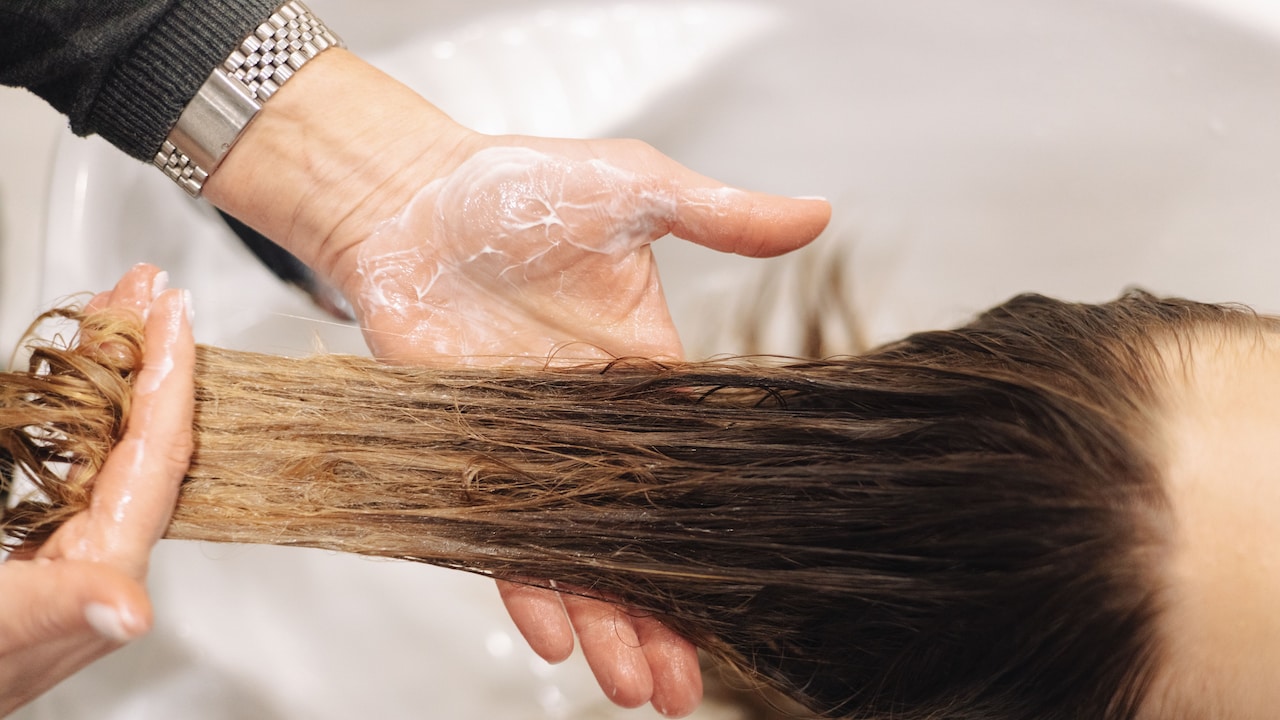
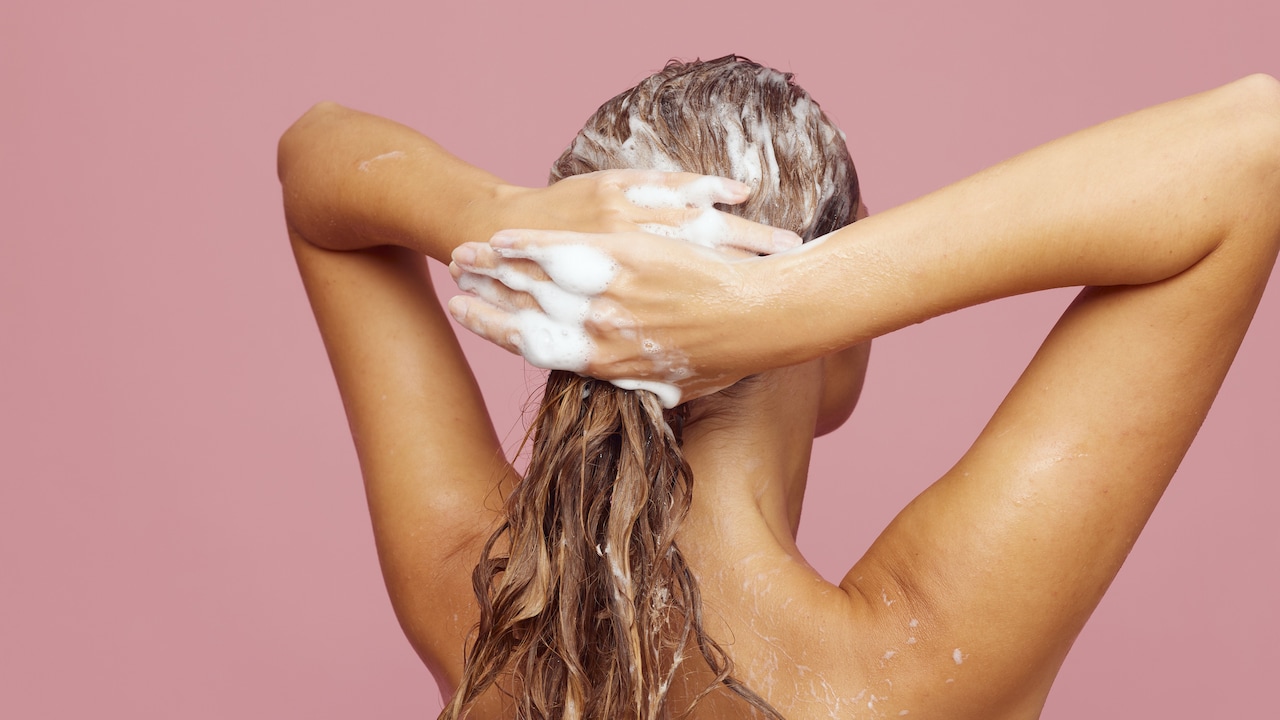
Begin with an appropriate shampoo and rinse-out conditioner. After washing, gently remove excess water with a soft towel or cotton T-shirt. Avoid vigorous rubbing, which can increase tangling and friction.
Apply a suitable leave-in conditioner according to the instructions. Concentrate on sections that need extra softness or detangling.
If your hairstyle requires structure, follow with a compatible styling product.
For wavy hair, a lightweight mousse or gel may help maintain definition without excessive weight. Curly hair might benefit from a conditioning cream followed by a gel that provides flexible or stronger hold, depending on the desired finish.
Straight hair doesn't automatically require styling hold, particularly when the goal is simply smoother, more manageable strands.
Allow the products to dry according to their instructions. Some styling gels create a temporary firm coating, often called a cast, which can soften when gently scrunched after drying.
Most importantly, adjust the routine according to actual results.
If your hair feels soft but won't maintain its shape, review your styling product. If it holds beautifully but feels rough, reconsider the conditioning step.
The right balance should make haircare easier, not turn every wash day into an exhausting experiment.
How To Choose A Leave-In Conditioner Without Confusing Moisture With Hold
Photo Credit: Pexels
Products Related To This Article
1. MOXIE BEAUTY Wavy Routine - Shampoo + Conditioner + Leave-In + Styling Serum Gel
2. Nat Habit Bio-activated Fresh Nutri Conditioner for Hair Fall Control
3. Fix My Curls Set Of 2 Leave In Cream & Defining Hair Gel
4. Mamaearth Hibiscus Damage Repair Conditioner with Curry Leaves & Shea Butter
5. Bare Anatomy HydraFuse Technology Anti-Frizz Leave-In Conditioner
6. ARATA Advanced Curl Care Leave-In Hair Conditioner
7. Bare Anatomy Curl Intensifying Leave In Conditioner Cream
Choosing a leave-in conditioner becomes much simpler once moisture and hold stop competing for the same job. A conditioner should make hair softer, easier to manage and more comfortable to style. A hold product should help maintain the shape you want.
Pay attention to your hair texture, daily routine, product ingredients and how your strands behave after drying. Don't mistake attractive packaging or instant smoothness for long-lasting styling performance.
Ultimately, good haircare isn't about finding one magical bottle that promises everything. It's about choosing products that work together, so your hair feels as good as it looks, even after a long day.
(Disclaimer: This article may include references to or features of products and services made available through affiliate marketing campaigns. NDTV Convergence Limited (“NDTV”) strives to maintain editorial independence while participating in such campaigns. NDTV does not assume responsibility for the performance or claims of any featured products or services.)