Why Your Hair Gets Staticky In Winter And How To Fix It
Frustrated with your hair getting staticky in winter? Understand what causes static, how dry weather affects your strands and simple ways to keep hair smooth.

Why Your Hair Gets Staticky In Winter And How To Fix It
Winter can make even a simple hair care routine feel a little frustrating. You wash your hair, condition it properly and spend some time getting it to sit just right. But the moment you pull a sweater over your head or take off a woollen scarf, your hair starts flying in different directions. Small strands stick to your face, the ends refuse to settle, and brushing sometimes makes the problem even worse. This is static hair, and it tends to become more noticeable when the temperature drops and the air gets drier. It can happen to straight, wavy and curly hair, so no particular hair type is completely free from it.
Why Does Your Hair Get Staticky In Winter?
Photo Credit: iStock
But why does your hair get staticky in winter, and is there a way to prevent it without changing your entire hair care routine? The good thing is that a few everyday habits can help reduce the problem. From choosing the right brush to using a little more moisture, here's what you can do to keep your hair manageable through the colder months.
Why Does Your Hair Get Staticky In Winter?
Static is when an electrical charge accumulates in your hair. Static electricity can become noticeable in winter due to the lower moisture content of cold air, which means that the strands are more likely to be drier than in other seasons.
1. Low Humidity Makes Hair Drier
Lower air moisture levels mean the strands are more likely to become dehydrated. Dry hair is prone to forming static electricity when it rubs against various surfaces, including clothes and scarves.
This means you will not have trouble with your hair in the summer, but in December or January it may become unmanageable. This effect can be intensified by indoor heating, as well.
2. Woollen Clothes Can Increase Static
Have you noticed how static electricity increases when you take off a woollen sweater? This phenomenon is caused by the friction of your strands against various fabrics, which can create an electrical charge in your hair.
Fleece, synthetic materials, and woollen fabrics, in particular, can contribute to this issue. The more friction your strands experience, the more obvious static is going to be.
How To Fix Static Hair During Winter?
You do not have to go through a complicated hairdressing routine to deal with this problem. Some simple changes in hair care practices and products used to wash and style the strands will help.
1. Use A Moisturising Shampoo And Conditioner
The first step should be to change the hair-washing products. Excessive dryness from a harsh shampoo will make static more noticeable, especially when your hair is exposed to dry winter weather.
You should choose a mild and moisturising shampoo and conditioner. The conditioner should be applied only to your lengths and tips, but not directly to the scalp.
2. Apply A Leave-In Conditioner
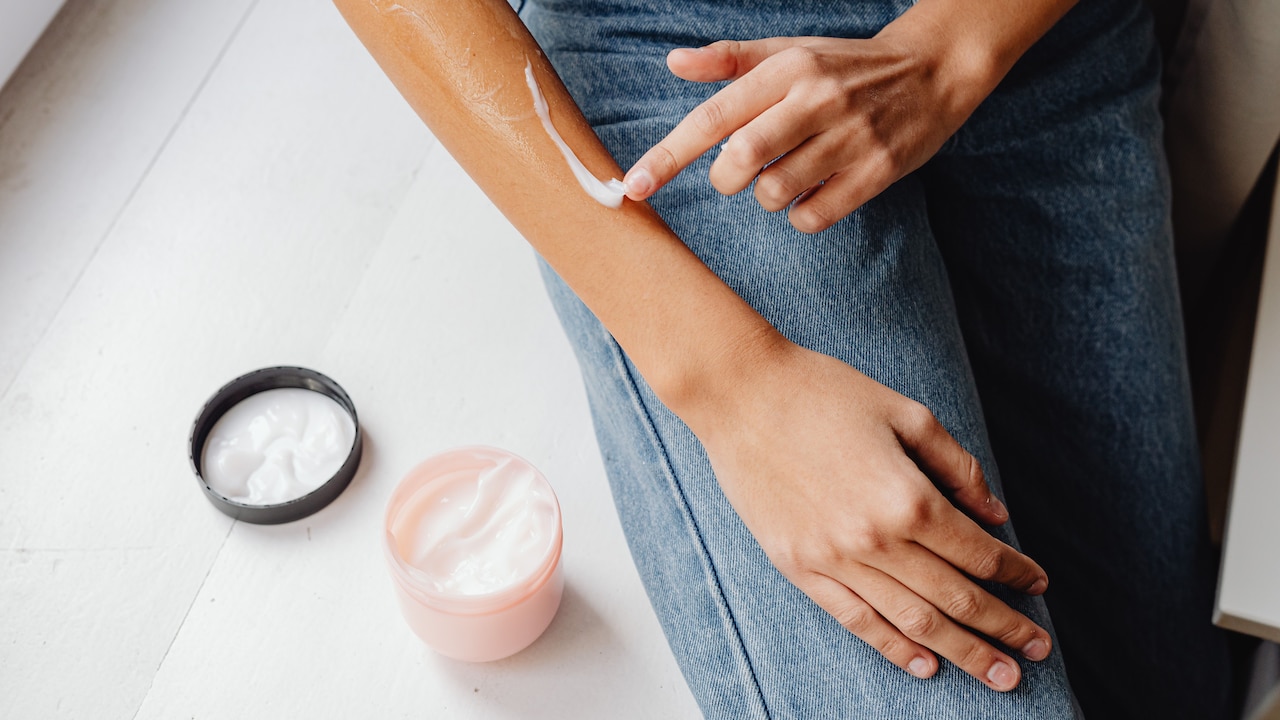
Unlike regular conditioner that gets rinsed out, leave-in conditioner remains on your hair, providing extra conditioning. This will allow you to decrease dryness, soften hair and make it easier to comb.
Use a small amount of leave-in conditioner when your hair is damp, paying more attention to mid-lengths and tips. Do not apply too much leave-in conditioner to your fine hair because otherwise, it will make your strands look dull.
What Hair Care Habits Can Make Static Worse?
Your products may not be the issue at all. Some everyday styling habits quietly make static more visible in winter.
1. Avoid Rubbing Your Hair With A Towel
Rubbing wet hair hard with a regular towel creates friction, and it leaves the strands rough and tangled, which makes them harder to manage later. A soft cotton T-shirt or a microfibre towel works better. Squeeze out the extra water gently, then let the hair dry naturally if you can. Less friction, less static.
2. Don't Overuse Heat Styling Tools
Blow-drying, straightening and curling again and again can leave already dry hair feeling coarse. Repeated heat can also cause damage, more so when no heat protection is used. Apply a protectant before styling and keep the temperature reasonable. On days when you have nowhere special to be, air-drying is a perfectly good choice.
Also Read: Low Porosity Hair Care Routine Tips That Actually Work
How To Prevent Static Hair When Brushing And Styling?
What you brush with, and what you put on afterwards, matters more than most people expect. The aim is to cut friction while keeping the hair well conditioned.
1. Switch To A Suitable Anti Frizz Brush
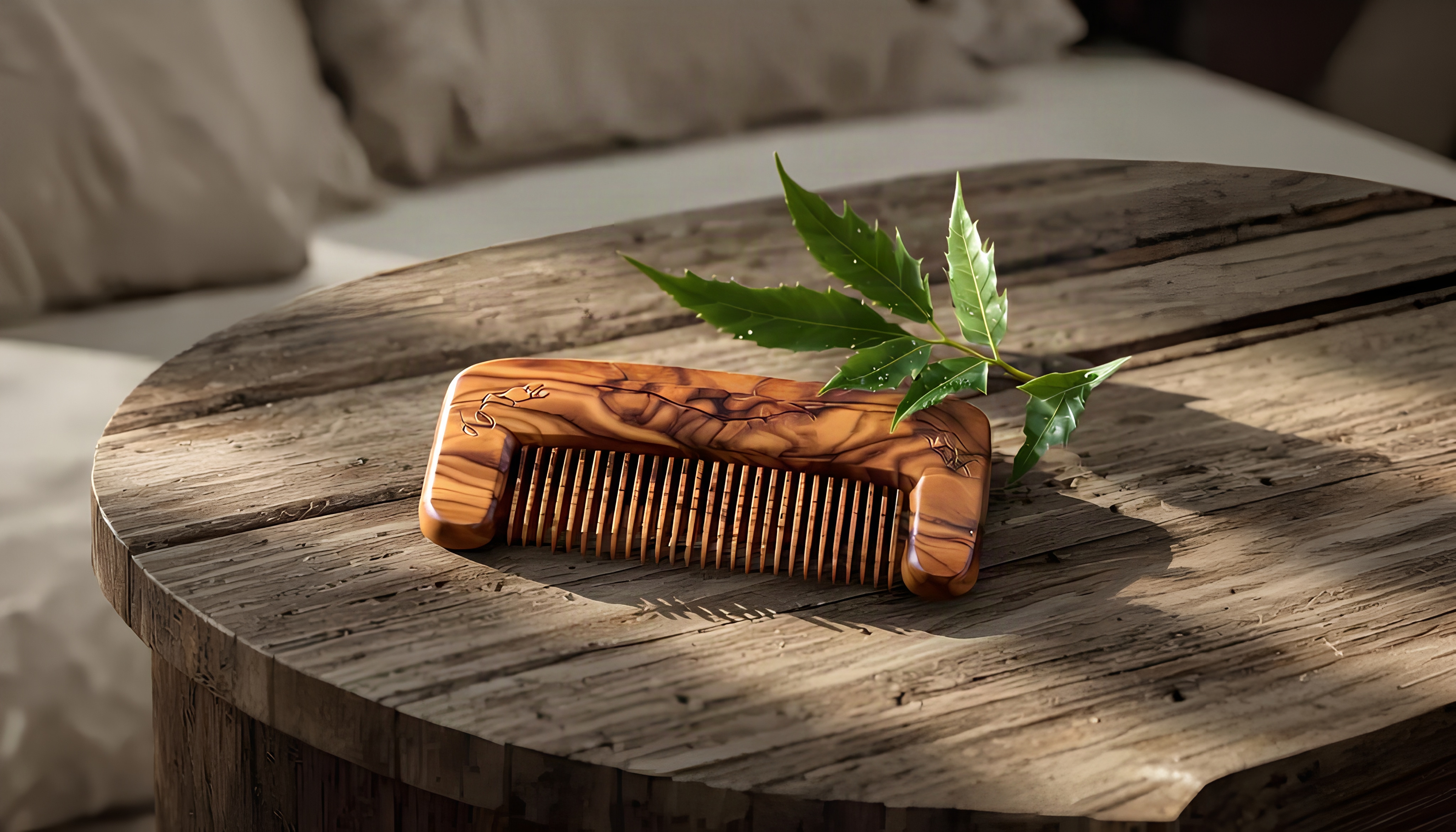
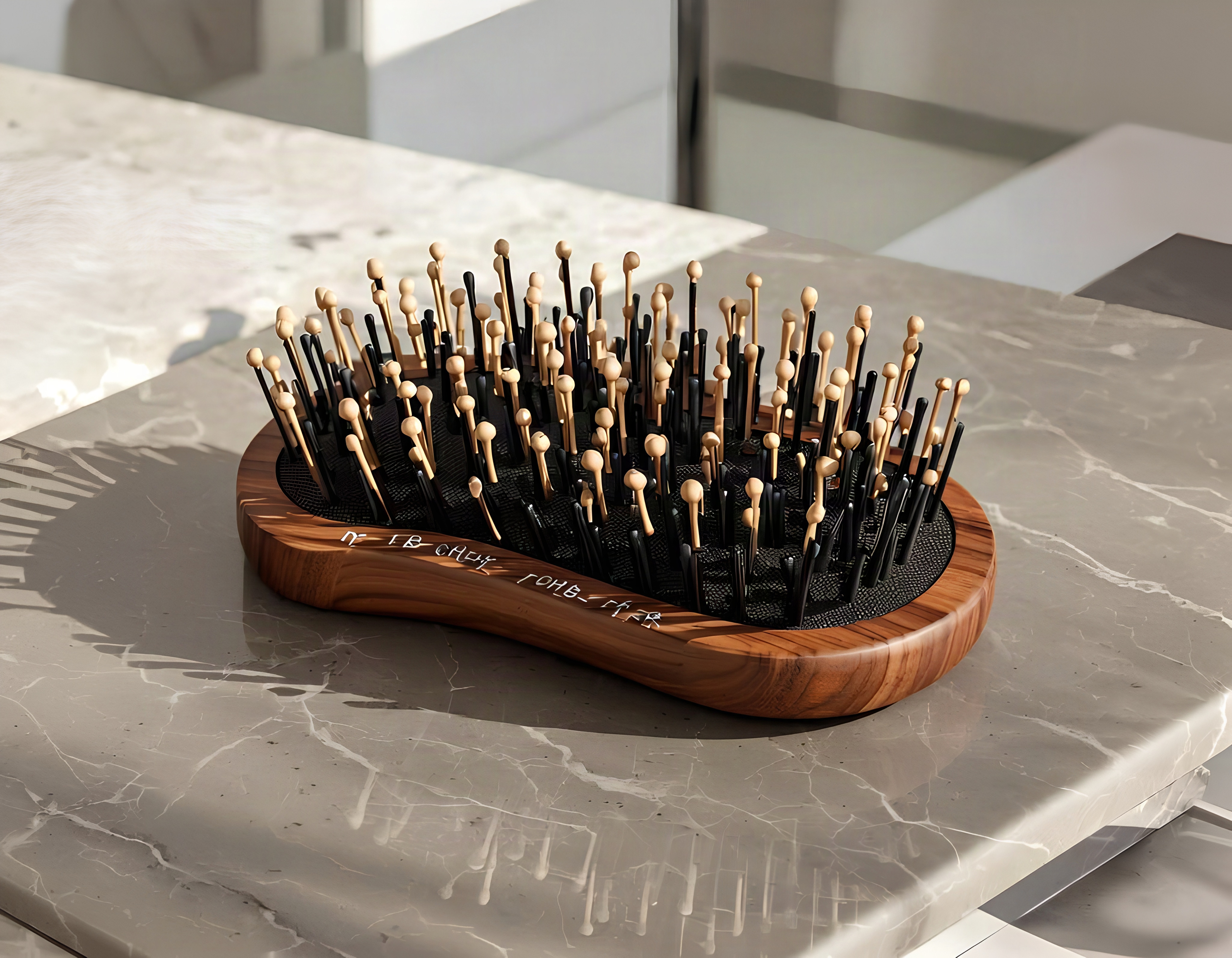
Plain plastic brushes can add friction, especially on dry hair. An anti-frizz brush with smooth bristles is a better pick, since it detangles without too much pulling. A wooden comb or a well-designed detangling brush can also suit everyday use. Work from the ends upward toward the roots, rather than dragging through knots from the top.
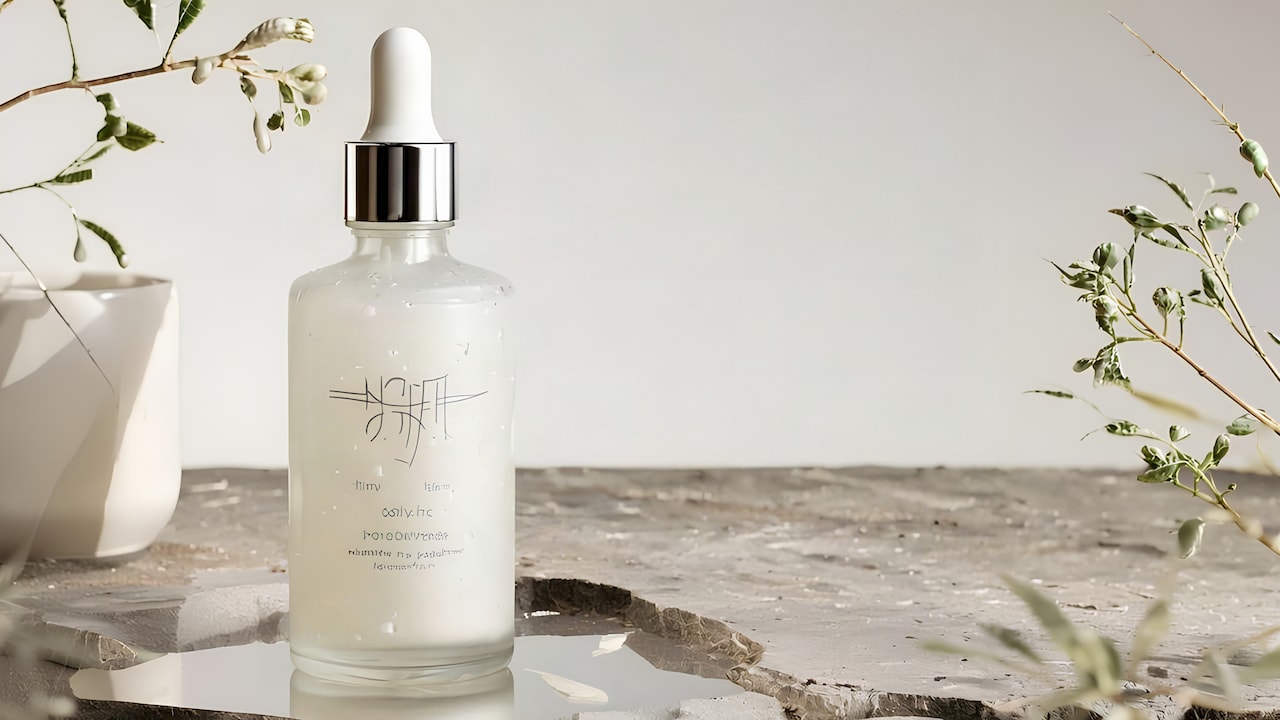
2. Apply A Little Hair Serum
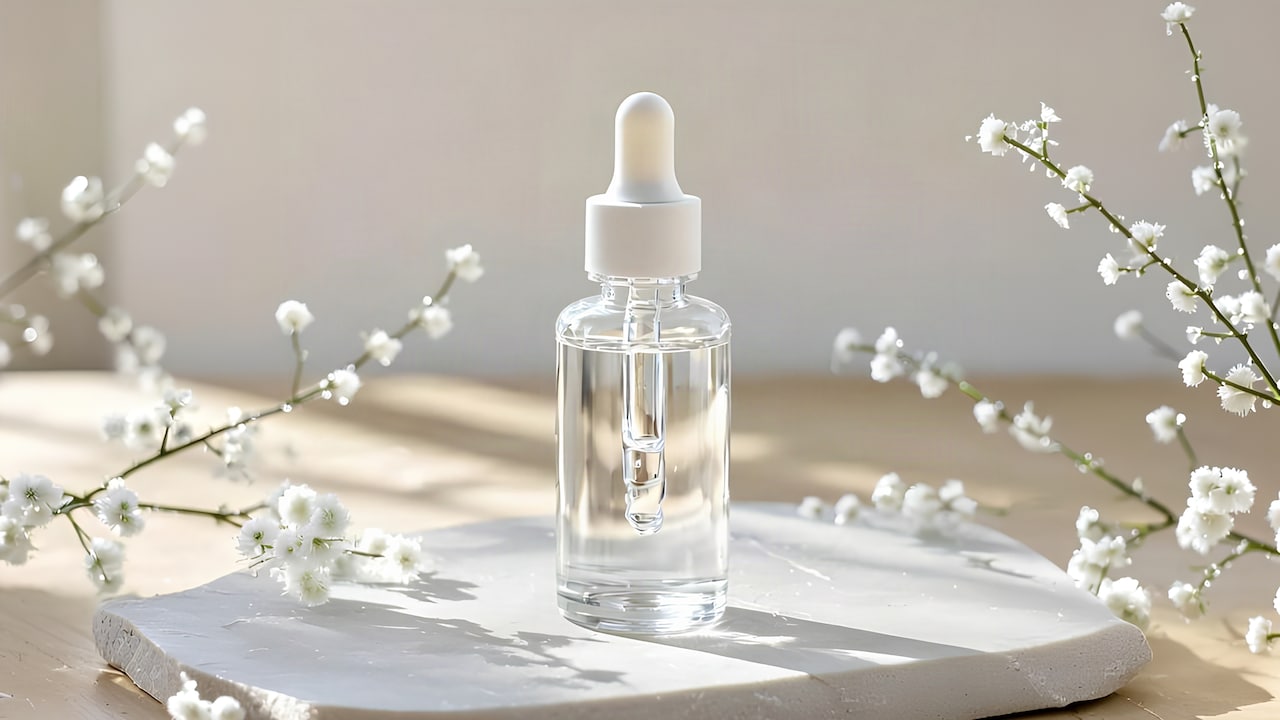
Flyaways that won't settle are where a serum earns its place. A lightweight one smooths the surface of the hair, adds some shine and makes styling easier. Rub a small amount between your palms and run it through the lengths. Keep it away from the roots if your scalp tends to get oily. A small bottle in your bag is handy for quick touch-ups during the day.
Some Hair Care Products You May Like
Photo Credit: iStock
Some Hair Care Products You May Like
1. Zeyu Detangling Hair Brush
2. RUFIYS RUIFYS Neem Wooden Wide Tooth Comb | Detangling & Anti-Static
3. GUBB Unisex Oval Cushion Large Hair Brush
4. ALLURE Boar Bristle Detangling & Frizz Control Hair Brush – FHB-01 – Assorted
5. Ayurveda Amrita Organic Oil Neem Wooden Comb
6. Swiss Connection Unisex Premium Wooden Hair Comb
7. OHRIA AYURVEDA Natural Neem Wooden Comb - Eco-Friendly Hair Comb
8. Spanking Wide Tooth Detangling Comb
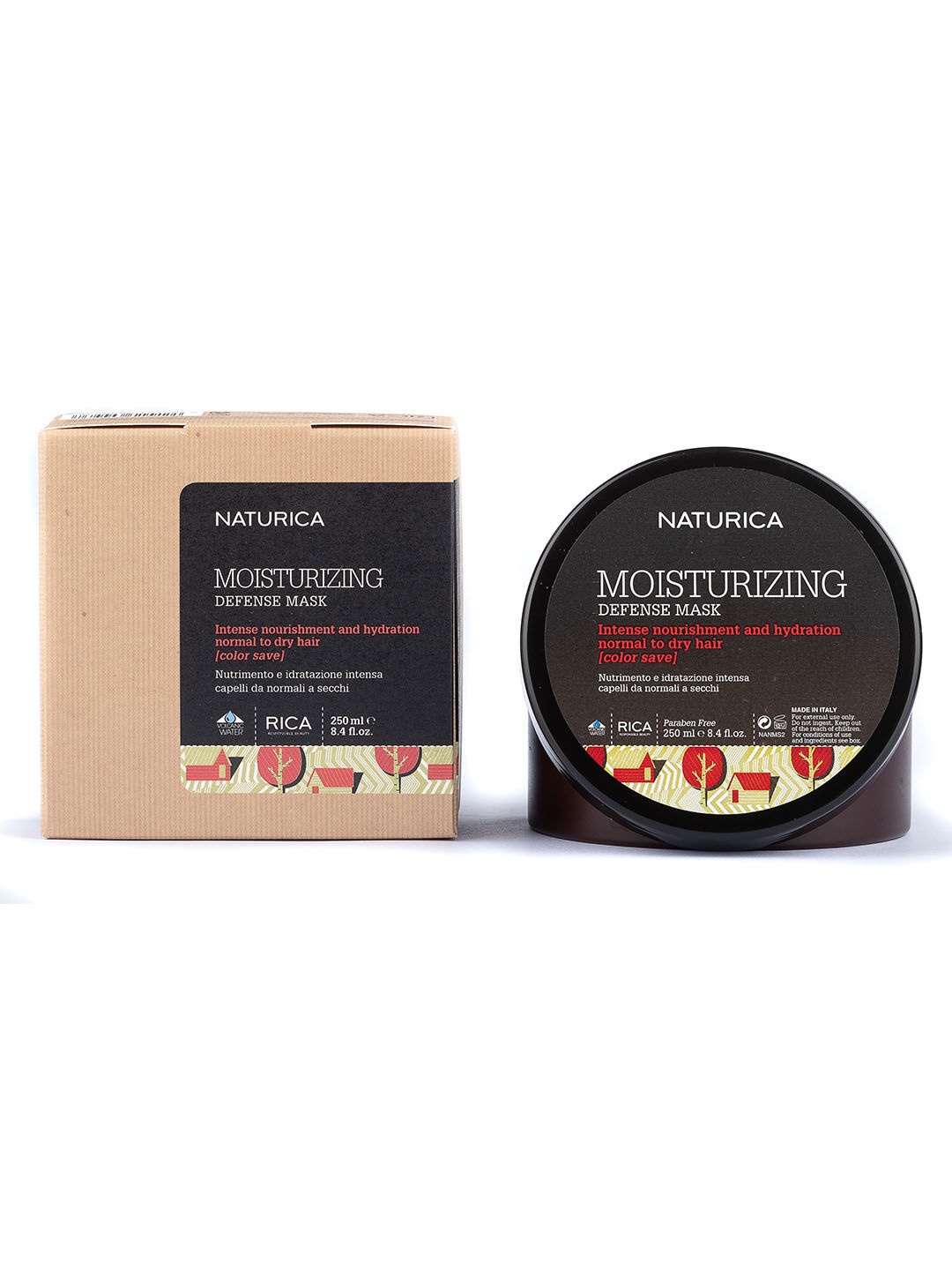
Winter static hair can be frustrating, but the good news is that it is usually easy to manage with a few simple changes to your haircare routine. Keeping your hair well-moisturised, reducing friction from woollen clothing and dry indoor air, and using nourishing products such as leave-in conditioners, hair serums, and hydrating masks can make a noticeable difference. By giving your hair the extra hydration it needs during the colder months, you can keep flyaways under control and enjoy smoother, healthier-looking locks all winter long.
Frequently Asked Questions (FAQs)
1. Why does my hair get staticky after brushing?
The bristles rub against your hair, and that friction lets a charge build up. Dry hair and low humidity make the effect easier to see.
2. Does oil help with static hair?
It can. A few drops soften dry strands and reduce friction. Keep it to the lengths and ends so the scalp doesn't turn greasy.
3. Is a wooden comb better for static hair?
Usually, yes, because wood creates less friction than plastic. Still, gentle brushing and proper conditioning count just as much as the comb itself.
4. Can static hair be a sign of damaged hair?
Not always. Dryness and friction are the common causes. Damaged hair can be more prone to flyaways and roughness, so the two sometimes overlap.
5. How can I stop my hair from sticking to my clothes in winter?
A leave-in conditioner or a light serum keeps strands smooth. Softer fabrics help too, and so does cutting down on rubbing against woollen clothing.
(Disclaimer: This article may include references to or features of products and services made available through affiliate marketing campaigns. NDTV Convergence Limited (“NDTV”) strives to maintain editorial independence while participating in such campaigns. NDTV does not assume responsibility for the performance or claims of any featured products or services.)