Why Using Several Brightening Products Together Can Make A Routine Harder To Tolerate
Layering multiple brightening serums, creams and exfoliants may seem like a shortcut to glowing skin. However, too many active ingredients can trigger irritation, weaken the skin barrier and make pigmentation harder to manage.
Why Using Too Many Brightening Products Can Damage Your Skin Barrier
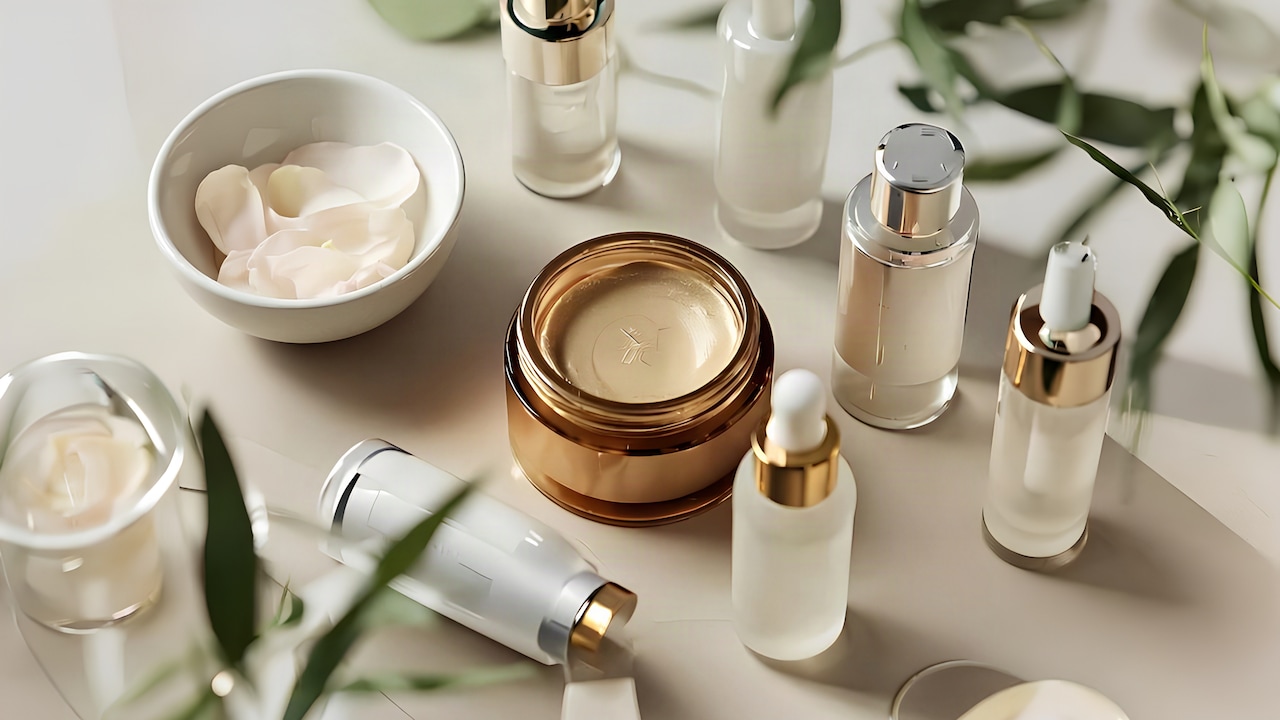
A vitamin C serum in the morning, a niacinamide moisturiser after cleansing, an exfoliating toner twice a week and a brightening cream before bed. On paper, this sounds like a skincare routine that means business. After all, every product promises something appealing: fewer dark spots, an even complexion, smoother texture or that much-discussed glow. But what happens when the pursuit of brighter skin leaves the face feeling tight, itchy or unusually sensitive? Brightening products have become everyday skincare essentials. From affordable pharmacy formulations to expensive serums, there's no shortage of options for tackling pigmentation, acne marks and uneven skin tone. Social media makes the temptation stronger. One creator recommends vitamin C, another swears by glycolic acid, and someone else insists that alpha arbutin deserves a permanent place on the bathroom shelf. The problem isn't necessarily the ingredients themselves. Many have well-established benefits when used correctly. Trouble often begins when several products with overlapping functions enter the same routine without considering their concentrations, frequency or compatibility with the skin. A longer routine doesn't automatically deliver better results. Sometimes, it simply gives the skin more to tolerate. Understanding why this happens can help prevent unnecessary irritation, wasted money and the frustration of watching dark spots become more noticeable despite consistent skincare.
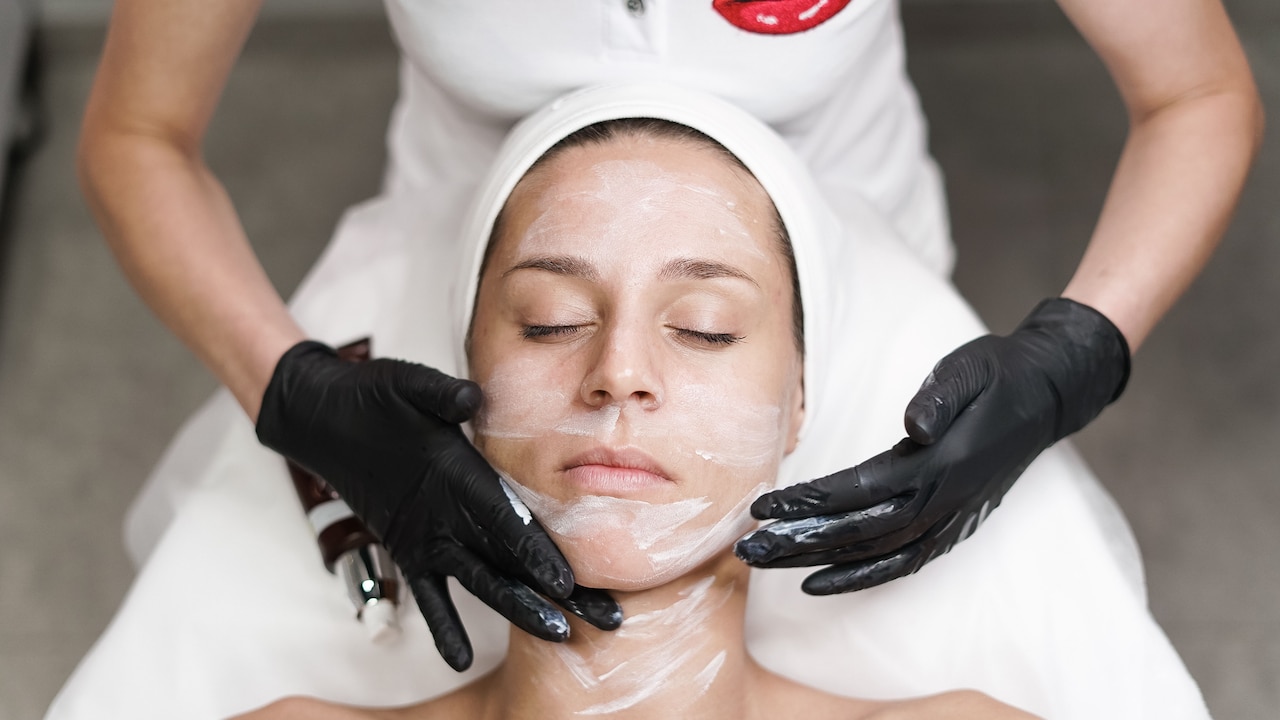
Why Using Too Many Brightening Products Can Damage Your Skin Barrier; Photo Credit: Pexels
10 Reasons Why Layering Brightening Products Can Do More Harm Than Good
1. Too Many Active Ingredients Can Overwhelm The Skin
Brightening products often contain active ingredients that target pigmentation through different mechanisms. Vitamin C offers antioxidant benefits and can help improve uneven tone. Niacinamide supports the skin barrier and can reduce the appearance of discolouration over time. Alpha arbutin targets melanin production, while exfoliating acids encourage the removal of dead surface cells.
Each ingredient may serve a useful purpose. However, combining several formulas doesn't guarantee that their benefits will multiply.
Imagine applying a vitamin C serum, followed by a brightening essence containing exfoliating acids, then finishing with a treatment cream featuring another active ingredient. Even if each product feels comfortable individually, their combined effects may prove difficult for sensitive skin to handle.
The risk also depends on the formulation. A gentle niacinamide moisturiser differs considerably from a concentrated exfoliating treatment. The same ingredient can behave differently depending on its strength, acidity and supporting ingredients.
Instead of introducing everything together, start with one targeted treatment. Observe how the skin responds before adding another.
A carefully selected product that suits the skin's needs often achieves more than an elaborate routine that causes persistent discomfort.
Also Read: Top 5 Skincare And Grooming Essentials To Refresh Your Routine This Season
2. Excessive Exfoliation Can Damage The Skin Barrier
Exfoliation helps remove dead surface cells and can improve dullness, rough texture and certain types of pigmentation. Ingredients such as glycolic acid, lactic acid and salicylic acid appear in cleansers, toners, serums and overnight treatments.
The difficulty begins when several products exfoliate the skin without making that function obvious.
Someone might use an exfoliating face wash in the morning, an acid-based brightening serum in the evening and a resurfacing mask every weekend. Individually, these products may seem reasonable. Together, they can create more exfoliation than the skin comfortably tolerates.
The skin barrier helps retain moisture and protects against environmental irritants. Excessive exfoliation can disrupt this protective system, causing dryness, stinging, redness and increased sensitivity.
Interestingly, irritated skin may also develop a shiny appearance. That doesn't necessarily indicate healthy radiance. When the face feels unusually tight or burns after applying a basic moisturiser, the routine deserves attention.
Reducing exfoliation frequency can help limit further irritation. A gentle cleanser, suitable moisturiser and daily sunscreen can support recovery.
Brightening shouldn't come at the expense of a comfortable, functioning skin barrier.
3. Combining Strong Formulas Can Increase Irritation
Two products can contain different active ingredients yet still create an uncomfortable combination.
Consider a routine involving an acidic vitamin C serum, a glycolic acid toner and a retinoid treatment. These ingredients can serve different purposes, but using multiple potentially irritating formulas within a short period may increase dryness and sensitivity.
Retinoids encourage skin cell turnover and can improve some forms of pigmentation. Glycolic acid exfoliates the skin's surface. Certain vitamin C formulations also have an acidic base. Combining these products too aggressively may overwhelm skin that hasn't developed sufficient tolerance.
This doesn't mean these ingredients must never appear in the same overall routine. Dermatologists sometimes recommend combinations based on specific concerns and individual tolerance.
However, there's a difference between a carefully planned treatment schedule and layering products simply because they're popular.
A practical approach involves separating stronger treatments across different evenings or using them less frequently when appropriate. Introduce new products gradually and monitor any discomfort.
The goal isn't to collect the maximum number of active ingredients. It's to find an effective routine that the skin can tolerate consistently.
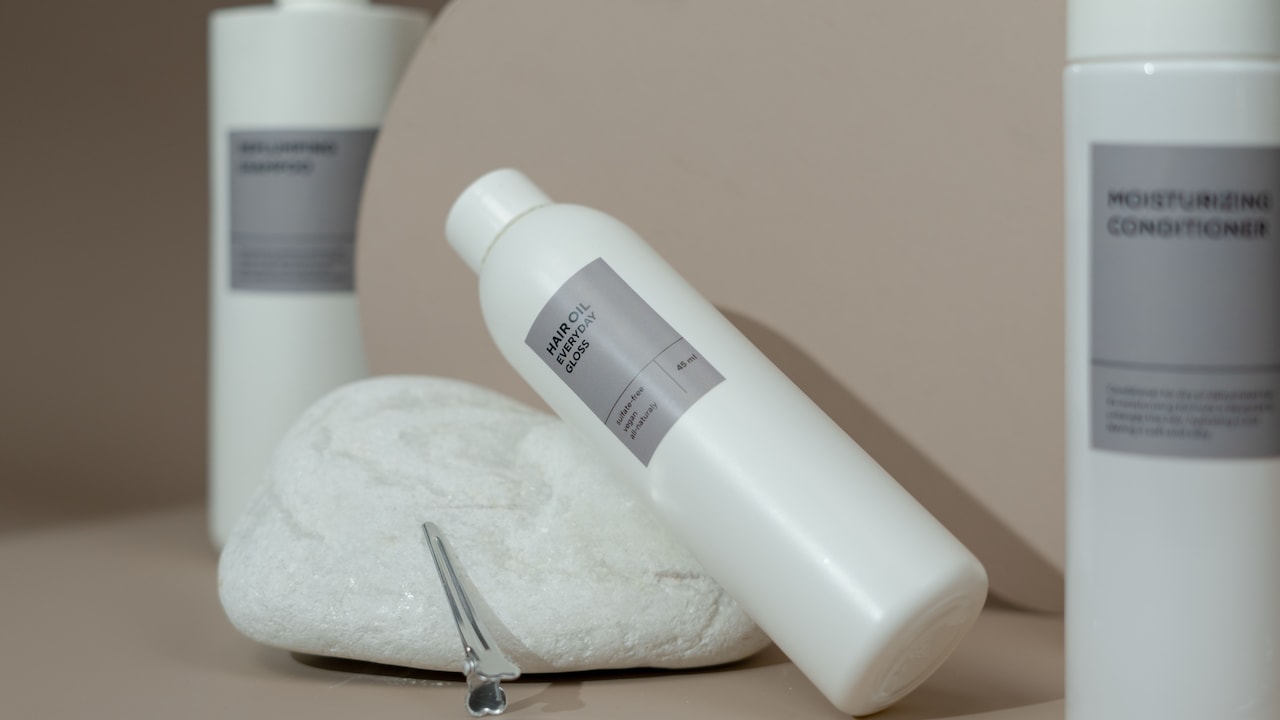
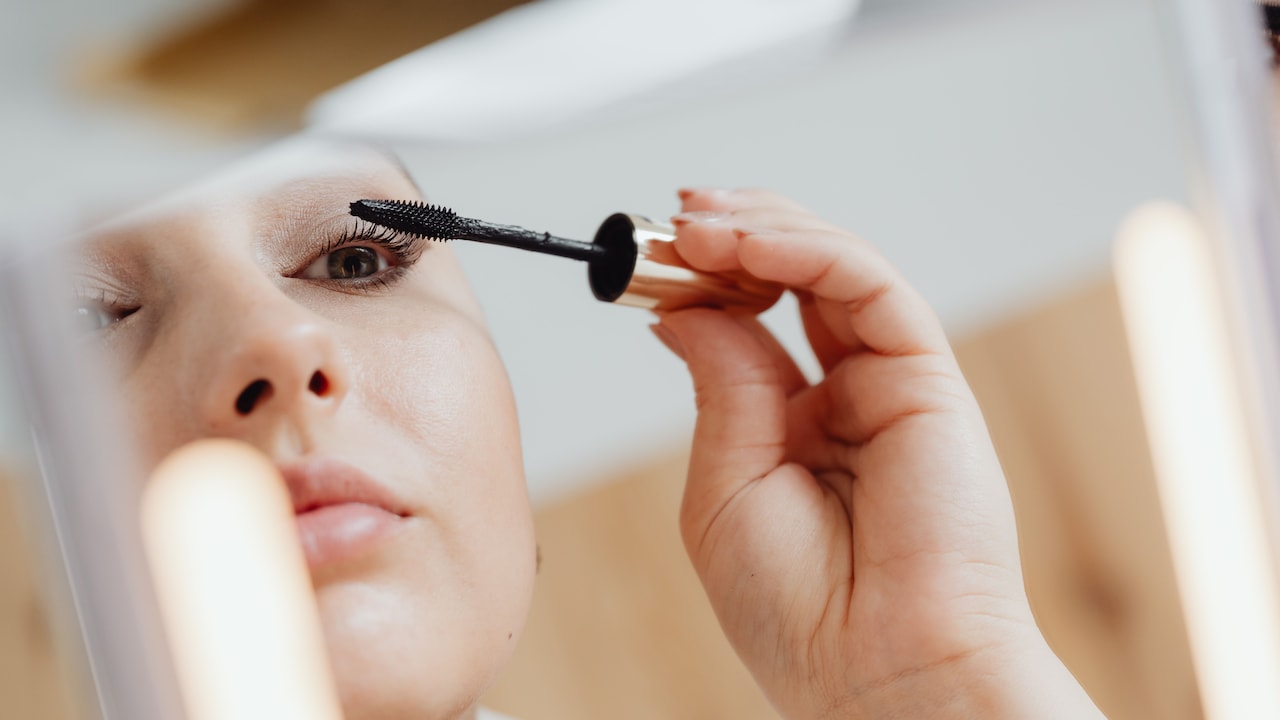
Why Using Too Many Brightening Products Can Damage Your Skin Barrier; Photo Credit: Pexels
4. Irritation Can Make Dark Spots More Noticeable
One of the most frustrating outcomes of an overloaded brightening routine is the possibility of darker marks appearing instead of fading.
Inflammation can trigger post-inflammatory hyperpigmentation, particularly in skin tones that produce more noticeable pigment after irritation. Acne, scratches, burns and harsh skincare treatments can all contribute to this process.
When multiple products cause repeated stinging, peeling or inflammation, the skin may respond by producing additional pigmentation. This can leave existing marks looking more prominent or create new patches of discolouration.
The situation becomes especially confusing when a brightening product causes irritation but also promises to reduce pigmentation. Someone may assume that stronger sensations mean the treatment is working, even as their skin grows increasingly uncomfortable.
Burning and persistent redness aren't reliable signs of effectiveness.
For example, applying a powerful exfoliating solution repeatedly to stubborn acne marks may cause irritation that prolongs the visible problem.
Reducing unnecessary inflammation is therefore an important part of managing pigmentation.
Treatments need time, consistency and suitable concentrations. Protecting the skin from avoidable irritation can be just as valuable as choosing an effective brightening ingredient.
5. Fragrances And Supporting Ingredients Can Add To The Problem
Active ingredients usually receive the most attention, but the rest of a skincare formula matters too.
Brightening creams, serums and face masks often contain fragrances, botanical extracts, preservatives and other supporting ingredients. Many people tolerate these substances without difficulty. Others may experience irritation or allergic reactions to particular components.
Using several products increases the number of ingredients that come into contact with the skin each day.
For instance, a brightening cleanser might contain fragrance, while a serum includes botanical extracts and a moisturiser features additional scented ingredients. Even when the primary actives seem suitable, one formula could still cause discomfort.
Essential oils and strongly fragranced products deserve particular consideration for people with reactive skin. Natural ingredients aren't automatically gentler than laboratory-developed alternatives.
The challenge becomes identifying the actual cause. Was it the brightening acid, the fragrance or something else in the formulation?
Choosing straightforward products can make troubleshooting easier.
When sensitivity develops, simplifying the routine and reintroducing products individually may help identify potential triggers. Persistent reactions warrant professional assessment, especially when an allergy is suspected.
6. Layering More Products Can Make Reactions Harder To Identify
A skincare routine shouldn't feel like solving a mystery every morning.
Yet that's precisely what can happen when someone introduces four brightening products within a single week.
Suppose a new serum causes itching around the cheeks. At the same time, a recently purchased exfoliating toner creates dryness near the mouth. With several unfamiliar products in use, identifying the responsible formula becomes difficult.
The resulting confusion often leads to unnecessary experimentation. One product gets replaced, another gets added and the original source of irritation remains unresolved.
Sometimes, the issue isn't a single product. Instead, the combination or frequency of application causes the problem.
Introducing one product at a time provides a clearer picture of individual tolerance. Patch testing according to product directions can also help detect some unwanted reactions before applying a formula widely, although it cannot prevent every type of irritation.
For a new brightening treatment, allow enough time to observe how the skin responds before introducing additional actives.
A simple routine also makes consistency easier. When something causes discomfort, there are fewer possible explanations to investigate.
That clarity can save both money and unnecessary frustration.
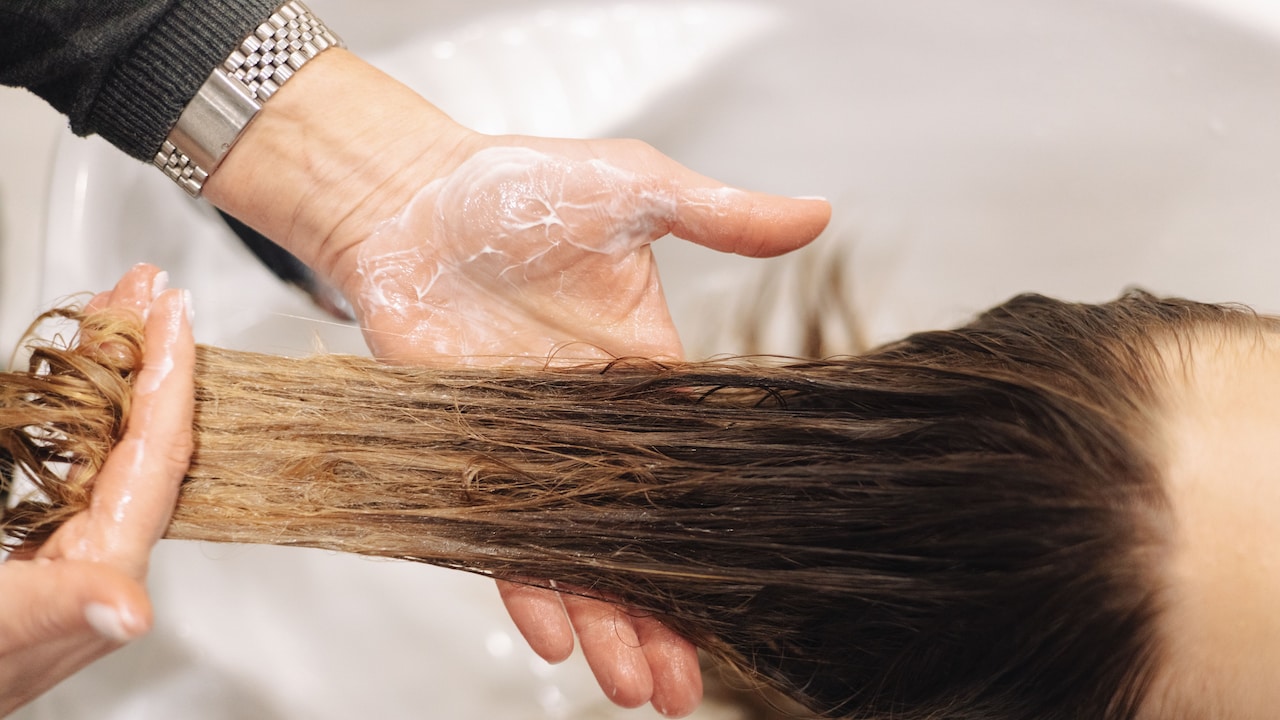
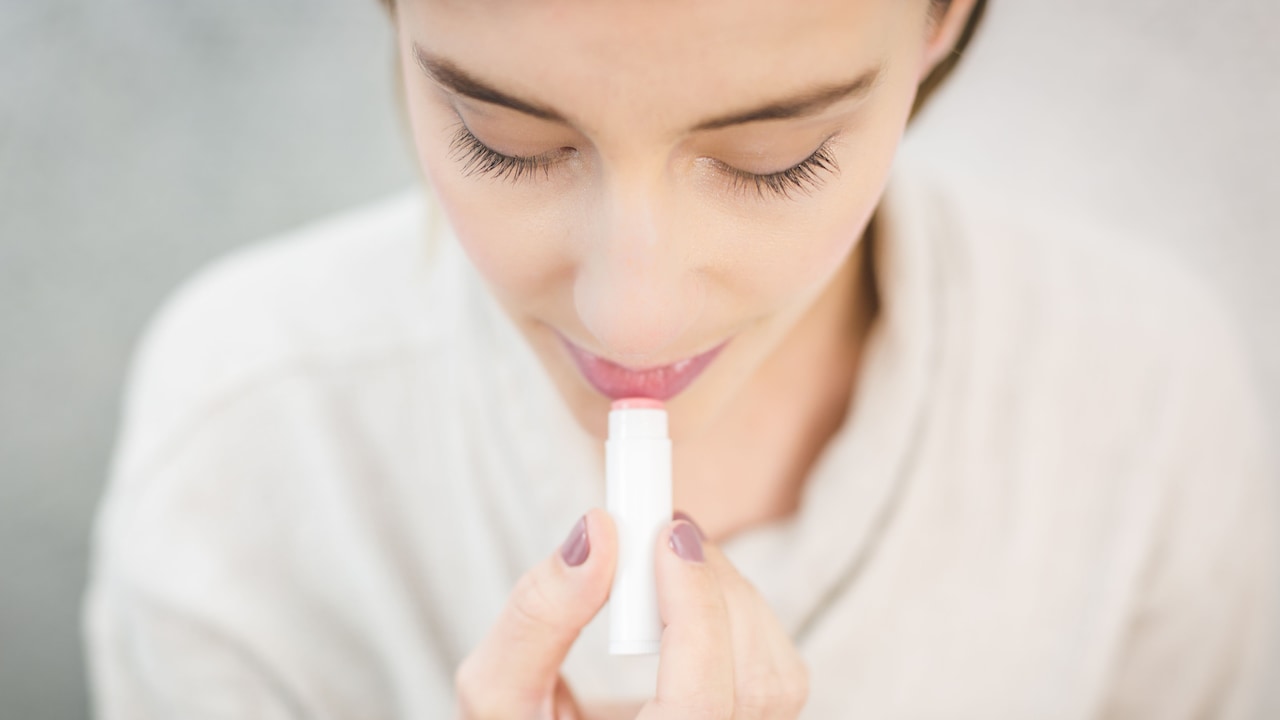
Why Using Too Many Brightening Products Can Damage Your Skin Barrier; Photo Credit: Pexels
7. Stronger Brightening Routines May Create False Expectations
Pigmentation rarely disappears overnight, regardless of how expensive or complicated a routine becomes.
Dark spots can develop because of acne, sun exposure, hormonal changes and inflammation. Different causes respond differently to treatment. Some marks improve within weeks or months, while others require longer-term management.
Layering multiple brightening products may create the impression that faster results are inevitable.
A person using vitamin C, alpha arbutin, niacinamide and exfoliating acids might expect visible improvement within a fortnight. When that doesn't happen, the temptation to increase application frequency becomes stronger.
Unfortunately, more frequent use doesn't necessarily produce faster pigment reduction. It may simply increase irritation.
Another concern involves confusing temporary smoothness with lasting improvement. Exfoliation can make the skin look brighter immediately, but this doesn't mean deeper pigmentation has disappeared.
Brightening treatments generally require patience and realistic expectations.
Taking occasional photographs under consistent lighting can help track gradual changes without obsessively examining the mirror.
Skin tone also naturally varies across different areas of the face. The purpose of treatment should be addressing unwanted pigmentation, not chasing an unrealistic standard of perfectly uniform skin.
8. Skipping Sunscreen Can Undermine The Entire Routine
There's little benefit in spending heavily on brightening serums while neglecting one of the most important parts of pigmentation management: sun protection.
Ultraviolet exposure can worsen dark spots and contribute to uneven skin tone. Visible light may also aggravate certain pigmentation conditions, including melasma, particularly in deeper skin tones.
Someone might invest ₹2,000 in a brightening serum and another ₹1,500 in an overnight treatment, yet skip sunscreen because the weather looks cloudy.
That decision can undermine the effort and expense devoted to managing pigmentation.
Some exfoliating acids, particularly alpha hydroxy acids, can also increase sensitivity to sunlight. Appropriate sun protection becomes especially important when these products feature in a routine.
A broad-spectrum sunscreen with SPF 30 or higher is a sensible daily foundation. Apply enough for adequate coverage and reapply when spending extended periods outdoors, particularly after sweating or wiping the face.
For certain pigmentation concerns, tinted sunscreens containing iron oxides may offer additional protection against visible light.
Brightening products cannot replace sunscreen.
A consistent sun-protection habit often provides greater long-term value than adding another expensive treatment to an already crowded shelf.
9. An Expensive Multi-Step Routine Can Become Difficult To Maintain
Skincare trends have a clever way of making one product feel insufficient.
A brightening serum promises clearer skin. Then comes the toner that supposedly helps it work better, followed by a treatment cream and a weekly mask. Before long, a basic routine resembles a carefully arranged cosmetics counter.
The expense can become significant.
Imagine purchasing three brightening products costing ₹799, ₹1,299 and ₹1,699. That's ₹3,797 before adding cleanser, moisturiser or sunscreen.
Such spending isn't necessarily justified by better outcomes.
Beyond the cost, complicated routines demand time and attention. Morning applications may feel rushed, while evening treatments become another task after a tiring day.
When a routine feels burdensome, consistency can suffer. Products may expire before they're finished, particularly when several perform similar functions.
A simpler approach can provide better value.
Choose treatments based on specific concerns instead of buying every formula advertised as brightening. Keep essential products practical, comfortable and easy to use.
Skincare should fit into everyday life without turning the bathroom shelf into an expensive chemistry experiment.
10. A Simpler Routine Can Deliver More Consistent Results
The most effective brightening routine isn't necessarily the one with the longest ingredient list.
For many people, a straightforward approach begins with a gentle cleanser, moisturiser and broad-spectrum sunscreen. A targeted brightening treatment can then address concerns such as acne marks or uneven pigmentation.
Vitamin C may suit someone seeking antioxidant support alongside improvements in uneven tone. Niacinamide can help support the skin barrier while addressing some pigmentation concerns. Azelaic acid may offer benefits for certain acne-related marks and uneven skin tone.
The right choice depends on the individual's skin, the cause of pigmentation and existing tolerance.
There's no universal requirement to combine all these ingredients.
Starting with one treatment allows the skin to adjust and makes progress easier to assess. If additional products become necessary, introduce them thoughtfully rather than simultaneously.
Persistent pigmentation, particularly melasma or rapidly changing patches, may need a dermatologist's assessment. Professional guidance can prevent unnecessary experimentation with unsuitable products.
And if the skin develops persistent burning, swelling or significant irritation, stop the suspected products and seek appropriate care. Sometimes, achieving healthier-looking skin involves doing less, not more.
Products Related To This Article
1. Aqualogica Everyday Glow+ Combo - Dewy Sunscreen 50g & Smoothie Face Wash
2. MOLECULAR COMPANY Glow & Protect Combo - Sunscreen & Vitmain C Serum
3. SUGAR POP Vitamin C & Aloe Vera Brightening Body Wash for Lasting Hydration
4. Plum 2% Niacinamide FaceWash for Oily Skin, Fade Acne Mark, Brighten Skin
5. FoxTale Hula Hoop Brightening Body Wash to Exfoliate & Reduce Tan
6. PLIX THE PLANT FIX Set Of 2 Juicy Cleanser- 100 ml & Night Cream
7. The Derma co. 1% Kojic Acid Daily Glow Body Serum-Lotion
Brightening skincare works best when the routine respects the skin's limits. Combining several serums, exfoliants and treatment creams may seem productive, but excessive layering can increase irritation, disrupt the skin barrier and complicate pigmentation concerns. A thoughtful routine with suitable ingredients, adequate moisturisation and consistent sun protection offers a more sustainable approach. Rather than measuring effectiveness by the number of products on the shelf, focus on comfort, consistency and gradual improvement. After all, brighter-looking skin shouldn't require an exhausting routine or a face that stings every time moisturiser touches it.
(Disclaimer: This article may include references to or features of products and services made available through affiliate marketing campaigns. NDTV Convergence Limited (“NDTV”) strives to maintain editorial independence while participating in such campaigns. NDTV does not assume responsibility for the performance or claims of any featured products or services.)