10 Reasons Mascara Smudges Under The Eyes Even When It Claims To Be Long-Wearing
Does your long-wearing mascara leave dark smudges under your eyes? Discover 10 common reasons behind mascara transfer and practical ways to keep your lashes looking fresh all day.
10 Mascara Mistakes That Cause Under-Eye Smudging And How To Prevent Them
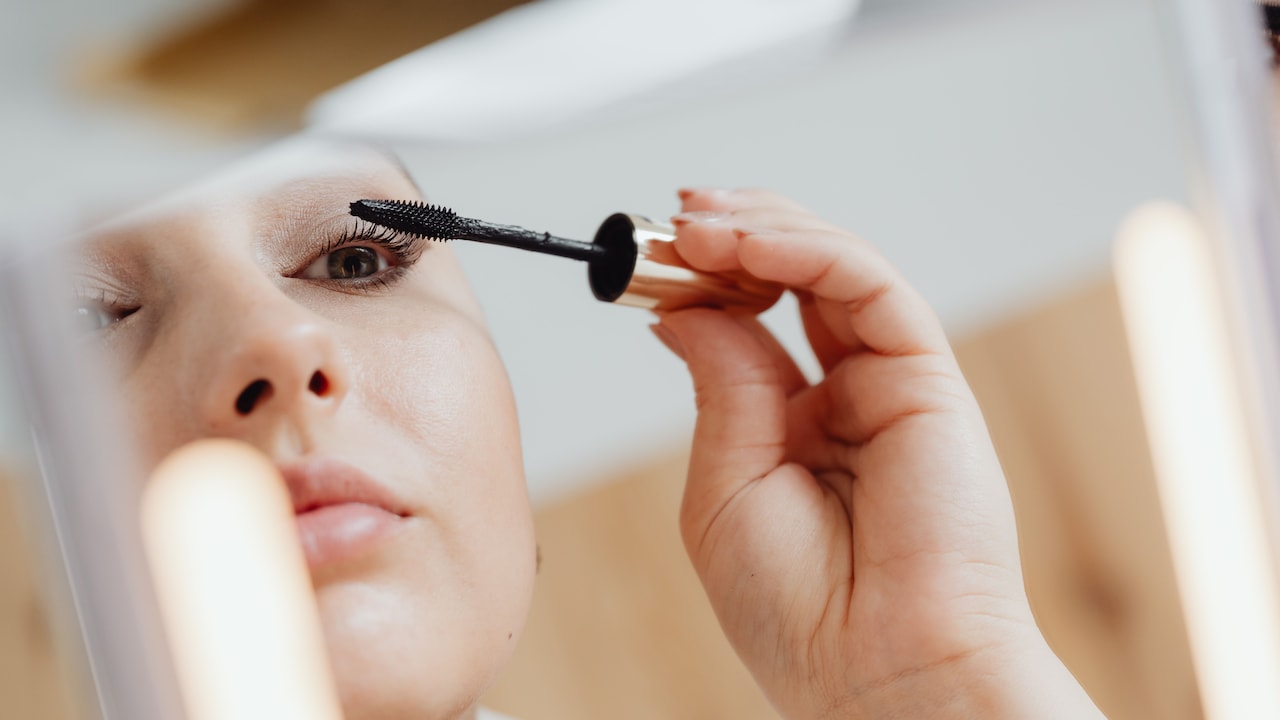
A good mascara can transform tired-looking eyes in seconds. A few strokes can make lashes appear longer, fuller and beautifully defined, even on mornings when there's barely enough time for breakfast. But there's one frustrating problem that can ruin the effect. You apply your favourite long-wearing mascara, admire the results and head out feeling confident. A few hours later, the mirror reveals something entirely different. Dark patches have appeared beneath your eyes, making your carefully applied makeup look messy. The worst part? The mascara promised to stay put. Many people assume that smudging means they've purchased an inferior product. However, even expensive, highly rated mascaras can transfer onto the skin under certain conditions. Natural skin oils, humidity, skincare products and application habits can all interfere with a mascara's staying power. Sometimes, the problem has very little to do with the mascara itself. Your eye shape, lash length or even the way you apply concealer could be contributing to those unwanted dark marks. Understanding these small details can save you from constantly checking your reflection or carrying cotton buds everywhere. Here are ten reasons your long-wearing mascara might be smudging under your eyes, along with practical ways to prevent it.
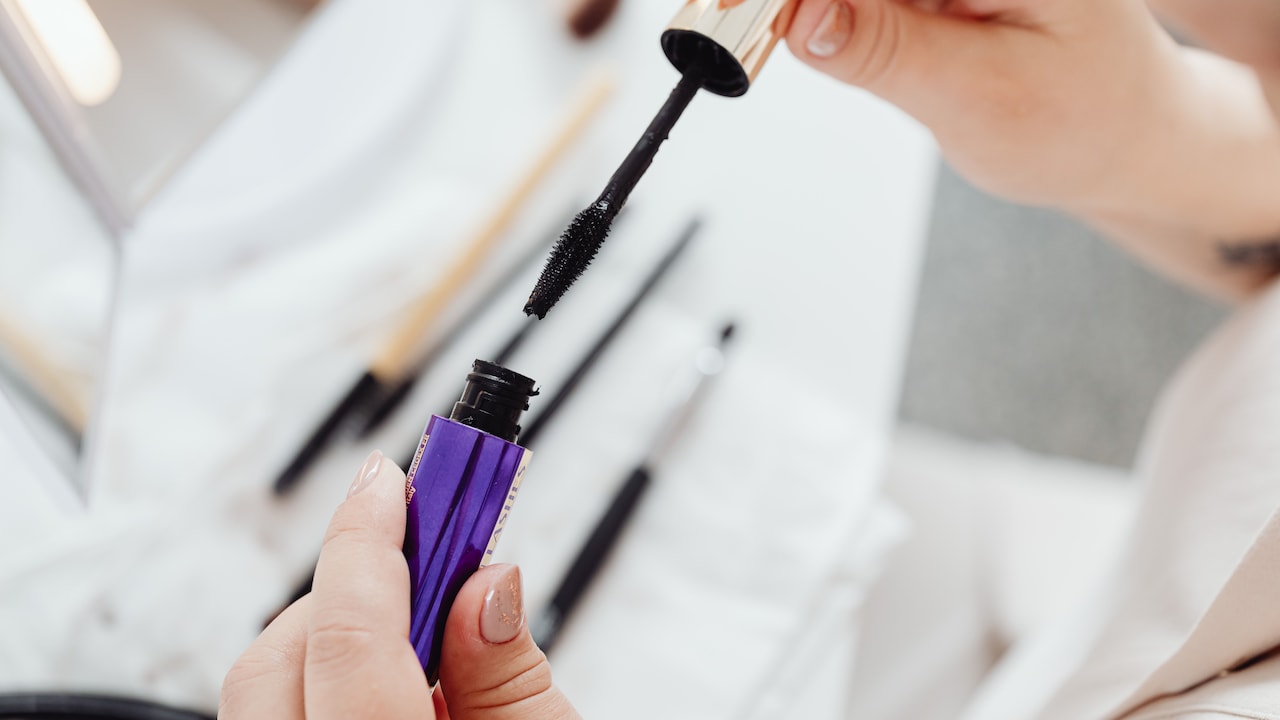
10 Mascara Mistakes That Cause Under-Eye Smudging And How To Prevent Them; Photo Credit: Pexels
10 Common Causes Of Mascara Smudging And How To Prevent Them
1. Your Under-Eye Area Produces More Oil Than You Realise
The skin around your eyes might feel perfectly normal when you apply makeup in the morning. However, oil from nearby areas, including the eyelids, can gradually spread across the skin as the day progresses. This becomes particularly noticeable during humid weather or long hours outdoors.
Mascara contains pigments, waxes and film-forming ingredients that help it adhere to your lashes. While long-wearing formulas resist everyday movement, repeated contact with oily skin can weaken certain formulations and cause pigment transfer.
People with oily or combination skin may experience this more frequently. Imagine getting ready for work at eight in the morning, only to notice faint black marks beneath your eyes by lunchtime. The mascara hasn't necessarily disappeared from your lashes. Some of it has simply transferred onto the surrounding skin.
To minimise this problem, gently blot excess oil around your eyes before applying makeup. A lightweight, oil-free moisturiser may also help reduce unwanted slipperiness.
If you use concealer, consider applying a small amount of finely milled setting powder beneath your eyes. This can absorb some surface oil and create a less slippery finish.
However, avoid excessive powder, especially if your under-eye skin feels dry. The goal is to control unwanted shine without making delicate skin look creased or uncomfortable.
Also Read: 5 Best Waterproof Mascaras That Survive Bidaai Tears Under ₹250
2. Your Eye Cream Is Too Rich For Your Mascara Formula
A nourishing eye cream can make the under-eye area feel softer and more comfortable. Unfortunately, certain rich formulations can also create the perfect conditions for mascara smudging.
Eye creams often contain oils, emollients and moisturising ingredients that help reduce dryness. These ingredients serve an important skincare purpose, but a heavy layer can remain on the skin long after application.
When your lower lashes touch this slippery surface, mascara may gradually transfer onto it. The problem becomes more noticeable if you apply eye cream immediately before makeup.
For example, you might use a generous amount of cream before attending a wedding or family celebration, hoping to achieve a smooth finish beneath your concealer. Instead, your mascara begins leaving dark marks before the event even gets underway.
Try applying a smaller amount of eye cream and allowing it to absorb before starting your makeup routine. If excess product remains on the surface, gently blot it with a tissue.
You can also reserve richer creams for your evening skincare routine and choose a lighter texture during the day.
There's no need to abandon eye cream altogether. It's simply worth checking whether your skincare and mascara work well together rather than competing for space beneath your eyes.
3. Your Mascara Is Long-Wearing But Not Waterproof
The words printed on mascara packaging can sometimes create unrealistic expectations. Long-wearing, smudge-resistant, water-resistant and waterproof might sound similar, but they don't necessarily describe the same performance.
A long-wearing mascara generally aims to maintain its appearance for an extended period. However, that doesn't automatically mean it can withstand tears, sweat, humidity or repeated contact with oily skin.
Waterproof mascaras use formulations designed to resist water more effectively. Even so, waterproof doesn't always mean completely resistant to skin oils or rubbing.
Consider a typical summer afternoon. You've applied a long-wearing mascara, travelled in humid conditions and spent several hours moving between outdoor heat and air-conditioned rooms. By evening, faint mascara marks appear beneath your eyes.
The product may have lasted reasonably well under normal conditions, but the combination of moisture and skin contact exceeded its resistance.
Before purchasing mascara, check what the product actually claims. If smudging occurs mainly during sweaty commutes or outdoor activities, a waterproof or specifically smudge-resistant formula might suit your routine better.
Alternatively, consider tubing mascaras, which form tiny polymer films around the lashes. Many tubing formulas resist ordinary smudging and remove with warm water and gentle pressure.
Remember that performance varies between products. No mascara offers a universal guarantee against every possible condition.
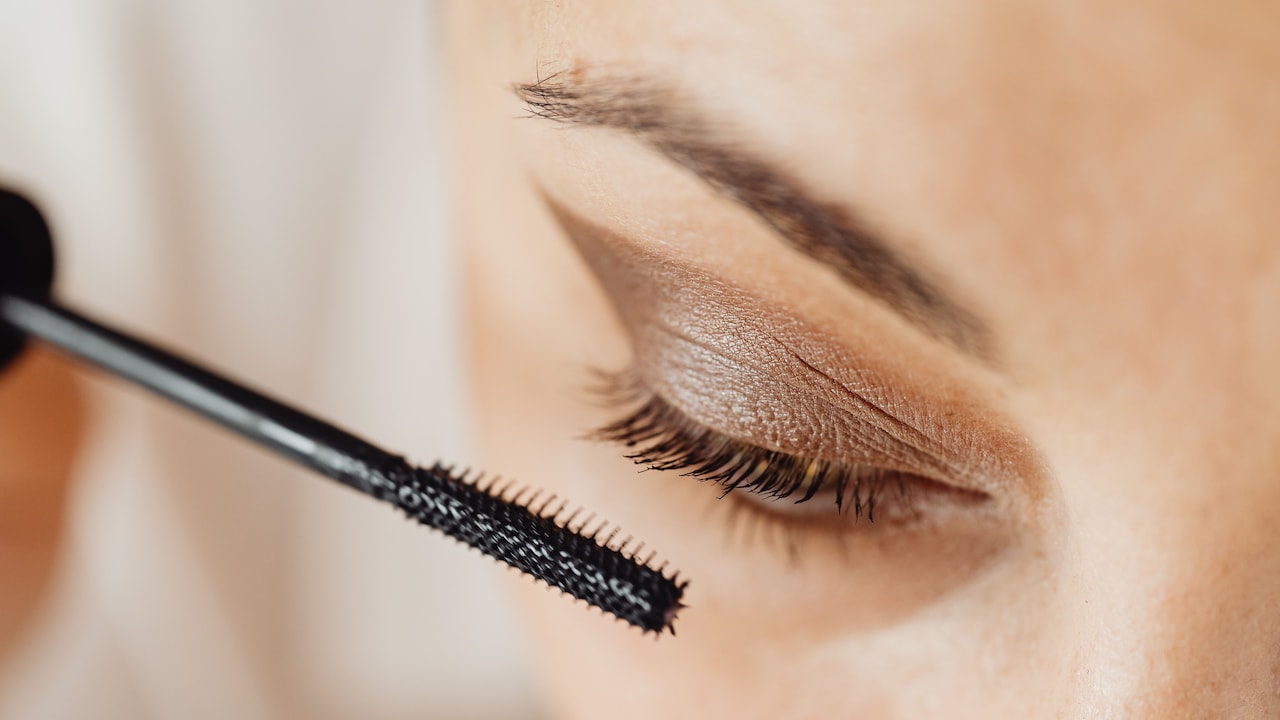
10 Mascara Mistakes That Cause Under-Eye Smudging And How To Prevent Them; Photo Credit: Pexels
4. You're Applying Too Many Layers Of Mascara
There's something satisfying about adding another coat of mascara when your lashes already look impressive. One coat adds definition, the next creates volume, and the third promises a dramatic finish.
Unfortunately, excessive layering can work against you.
Mascara formulas need to form an even coating around the lashes. Applying too much product can leave them heavy, clumpy or unevenly coated. Thick deposits may also become more prone to flaking or transferring when the lashes brush against your skin.
The problem often becomes worse when you apply fresh mascara over layers that have already dried completely. Instead of blending smoothly, the additional product can create stiff sections that crumble during movement.
This doesn't mean dramatic lashes are impossible. It simply means that application technique matters as much as the formula.
Start with a thin coat, moving the wand gently from the lash roots towards the tips. Add another light layer according to the product's instructions, rather than repeatedly loading the wand.
If you notice visible clumps, separate your lashes carefully with a clean lash comb before the mascara sets.
Pay particular attention to your lower lashes. They generally need much less product than your upper lashes.
Sometimes, the difference between beautifully defined eyes and unwanted smudges is simply knowing when to put the mascara wand down.
5. Your Lower Lashes Keep Touching Your Skin
Not every mascara problem begins with the product. Sometimes, the shape of your eyes and the natural direction of your lashes play a major role.
Some people have lower lashes that curve towards their under-eye skin. Others have longer lashes that make frequent contact with the surrounding area whenever they blink, smile or narrow their eyes.
Even a well-formulated mascara may leave marks when coated lashes repeatedly brush against the skin.
This explains why smudging sometimes appears in specific places rather than spreading evenly beneath both eyes. You might notice a small black patch directly below the outer corner, while the rest of your makeup remains perfectly intact.
The simplest solution might be changing how you apply mascara to your lower lashes.
Instead of coating every lash from root to tip, try applying a minimal amount towards the roots or skipping the lowest, skin-touching sections. A smaller mascara wand can offer greater control and prevent excessive product buildup.
You could also experiment with mascara on your upper lashes alone. For everyday makeup, this often creates enough definition without adding unnecessary transfer risks.
If you prefer defined lower lashes, consider a tubing mascara formulated to resist smudging.
Your natural lash shape isn't a flaw that needs correcting. A slightly different application technique may simply work better with it.
6. Sweat And Humidity Are Weakening Your Mascara
Getting ready in an air-conditioned bedroom and stepping outside into humid weather can feel like entering an entirely different climate. Your makeup experiences that change too.
Heat and humidity can increase sweating around the forehead, eyelids and upper cheeks. Moisture may collect near the lash line, especially during commuting, walking outdoors or spending time in crowded places.
Even when mascara claims extended wear, repeated exposure to moisture can challenge certain formulas.
The problem isn't limited to obvious sweating. Tiny amounts of moisture, combined with natural skin oils and blinking, may gradually contribute to mascara transfer.
Picture a busy morning involving a short walk to the station, a crowded train journey and another walk to the office. Your mascara might survive the first hour without trouble, yet faint smudges begin appearing later.
To reduce this risk, choose mascara according to your daily environment rather than relying entirely on promotional claims.
A waterproof or humidity-resistant formula may perform better during particularly warm days. Applying less mascara to the lower lashes can also reduce potential transfer.
Keep a clean tissue handy to gently blot perspiration around your eyes, without rubbing your lashes.
Most importantly, avoid touching your eyes repeatedly when you're sweating. Friction can disturb mascara far more quickly than humidity alone.
A little preparation can make your makeup feel considerably more dependable during unpredictable weather.
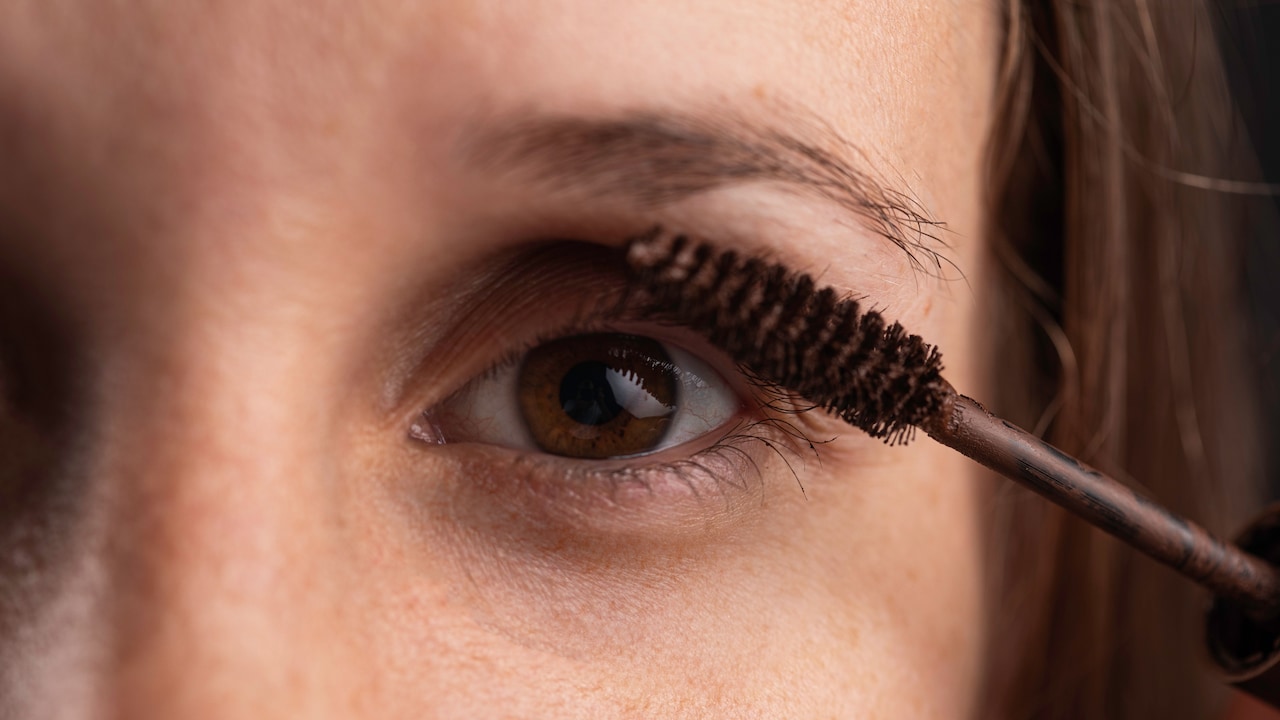
10 Mascara Mistakes That Cause Under-Eye Smudging And How To Prevent Them; Photo Credit: Pexels
7. Your Concealer Is Creating A Slippery Surface
Concealer helps brighten dark circles and gives the under-eye area a smoother, more even appearance. However, certain concealer formulas can unintentionally encourage mascara transfer.
Creamy and highly moisturising concealers often contain ingredients that allow the product to spread easily across the skin. While this creates a comfortable finish, some formulations remain slightly slippery.
When mascara-coated lower lashes touch this surface throughout the day, pigment may transfer more readily.
The issue becomes particularly noticeable if you apply a thick layer of concealer or combine several creamy products beneath your eyes.
For instance, applying eye cream, colour corrector, concealer and a moisturising setting product might create a beautiful initial finish. However, the combined layers may not stay equally stable after several hours.
Try using thinner layers of concealer and blending them thoroughly. Allow each product to settle before adding the next.
If your skin tolerates powder, lightly set the areas where mascara usually transfers. You don't need to cover the entire under-eye region with a heavy layer.
You might also experiment with a longer-wearing concealer that dries to a less creamy finish.
Remember that makeup products interact with one another. Your mascara could perform perfectly well on bare skin but struggle when it repeatedly touches a rich concealer.
Finding compatible formulas can make a noticeable difference.
8. You're Rubbing Your Eyes Without Noticing
Most people wouldn't deliberately rub their eyes after spending several minutes perfecting their mascara. Yet small, unconscious movements throughout the day can have a similar effect.
You might touch the outer corners while concentrating, wipe away moisture after laughing or briefly rub your eyes when feeling tired.
These actions seem harmless, but mascara sits on delicate lashes that move constantly. Repeated friction can loosen the coating, especially if the formula has already softened through contact with oil or moisture.
The result may appear as dark smears, tiny flakes or uneven patches beneath your eyes.
This problem becomes especially common during long working days. After several hours of staring at a laptop, tired eyes may feel uncomfortable, encouraging frequent touching.
Instead of rubbing, try blinking regularly and taking short screen breaks. If your eyes feel dry or irritated, appropriate lubricating eye drops may help, although it's best to seek professional advice if symptoms persist.
When you need to remove moisture near your eyes, gently dab the surrounding skin with a clean tissue rather than dragging it across your lashes.
Avoid applying fresh mascara over areas that have already started flaking. This can create additional buildup without solving the underlying problem.
Sometimes, preventing mascara smudges has less to do with buying another product and more to do with noticing everyday habits.
9. Your Mascara Has Started Drying Out Inside The Tube
Mascara doesn't remain in perfect condition indefinitely. Every time you open the tube, air enters and gradually affects the formulation.
Over time, mascara can become thicker, drier or more difficult to apply evenly. The wand may begin depositing small clumps instead of creating smooth, separated lashes.
These uneven deposits can contribute to flaking, which may collect beneath the eyes and resemble smudging.
A drying formula might also make you apply extra coats to achieve the same volume you enjoyed when the mascara was new. Unfortunately, this can make the problem worse.
Pay attention to changes in texture, smell and performance. If your mascara suddenly feels unusually thick, becomes crumbly or starts irritating your eyes, it may be time to replace it.
As a general hygiene guideline, replacing mascara approximately every three months after opening helps reduce contamination risks. Always follow the manufacturer's instructions, and replace it sooner if you develop an eye infection.
Avoid pumping the wand repeatedly inside the tube. This movement can introduce additional air and encourage the formula to dry faster.
Never add water or saliva to revive dried mascara. Doing so can introduce microorganisms and increase the risk of eye irritation or infection.
Fresh mascara won't automatically prevent every smudge, but a formula in good condition generally offers a more consistent application.
Your eyes deserve better than a stubborn tube that has clearly reached retirement age.
10. Your Lash Preparation Isn't Helping The Formula Stay Put
Mascara application often receives all the attention, while lash preparation gets overlooked. Yet what remains on your lashes before application can influence how well mascara adheres.
Skincare residue, facial oils, leftover makeup remover and even traces of cleansing balm can interfere with the formula.
This is particularly relevant when you use oil-based makeup removers at night. If residue remains around the lashes the following morning, your mascara may struggle to form an even coating.
Applying mascara to damp lashes can create similar difficulties. Moisture may prevent certain formulations from setting as intended.
Start by ensuring that your lashes are clean and dry. If you've recently applied skincare products, allow them to settle and remove any excess around the lash line.
When using an eyelash curler, curl your lashes gently before applying mascara, following the curler's instructions. Avoid curling after mascara has dried, as this may cause lashes to stick or break.
A compatible lash primer may improve definition and help certain mascaras wear more evenly. However, primers aren't essential for everyone, and excessive layering can create additional buildup.
Also, avoid applying facial oils too close to the lash roots immediately before makeup.
Think of lash preparation as the quiet work happening before the main performance. It might not look impressive, but it can influence the final result.
Clean lashes, controlled product application and a suitable formula often create a more dependable combination than mascara alone.
Products Related To This Article
1. Maybelline New York Lash Sensational Sky Tubes 24H Wear Tubing Mascara 7 ml
2. MARS Double Trouble Mascara - 2-Step Volumizing & Lengthening - Jet Black
3. Renee Everyday Waterproof Mascara With Vitamin E
4. LOVE EARTH Long-Lasting Mascara
5. FACES CANADA Magneteyes Dramatic Volumizing Mascara
6. SUGAR POP Waterproof Smudge-proof & Clump-Free Mascara 8 g
7. Bobbi Brown Smokey Eye Mascara 3ml
Mascara smudging can feel especially frustrating when the packaging promises hours of flawless wear. However, unwanted dark marks don't always mean your mascara has failed. Natural oils, skincare residue, humidity, eye shape, and application habits can all influence its performance.
The solution doesn't necessarily involve purchasing the most expensive mascara available. Small adjustments, such as applying lighter coats, allowing skincare to absorb, and choosing a formula that suits your daily routine, may deliver better results.
Ultimately, long-lasting eye makeup comes from understanding how your products interact with your skin and lashes. Once you identify the real cause of smudging, maintaining beautifully defined lashes becomes much easier.
(Disclaimer: This article may include references to or features of products and services made available through affiliate marketing campaigns. NDTV Convergence Limited (“NDTV”) strives to maintain editorial independence while participating in such campaigns. NDTV does not assume responsibility for the performance or claims of any featured products or services.)