Moisturiser Flakes Under Sunscreen Or Makeup? Know Why And How To Fix It
Moisturiser flaking under sunscreen or makeup can ruin your base. Learn why pilling happens, what causes product mismatch, and how to fix it with the right layering, formulas, and application techniques. Say goodbye to moisturiser piling under makeup with these tips.
Why Your Moisturiser Pills Under Sunscreen or Makeup And How to Fix It.
A flawless base often feels like a small daily victory. Yet many mornings end with tiny white flakes collecting around the nose, jawline or forehead. The culprit usually hides in plain sight. Moisturiser, meant to hydrate and prep the skin, turns against the routine when paired poorly with sunscreen or makeup. Hot weather, humidity, long commutes and air-conditioned offices add to the chaos. Skin swings between oily and dry, products struggle to settle, and makeup refuses to stay smooth. This problem does not signal bad skin or expensive products gone wrong. It signals technique issues, formula clashes or simple timing errors.
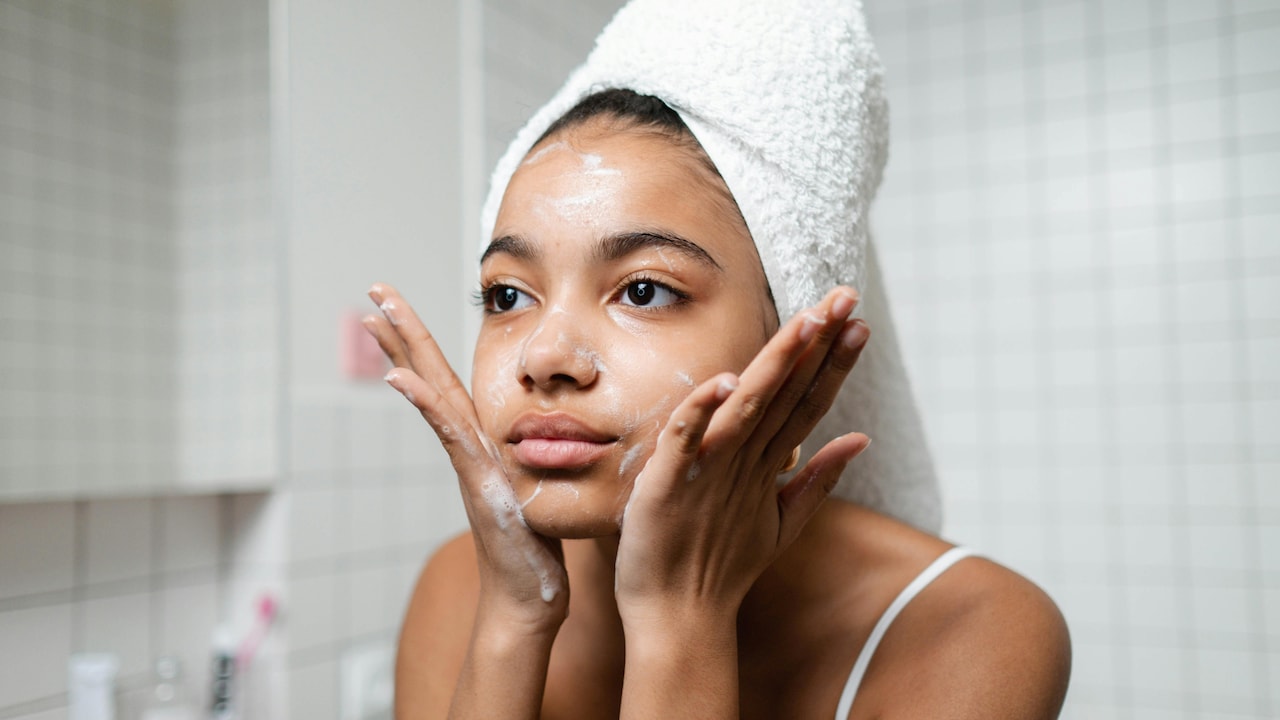
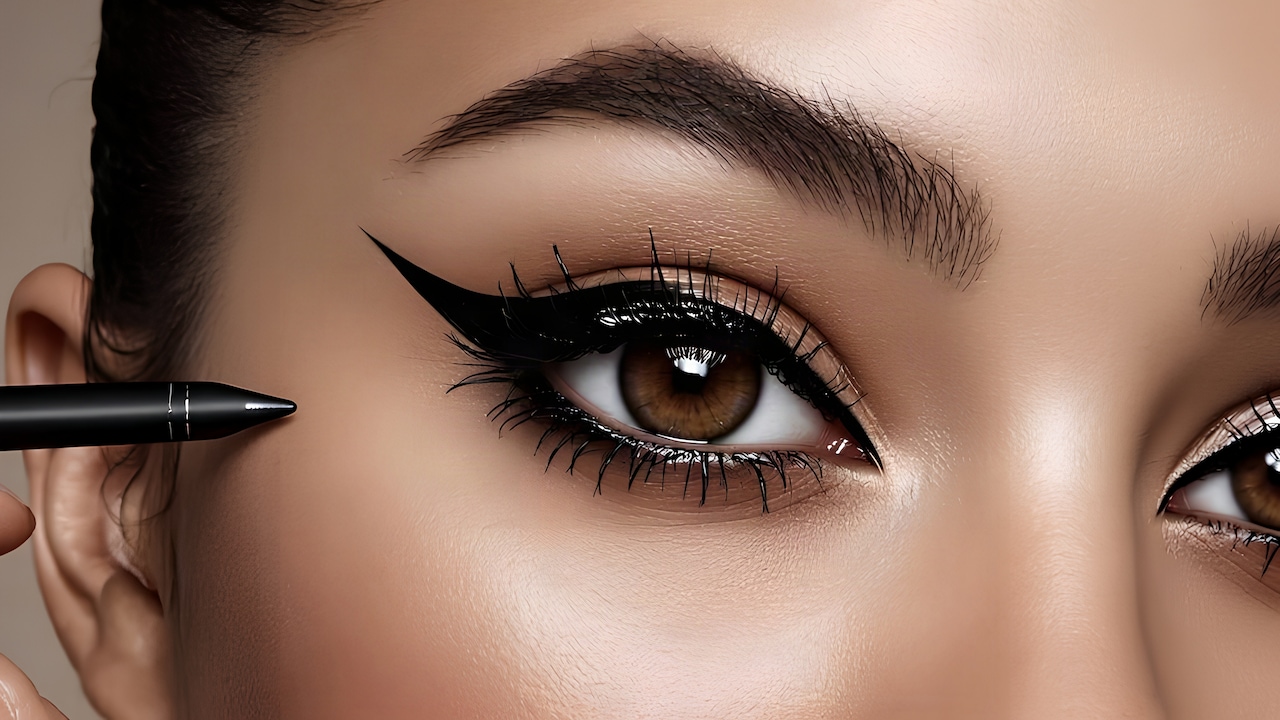
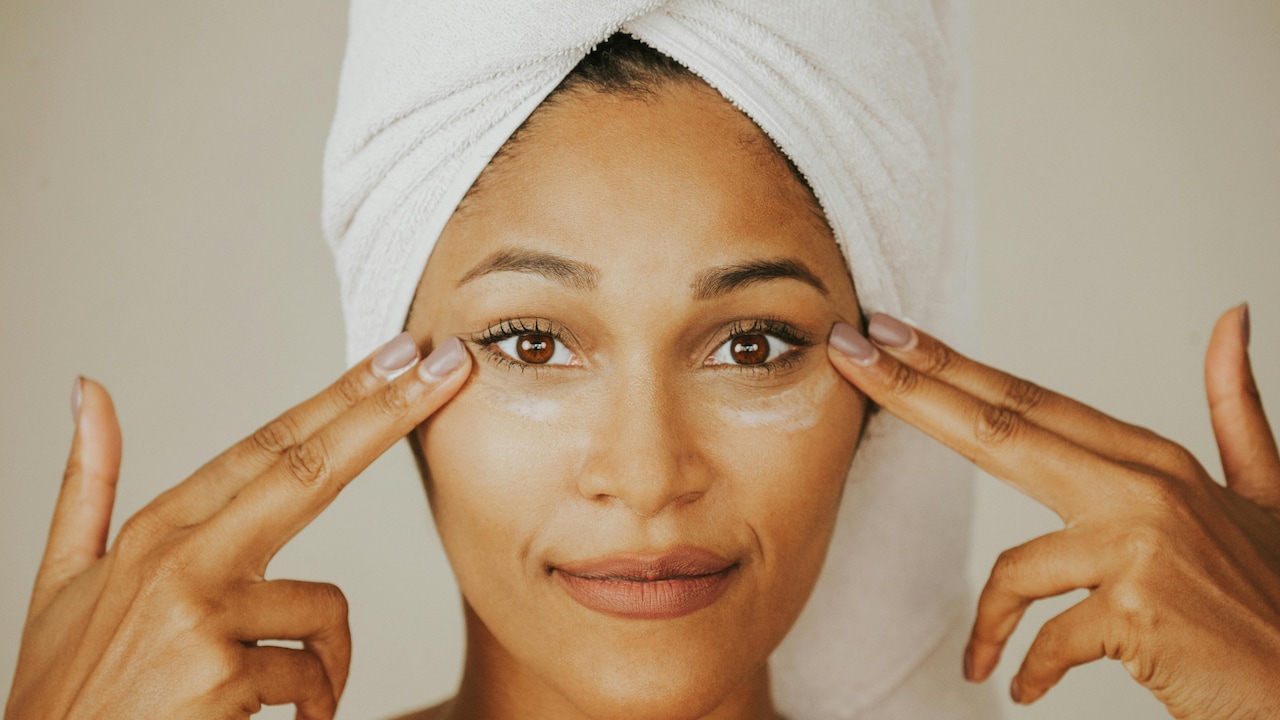
Explore easy tips to prevent your favourite moisturiser from piling under makeup; Photo Credit: Pexels
Understanding why moisturiser flakes under sunscreen or makeup helps save time, money and frustration. A few mindful changes can turn a crumbling base into a smooth canvas. Understand why your moisturiser pills or flakes under sunscreen or makeup, and learn simple tweaks that prevent it for a smoother, longer-lasting finish.
Also Read: Glow On A Budget: Top 5 Day Creams Under ₹200 For Everyday Skincare
What Is Really Causing Your Skincare And Makeup To Flake
1. Product Layering: When Order Goes Wrong
Skincare follows a logic, yet mornings often rush that logic out the door. Applying products in the wrong order causes immediate pilling. Thick creams layered before lightweight serums trap product on the surface. Sunscreen then struggles to grip the skin and starts rolling off.
The correct order matters more than brand names. Cleanser comes first, followed by toner or essence if used. Serums go next, then moisturiser. Sunscreen always sits on top before makeup. Skipping this flow confuses textures and creates friction.
Another common slip involves using too many layers. Five skincare steps may feel luxurious at night, but prove heavy for daytime. Each layer increases the chance of clashing textures. A simplified morning routine often works better, especially in warm weather.
Gentle patting helps products sink in. Rubbing aggressively disturbs the layers underneath. Think of building thin, even layers rather than piling on comfort. Skin rewards patience and order with a smoother finish.
2. Silicone vs Water: The Formula Clash
Many moisturisers and primers rely on silicones for that silky, blurred feel. Sunscreens and foundations often lean toward water-based products. When these two meet without harmony, piling begins.
Silicones sit on top of the skin and create a smooth film. Water-based products struggle to penetrate that film. As fingers move across the face, the products roll into flakes. The issue feels technical, yet the fix stays simple.
Matching bases solves most problems. Pair water-based moisturiser with water-based sunscreen and makeup. Use silicone-based products together if that texture feels preferred. Checking ingredient lists helps, but texture also tells the story. Gel-like products usually signal water bases. Creamy, slip-heavy formulas hint at silicones.
This matching game reduces friction and improves wear time. Makeup sits better, sunscreen spreads evenly, and the base looks intentional rather than accidental.
3. Rushing the Routine: Time Matters More Than Thought
Morning routines often race against alarms, traffic and coffee cravings. Skincare suffers most during this rush. Applying sunscreen seconds after moisturiser almost guarantees pilling.
Each product needs time to settle. Moisturiser should absorb before sunscreen touches the skin. Sunscreen then needs a minute or two before makeup begins. Skipping these pauses traps wet layers together.
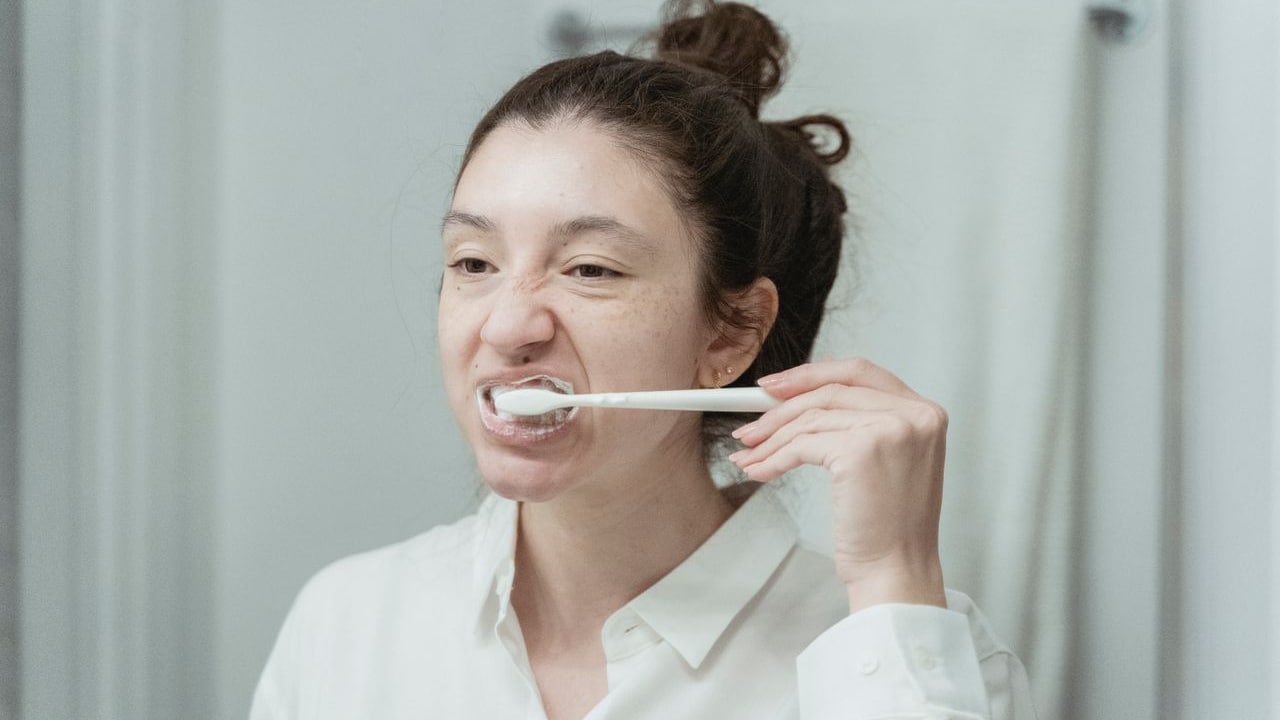
Waiting feels tedious, but it works wonders. Use the pause wisely. Brush teeth, choose earrings or pack a bag. These small breaks allow formulas to bond with skin instead of each other.
Humidity also affects absorption. On sticky days, products take longer to sink in. Adjust timing based on the weather. Skin behaves differently in July than in December.
Giving skincare a moment to breathe transforms the entire base. Patience saves more time than constant touch-ups later.
4. Over-Exfoliation: When Smooth Turns Sensitive
Exfoliation promises glow, yet excess scrubbing backfires. Over-exfoliated skin feels smooth at first touch but lacks strength. Moisturiser struggles to cling to compromised skin and starts flaking under pressure.
Physical scrubs used too often create micro-tears. Strong acids used daily strip natural oils. Sunscreen then clings to dry patches and rolls off unevenly.
Healthy skin holds products better. Limiting exfoliation to two or three times a week restores balance. Gentle chemical exfoliants work better than harsh scrubs for daily care.
Hydration plays a key role after exfoliation. Barrier-repair creams and soothing serums calm the skin. Once the barrier recovers, flaking reduces dramatically.
Glowing skin comes from restraint, not aggression. Treating skin kindly improves how every product behaves on top.
5. Using Too Much Product: More Is Not Better
A generous application feels comforting, yet excess product invites trouble. Thick layers sit on the surface and refuse to absorb. Sunscreen then pushes them around, creating visible flakes.
A coin-sized amount of moisturiser usually suffices for the face and neck. Sunscreen needs an adequate quantity for protection, but the spreading technique matters. Dotting evenly across the face helps control movement.
A foundation layered heavily on top adds weight. Lightweight, buildable formulas reduce friction. Using tools like damp sponges instead of fingers also helps press product in rather than dragging it around.
Product control improves the finish instantly. Skin absorbs what it needs and rejects the rest. Listening to that balance prevents unnecessary waste and messy results.
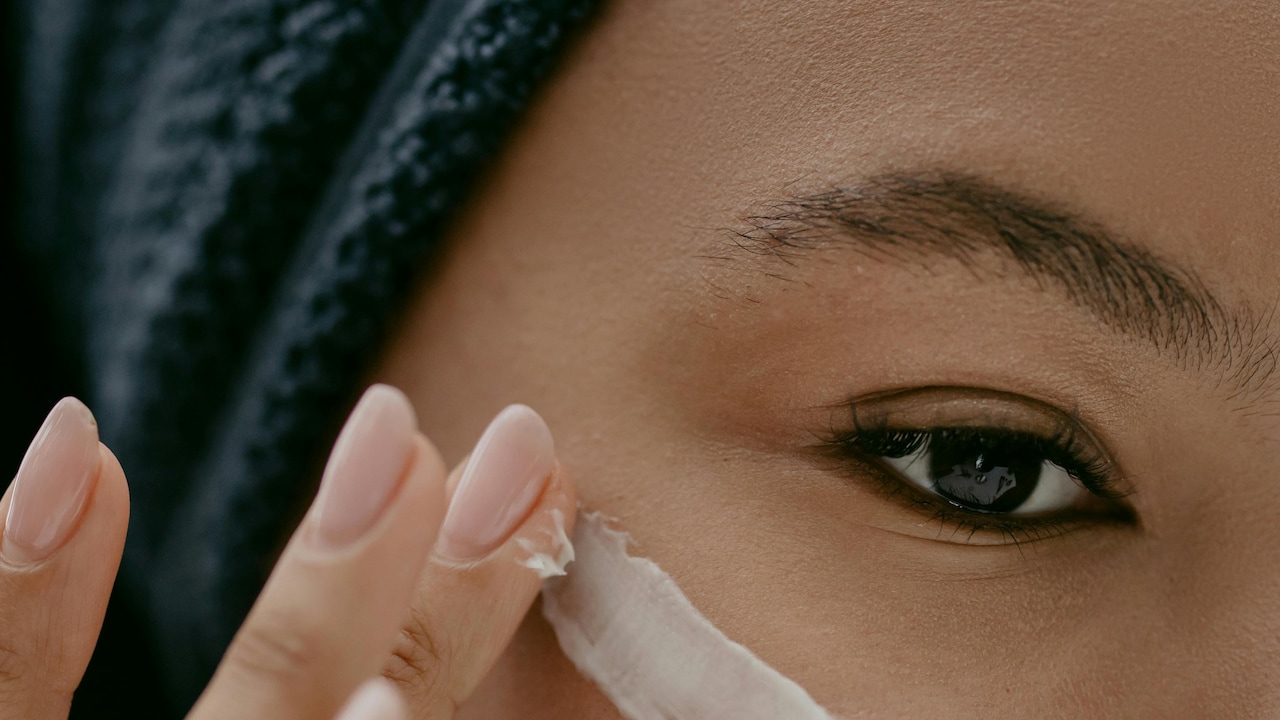
Always use the right amount of moisturiser to prevent piling and product wastage; Photo Credit: Pexels
6. Climate and Skin Type: The Unseen Influencers
Weather plays a silent role in skincare behaviour. Dry winters pull moisture from the skin, while humid summers trap sweat and oil. Using the same routine year-round invites piling.
Dry skin needs richer moisturisers but lighter daytime layers. Oily skin benefits from gel-based hydration that absorbs quickly. Combination skin requires strategic application, heavier on dry areas and minimal on oily zones.
Air-conditioned environments dry out skin even during summer. Long hours indoors demand barrier support. Hydrating mists or light serums help without overwhelming the base.
Adapting skincare to climate and skin type prevents many issues. Observing how skin reacts daily offers better guidance than rigid routines.
7. Sunscreen Texture: Not All Are Makeup-Friendly
Some sunscreens prioritise protection but ignore cosmetic elegance. Thick, chalky formulas resist blending and pill easily under makeup. This does not mean avoiding sunscreen, but choosing wisely.
Gel sunscreens suit layering best. They spread evenly and dry down without residue. Cream sunscreens work for dry skin but need careful blending and time to set.
Applying sunscreen with gentle pressing motions reduces movement. Letting it settle before makeup matters even more. Powdering lightly after sunscreen sets can also help lock it in place.
Finding a sunscreen that suits daily makeup requires trial, not compromise. Comfort and protection can coexist with the right formula.
8. Primer Confusion: Friend or Foe?
Primer promises smoothness, yet adds another layer to manage. Using a primer incorrectly often worsens pilling. Silicone-heavy primers layered over rich moisturisers create slippage.
Primer works best when skin feels balanced. Applying it only where needed reduces overload. Areas with visible pores or texture benefit most.
Skipping the primer altogether works for many routines. A well-chosen moisturiser and sunscreen often provide enough grip for makeup. If primer stays in the routine, matching its base with foundation remains crucial.
Primer should enhance, not complicate. Treat it as a targeted tool rather than a mandatory step.
9. Application Technique: Hands Matter
How products go on matters as much as what goes on. Rubbing creates friction. Patting presses the product into the skin.
Using clean hands with light pressure improves absorption. Damp sponges help blend makeup without disturbing layers. Brushes work best for powders rather than creams in pilling-prone routines.
Applying makeup in thin layers and building slowly keeps the base intact. Avoid overworking areas that start to flake. Sometimes, leaving a spot alone works better than fixing it.
Technique transforms product performance. Gentle movements keep layers intact and the finish polished.
10. Skin Prep the Night Before: The Long Game
Great makeup starts long before morning. Night-time skincare sets the stage. Well-hydrated skin holds products better the next day.
Cleansing thoroughly removes residue. Using hydrating serums and barrier-repair creams overnight restores balance. Sleeping with a humidifier during dry seasons also helps.
Avoid heavy activities right before important makeup days. Calm, nourished skin behaves predictably. Morning routines feel easier when the skin already feels comfortable.
Consistency matters more than quick fixes. Treating skincare as a daily habit rather than a rescue mission prevents recurring issues.
Products Related To This Article
1. DOT & KEY Ceramides & Hyaluronic Barrier Repair Moisturizer
2. Pilgrim Korean Rice Water Hydra Glow Light Gel Moisturizer With 5x Hydration
3. Cetaphil Moisturising Cream for Face & Body with Niacinamide & Vitamin B5
4. Minimalist Vitamin B5 Lightweight & Oil Free Moisturizer
5. Reequil Oil Free Moisturiser for Normal, Oily & Combination Skin
Moisturiser flakes under sunscreen or makeup for practical reasons, not mysterious ones. Product order, formula compatibility, timing and technique shape the outcome. Small changes create big improvements. And those tiny flakes? They quietly disappear from the routine, right where they belong.
(Disclaimer: This article may include references to or features of products and services made available through affiliate marketing campaigns. NDTV Convergence Limited (“NDTV”) strives to maintain editorial independence while participating in such campaigns. NDTV does not assume responsibility for the performance or claims of any featured products or services.)