Perfect Skincare Routine: Learn How To Layer Products Correctly With These Dos And Don'ts
Struggling with skincare layering? Learn the correct order of cleansers, serums, moisturisers, and sunscreen, plus common mistakes to avoid for healthier, better-absorbing skin every day.

Discover common skincare layering dos and don'ts and unlock your true glow.
Skincare often feels confusing. One shelf holds serums, another holds face creams, and social media insists everything is 'essential'. The result is a cluttered routine and skin that feels overwhelmed. Layering products correctly makes all the difference. When products go on in the right order, they absorb better, work harder, and cause fewer reactions. Think of skincare like getting dressed. Undergarments come first, not last. The same logic applies here. Light textures prepare the skin, while heavier ones seal everything in. Climate, long commutes, pollution, and stress all affect how skin behaves, so routines need clarity rather than complexity.

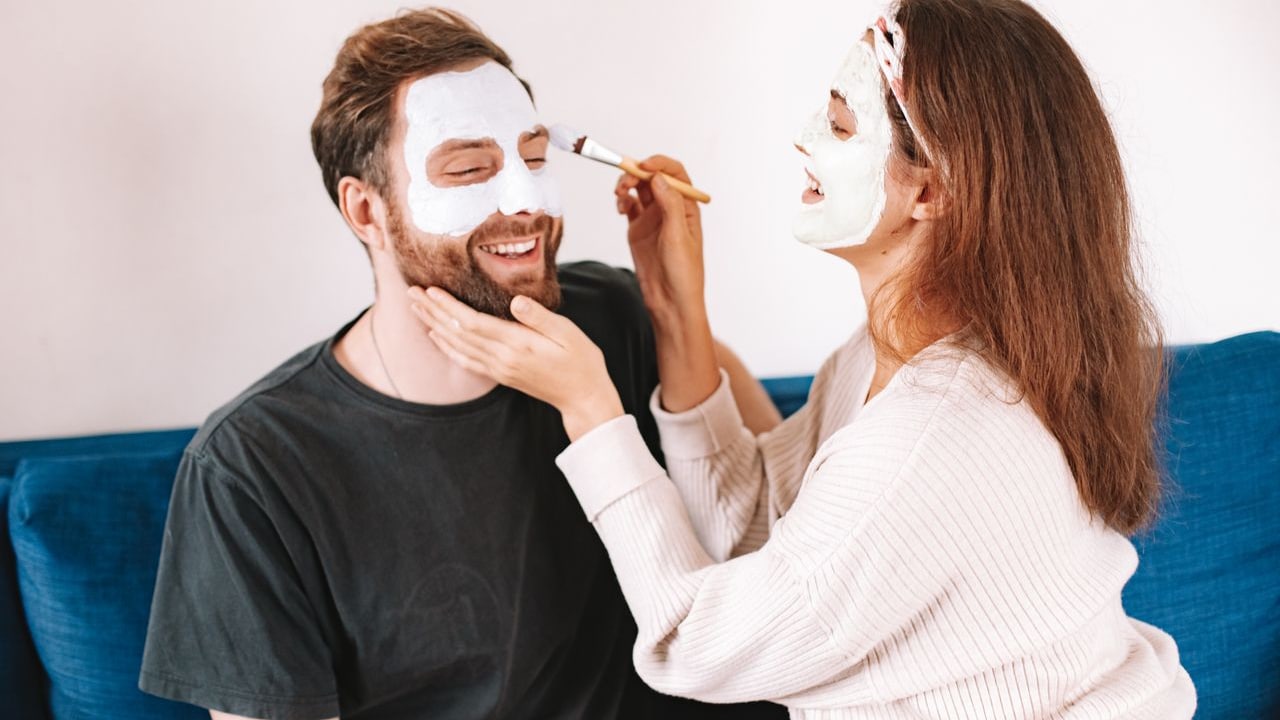
Use these tips to layer your favourite skincare products the right way and reap the best benefits; Photo Credit: Pexels
This guide focuses on simple rules, common mistakes, and realistic habits. No ten-step pressure. No miracle claims. Just smart layering, explained with everyday examples and a touch of humour.
Also Read: Over-Layering Skincare Products: Why Too Many Makeup Steps Are Damaging Your Skin
Before You Begin: Understanding The Right Way To Layer Skincare
1. Start With a Clean Canvas: Cleansing Comes First
Every good routine begins with a clean face. Skincare applied to unclean skin simply slides over dirt, oil, and pollution. That defeats the purpose. A gentle cleanser removes sweat, sunscreen, and grime without stripping natural oils.
Morning cleansing should feel refreshing, not squeaky. At night, cleansing becomes non-negotiable, especially after long days outdoors or wearing makeup. Double cleansing helps when sunscreen or heavy makeup enters the picture. An oil-based cleanser breaks down residue, followed by a gentle water-based one.
Avoid harsh soaps or very hot water. Both upset the skin barrier and cause dryness or breakouts. A face wash that suits the skin type works best, whether gel-based for oily skin or creamy for dry skin. Clean skin absorbs products better and reacts less. Skipping this step often leads to clogged pores and wasted products.
2. Toning: The Step Many Skip but Shouldn't
Toners once had a bad reputation for stinging formulas and alcohol-heavy blends. Modern toners feel different. They hydrate, soothe, and prep skin for what follows. Think of toners as a primer for skincare rather than an extra chore.
Applied after cleansing, toner balances the skin's surface and removes leftover residue. Hydrating toners help in hot weather and long workdays. They prevent tightness and improve serum absorption. A few drops pressed into damp skin work better than cotton pads.
Avoid toners with strong fragrances or high alcohol content. These dry out the skin over time. Look for calming ingredients like rose water, green tea, or glycerin. Skin feels plumper and more receptive when toner becomes part of the routine. Skipping it often leads to uneven absorption later.
3. Serums Go Before Creams: Texture Matters
Serums hold concentrated ingredients and lighter textures. They target concerns like dullness, pigmentation, acne, or dehydration. Since they are thin, they must go on before heavier products.
Applying serum on damp skin helps absorption. Use only a few drops. More does not mean better results. Layering multiple serums sounds tempting but often overwhelms the skin. One or two targeted serums work best.
Water-based serums go first, followed by slightly thicker ones. Vitamin C usually fits into mornings, while retinol or exfoliating serums suit night routines. Mixing too many actives increases irritation. Skin prefers consistency over chaos. A well-chosen serum, layered correctly, can transform skin over time.
4. Eye Cream Needs a Gentle Approach
The skin around the eyes feels thinner and more delicate. It needs lighter care and a softer touch. Eye creams come after serums and before moisturisers.
Using the ring finger helps control pressure. A small amount, gently tapped, works best. Rubbing or dragging causes fine lines over time. Eye creams help with hydration, puffiness, and dark circles, though patience remains key.
Avoid using regular face creams around the eyes. They may feel too heavy and cause milia. Eye creams absorb quickly and protect this sensitive area. Morning application helps under concealer, while night use supports repair. Consistency matters more than price here.
5. Moisturiser: The Step That Seals Everything In
Moisturiser locks in all previous steps. It keeps hydration balanced and strengthens the skin barrier. Without it, serums evaporate faster, and skin feels dry again.
Choose texture based on skin type and weather. Gel moisturisers suit humid climates, while cream-based ones help during dry months or air-conditioned offices. Applying moisturiser while the skin still feels slightly damp improves absorption.
Skipping moisturiser causes excess oil production in oily skin and dryness in dry skin. Both lead to breakouts or irritation. This step maintains comfort and balance. Morning and night moisturising supports long-term skin health, not just an instant glow.

Use moisturiser as the final layer that locks everything in for best results; Photo Credit: Pexels
6. Sunscreen Always Comes Last in the Morning
Sunscreen stands as the final step of any morning routine. It protects against tanning, pigmentation, premature ageing, and damage caused by UV exposure. Even on cloudy days, sunscreen remains essential.
Apply sunscreen after moisturiser. Use enough product, roughly two finger-lengths for face and neck. Skimping reduces protection. Let it settle before makeup.
Avoid mixing sunscreen with moisturiser. This dilutes protection. Reapply every few hours when outdoors, especially during peak sun hours. Sunscreen works only when applied correctly and consistently. It protects the results achieved from every other product used.
7. Night Routines Differ for a Reason
Night skincare focuses on repair rather than protection. After cleansing and toning, treatment products like retinol or exfoliating acids fit best here. Skin regenerates during sleep, making nights ideal for active ingredients.
Avoid layering too many actives together. Retinol pairs well with gentle moisturisers, not strong exfoliants. On alternate nights, hydrating serums calm skin and prevent sensitivity.
Night routines can feel shorter than morning ones. That's fine. Skin prefers regular care over complicated steps. A calm, consistent night routine supports healthier skin over time.
8. Wait Time Between Layers Makes a Difference
Applying everything at once may save time, but it reduces effectiveness. Waiting 30 to 60 seconds between layers allows each product to absorb properly.
Rushing causes products to pill or sit on the surface. This often happens with sunscreen or heavy creams. Letting each layer settle improves comfort and performance.
Think of it as giving skin a moment to breathe. Use the wait time to brush hair or choose clothes. Small pauses create better results without adding effort.
9. Common Layering Mistakes to Avoid
Using too many products ranks as the biggest mistake. Skin gets confused, irritated, and breaks out. Another common error involves mixing incompatible actives, like retinol and strong acids, together.
Skipping sunscreen undoes all progress. Applying thick products before light ones blocks absorption. Over-exfoliating weakens the skin barrier and leads to sensitivity.
Consistency matters more than trends. Changing products too often prevents results. Skin needs time to adjust and improve. Keeping routines simple reduces errors and saves money in the long run.
10. Listen to Skin, Not Trends
Skincare trends change faster than seasons. Skin needs stability. If a routine works, stick to it. Occasional adjustments based on weather or stress levels make sense.
Breakouts, stinging, or redness signal something wrong. Cutting back helps more than adding products. Patch testing new products prevents unpleasant surprises.
Good skincare feels comfortable and manageable. It should fit daily life, not dominate it. When routines feel easy, consistency follows naturally.
Products Related To This Article
1. Cetaphil Gentle Skin Cleanser With & Pro-Vitamin B5 & B3
2. Plum 3% Niacinamide Alcohol-Free Toner With Rice Water To Reduce Pores & Blemishes
3. O3 Professional Radiant & Glowing Skin Bridal Facial Kit
4. FoxTale Foxtale DeTan Skin Mask with Lactic Acid & Brazilian Purple Clay for Glowing Skin
5. Vaseline Lip Therapy Cocoa Butter Lip Tin
6. MCaffeine Coffee Under Eye Cream
7. Marks & Spencer Rose Hand & Nail Cream
8. MCaffeine Sweet Escape Perfume Body Lotion
Layering skincare correctly turns confusion into clarity. Each step serves a purpose, from cleansing to sunscreen. Light textures go first, heavier ones follow, and protection finishes the routine. Simple rules, followed consistently, deliver better results than complicated routines.
Healthy skin comes from patience, balance, and understanding. When products work together instead of competing, skin responds with glow, comfort and confidence. Skincare should feel like self-care, not a science experiment.
(Disclaimer: This article may include references to or features of products and services made available through affiliate marketing campaigns. NDTV Convergence Limited (“NDTV”) strives to maintain editorial independence while participating in such campaigns. NDTV does not assume responsibility for the performance or claims of any featured products or services.)