How To Colour Your Hair At Home Without Making It Dry Or Frizzy
Colour your hair at home without drying it out. These simple steps cover prep, timing, rinsing, and aftercare so hair stays soft, smooth, and shiny, not rough or straw-like.

Know How To Colour Your Hair At Home Without Making It Feel Dry, Rough, Or Straw-Like.
Hair colour at home is a bit like making chai. Everyone thinks they know how to do it, and then one day it turns out too watery, too strong, or somehow both. The same thing happens with hair dye. The shade may come out fine, but the hair feels off. Dry. Rough. Weirdly squeaky. Like it's lost its personality.
The good news is this: colouring at home doesn't automatically mean damaged hair. Most of the dryness people blame on “dye” actually comes from avoidable mistakes, choosing the wrong formula, skipping prep, leaving it on too long, or rinsing like the job is to finish fast and move on with life.
Hair can stay soft after colouring. It can still have bounce. It can still behave like hair and not like a broom. All it needs is a smarter approach, one that fits real life, real budgets, and real bathrooms where the mirror is too small, and the lighting is suspicious.

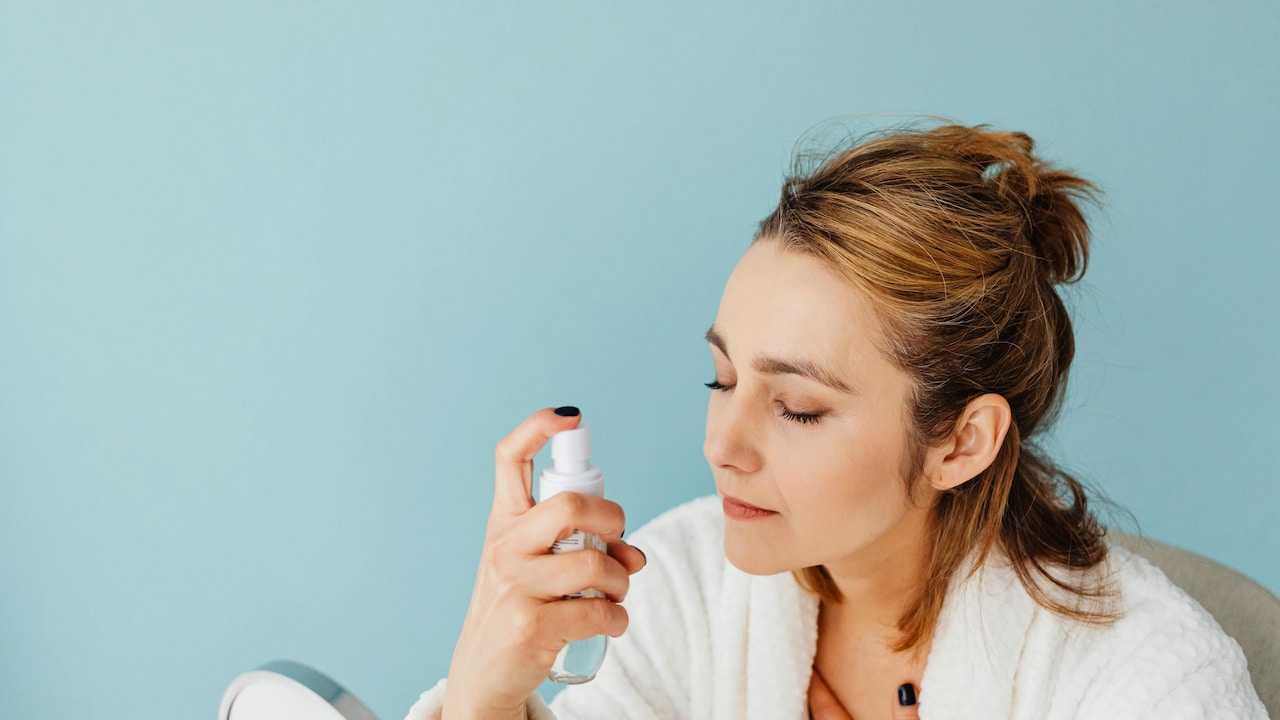
How To Colour Your Hair At Home Without Making It Dry Or Frizzy
Photo Credit: Pexels
The 10 Golden Rules For Soft, Healthy Hair Colour At Home
1. Choose The Right Colour Formula For Your Hair Type
The first mistake most people make is buying colour based on the box model's hair. That hair has probably seen a stylist, a blowout, and three filters. Real hair has a history. It has oil, dust, humidity, heat damage, and sometimes a stubborn streak.
For hair that already feels dry, permanent box dye can push it over the edge because it usually uses stronger chemicals to lift and deposit colour in one go. A gentler option is ammonia-free permanent colour, demi-permanent colour, or a colour glaze. These deposit pigments with less aggression, so the hair doesn't feel like it has been scolded for existing.
If greys are the main issue, choose a formula made specifically for grey coverage, instead of going darker and hoping it “sticks.” If the goal is a rich shine or a subtle refresh, semi-permanent colour often delivers the vibe without the dryness.
A practical rule works well: the more the colour needs to lift, the more careful the routine must be. Soft hair starts with smart product choices, not last-minute panic purchases.
2. Prep Hair Like It's A Skincare Routine, Not A Shortcut
Hair colour prep is the difference between “wow, glossy” and “why does it feel like hay.” Most people focus only on the dye. The real magic starts two days earlier.
Freshly washed hair sounds like the clean and responsible thing to do, but it's not always ideal. A little natural oil helps protect the scalp and reduces irritation. However, heavy oiling right before colouring can block even colour absorption and create patchiness. This is where many people get betrayed by well-meaning advice from aunties.
A better plan is simple: wash hair the day before, skip heavy conditioners at the roots, and avoid thick oiling. If hair feels dry, use a light hair mask two days before colouring, then wash it out properly. This gives hair moisture without leaving a coating.
Also, detangle hair fully before colouring. Hair dye plus knots is chaos. It leads to tugging, uneven application, and breakage. Think of prep as setting the stage. Nobody wants to dance in a room full of furniture.
3. Don't Skip The Strand Test (Yes, Even When Feeling Brave)
Strand tests feel unnecessary until they save the day. It's like checking the weather before stepping out in new white sneakers. It takes a few minutes, but it prevents heartbreak.
A strand test shows two things: how the colour will actually look on the hair, and how the hair will feel afterwards. Sometimes the shade looks deeper than expected. Sometimes it turns brassy. Sometimes it grabs unevenly on older colour. And sometimes it makes hair feel slightly rough, which is the first warning sign that the routine needs extra conditioning.
To do it properly, take a small section from behind the ear or underneath where it won't be obvious. Apply dye, time it, rinse, and check it in natural light. Bathroom lights lie. They always do.
If the strand feels dry after rinsing, that doesn't mean colouring is doomed. It simply means the aftercare needs to be stronger, and the timing needs to be precise. Hair doesn't need fear. It needs information.
4. Protect The Hairline And Ends Like They're The VIP Guests
The hairline and ends suffer the most during at-home colouring. The hairline is delicate and gets over-processed quickly. The ends are older, more porous, and absorb colour faster. Treating the entire head the same way is like cooking rice and expecting the same timing for both raw and half-cooked grains.
Before applying colour, apply a thin layer of petroleum jelly or a thick moisturiser around the hairline, ears, and neck. This prevents staining and reduces irritation. It also makes clean-up less dramatic.
For ends that are already dry, apply a small amount of conditioner or hair serum to the last two inches before colouring. Not enough to block colour completely, but enough to reduce the harshness. This is especially helpful if the plan is a root touch-up. The ends don't need repeated processing.
If the goal is full-head colour, apply dye to the mid-lengths first, then the roots, and leave ends for the last few minutes. It's a small change, but it protects softness in a big way.
5. Timing Is Everything (And Extra Minutes Aren't “Extra Results”)
This is where most at-home hair disasters are born: leaving colour on longer “just to be safe.” That logic sounds reasonable, but hair chemistry doesn't work like cooking dal. There is no “simmer until perfect.”
Once the dye has done its job, keeping it on longer doesn't deepen the shade much. It mostly dries out the hair and irritates the scalp. Over-processing also makes hair feel rough and look dull, which is the opposite of the shiny colour everyone wants.
Use a timer. Not “count in the head” time. Not “let it sit while making dinner” time. A real timer. Follow the instructions based on what the product is designed for. Root touch-up and full-head colour often have different timings for a reason.
If the hair is fine, porous, or already chemically treated, it may need less time than the box suggests. This is where that strand test earns its respect.
Soft hair loves discipline. It hates overconfidence.
6. Apply Colour In Sections, Not In Panic Mode
At-home colouring often turns into a race. One minute it's calm, the next minute dye is everywhere, and someone is asking a question through the bathroom door. The result is uneven colour and rough texture from overworking the hair.
Sectioning changes everything. It makes the application faster and gentler. Divide hair into four sections: two in the front and two in the back. Clip them up. Work one section at a time, applying colour evenly.
Use enough product. Many people try to stretch one box for long hair, which leads to patchy results and repeated colouring later, hello dryness. For shoulder-length hair or thicker hair, two boxes may be necessary. It feels like an extra expense, but it prevents the higher cost of damage control later.
Also, don't aggressively rub dye into hair like shampoo. That friction roughens the cuticle and makes hair feel straw-like. Apply with smooth strokes, saturate properly, and keep handling minimal. Hair isn't a floor that needs scrubbing.
7. Rinse Properly, And Don't Use Hot Water Like It's Winter
Rinsing is where softness is either saved or sacrificed. Many people rinse in hot water because it feels comforting, especially during cooler months. But hot water opens the cuticle too much and strips moisture, making hair feel rough.
Use lukewarm water. Rinse until the water runs mostly clear, but don't rinse like it's a punishment. Be gentle. Don't pile hair on top of the head and tangle it into a bird's nest. Keep hair flowing downward.
When the box includes a post-colour conditioner, use it and leave it on for the full time. That conditioner is not just a freebie. It's designed to smooth the cuticle and restore some softness immediately.
Avoid shampooing right after colouring unless the instructions specifically say to. Shampoo strips colour and moisture, and it's often the reason hair feels dry from day one.
If the scalp feels slightly tight after rinsing, that's normal. If it burns, that's not. In that case, rinse longer and avoid any harsh products for a few days.
8. Use The Right Post-Colour Wash Routine For The First Week
The first week after colouring is when hair decides whether it will stay soft or turn into a crispy personality. Many people ruin it by using the same shampoo they've always used. That shampoo may be great for oily hair, but post-colour hair needs gentleness.
Use a sulphate-free shampoo, or at least a mild one, and keep wash frequency low for the first few days. The goal is to let colour settle while protecting moisture. If hair gets greasy quickly, rinse with water or use a small amount of shampoo only at the scalp.
Conditioning matters more than ever. Apply conditioner generously to mid-lengths and ends. Let it sit. Rinse with cool water at the end to help seal the cuticle and boost shine.
Avoid clarifying shampoos, anti-dandruff shampoos, and harsh scalp scrubs for a week. These strips colour and dry hair. If dandruff is an issue, it's better to treat it after the first week rather than immediately.
Hair after colouring is like skin after a facial. It needs calm, not chaos.
9. Deep Condition Like A Pro, But Don't Overdo Protein
Post-colour dryness often makes people go into full repair mode. Hair masks, serums, oils, DIY packs, everything gets thrown at the hair like a last-minute exam prep. The intention is sweet, but it can backfire.
Hair needs moisture after colouring, not just protein. Many “repair” masks are protein-heavy. Protein is helpful when hair is weak, but too much protein makes hair stiff, rough, and brittle. That's when hair starts feeling straw-like, even though it's technically “treated.”
A balanced approach works best: use a hydrating hair mask once a week, and a protein mask only if hair feels stretchy, gummy, or breaks easily. For most people, moisture is the missing piece.
A warm oil massage can help, but timing matters. Wait at least 48 hours after colouring before oiling. Fresh colour needs time to settle, and heavy oiling too soon can fade it faster.
A simple, reliable routine beats a dramatic one. Hair loves consistency. It does not enjoy being experimented on like a science project.
10. Avoid Heat And Friction, Because Colour Makes Hair More Sensitive
Even if the colour looks perfect, the hair is still more vulnerable after dyeing. The cuticle is slightly lifted, and the strands lose moisture faster. Heat styling and friction can push it into dry territory very quickly.
Avoid straighteners and curling irons for at least a week after colouring. If blow-drying is necessary, use the lowest heat setting and keep the dryer moving. A heat protectant is not optional. Without it, hair loses moisture and becomes rougher faster than expected.
Also, pay attention to small things: rough towels, aggressive brushing, and tight hairstyles. Rubbing hair with a towel like it's laundry creates frizz and breakage. Use a soft towel or an old cotton T-shirt and gently squeeze out water.
Sleeping with loose hair on a cotton pillowcase can also cause friction. If possible, use a satin pillowcase or loosely braid hair before bed.
The funniest part is that most people blame the dye for dryness, when it's actually the next few days of heat and rough handling that do the real damage.
Products Related To This Article
https://www.myntra.com/hair-color?rawQuery=hair%20color
1. Streax Ammonia Free Cream Hair Colour 120ml
2. BBLUNT Salon Secret 5 Minute Shampoo Hair Colour
3. Indus Valley Hypo Allergic Botanical Aqua Hair Colour
4. Revlon ColorSilk Beautiful Hair Colour - Medium Golden Brown 4G with Outrageous Shampoo
5. Vegetal Black Hair Colour
At-home hair colouring doesn't have to come with the price tag of dry, rough, straw-like hair. Softness is not a luxury reserved for salons. It's a result of small, smart choices, choosing the right formula, prepping properly, timing it well, rinsing gently, and treating hair kindly afterwards.
The biggest secret is this: hair colour is not a one-day event. It's a process that begins before the dye touches the head and continues for at least a week after. When the routine supports the hair, the colour looks better too, richer, shinier, and more expensive-looking.
And if anything goes slightly wrong, it's not the end of the world. Hair has an incredible ability to recover when given moisture, patience, and a break from heat tools. Plus, there's always the option of tying it up in a cute bun and pretending it was the plan all along.
(Disclaimer: This article may include references to or features of products and services made available through affiliate marketing campaigns. NDTV Convergence Limited (“NDTV”) strives to maintain editorial independence while participating in such campaigns. NDTV does not assume responsibility for the performance or claims of any featured products or services.)