How To Use Serums: The Layering Order That Actually Shows Results
Serums promise glowing skin, but the magic happens only when they go on in the right order. This guide breaks down the layering steps in a simple, relatable way, helping everyday routines deliver real, visible results.

How to Apply Serums for Faster Results: Serum Layering Order Explained.
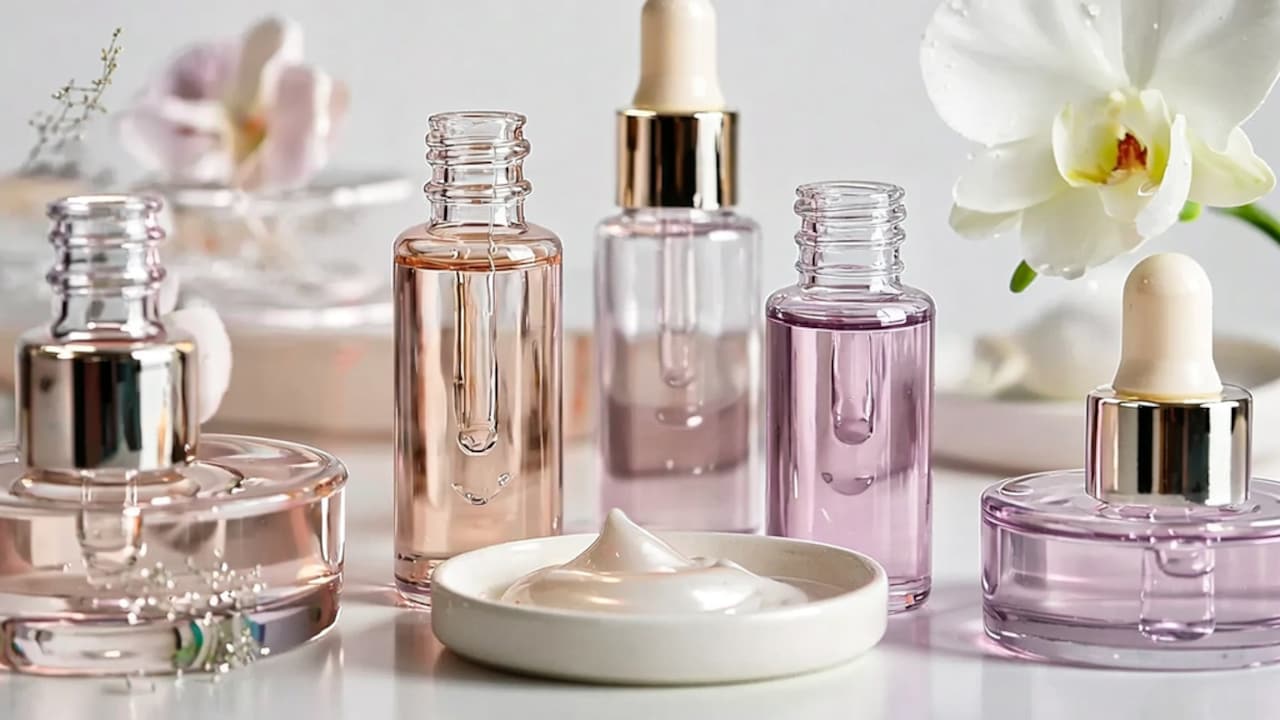
Morning routines often feel like a race against time, breakfast on the stove, messages buzzing, and somewhere in between, a glance in the mirror signals the need for a little skin help. Serums come in tiny bottles with big claims. Yet many people feel confused about how to use them. The truth? Serums work wonders only when applied with care and in the right sequence. Think of a skincare routine like cooking a well-loved dish: ingredients matter, but the order matters even more. Explore how to use serums in a way that's easy to remember, fun to read, and simple to follow, especially for those juggling busy days, bustling streets, and weather that switches moods without warning.
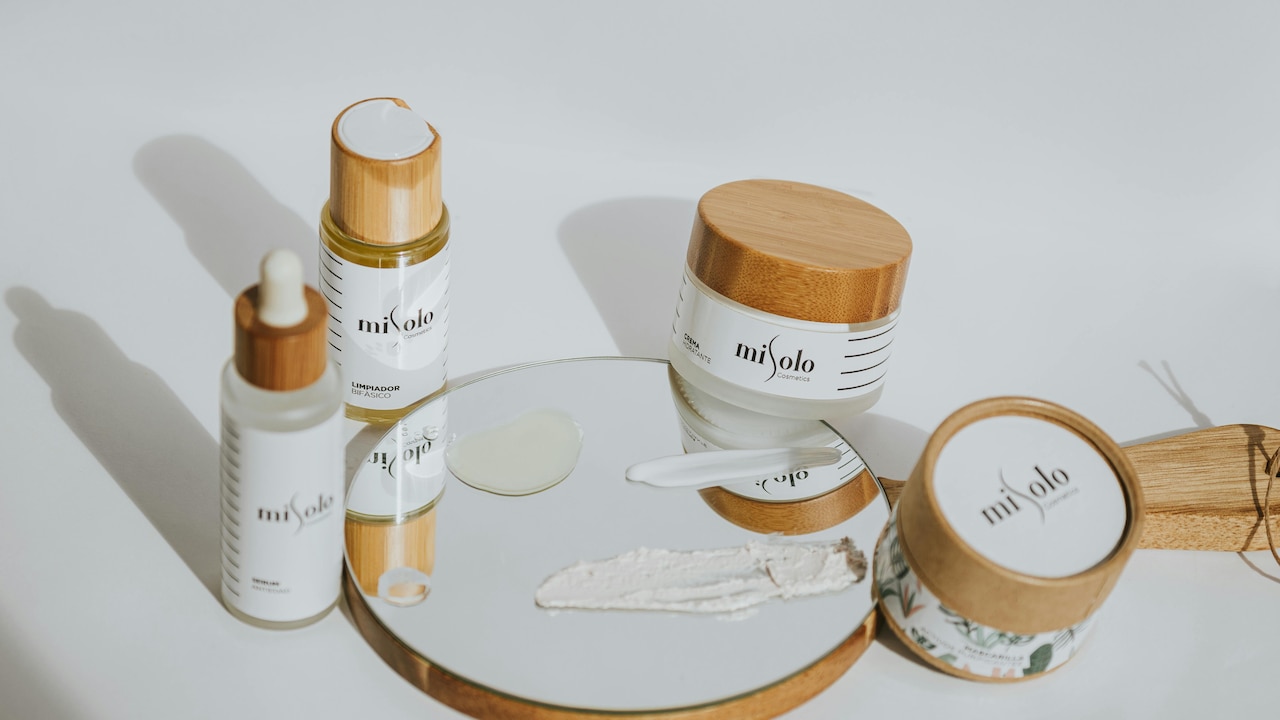
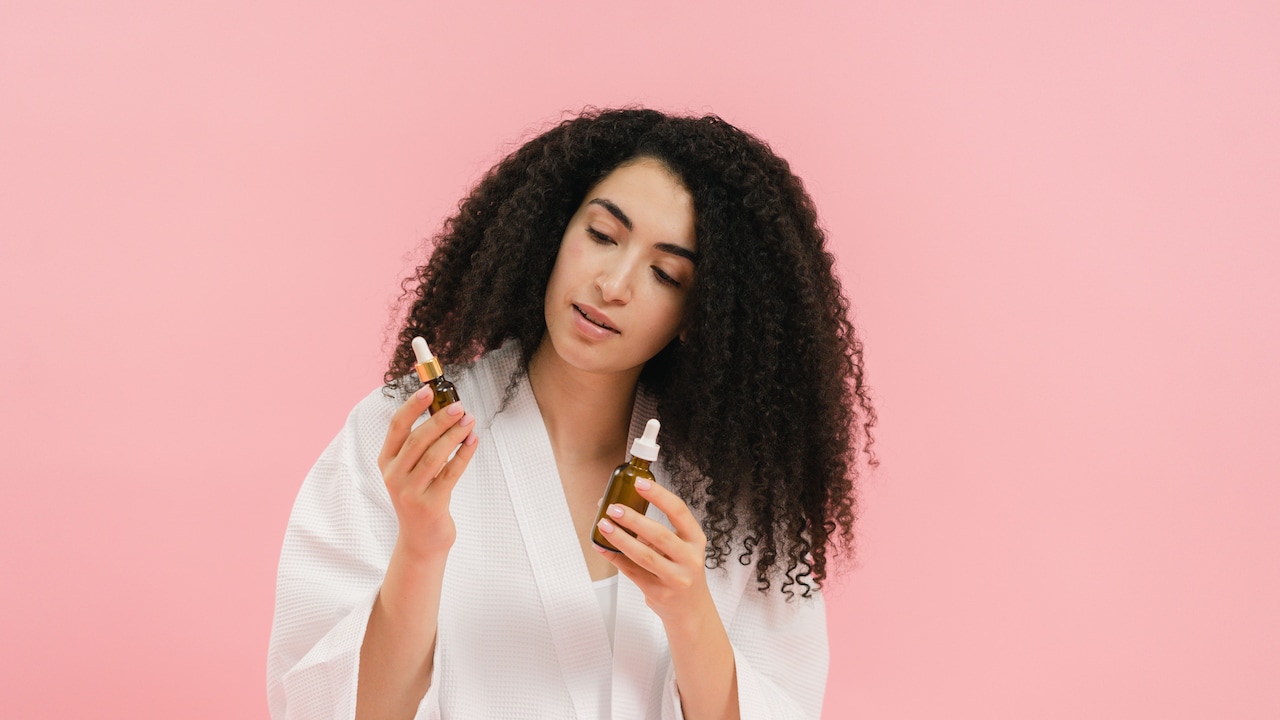
The Right Way to Layer Serums: A Complete Guide for Visible Results; Photo Credit: Pexels
Your Easy Guide On How To Use Serums The Right Way
1. Start With a Clean Slate: Cleanser Comes First
Every serum works best when it meets fresh, clean skin. Dirt, oil and leftover moisturiser often sit on the surface like an invisible shield. They block whatever gets applied next. A gentle cleanser removes the build-up without stripping natural moisture. The goal isn't squeaky-clean skin that feels tight, but a soft, comfortable base that welcomes the next steps.
A good cleanse in the evening feels almost therapeutic. After a long day outdoors, the pollution and sweat create layers that cling stubbornly. Rinsing everything away brings a sense of relief, almost like washing off the day. This step also helps serums penetrate better, which means money spent on those tiny bottles doesn't go to waste.
Choose a cleanser that matches skin type: gel for oily, cream for dry or sensitive, and foam for combination. Keep it simple. The point isn't to complicate the start of the routine but to prepare the skin for the hard-working layers that follow.
2. Pat, Don't Rub: Toner or Essence to Prep the Skin
After cleansing, skin often feels slightly thirsty. A toner or essence acts like a refreshing sip of water. It softens the surface and improves the absorption of whatever comes next. Many people rub their toner on with cotton pads, but patting works better. Skin responds well to gentle pressure.
Hydration at this stage helps serums spread easily and sink in faster. Think of wet soil drinking water more eagerly than dry earth. Humid climates do offer natural moisture in the air, but a toner ensures consistency throughout the year. Look for ones with soothing ingredients like rose water, green tea or hyaluronic acid.
A few seconds of patting also doubles up as a mini self-care moment, quick enough for a busy morning yet calming enough to feel like a pause. Once this layer settles, the skin feels plump and ready, almost like a canvas waiting for colour.
Also Read: Which Serum Is Best To Get Clear Skin? Top 5 Recommendations Under ₹500
3. Begin With the Lightest Serum: Water-Based First
Serums aren't all created equal. Water-based formulas feel thin, glide easily and sink in fast. These usually target concerns like dullness, pigmentation or uneven texture. Starting with them ensures maximum benefits because lighter textures disappear into deeper layers of the skin without fighting thicker products.
A common mistake is applying a thick serum first out of excitement. Unfortunately, heavier formulas sit on top and block lighter ones, which means the ingredients never reach where they need to go. Instead, line up the serums by texture, light to heavy. If unsure, drop a little on the wrist. The runnier one usually goes first.
This approach also helps prevent pilling, small product balls that roll off the skin. Once the first serum goes on, wait a few seconds for it to settle. It shouldn't feel sticky or wet. A comfortable, almost invisible layer means the skin is ready for the next step.
4. Target Pigmentation Early: Vitamin C or Niacinamide Goes Next
Brightening serums deserve a priority spot in the routine. Vitamin C and niacinamide are popular choices because they help with pigmentation, uneven tone and sun-induced dullness, common struggles when days are spent under strong sunlight. These ingredients work best when layered early, right after the lightest serum.
Vitamin C brings a noticeable radiance when used consistently. It feels slightly tingly for some, but that sensation settles as the skin adapts. Niacinamide, on the other hand, works like a calm, steady helper that reduces spots and regulates excess oil. When used together, they complement each other well, but spacing them out by a few minutes helps avoid any clash.
These serums often come with premium price tags, sometimes reaching ₹800 to ₹1500. Using them in the right order ensures maximum value for every drop. Over time, the mirror begins to show brighter mornings and smoother afternoons.
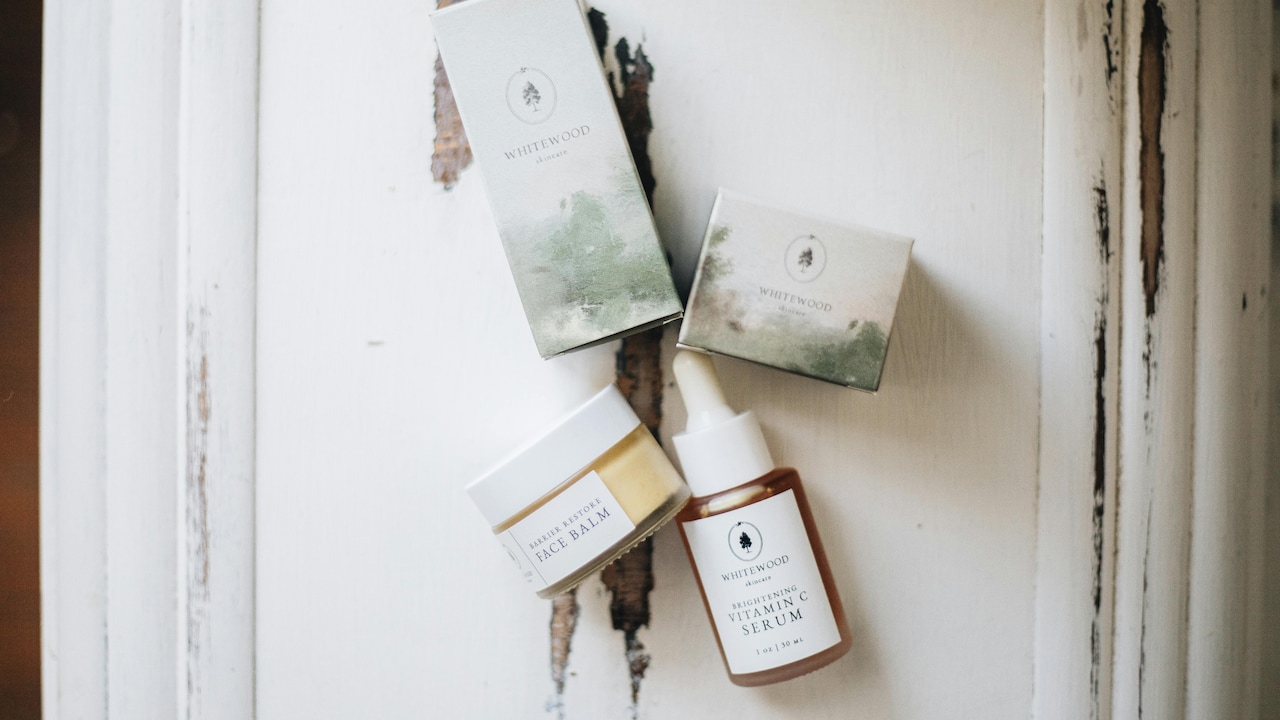
The Right Way to Layer Serums: A Complete Guide for Visible Results; Photo Credit: Pexels
5. Hydrate Deeply: Hyaluronic Acid to Lock in Moisture
Hyaluronic acid is often the hero for thirsty skin. It holds moisture like a sponge, giving the face a plump, fresh appearance. This serum works best when applied on slightly damp skin, ideally after a hydrating toner or another light serum. It pulls water from the surroundings and deeper layers, giving the surface a juicy, dew-kissed feel.
In dry seasons, fans or air conditioners can make skin feel tight. A hyaluronic acid layer helps balance that. The texture feels silky and spreads easily, which also makes it great for pairing with makeup. Foundation settles better and doesn't cling to dry patches.
It's important not to overuse this ingredient. A few drops work perfectly. Too much may leave the face feeling sticky, especially in humid weather. When used with care, this serum creates a supple base before heavier formulas enter the routine.
6. Treat Acne or Sensitivity: Salicylic Acid or Centella-Based Serums
For those dealing with occasional breakouts, salicylic acid steps in as a dependable companion. It clears pores, reduces excess oil and keeps small bumps from turning into full-blown eruptions. This serum needs a dedicated spot in the routine because its exfoliating power works best when uninterrupted by heavier formulas.
On the other hand, sensitive or redness-prone skin often finds comfort in centella-based serums. Ingredients like cica or madecassoside soothe irritation and reduce flare-ups. These serums feel calming, almost like a cool breeze on a warm afternoon.
Both acne-control and soothing serums need consistency rather than heavy use. Apply them with a gentle hand and let them settle. Over time, regular use helps skin feel more predictable, which brings a sense of relief to anyone who deals with sudden breakouts right before important events.
7. Move to Heavier Actives: Retinol for Texture and Ageing Concerns
Retinol requires careful attention. It works wonders for texture, fine lines and uneven tone, but the skin needs time to adjust. Apply it after the lighter serums have settled. Retinol sits thicker and brings powerful results, so this placement helps reduce irritation.
Start slow, once or twice a week. Over-enthusiasm often causes peeling, redness or dryness. A small pea-sized amount works well. Retinol can transform the appearance of skin over months, not days. Patience goes a long way here.
Those living in sunny regions must always pair retinol with sunscreen during the day. This ingredient makes skin more reactive to sunlight. When used correctly, retinol feels like an investment that pays back steadily, helping the skin look smoother and more refined with time.
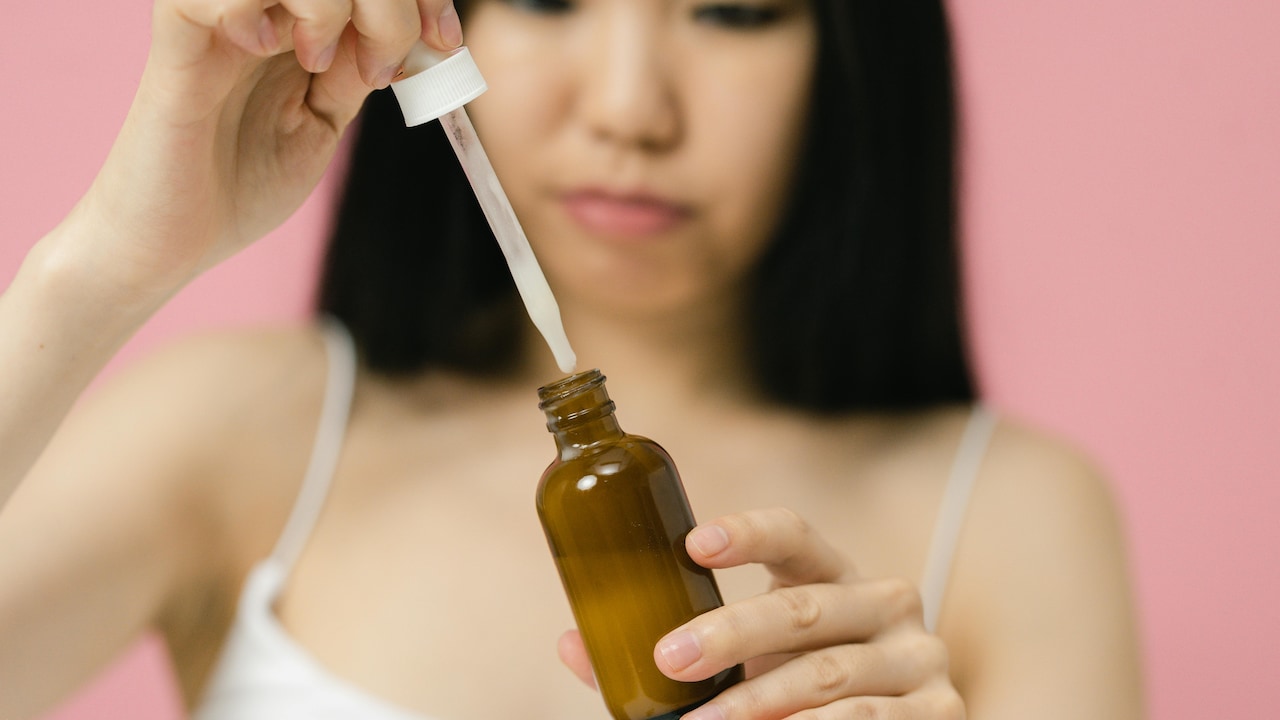
The Right Way to Layer Serums: A Complete Guide for Visible Results; Photo Credit: Pexels
8. Seal Everything In: Moisturiser for Protection and Balance
A moisturiser acts like a comforting blanket. After layers of serums, the skin needs something to hold everything together. This final seal prevents water loss, especially during the night when the skin repairs itself. The texture of the moisturiser depends on the weather. Light gels feel refreshing in warmer months while creams provide extra comfort in cooler seasons.
This step also keeps irritation at bay. For those using strong actives like retinol or exfoliating serums, a moisturiser restores calm. It balances the effects of the earlier steps and supports long-term results.
When applied with a slight upward motion, the moisturiser also offers a gentle massage. It boosts blood circulation and adds a bit of relaxation at the end of a long routine. This small gesture turns skincare into something more than just application; it becomes a ritual.
9. Sunscreen for the Win: The Non-Negotiable Morning Step
No serum routine works fully without sunscreen. UV rays undo progress faster than any serum can fix. Applying sunscreen every morning protects the skin from tanning, pigmentation, early ageing and sunburn. It also boosts the performance of brightening or anti-ageing serums.
Choose a sunscreen with SPF 30 or more. Gel-based formulas feel comfortable in hot weather and avoid the heavy, greasy feel that many people dislike. Reapplication matters too, especially when spending time outdoors. A small bottle in the bag helps maintain protection throughout the day.
Sunscreen also improves the overall appearance of the skin. It keeps the tone even and prevents new dark spots from forming. In essence, this step ensures that every rupee spent on serums truly shows results.
10. Know When to Give Skin a Break: Less Can Be More
Skincare doesn't always need a long list of steps. Some days demand a simple routine, cleanse, a single serum and moisturiser. Skin behaves differently depending on weather, stress, diet and sleep. Listening to these subtle changes helps avoid overwhelming the face with too many activities.
A rest day allows the skin to breathe and use its natural repair cycle. It also prevents irritation from ingredients like vitamin C, retinol or salicylic acid. On busy mornings, trimming the routine also saves time without risking skin health.
A balanced approach works best. Treat serums like spices; use the right ones in the right amount. With consistency and a mindful routine, results appear gradually yet noticeably, making skincare feel rewarding instead of stressful.
Products Related To This Article
1. Plum 10% Niacinamide Face Serum with Rice Water
2. Hyphen 18% Brightening + 20% Collagen Double Serum with 5% Niacinamide for Dark Spots
3. Pilgrim 10% Vitamin C Face Serum with Niacinamide & Kakadu Plum
4. Minimalist Salicylic Acid 2% Face Serum for Acne Free Skin
5. Beauty of Joseon Revive Eye Serum With Retinal
6. The Derma co. 2% Kojic Acid Face Serum - Reduces Dark Spots Pigmentation & Blemishes
7. FoxTale 12% Niacinamide Serum with Azelaic Acid for Oil Control & Brightening
Face serums can transform a daily routine into a results-driven ritual when used thoughtfully. The right layering order helps every ingredient perform at its best. Starting from cleansing and ending with sunscreen, each step plays its role. Consistency, patience and careful attention to skin's mood make all the difference. Over time, skin begins to look clearer, brighter and healthier, proof that a well-layered routine truly delivers visible results.
(Disclaimer: This article may include references to or features of products and services made available through affiliate marketing campaigns. NDTV Convergence Limited (“NDTV”) strives to maintain editorial independence while participating in such campaigns. NDTV does not assume responsibility for the performance or claims of any featured products or services.)