Sheet Mask Myths: Do They Actually Work Or Just Feel Nice?
Sheet masks promise instant glow and deep hydration in 20 minutes. But do they truly transform skin, or simply deliver a temporary feel-good boost? Let’s separate skincare science from clever marketing.
Sheet Mask Myths Explained: Benefits, Science And What Actually Works.
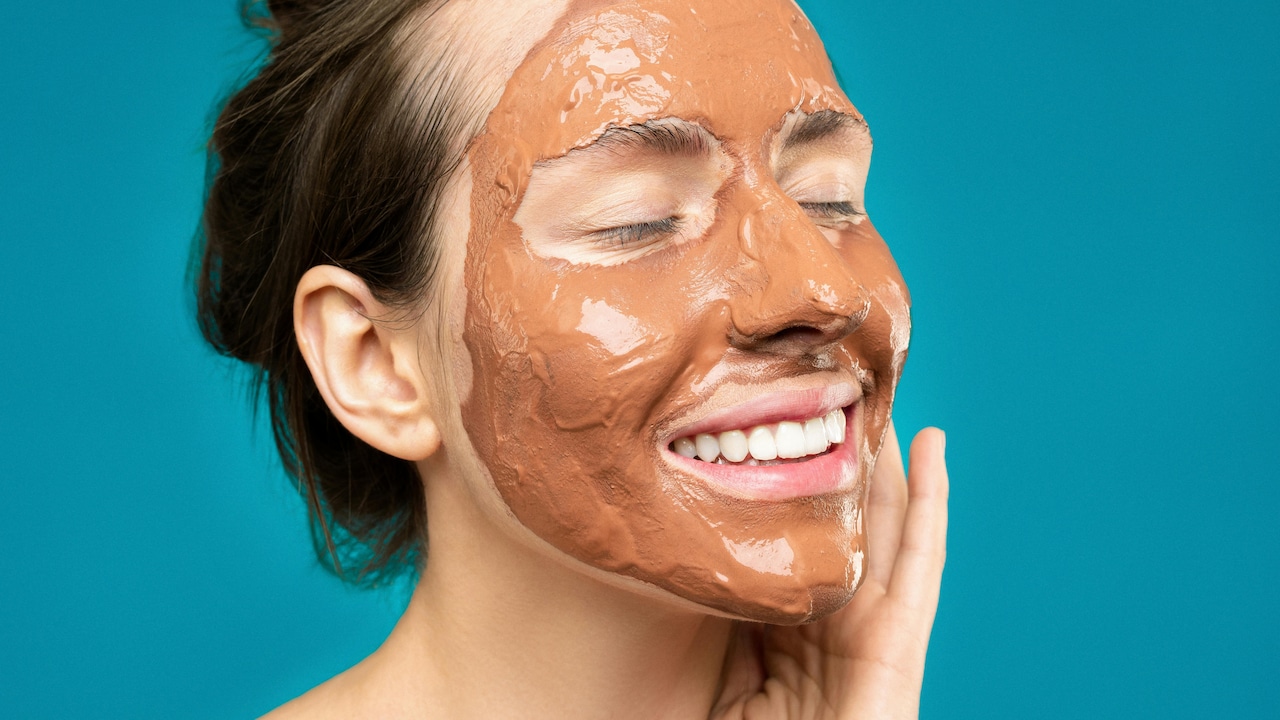
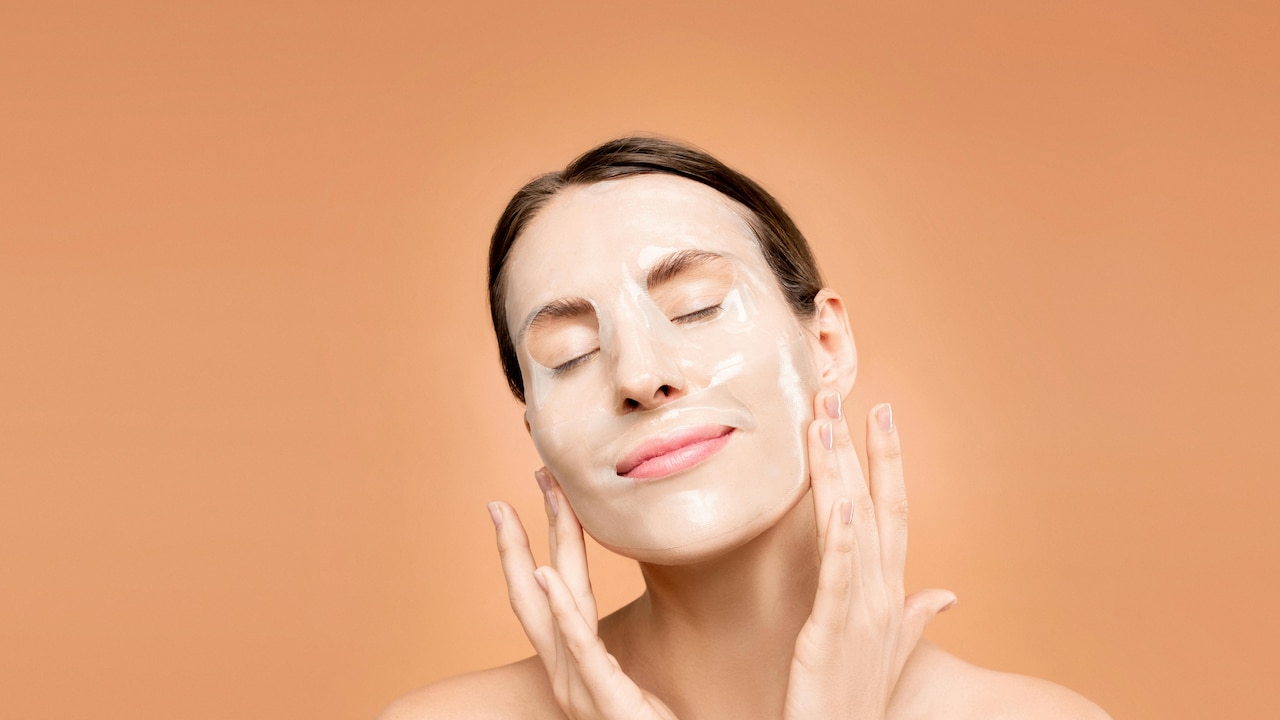
Scroll through any skincare reel and a familiar sight appears: someone reclining with a ghostly white mask draped over the face, cucumber slices optional. Sheet masks have become shorthand for self-care. They travel in handbags before long train journeys, slip into bridal trousseaus, and feature in Sunday night rituals after a week of pollution and pressure.
Beauty trends often promise speed. In cities where commutes stretch beyond an hour, and deadlines stack up, quick fixes feel irresistible. A sheet mask claims visible results in the time it takes to watch half an episode of a web series. The packaging whispers hydration, glow, detox, lift, calm. It sounds almost too good.
So what really happens when that cool, damp fabric meets tired skin? Does science support the hype? Or does the charm lie more in the ritual than the results? The truth sits somewhere between dermatology and delight.
Sheet Mask Myths: Do They Actually Work Or Just Feel Nice?
Photo Credit: Pexels
Breaking Down The Biggest Sheet Mask Myths
The Rise Of The 20-Minute Miracle
Sheet masks did not appear overnight. Korean beauty trends introduced them to global markets years ago, and soon pharmacies and supermarkets stocked them alongside shampoos and soaps. Their popularity soared because they offered simplicity. Tear open a sachet, unfold the mask, smooth it over the face, wait, and peel away. No mixing, no measuring, no mess.
In bustling metros like Mumbai or Bengaluru, time feels precious. A ₹149 mask promises salon-style hydration without booking an appointment that costs ₹1,500 or more. That affordability fuels curiosity. Even students can experiment without denting their monthly budgets.
Marketing frames sheet masks as instant glow-getters before weddings, festivals, or big presentations. The idea of pressing pause for 20 minutes also appeals to stressed minds. The “miracle” therefore, begins before any ingredient touches the skin. It starts with hope, expectation, and the promise of visible change without effort. That emotional lift plays a powerful role in how people judge results.
What Actually Sits Inside That Packet
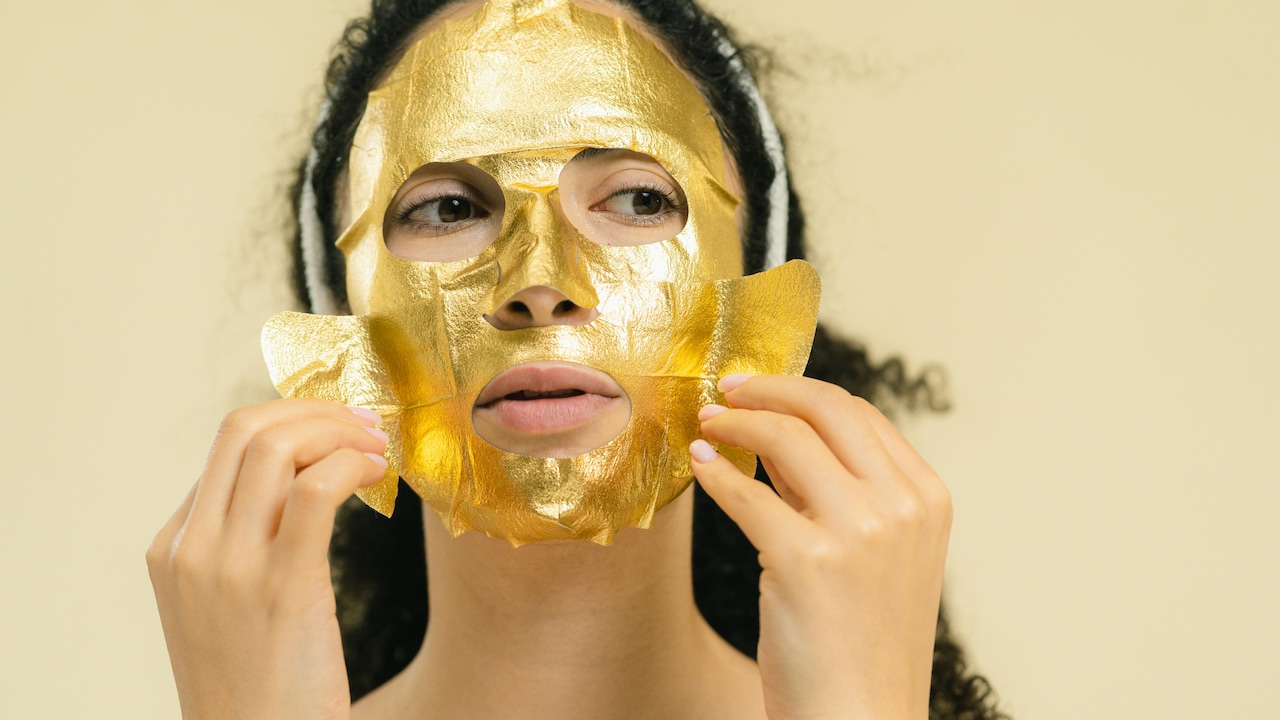
Every sheet mask carries two key components: the sheet and the serum. The sheet may contain cotton, cellulose, hydrogel, or bio-fibre. Each material affects how well the serum adheres to the skin. Hydrogel versions often feel cooler and cling tighter, which enhances the sensory experience.
The serum usually contains humectants such as glycerine or hyaluronic acid. These ingredients draw water into the outer layer of the skin. Many masks also include niacinamide for brightness, vitamin C for radiance, aloe vera for soothing, or plant extracts that sound exotic and comforting.
However, concentration matters. Some sachets list impressive ingredients but contain them in modest amounts. The formula may deliver hydration, yet dramatic anti-ageing claims rarely match reality. A single application cannot rebuild collagen or erase pigmentation.
Still, the occlusive nature of a sheet mask helps trap moisture. When the fabric sits snugly on the face, it reduces evaporation. That temporary barrier allows humectants to plump the skin's surface. The effect feels real because it is real, but it remains short-term.
Instant Glow Versus Long-Term Change
After removing a sheet mask, many notice smoother, dewier skin. Fine lines appear softer. Makeup glides on easily. This visible improvement often fuels belief in a deeper transformation.
Hydration explains most of that glow. When the outer layer absorbs water, it swells slightly. That plumpness reflects light better and reduces the look of dullness. The result can last a few hours or even a day if followed with a good moisturiser.
Long-term changes demand consistency and targeted ingredients. Retinoids, sunscreens, and exfoliants build results over weeks. A sheet mask cannot replace those basics. It can complement them. Think of it as a tall glass of water for thirsty skin, not a structural renovation.
Marketing sometimes blurs this distinction. Words like “repair” and “transform” sound dramatic. In truth, sheet masks offer surface-level benefits. They excel at boosting hydration and soothing irritation. They struggle to deliver permanent shifts in texture or pigmentation without ongoing care.
The Psychology Of Pampering
Skincare rarely involves science alone. Emotion shapes perception. The act of applying a cool mask after a long day feels indulgent. Phones go silent. Deadlines fade. The scent of rose or green tea lingers in the air.
That pause matters. When the mind relaxes, the face often follows. Muscles soften. Stress lines ease. Even 20 quiet minutes can refresh expression. People may attribute that rested appearance solely to the mask, yet relaxation contributes significantly.
In households where responsibilities stretch from office work to family duties, carving out personal time can feel rare. A sheet mask creates a small boundary around self-care. The ritual itself fosters satisfaction.
This psychological boost does not diminish the product's value. Instead, it highlights a broader truth: skincare functions as both treatment and therapy. The glow that appears after removing a mask reflects hydration, yes, but also relief.
Are All Sheet Masks Created Equal
Price does not always dictate performance. A ₹99 mask can hydrate effectively if it contains reliable humectants and suits the skin type. A ₹799 luxury version may feel more refined, with better fabric and fragrance, yet not necessarily deliver ten times the benefit.
Quality control, ingredient transparency, and skin compatibility matter more than brand glamour. Some cheaper masks contain a heavy fragrance that irritates sensitive skin. Others include alcohol that dries the face despite initial freshness.
Reading labels helps. Look for glycerine, hyaluronic acid, ceramides, and niacinamide near the top of the ingredient list. Avoid products that list fragrance high up if your skin reacts easily.
Material also influences comfort. Bio-cellulose adheres closely and prevents serum from dripping. Thin cotton sheets may dry quickly in hot climates.
Ultimately, the best mask suits personal needs. Oily skin may enjoy lighter formulas. Dry skin may crave richer serums. One-size-fits-all claims rarely hold true.
The Pollution Factor And Urban Skin
Air pollution challenges the skin daily. Dust, smoke, and heat can clog pores and trigger dullness. Many sheet masks market themselves as “detoxifying” solutions for city dwellers.
Cleansing remains the true frontline defence against pollution. A good face wash removes grime more effectively than a mask. However, after cleansing, skin may feel tight. Hydrating masks can restore comfort.
Ingredients like charcoal or clay appear in some sheet masks, but these elements work better in rinse-off formats. A thin sheet cannot absorb oil as efficiently as a clay mask. Hydration-based masks often perform better for urban skin because they counteract dryness caused by air conditioning and sun exposure.
The idea of detox often sounds dramatic. Skin already possesses natural mechanisms to protect and renew itself. Sheet masks can support this process by maintaining moisture balance. They cannot purge toxins in a medical sense. Consistent cleansing and sun protection still win that battle.
The Wedding Glow Obsession
Bridal skincare routines frequently include stacks of sheet masks. Friends gift them in decorative hampers. The hope centres on luminous photographs and compliments from relatives.
Using hydrating masks in the weeks leading up to a big event can improve makeup application. Plumper skin reflects light more evenly. However, overuse can backfire. Daily masking may irritate sensitive skin, especially if formulas contain fragrance or active ingredients.
Dermatologists often recommend limiting sheet mask use to two or three times a week unless the formula specifically suits daily application. Pairing masks with sunscreen, a balanced diet, and proper sleep yields better results than relying on sachets alone.
A wedding glow rarely springs from one miracle product. It grows from consistent habits. Sheet masks can enhance that routine. They cannot replace it. The real radiance comes from preparation, hydration, and calm confidence.
Environmental Concerns Behind The Glow
Each sheet mask generates waste. The single-use fabric and plastic packaging often end up in landfills. As environmental awareness rises, this reality troubles many conscious consumers.
Some brands now offer biodegradable sheets made from plant fibres. Others reduce excess packaging. Even so, frequent use adds up. A weekly mask for a year equals 52 discarded sheets.
Reusable silicone covers attempt to replicate the occlusive effect of sheet masks when placed over regular serums. This approach reduces waste and cost over time. A one-time investment of around ₹500 in a reusable cover may save hundreds of rupees and dozens of packets.
Balancing skincare with sustainability requires thought. Occasional indulgence feels reasonable. Daily disposal may not. Conscious choices help maintain both glowing skin and a cleaner environment.
Skin Type Matters More Than Trends
Not every trend suits every face. Dry skin usually benefits most from sheet masks. Hydrating ingredients soothe flakiness and tightness quickly.
Oily or acne-prone skin requires caution. Thick, heavily fragranced serums may clog pores or trigger breakouts. Lightweight, non-comedogenic formulas work better in such cases.
Sensitive skin often reacts to strong perfumes and certain botanical extracts. Patch testing on the wrist or behind the ear reduces risk. That small step prevents redness before an important event.
Teenagers sometimes jump into masking after watching influencers online. However, young skin often needs only gentle cleansing and sunscreen. Overloading it with actives may disrupt natural balance.
Understanding personal skin type guides smarter choices. Sheet masks function best as tailored additions, not universal cures.
Sheet Mask Myths: Do They Actually Work Or Just Feel Nice?
Photo Credit: Pexels
Do Dermatologists Recommend Them
Dermatologists generally view sheet masks as supplementary products. They appreciate the hydration boost but caution against exaggerated expectations.
Professionals focus on fundamentals: cleansing, moisturising, sun protection, and targeted treatments like retinoids or exfoliating acids when necessary. Sheet masks fit into routines as occasional enhancers rather than core therapies.
In cases of severe pigmentation, acne, or ageing concerns, clinical procedures and prescription treatments offer more substantial results. No fabric sheet soaked in serum can replace those interventions.
That said, dermatologists often acknowledge the psychological comfort masks provide. Stress reduction benefits skin health indirectly. When used sensibly, sheet masks pose minimal risk for most people.
Moderation remains key. Use them to pamper, hydrate, and refresh. Do not expect them to rewrite genetic scripts or undo years of sun exposure.
Products Related To This Article
1. SEOULSKIN Niacinamide Glass Skin Overnight Face Mask Sheet For Glowing Skin
2. Binsbarry Bio Collagen Real Deep Mask
3. The Face Shop Original Collagen Face Mask With Vegan Collagen & Peptide Complex
4. everyuth Naturals Set of 3 Assorted Easy Fit Sheet Masks
5. DROMEN & CO Pack Of 5 Undereye and Cheek Strips Sheet Masks
6. MasKing Masking Pack Of 2 Superfood Facial Sheet Masks for Women Enriched With Avocado
7. PLIX THE PLANT FIX Set Of 3 Fruit Fusion Bubble Sheet Mask
Sheet masks occupy an intriguing space between science and sensation. They hydrate effectively. They soften fine lines temporarily. They prepare skin for makeup and provide a soothing pause in hectic routines.
They do not rebuild collagen overnight. They do not erase deep pigmentation in one sitting. Marketing may suggest dramatic transformation, yet the truth rests in modest, surface-level benefits.
For ₹99 to ₹799, a sheet mask delivers a quick hydration surge and a gentle mental reset. That combination explains their enduring appeal. People return not only for glow but also for the ritual.
Skincare thrives on balance. Consistent cleansing, sunscreen, nourishing food, and adequate sleep create the foundation. Sheet masks can sit comfortably on top of that structure, offering occasional sparkle and softness.
So, do they actually work or just feel nice? They do both, within limits. They work to hydrate and refresh. They feel nice because they invite stillness in a restless world. And sometimes, that blend of science and self-care proves more than enough.
(Disclaimer: This article may include references to or features of products and services made available through affiliate marketing campaigns. NDTV Convergence Limited (“NDTV”) strives to maintain editorial independence while participating in such campaigns. NDTV does not assume responsibility for the performance or claims of any featured products or services.)