Why Hair Oil Causes Pimples On Forehead: And How To Prevent It
Common reasons behind hair oils causing forehead pimples: Hair oil can nourish your scalp but trigger stubborn forehead pimples. Discover why it happens and how simple changes in application, cleansing, and product choice can keep both your hair and skin healthy.
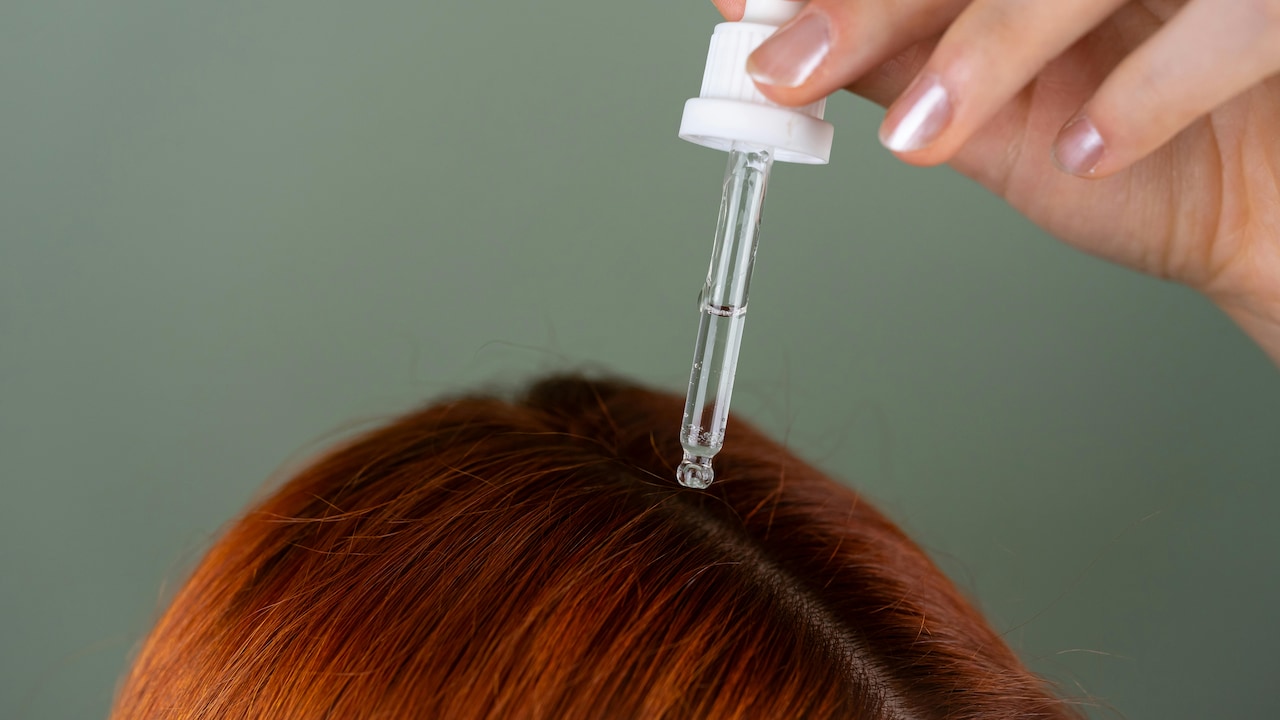
Why Hair Oil Causes Pimples On Forehead And How To Prevent Breakouts Naturally.
Hair oil carries nostalgia. The smell of coconut oil warming under the sun. The comfort of a head massage after a long week. The belief that thicker, shinier hair starts at the roots. Yet the mirror sometimes tells a different story. A smooth forehead suddenly develops small bumps. Angry red spots appear near the hairline. Confidence dips before a family function or office meeting.

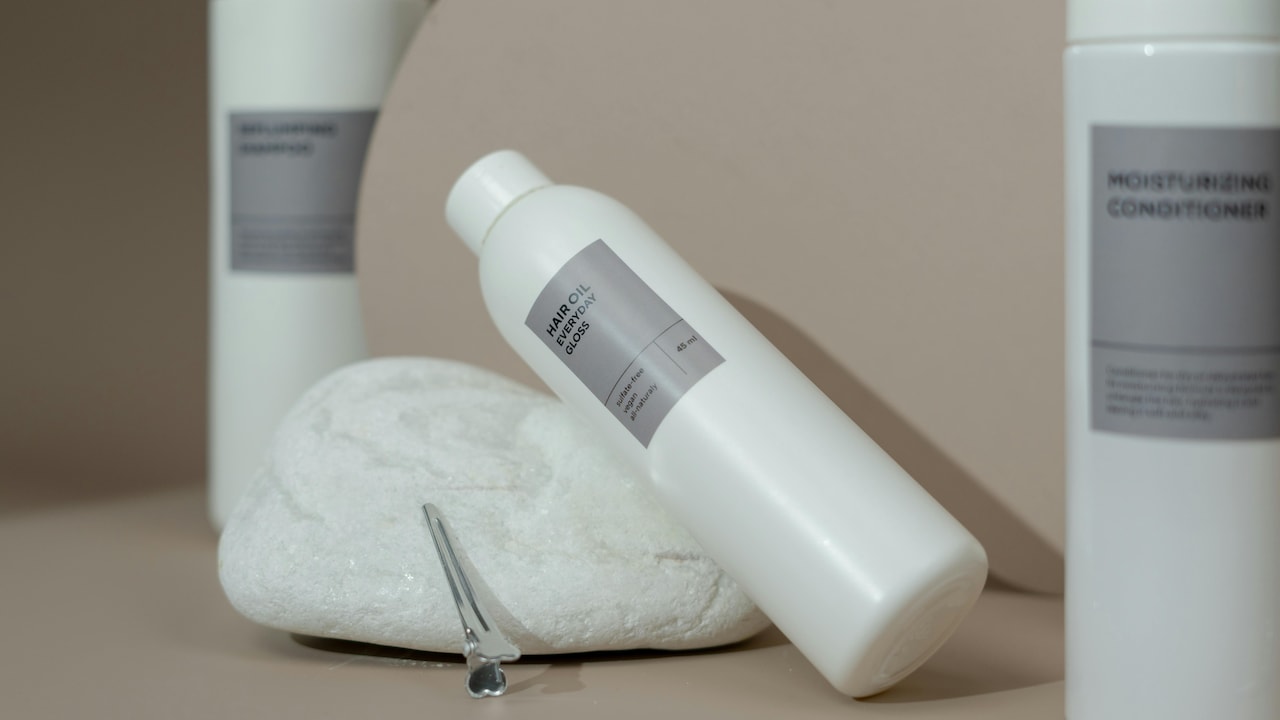
Here's everything you need to know about the connection between hair oils and forehead pimples; Photo Credit: Pexels
The connection between hair oil and forehead pimples often surprises people. After all, oil nourishes hair, so how can it harm skin? The answer lies in skin type, ingredients, application habits, and daily routines. Forehead skin sits right next to the scalp, which means it bears the brunt of heavy oils, sweat, and residue. When pores clog, breakouts follow.
Understanding the cause makes prevention simple. There is no need to abandon oiling altogether. A few mindful tweaks can protect the skin without sacrificing healthy hair.
Also Read: Hair Oils for Weekly Nourishment and Stronger, Healthier Tresses
Understanding The Link Between Hair Oil And Breakouts
Comedogenic Ingredients Block Pores
Not all oils behave the same way on skin. Some oils rank high on the comedogenic scale, which measures how likely an ingredient clogs pores. Thick oils such as coconut oil can feel nourishing on the scalp but sit heavily on the forehead. When oil spreads beyond the hairline, it mixes with dead skin cells and blocks pores.
Blocked pores trap sebum and bacteria. The result often shows up as whiteheads or inflamed pimples near the temples and upper forehead. Many people massage oil generously and let it drip down the sides of the face without noticing. During warm weather, sweat worsens the situation.
Choosing lighter oils such as argan or grapeseed oil can reduce this risk. Reading ingredient labels also helps. Products that contain mineral oil, artificial fragrances, or heavy silicones often aggravate acne-prone skin. Switching to non-comedogenic oils gives hair the care it needs without punishing the skin.
Excess Oil Transfers From Hair To Skin
Hair rarely stays in one place. It brushes against the forehead while walking, travelling in crowded metros, or even sleeping. When hair carries oil, it transfers that oil directly onto the skin. This constant contact creates a greasy layer across the forehead.
Throughout the day, dust and pollution cling to that layer. City air contains fine particles that settle easily on oily surfaces. The mixture of oil, dirt, and sweat creates an ideal breeding ground for acne-causing bacteria. The forehead suffers first because it sits closest to the scalp.
Tying hair away from the face after oiling makes a significant difference. A loose braid or bun prevents strands from touching the skin. Washing off excess oil before stepping outside also reduces transfer. Small habits like these protect the forehead without disrupting a regular oiling routine.
Overnight Oiling Without Proper Cleansing
Many people swear by overnight oiling. Applying oil before bed feels convenient and traditional. However, problems arise when cleansing does not follow properly. Oil that stays on the scalp for long hours seeps onto pillows and then back onto the face.
During sleep, the body produces sweat. The forehead presses against fabric that may already carry oil residue. This contact blocks pores and encourages breakouts by morning. Skipping a thorough shampoo the next day compounds the issue.
A better approach involves limiting oiling time to a few hours before washing. If overnight oiling feels necessary, protect the pillow with a clean towel and wash hair thoroughly the next morning. Double cleansing the forehead with a gentle face wash removes lingering oil and prevents clogged pores.
Heavy Application Along The Hairline
The hairline often receives extra attention during oiling. Many people focus on edges to promote growth or control dryness. Unfortunately, this area connects directly to the forehead skin. Excess oil easily trickles down, especially in humid weather.
When oil pools along the hairline, it blocks tiny pores that already produce sebum. The skin there tends to feel oilier than other parts of the face. Adding more oil overwhelms it. Small, uniform bumps usually appear first. If ignored, they turn red and inflamed.
Applying oil sparingly along the edges solves much of the problem. Using a dropper instead of pouring oil directly from the bottle provides better control. After a massage, wiping the hairline gently with a soft cloth removes excess product. Precision prevents pimples without reducing hair benefits.
Sweat And Humidity Make Things Worse
Hot weather plays a major role in forehead acne. During the summer months, sweat production increases. Sweat mixes with hair oil and spreads quickly across the upper face. Humidity prevents evaporation, so the mixture stays trapped on the skin longer.
This environment encourages bacterial growth. It also weakens the skin barrier, making pores more vulnerable to blockage. People who commute daily or spend time outdoors often notice flare-ups after oiling during peak heat.
Adjusting oiling frequency according to the season helps. During very humid weeks, oiling once a week instead of twice can reduce breakouts. Washing the forehead gently after coming home from outside also removes sweat and oil build-up. Seasonal awareness keeps skin calm and balanced.

Excess sweat production can mix with sweat and hair oil and spread quickly across the upper face; Photo Credit: Pexels
Using Hair Products With Harsh Additives
Some hair oils promise faster growth, dandruff control, or instant shine. To achieve these claims, brands sometimes add synthetic fragrances, artificial colours, or preservatives. These additives may irritate sensitive skin.
When irritated skin reacts, it produces more oil as a defence mechanism. Increased oil leads to clogged pores. The forehead often reacts first because it stays closest to the scalp. Itching or mild redness near the hairline often signals sensitivity to a product.
Opting for simpler formulations with fewer ingredients reduces this risk. Cold-pressed oils with minimal processing usually cause fewer reactions. Conducting a patch test behind the ear before full application prevents unpleasant surprises. Gentle products create harmony between scalp and skin.
Infrequent Shampooing After Oiling
Oil treatment demands proper washing. Some people avoid shampooing thoroughly because they fear dryness or hair fall. However, incomplete washing leaves residue behind. That residue slowly migrates to the forehead over the next day or two.
A greasy scalp also produces more sebum to balance the heavy oil layer. This excess oil spreads to the surrounding skin. As a result, pimples appear even days after oiling. The connection often goes unnoticed.
Using a mild, sulphate-free shampoo twice during wash day removes oil effectively without stripping the scalp. Following up with a lightweight conditioner only on the hair lengths keeps the scalp clean. Clean roots prevent oil from travelling to the forehead and causing breakouts.
Touching Oily Hair Frequently
Habits often sabotage skincare efforts. After oiling, many people touch their hair repeatedly to check the texture or smooth flyaways. Hands then move to the face absentmindedly. This transfers oil and bacteria directly onto the forehead.
Public transport, office desks, and mobile phones carry germs. When hands combine these germs with oil from hair, pimples find the perfect opportunity to develop. The forehead receives constant contact, making it especially vulnerable.
Being mindful of hand-to-face contact reduces breakouts significantly. Washing hands after oil application also helps. Simple awareness often proves more powerful than expensive treatments. Discipline in daily habits protects the skin effectively.
Wrong Pillowcases And Towels
Fabric matters more than expected. Pillowcases absorb oil from hair during sleep. If not washed regularly, they accumulate residue. Each night, the forehead presses against that surface, reintroducing oil and bacteria.
Cotton pillowcases tend to soak up oil, but can hold onto it if not cleaned often. Changing pillowcases twice a week reduces this build-up. Using separate towels for hair and face also prevents cross-contamination.
Small hygiene practices make a visible difference. Clear skin often depends on consistency rather than costly products. Clean fabrics create a safer environment for both the scalp and the forehead.
Ignoring Skincare After Oiling
Haircare and skincare often operate in separate routines. Many focus on nourishing hair but neglect cleansing the surrounding skin. After oiling, the forehead requires extra attention. Without cleansing, oil residue lingers around the hairline.
A gentle foaming cleanser removes excess oil without drying the skin. Following up with a lightweight, non-comedogenic moisturiser maintains balance. Some people skip moisturiser, fearing more oil. However, dehydrated skin produces extra sebum, which worsens acne.
Including the forehead in post-oiling care completes the routine. When hair receives nourishment, and skin receives cleansing, both thrive. Balanced care prevents pimples while preserving the joy of oiling.
Products Related To This Article
1. Mamaearth Rosemary Hair Growth Oil with Methi Dana for Promoting Hair Growth
2. Dabur 100% Natural Cold Pressed Castor Oil To Promote Hair Growth & Shine
3. BRILLARE 20% Onion Hair Oil for Hair Fall Reduction | Visible Reduction in 15 Days
4. Parachute Advanced Bhringraj & Hibiscus Enriched Coconut Hair Oil
5. Donnara Organics Zafran Hair Oil For Repair Damage
Hair oil does not deserve blame on its own. It supports scalp health, strengthens strands, and carries comforting tradition. Problems arise when application, climate, hygiene, and product choices clash with skin type. The forehead simply reacts to excess oil, clogged pores, and neglected cleansing.
Clear skin and healthy hair can coexist. Choosing lighter oils, applying them carefully, adjusting habits during humid weather, and maintaining clean fabrics make a world of difference. Breakouts often reflect routine rather than fate.
A thoughtful approach transforms oiling from a trigger into a treat. With a few mindful tweaks, the mirror reflects smooth skin and glossy hair together. That balance feels far more satisfying than giving up oil altogether.
(Disclaimer: This article may include references to or features of products and services made available through affiliate marketing campaigns. NDTV Convergence Limited (“NDTV”) strives to maintain editorial independence while participating in such campaigns. NDTV does not assume responsibility for the performance or claims of any featured products or services.)