Sheet Masks vs Cream Masks: Which Actually Penetrates Better In The Skin?
Sheet masks promise instant glow, while cream masks focus on deeper nourishment. But which one actually penetrates better? A closer look at how these popular skincare choices really work.
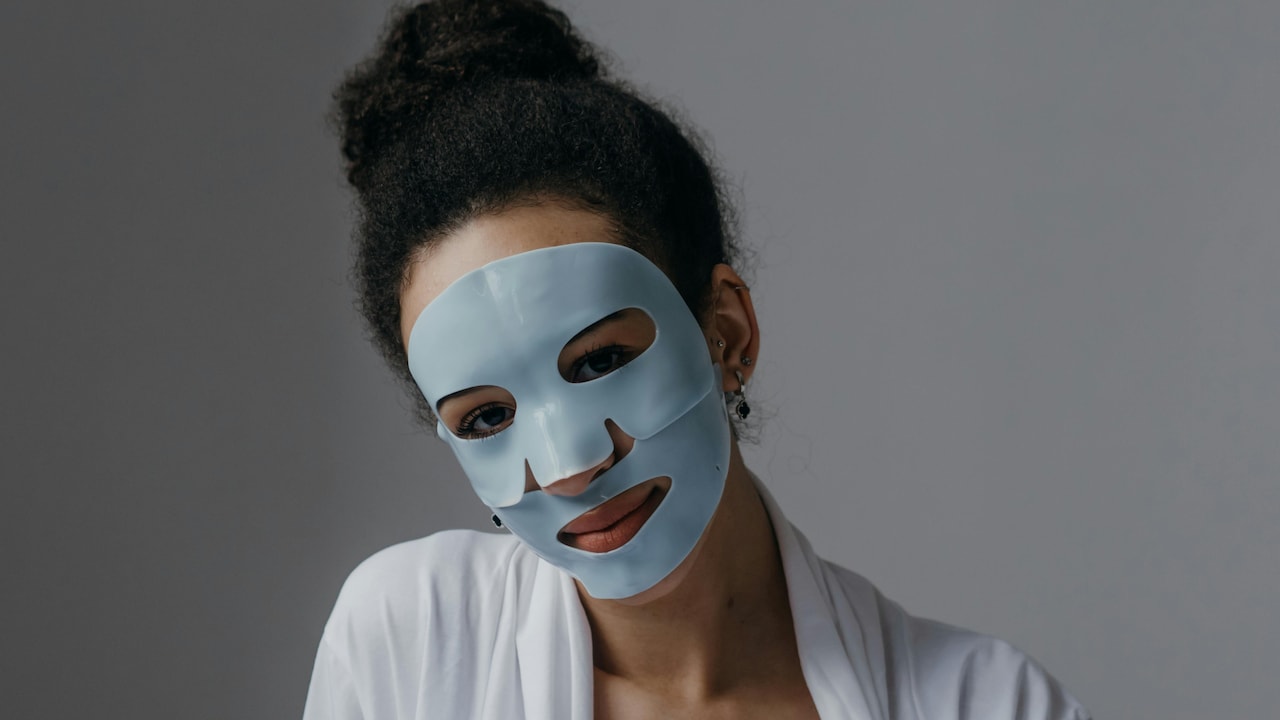
Sheet Masks Vs Cream Masks: The Truth About Hydration And Skin Absorption.
Walk into any beauty store or scroll through a skincare reel, and masks appear everywhere, folded into sachets, packed in tubs, promising glass-like radiance in minutes. Sheet masks feel indulgent and fuss-free, while cream masks evoke the comfort of old-school skincare rituals. Both claim to nourish, hydrate, and rejuvenate, yet a quiet debate continues: which one actually penetrates the skin better?
The answer isn't as straightforward as marketing labels suggest. Skin isn't a sponge that absorbs everything poured onto it. It's selective, protective, and occasionally stubborn. Understanding how different masks interact with this barrier can help make smarter choices, especially when budgets range from ₹100 impulse buys to ₹2,500 splurges.
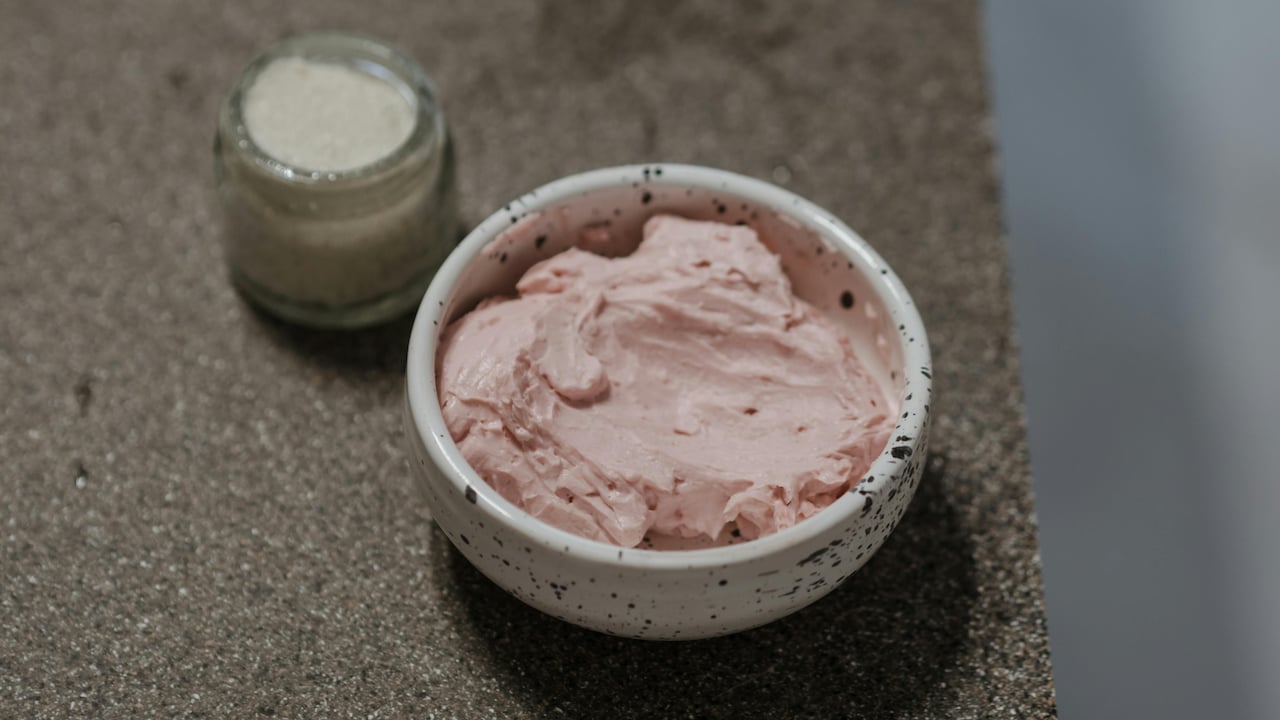
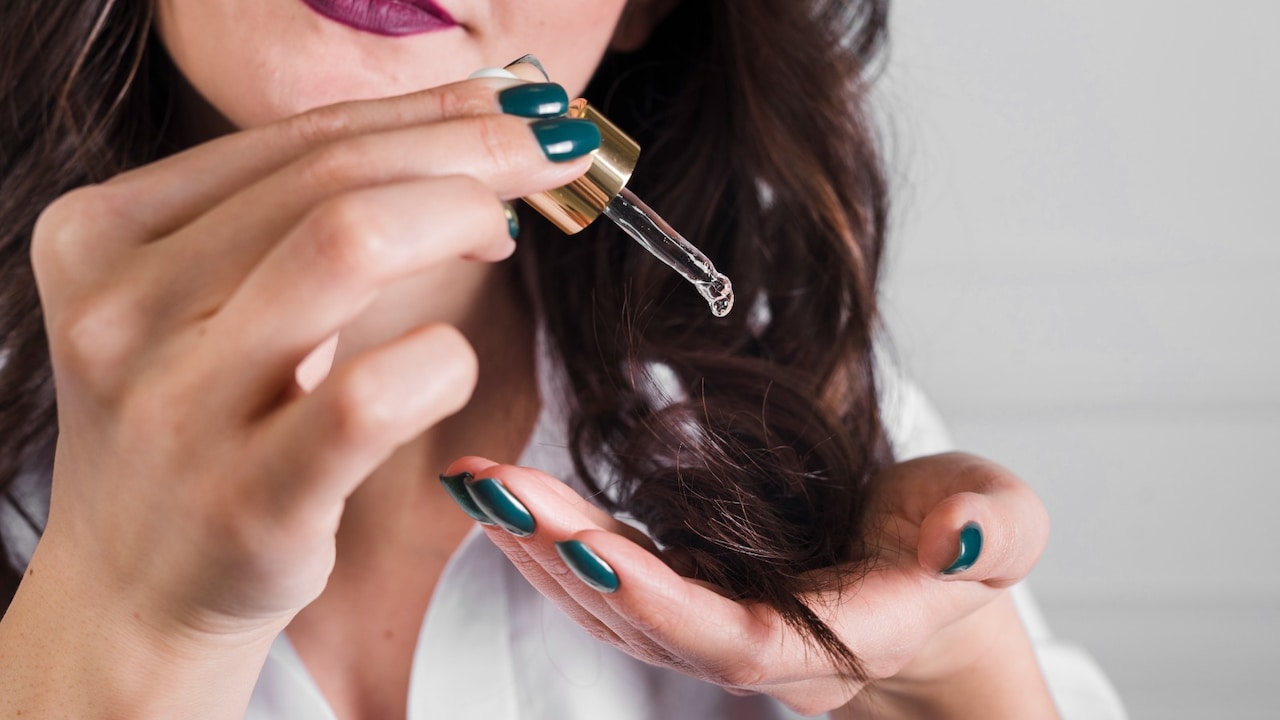
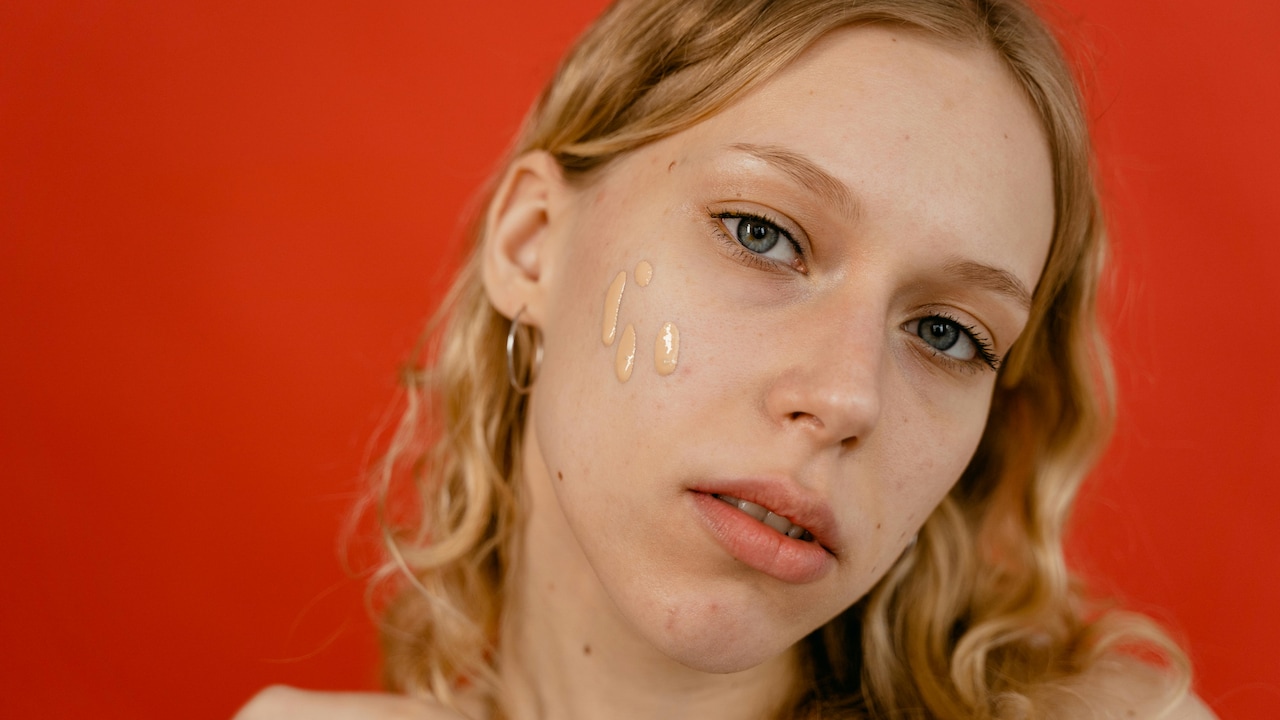
Sheet Masks vs Cream Masks: Which Actually Penetrates Better?; Photo Credit: Pexels
The Core Differences Between Sheet Masks And Cream Masks
The Science Of Skin Absorption
Skin often gets treated like a thirsty surface waiting to drink up products. In reality, it behaves more like a guarded gatekeeper. The outermost layer, the stratum corneum, controls what enters and what stays out. Only small, well-formulated molecules manage to pass through.
Sheet masks and cream masks both rely on this same barrier. The difference lies in how they deliver active ingredients. Sheet masks sit like a soaked fabric layer on the face, while cream masks spread as a thicker, occlusive layer.
Penetration depends less on format and more on ingredients, molecular size, and how long they remain in contact with the skin. A ₹200 mask with poorly formulated actives won't outperform a ₹500 cream mask with effective delivery systems. The magic lies in formulation, not just texture.
The Occlusion Effect Explained
Sheet masks often get praised for their “lock-in” effect, and there's some truth to that. When a sheet mask covers the face, it reduces evaporation. This creates a humid microenvironment, which can temporarily increase skin permeability.
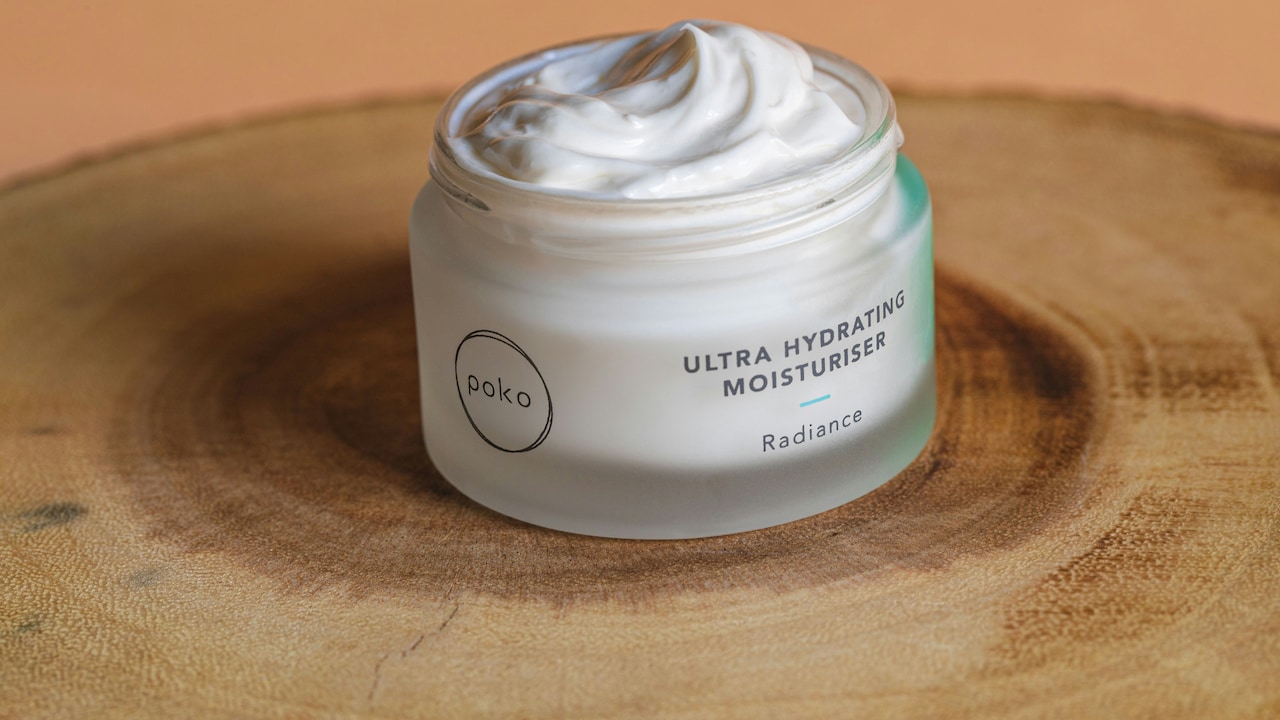
Cream masks, however, achieve a similar, sometimes stronger, effect through occlusion. Rich creams form a barrier that traps moisture and pushes ingredients closer to the skin. Think of it like wrapping food to keep it fresh; cream masks do something similar for hydration.
Interestingly, cream masks can outperform sheet masks in this aspect because they don't dry out as quickly. A sheet mask starts losing moisture after 15–20 minutes, while a cream mask continues working for longer.
Also Read: Affordable Sheet Masks Under ₹600 That Hydrate Skin In Minutes
Ingredient Concentration Matters More Than Format
Many assume sheet masks contain higher concentrations of active ingredients. That's not always accurate. Much of the liquid in sheet masks is essence, a lightweight formulation with diluted actives.
Cream masks, on the other hand, often pack richer formulations. Ingredients like ceramides, peptides, and oils appear in higher concentrations. These components support the skin barrier and enhance long-term benefits.
Consider two products priced around ₹300. A sheet mask might deliver a quick hydration boost, while a cream mask in the same range could provide deeper nourishment over time. The difference becomes clear with consistent use.
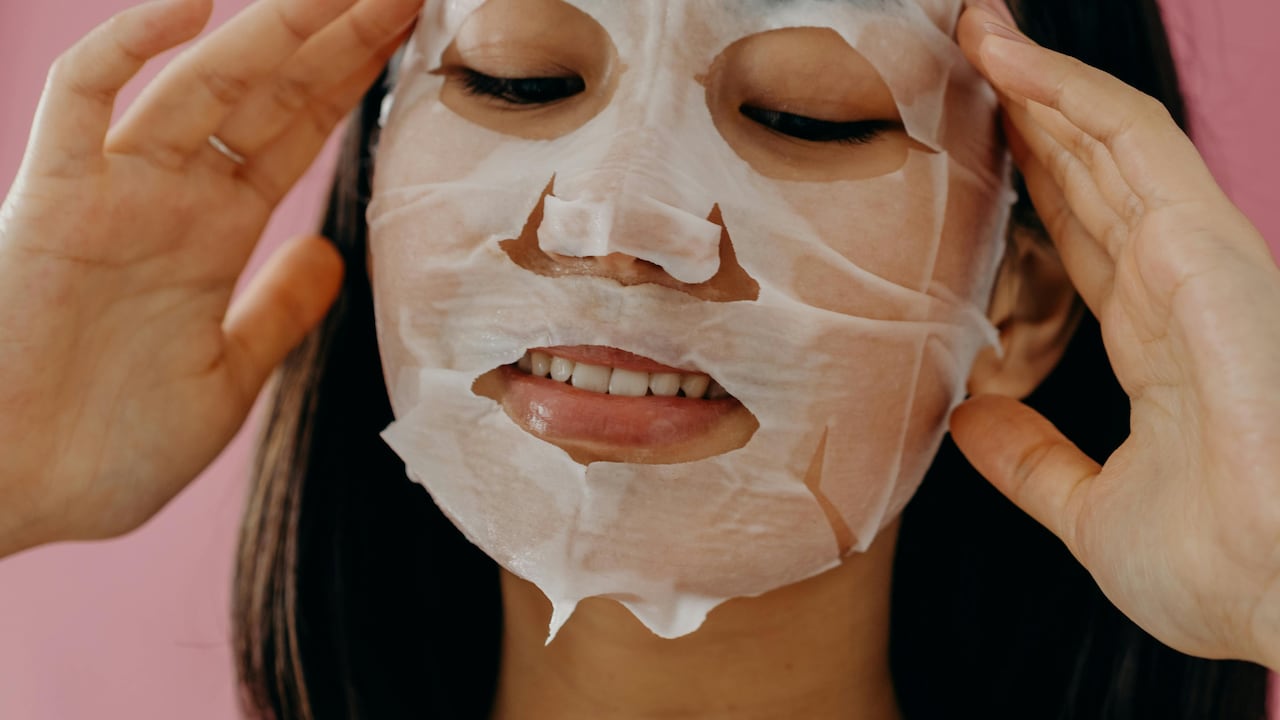
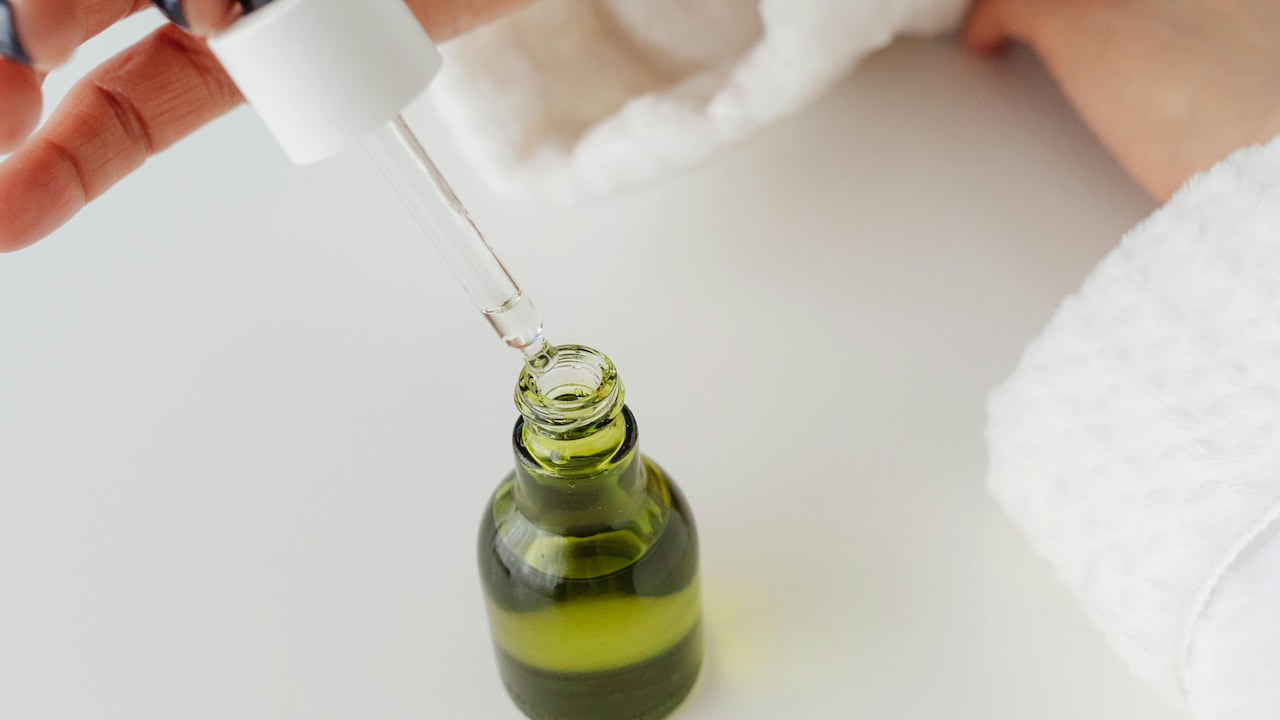
Sheet Masks vs Cream Masks: Which Actually Penetrates Better?; Photo Credit: Pexels
Time On Skin And Its Impact
Duration plays a crucial role in absorption. Sheet masks typically stay on the face for 15–20 minutes. After that, they begin to dry, and prolonged use may even pull moisture back from the skin.
Cream masks allow flexibility. Some work in 10 minutes, while others double as overnight treatments. This extended contact time gives ingredients more opportunity to interact with the skin.
The longer a well-formulated product remains on the skin without drying, the better the chances of effective absorption. In this sense, cream masks often hold an advantage.
Hydration Vs Nourishment
Sheet masks excel at delivering instant hydration. They flood the skin with water-based ingredients like hyaluronic acid and glycerin. The result? Plump, dewy skin that looks refreshed almost immediately.
Cream masks go deeper into nourishment. They often contain oils, butters, and barrier-repair ingredients. These help strengthen the skin and prevent moisture loss over time.
Hydration feels good instantly, but nourishment builds resilience. Both have value, but they serve different purposes. One offers a quick glow; the other supports lasting skin health.
Convenience And User Experience
Sheet masks win in convenience. Tear open a packet, unfold, and apply, no mess, no fuss. Perfect for travel or those evenings when energy runs low after a long commute.
Cream masks require a bit more effort. Application, waiting, rinsing, it's a process. Yet, that ritual can feel grounding. A quiet 20 minutes with a cup of chai and a cooling mask can become a small act of self-care.
Convenience doesn't influence penetration directly, but it affects consistency. A product used regularly will always outperform one that sits unused.
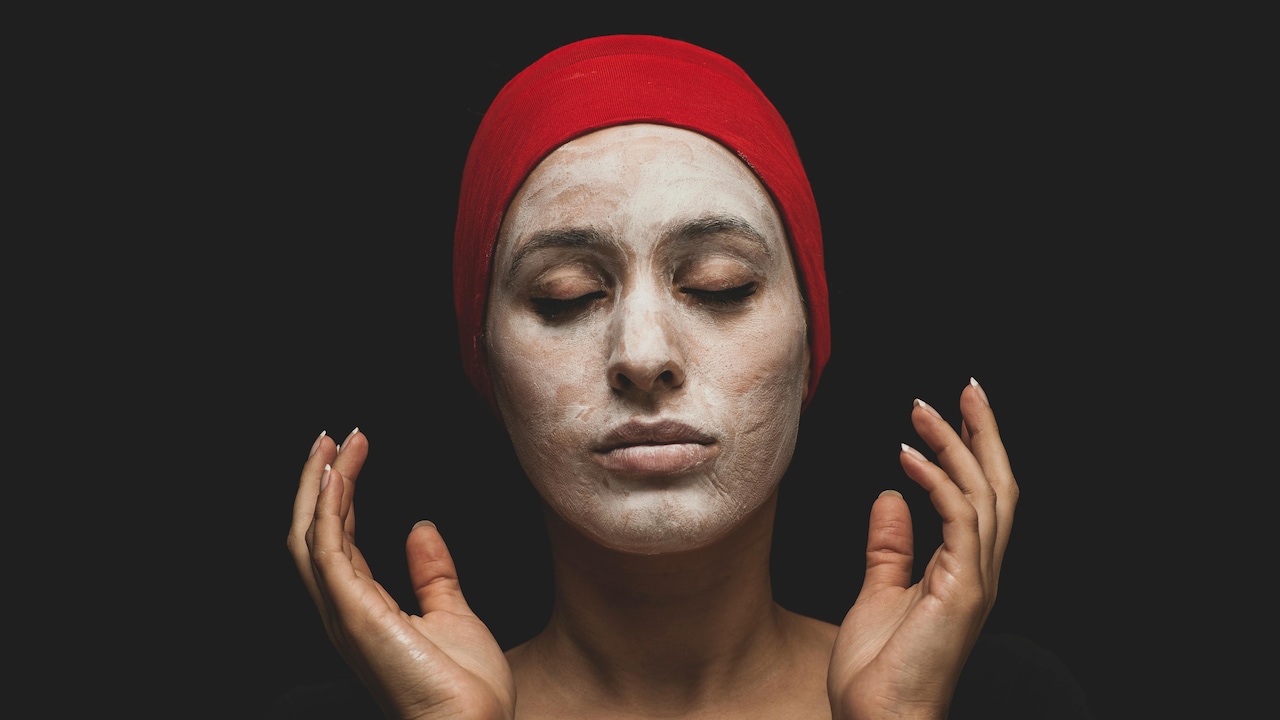
Sheet Masks vs Cream Masks: Which Actually Penetrates Better?; Photo Credit: Pexels
Environmental And Practical Considerations
Sheet masks generate more waste. Each use involves packaging and a disposable sheet. Over time, this adds up, both environmentally and financially.
Cream masks offer better value. A ₹800 jar might last for 15–20 uses, while sheet masks at ₹150 each can quickly become expensive habits.
Practicality also matters. Cream masks allow customisation, apply a thicker layer on dry areas or skip sensitive spots. Sheet masks don't offer that flexibility.
Skin Type Compatibility
Oily skin often prefers sheet masks. Their lightweight nature feels refreshing and less greasy. They deliver hydration without overwhelming the skin.
Dry or mature skin benefits more from cream masks. The richer formulations help repair the skin barrier and reduce moisture loss.
Sensitive skin sits somewhere in between. Sheet masks can soothe, but fragrances or preservatives may irritate. Cream masks designed for sensitive skin often provide more controlled, gentle nourishment.
The Myth Of Instant Results
The glow after a sheet mask often feels dramatic. Skin appears brighter, smoother, and more hydrated. But much of this effect is temporary.
Cream masks work more subtly. Their benefits build over time. Improved texture, reduced dryness, and stronger skin barriers become noticeable with regular use.
Chasing instant results can be tempting, especially before a wedding or festive event. But long-term skin health depends on consistency, not quick fixes.
So, Which One Penetrates Better?
The honest answer may surprise many. Neither sheet masks nor cream masks inherently penetrate better. Penetration depends on formulation, ingredients, and usage.
That said, cream masks often edge ahead due to longer contact time, richer formulations, and stronger occlusive properties. Sheet masks deliver hydration efficiently but don't always sustain it.
Choosing between them depends on goals. For quick hydration and convenience, sheet masks work beautifully. For deeper nourishment and long-term benefits, cream masks hold the advantage.
Products Related To This Article
1. G LOOK Bio Collagen Deep Moisture Sleeping Mask – Night Repair Care (34 ml)
2. Dermatouch Oil-Free Moisturiser Lightweight Hydration | Non-Greasy Daily Moisture Care | (30 g)
3. GARNIER Skin Naturals, Sheet Mask, Hydrating & Increases Glow, Sakura Glow (28 g)
4. Pilgrim Korean Rice Water Hydra Glow Moisturizer|Light Gel & Instant Glass Skin Glow (100 g)
5. Lakmé Blush & Glow Strawberry Sheet Mask|| 25 ml
The debate between sheet masks and cream masks isn't about declaring a winner. It's about understanding what each brings to the table. One offers instant gratification, the other builds lasting results.
Skincare doesn't follow a one-size-fits-all rule. Some evenings call for a quick sheet mask before stepping out, while others invite a slow, comforting cream mask routine. The real secret lies in balance, knowing when to indulge and when to invest in deeper care.
In the end, the skin rewards consistency, not trends. Whether it's a ₹120 sheet mask picked up on a whim or a ₹1,200 cream mask chosen carefully, what matters is how thoughtfully it fits into a routine.
(Disclaimer: This article may include references to or features of products and services made available through affiliate marketing campaigns. NDTV Convergence Limited (“NDTV”) strives to maintain editorial independence while participating in such campaigns. NDTV does not assume responsibility for the performance or claims of any featured products or services.)