Do Gel Moisturisers Actually Hydrate Oily Skin Or Just Sit On The Surface Layer?
Gel moisturisers feel light and refreshing, but do they truly hydrate oily skin or just sit on the surface? A closer look at how they work, what they contain, and whether they deliver lasting results.
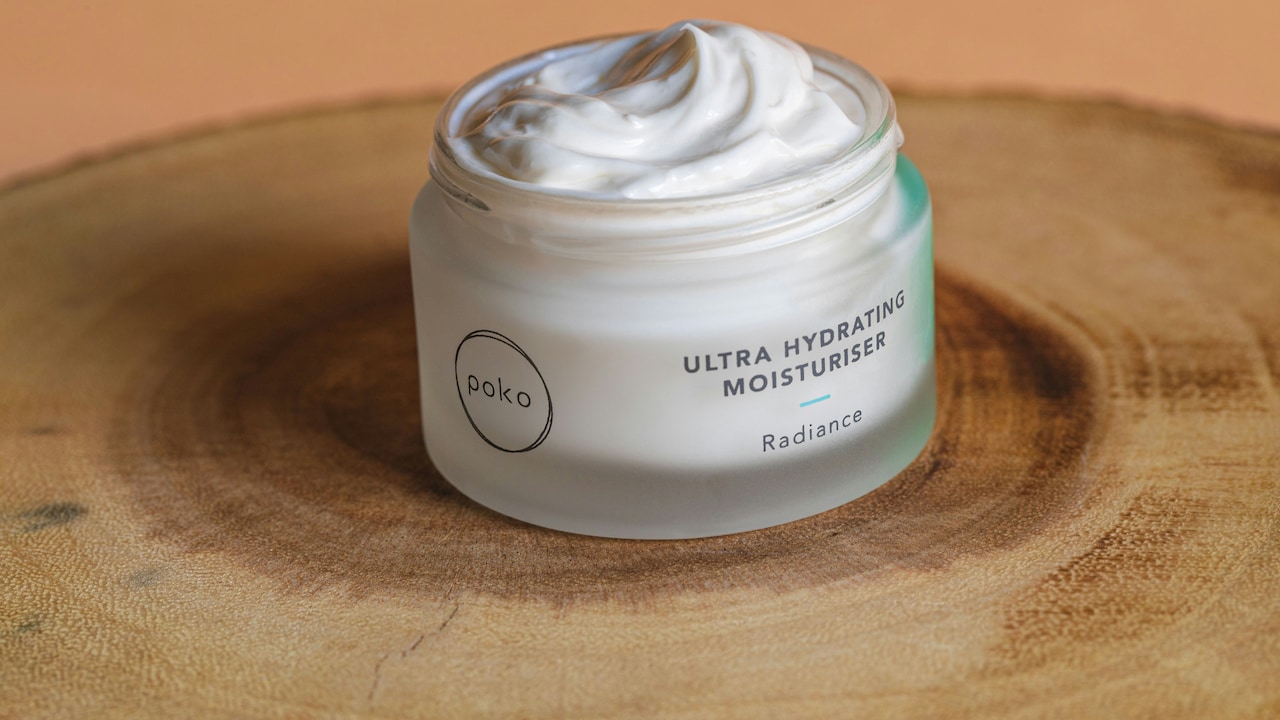
Are Gel Moisturisers Enough For Oily Skin? The Truth About Hydration And Absorption.
Oily skin often feels like a paradox. On one hand, there is constant shine, unexpected breakouts, and that midday urge to blot. On the other hand, there is a surprising tightness after cleansing, a subtle reminder that oil does not equal hydration. This confusion has led many to gel moisturisers, those translucent, jelly-like products that claim to hydrate without heaviness.
Walk into any chemist or scroll through skincare apps, and gel formulas dominate skincare recommendations for oily skin. They look refreshing, feel cool, and absorb quickly. But beneath that pleasant sensory experience lies a pressing question: do they genuinely hydrate the skin, or simply create the illusion of moisture?
Understanding how gel moisturisers work requires more than a glance at marketing claims. It calls for a closer look at ingredients, skin behaviour, climate, and even daily habits. This article explores whether gel moisturisers truly deliver hydration or merely skim the surface, leaving skin wanting more.
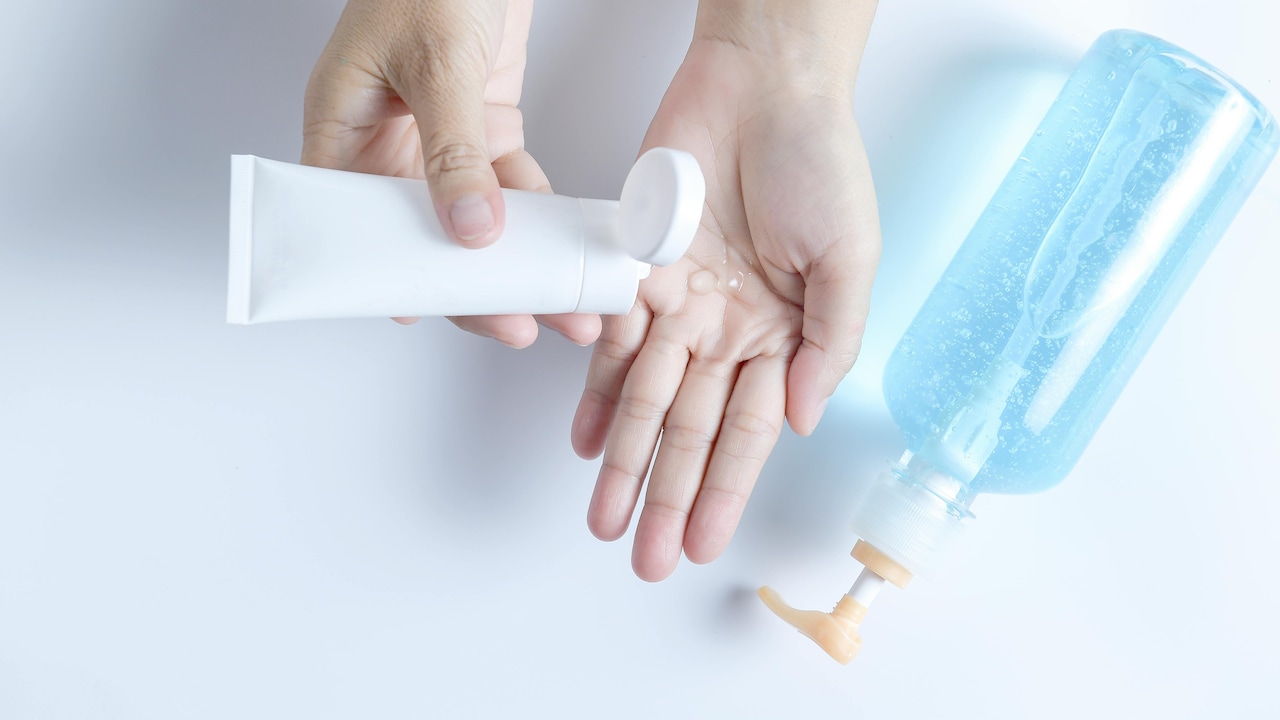
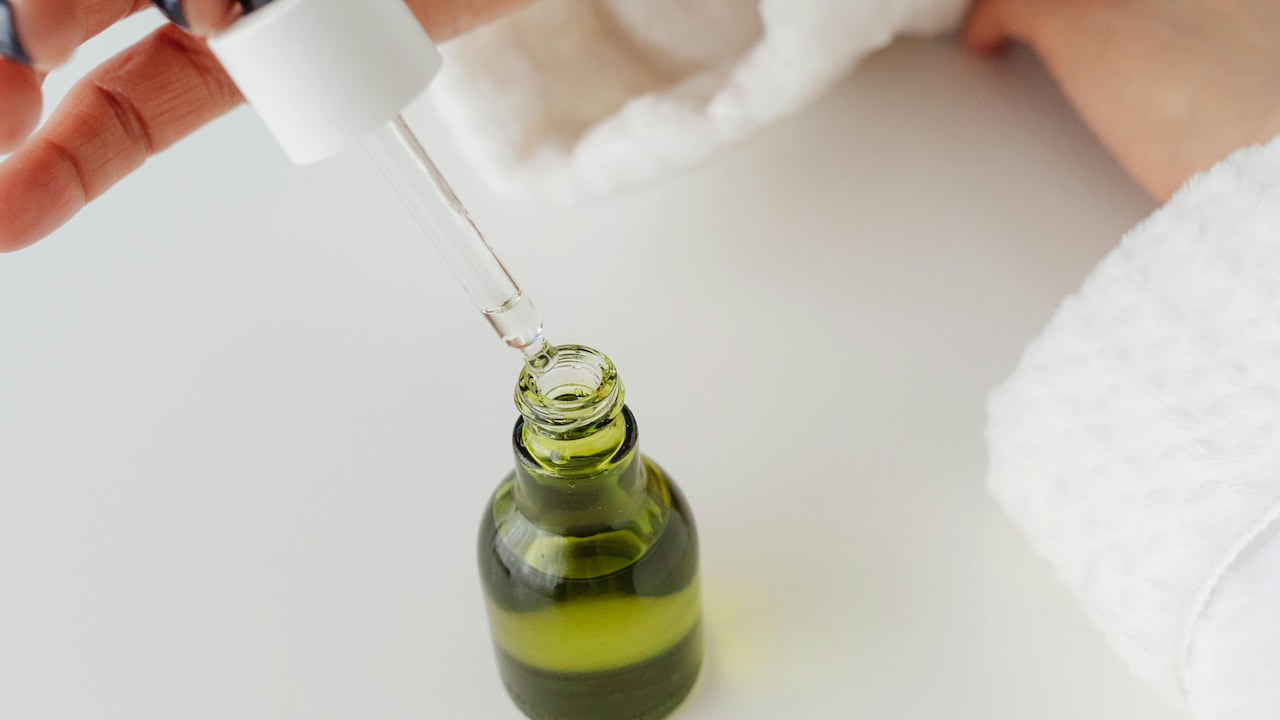
Do Gel Moisturisers Really Hydrate Oily Skin Or Just Sit On The Surface?; Photo Credit: Pexels
Understanding How Gel Moisturisers Interact With Oily Skin
What Makes Gel Moisturisers Different From Creams
Gel moisturisers stand apart mainly due to their texture and formulation. Unlike traditional creams, which rely heavily on oils and emollients, gels are water-based. They feel light, almost weightless, and often vanish into the skin within seconds.
This quick absorption gives the impression that the product has penetrated deeply. However, the real difference lies in how gels interact with the skin barrier. Creams form a protective layer that locks in moisture, while gels focus more on delivering hydration through water-binding ingredients.
For oily skin, this difference feels like relief. Heavy creams can clog pores or leave a sticky residue, especially in humid weather. Gel moisturisers avoid this discomfort, making them popular choices during long, sweaty days or crowded commutes.
Yet, the absence of heavier ingredients raises a concern. Without that protective barrier, does the moisture stay locked in, or does it evaporate quickly? This question sits at the heart of the gel moisturiser debate.
The Science Of Hydration Versus Moisturisation
Hydration and moisturisation often get used interchangeably, but they are not the same. Hydration refers to adding water to the skin, while moisturisation involves sealing that water in.
Gel moisturisers excel at hydration. They typically contain humectants like glycerine or hyaluronic acid, which attract water from the environment or deeper layers of skin. This gives the skin a plump, refreshed appearance.
However, without occlusive ingredients to trap that moisture, the hydration may not last long. In dry indoor environments or air-conditioned spaces, water can escape quickly, leaving the skin feeling tight again.
This is where confusion arises. Skin may feel hydrated immediately after application, but that effect might not sustain throughout the day. For oily skin, this cycle can lead to increased oil production as the skin tries to compensate for lost moisture.
Understanding this balance helps explain why some people swear by gel moisturisers, while others feel they do not deliver lasting results.
Also Read: Best Gel-Based Moisturisers for Oily and Acne-Prone Skin Under ₹800
Why Oily Skin Still Needs Hydration
It is tempting to skip moisturiser altogether when dealing with oily skin. The logic seems simple: if the skin already produces excess oil, why add more product?
However, oil and water serve different purposes. Oil protects the skin, while water keeps it supple and healthy. When skin lacks hydration, it may produce even more oil to compensate, creating a frustrating cycle.
Gel moisturisers offer a middle ground. They provide hydration without adding extra oil, making them appealing for those who struggle with shine and breakouts.
Consider a typical day spent navigating crowded streets, warm weather, and pollution. The skin loses moisture through sweat and exposure, even if it appears oily. Without proper hydration, this imbalance can worsen skin issues over time.
In this context, gel moisturisers do more than sit on the surface. They address a fundamental need, though the effectiveness depends on how they are used.
Do Gel Moisturisers Penetrate Deeply Enough
One common criticism is that gel moisturisers remain on the surface, offering only temporary relief. This belief stems from their lightweight feel, which can be mistaken for superficial action.
In reality, many gel formulations include ingredients designed to penetrate the upper layers of the skin. Humectants draw water into these layers, improving texture and elasticity.
However, penetration does not mean permanence. Without additional support from occlusive agents, the benefits may not last as long as those from richer creams.
This does not make gel moisturisers ineffective. Instead, it highlights the importance of layering and timing. Applying a gel moisturiser on slightly damp skin can enhance absorption and prolong hydration.
The sensation of lightness should not be confused with a lack of effectiveness. Often, it simply reflects a different approach to skincare.
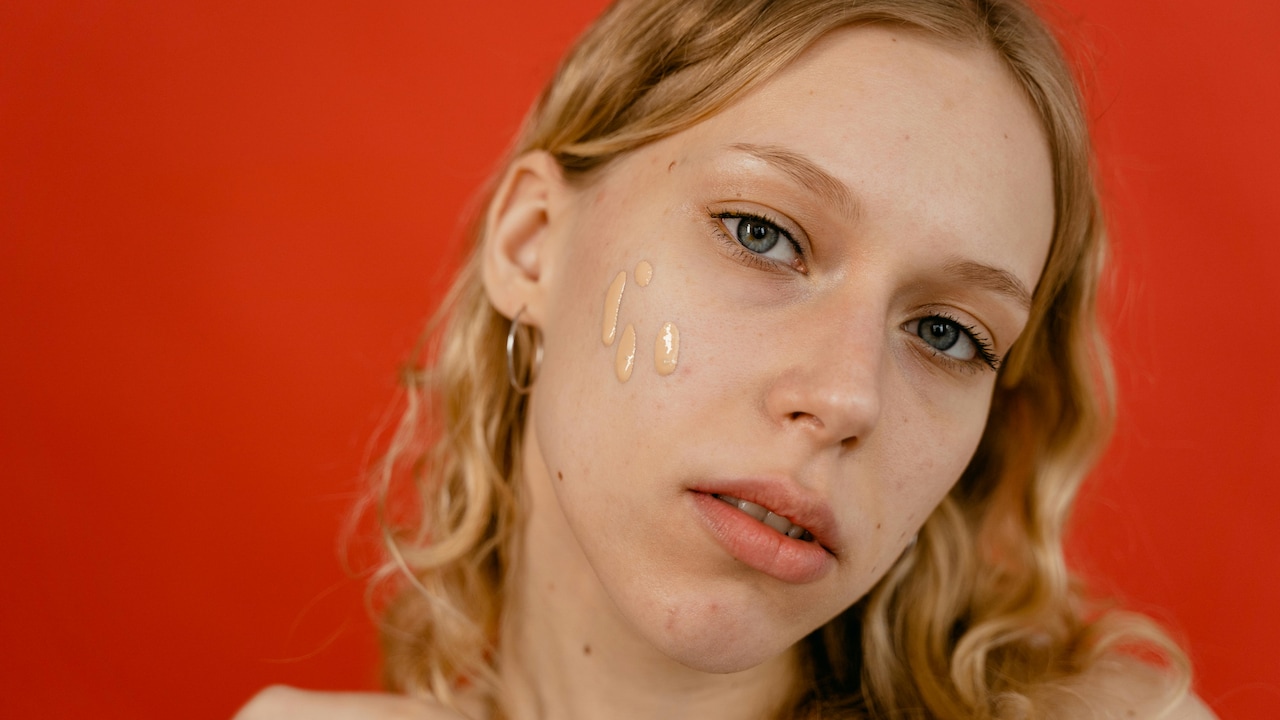
Do Gel Moisturisers Really Hydrate Oily Skin Or Just Sit On The Surface?; Photo Credit: Pexels
The Role Of Climate And Lifestyle
Climate plays a significant role in how gel moisturisers perform. In humid conditions, the air contains enough moisture for humectants to draw from, enhancing hydration.
In contrast, dry environments can limit their effectiveness. Air-conditioned offices, long hours indoors, and even seasonal changes can affect how well these products work.
Lifestyle habits also matter. Frequent face washing, exposure to pollution, and irregular skincare routines can strip the skin of moisture, making it harder for gel moisturisers to keep up.
For someone commuting daily or spending hours under harsh lighting, hydration needs may differ from those staying indoors. In such cases, relying solely on a gel moisturiser might not suffice.
Adapting skincare to suit both environment and routine ensures better results, rather than expecting one product to solve everything.
Ingredient Lists Tell The Real Story
A glance at the ingredient list reveals whether a gel moisturiser truly hydrates or simply feels refreshing. Key ingredients like hyaluronic acid, aloe vera, and glycerine indicate genuine hydration benefits.
Some formulations also include soothing agents like green tea or niacinamide, which help calm the skin and reduce excess oil production.
However, not all gels are created equal. Some rely heavily on fragrance or alcohol, which can give an instant cooling effect but may dry out the skin over time.
Choosing the right product becomes crucial. A well-formulated gel can deliver hydration effectively, while a poorly designed one might only create a temporary illusion of moisture.
Reading labels may not feel exciting, but it often makes the difference between glowing skin and ongoing frustration.
Can Gel Moisturisers Replace Creams Entirely
For many with oily skin, gel moisturisers feel like a complete solution. They are light, non-greasy, and easy to use. But can they fully replace traditional creams?
The answer depends on individual needs. During hot, humid months, gels may provide sufficient hydration. They feel comfortable and align with the skin's natural state.
However, during cooler weather or periods of dehydration, additional support might be necessary. Combining a gel moisturiser with a light serum or occasional use of a cream can help maintain balance.
Skincare rarely follows a one-size-fits-all approach. Flexibility often leads to better results than strict routines.
Rather than viewing gels and creams as opposites, it helps to see them as complementary tools, each serving a specific purpose.
Do Gel Moisturisers Really Hydrate Oily Skin Or Just Sit On The Surface?; Photo Credit: Pexels
The Psychological Appeal Of Lightweight Skincare
Beyond science, there is an emotional aspect to gel moisturisers. Their texture feels refreshing, almost like a splash of water on tired skin.
After a long day, applying a cooling gel can feel comforting, especially when the skin feels sticky or congested. This sensory experience often reinforces the belief that the product is working well.
However, comfort does not always equate to effectiveness. While gels provide immediate relief, their long-term impact depends on consistent use and proper formulation.
This emotional connection explains why many people remain loyal to gel moisturisers, even if results vary. Skincare is as much about experience as it is about results.
Finding a product that feels good while delivering benefits creates a more sustainable routine.
Common Mistakes When Using Gel Moisturisers
One of the biggest mistakes is applying gel moisturiser to completely dry skin. Without moisture to lock in, humectants have little to work with, reducing effectiveness.
Another common issue is using too little product. The lightweight texture can be misleading, leading to under-application.
Skipping sunscreen after moisturiser also affects results. Sun exposure can dehydrate the skin, counteracting the benefits of any product.
Over-cleansing is another factor. Stripping the skin repeatedly makes it harder for gel moisturisers to maintain hydration.
Small adjustments in routine can significantly improve how well these products perform, turning them from average to effective.
So, Do They Really Work Or Not
Gel moisturisers do hydrate oily skin, but their effectiveness depends on context. They deliver water-based hydration efficiently, especially in humid conditions and when used correctly.
However, they may not provide long-lasting moisture on their own. Without ingredients that seal hydration, the effects can fade quickly.
Rather than sitting idly on the surface, they interact with the skin in a meaningful way. The challenge lies in ensuring that hydration stays where it is needed.
Pairing them with the right routine, understanding environmental factors, and choosing well-formulated products can make all the difference.
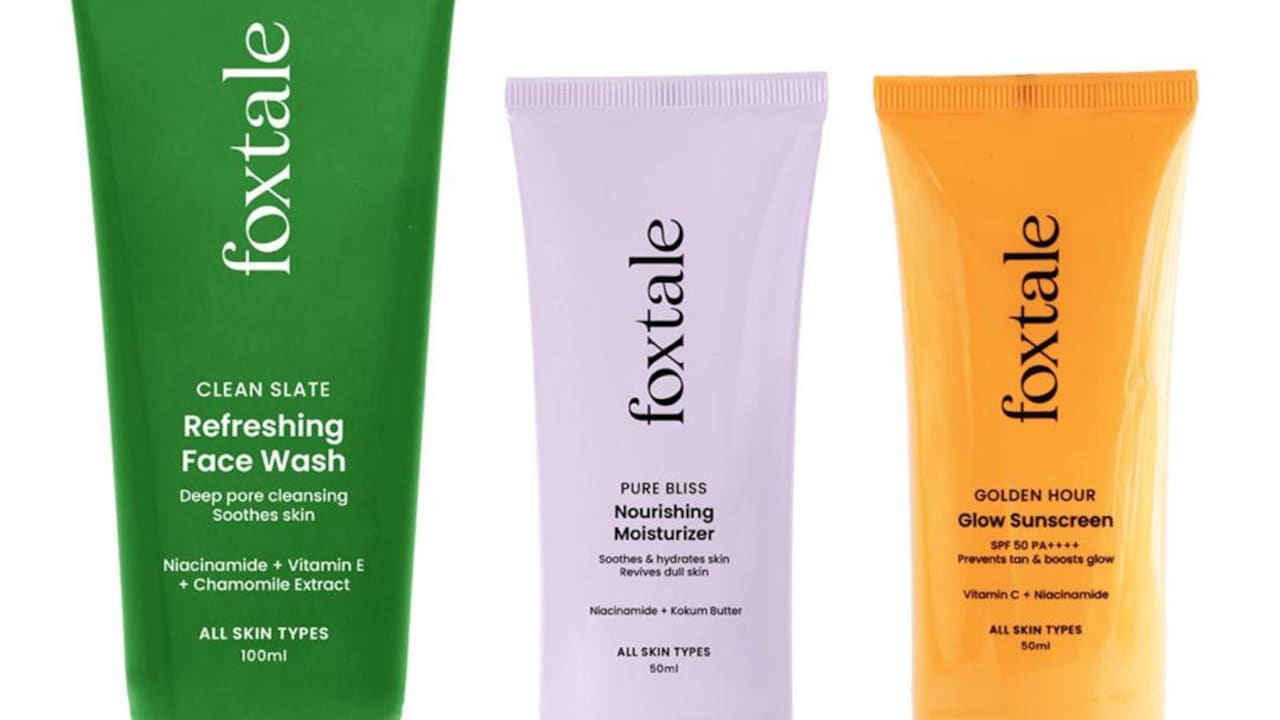
Products Related To This Article
1. Ponds Set of 2 Super Light Gel Oil Free Moisturiser With Hyaluronic Acid
2. Lakme Peach Gel Moisturiser 2%Pro Ceramide for Barrier Repair & Glowing Skin
3. Forest Essentials Hydrating Panchpushp Ayurvedic Lightweight Moisturiser Facial Gel
4. Natures Essence Nature's Essence Moisturising Aloe Beauty Gel
5. Forest Essentials Advanced Soundarya Age-Defying Facial Serum with 24K Gold
Gel moisturisers occupy a unique space in skincare. They offer a refreshing, lightweight alternative to heavier creams, making them especially appealing for oily skin.
They do not merely sit on the surface, nor do they always deliver deep, lasting hydration on their own. Their true value lies somewhere in between, providing essential hydration while requiring thoughtful use.
Understanding their strengths and limitations helps set realistic expectations. With the right approach, gel moisturisers can become reliable allies in managing oily skin, rather than fleeting solutions.
Skincare, after all, is less about chasing perfect products and more about understanding what the skin truly needs.
(Disclaimer: This article may include references to or features of products and services made available through affiliate marketing campaigns. NDTV Convergence Limited (“NDTV”) strives to maintain editorial independence while participating in such campaigns. NDTV does not assume responsibility for the performance or claims of any featured products or services.)