Should You Exfoliate Your Skin Every Day Or Just Twice A Week
Wondering if you should exfoliate daily or twice a week? Learn how often to exfoliate based on your skin type, exfoliant, and common mistakes to avoid.

Should You Exfoliate Your Skin Every Day Or Just Twice A Week
Skincare trends may change, but exfoliation remains a prominent topic in nearly every beauty routine. From those viral exfoliating toners to peeling solutions that kinda promise instant glow, it's easy to think that more exfoliation means better skin. Except is that really how it works? If you've been asking yourself, should you exfoliate every day or keep it to twice a week? You're definitely not alone. The real answer depends on a few things, like what kind of skin type you have, what exfoliant you're using (because the formula matters), and how your skin is doing overall. Let's learn how often to exfoliate, how to do it safely, and what to watch for if you're overdoing it or not doing it enough.

Learn whether daily or twice-weekly exfoliation works best for a glowing, healthy skin barrier; Photo Credit: iStock
Why Exfoliation Matters For Healthy Skin
Exfoliation sort of helps you lift away those dead skin cells that tend to stack up on the top layer of your skin. In a way, this whole thing can make your skin texture feel better, bring a brighter look to your complexion, help loosen and clear out pores, and let your serums and moisturisers sink in more effectively. Regular, moderate exfoliation can give you a smoother, healthier look.
Still, your skin already renews itself every few weeks, kind of on its own. Exfoliation is supposed to support that natural cycle, not take over for it. If you go too far, exfoliating can stress and weaken the skin barrier, so instead of looking refreshed, your skin might feel irritated.
Should You Exfoliate Every Day Or Twice A Week?
For most people, exfoliating one to three times a week seems to keep skin healthy. Exfoliating daily is usually only a good idea if you're using a really exceptionally gentle formula and your skin just seems to tolerate it well, you know. Even then, it's not totally necessary for everyone, so no pressure.
If you're going with stronger chemical exfoliants such as glycolic acid, lactic acid, or salicylic acid, then sticking to two or three times a week is generally the safer route. And rather than chasing trends, just watch what your skin is doing, then tweak your routine as needed accordingly.
How To Choose The Right Exfoliation Routine
Step 1: Identify Your Skin Type
Before deciding how often to exfoliate, determine whether your skin is oily, dry, combination, sensitive, or acne-prone. Dry, sensitive skin usually doesn't need exfoliation that often; you can go a little slower with it, while oily skin might handle slightly more frequent sessions, no problem.
Step 2: Pick The Right Type Of Exfoliant
Try to select an exfoliant that fits what your skin is doing. Physical scrubs remove dead skin by hand, but chemical exfoliants rely on ingredients such as AHAs, BHAs, or PHAs to gently dissolve those dead skin cells. Many dermatologists prefer mild chemical exfoliants due to their ability to provide more consistent results with less friction, which is the primary goal.
Step 3: Start Slowly
If you're adding exfoliation to your routine for the first time, begin with once a week. Give your skin enough time to adjust before increasing the frequency. This gradual approach helps minimise irritation and allows you to understand how your skin responds.
Step 4: Exfoliate At Night
Nighttime is usually the best time to exfoliate, because your skin goes into its natural repair mode while you're asleep. Exfoliating at night means less direct sunlight afterward, which can be annoying.
Step 5: Moisturise Immediately After
When you exfoliate, the skin is more open, so it really likes a bit of extra hydration soon after. Putting on a nourishing moisturiser right after exfoliation helps bring back moisture, supports the skin barrier, and makes dryness or irritation less likely, overall.
Step 6: Never Skip Sunscreen
Exfoliation can make your skin more sensitive to UV rays. Applying a broad-spectrum sunscreen with SPF 30 or higher every morning helps safeguard your skin from sun damage and also helps stop that post-inflammatory discolouration showing up later on.
Step 7: Avoid Mixing Too Many Active Ingredients
If you use exfoliating acids together with stronger compounds like retinol or benzoyl peroxide in the same routine, your skin might get overwhelmed and feel irritated. Unless a dermatologist explicitly tells you otherwise, keep things simple on the days you exfoliate, to minimise irritation.
Step 8: Listen To Your Skin
Your skin will usually tell you when something isn't working. If you notice excessive dryness, redness, peeling, or a burning sensation, reduce the frequency of exfoliation and allow your skin barrier time to recover before trying again.
Also Read: Top 5 Face Scrubs for Dead Skin Removal Under ₹1000
Signs You're Exfoliating Too Much
One of the biggest mistakes folks make is assuming that exfoliating often makes things faster, like somehow everything will just speed up. But in reality, over-exfoliation tends to bring along persistent redness, stinging sensations, unusual dryness, that weird tight feeling, and a lot more sensitivity overall. And some people may even get extra breakouts too, because a damaged skin barrier becomes less good at shielding the face from external irritants.
If you start noticing these signs, pause exfoliating for a few days. Then stick with a gentle cleanser and soothing, hydrating moisturisers, plus barrier-supporting ingredients, like ceramides or hyaluronic acid, until your skin feels normal and comfortable again.
How Often Should Different Skin Types Exfoliate?
There isn't one neat schedule that works for everyone because skin really doesn't act the same way from person to person. Oily skin often can handle exfoliation two to three times each week, but combination skin usually does well with exfoliation about twice weekly. Dry skin tends to like a slower approach, maybe exfoliating only once a week, while sensitive skin may need an even calmer routine, exfoliating once every seven to ten days. And if someone's skin is acne-prone, they might be fine exfoliating two or three times a week with the right salicylic acid-type products, as long as the skin actually tolerates it and not in a “push it anyway” way.
If you have things like rosacea, eczema, or stubborn acne, it's genuinely a beneficial idea to speak with a dermatologist first before you start adding exfoliating products into your skincare routine.

Expert tips on how often to safely exfoliate your skin without causing damage or redness; Photo Credit: iStock
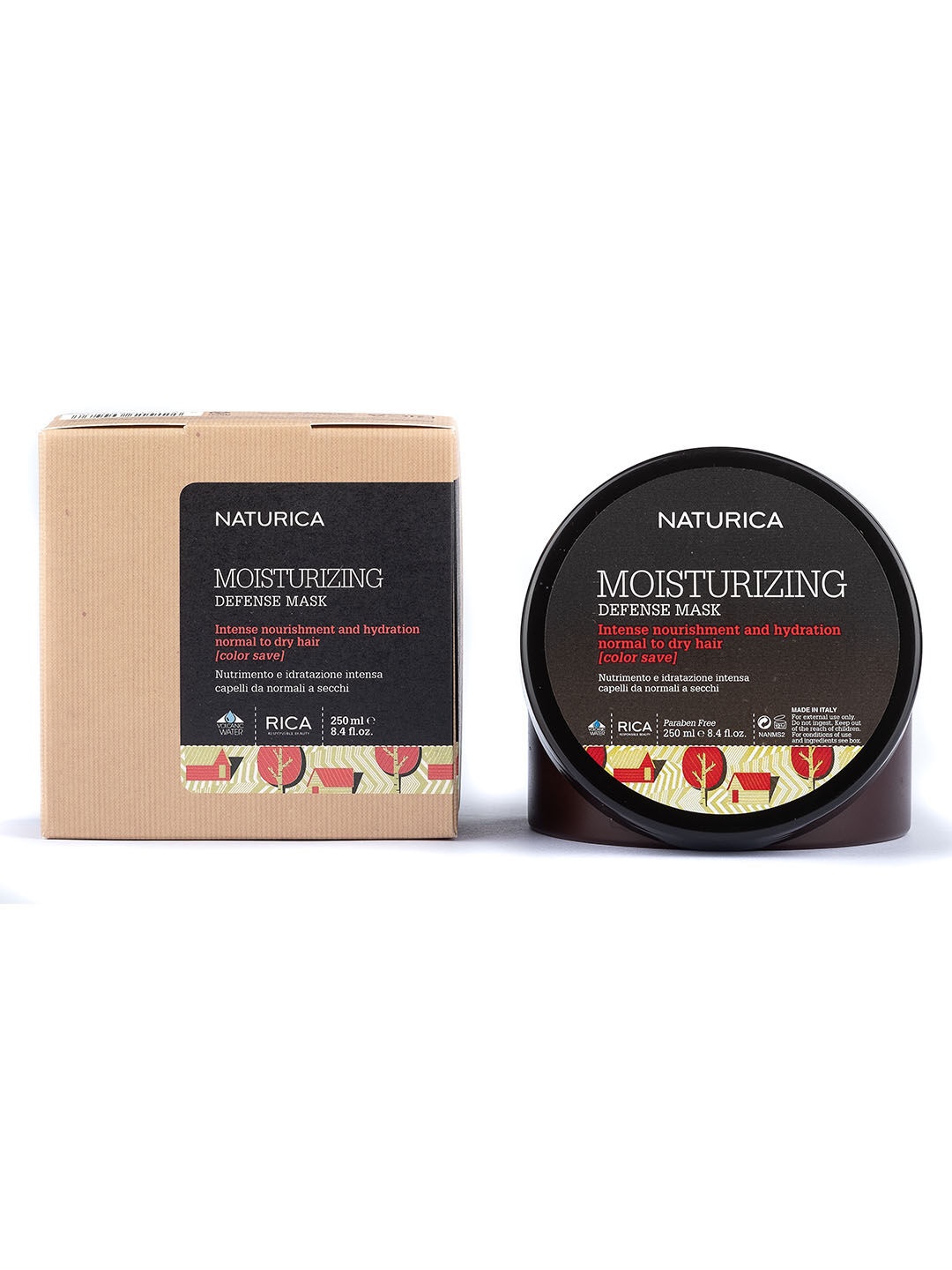
Some Exfoliating Skincare Products You May Like
1. Chemist At Play Gentle Exfoliating Face Scrub
2. Biotique Papaya Tan Removal Face Scrub
3. DR RASHEL Exfoliator For Face & Body
4. mCaffeine Exfoliating Coffee Body Scrub
5. CLAYCO Matcha Enzyme Scrub with AHA & BHA
6. Asaya Fresh Start Smoothening Scrub
7. Dove Exfoliating Body Polish
8. Be Bodywise 12% De-Tan AHA Body Scrub
Exfoliating skincare products are the cornerstone of a radiant, healthy complexion. By removing dead skin cells, unclogging pores, and boosting cell renewal, they not only enhance the effectiveness of other skincare steps but also deliver visible improvements in texture and tone. Whether you prefer gentle cleansers, chemical exfoliants, or natural scrubs, the right choice depends on your skin type and lifestyle. Consistency, moderation, and mindful product selection are key to achieving that fresh, glowing look without irritation. Shop now on Amazon
Frequently Asked Questions (FAQs)
1. Can I exfoliate my face every day?
Daily skin exfoliation isn't necessary for most people. Unless you're using a very gentle exfoliant and your skin tolerates it well, exfoliating one to three times a week is usually enough.
2. Is chemical exfoliation better than physical exfoliation?
Chemical exfoliants often provide more even exfoliation with less friction than physical scrubs. However, the best choice depends on your skin type and specific concerns.
3. What happens if I exfoliate too often?
Over-exfoliating can damage the skin barrier, leading to redness, irritation, dryness, sensitivity, and even unexpected breakouts.
4. Should I moisturise after exfoliating?
Yes. Applying a moisturiser after exfoliation helps restore hydration, strengthens the skin barrier, and keeps your skin feeling comfortable.
5. Can people with sensitive skin exfoliate?
Yes. People with sensitive skin can exfoliate, but they should use gentle products and limit exfoliation to about once a week or as tolerated.
(Disclaimer: This article may include references to or features of products and services made available through affiliate marketing campaigns. NDTV Convergence Limited (“NDTV”) strives to maintain editorial independence while participating in such campaigns. NDTV does not assume responsibility for the performance or claims of any featured products or services.)