Conditioners That Don't Detangle Properly: Slip Factor Explained
Why do some conditioners fail at detangling? It all comes down to the slip factor. Discover what affects it, why your product may not work, and how to choose one that truly smooths and manages hair.
Conditioners That Don't Detangle Properly: Slip Factor Explained
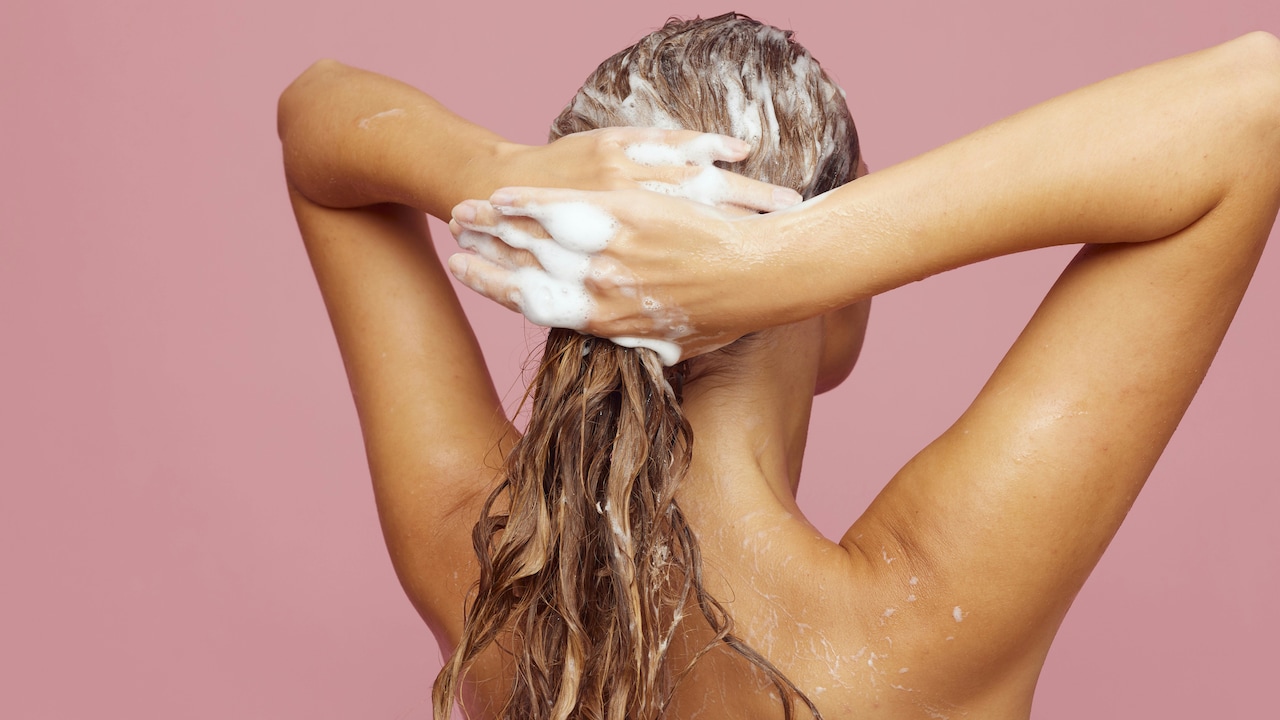
There's a familiar moment in almost every haircare routine. Freshly washed hair, a hopeful scoop of conditioner, and then the comb refuses to glide. Instead, it halts, tugs, and turns a calm shower into a minor wrestling match. For many, this frustration gets blamed on hair texture, dryness, or even hard water. Yet, the real culprit often hides in plain sight, the conditioner itself.
Not all conditioners are created equal. Some coat the hair so beautifully that fingers slip through effortlessly. Others, despite bold claims and hefty price tags, barely soften strands. The difference comes down to something professionals casually call the “slip factor”. It may sound technical, but its impact is felt instantly.
Understanding this concept can transform not just the way hair feels, but also how money gets spent on a haircare routine. After all, no one enjoys investing ₹800 or ₹1,500 into a bottle that ends up sitting unused in the corner of the bathroom. Let's unravel what truly makes a conditioner work, and why some simply don't.
Conditioners That Don't Detangle Properly: Slip Factor Explained; Photo Credit: Pexels
Understanding Why Conditioners Fail To Detangle Properly
The Science Behind Slip Factor
Slip factor refers to how easily a conditioner allows strands to glide past one another. It's that smooth, almost buttery feel when fingers run through wet hair without resistance. This sensation isn't magic; it's chemistry at play.
Conditioners that perform well contain ingredients that reduce friction. These include fatty alcohols, silicones, and conditioning agents that coat each strand. When these ingredients are balanced well, hair becomes manageable and less prone to breakage.
Poor slip often comes from formulas that lack these elements or use them sparingly. Sometimes, brands focus heavily on natural extracts or fragrances, forgetting the functional core of conditioning. As a result, hair feels coated yet oddly tangled.
It's worth noting that slip is not just about comfort. It prevents unnecessary hair fall caused by tugging. Without it, detangling becomes a risky task, especially for long or curly hair.
Why Some Conditioners Feel Like Lotions
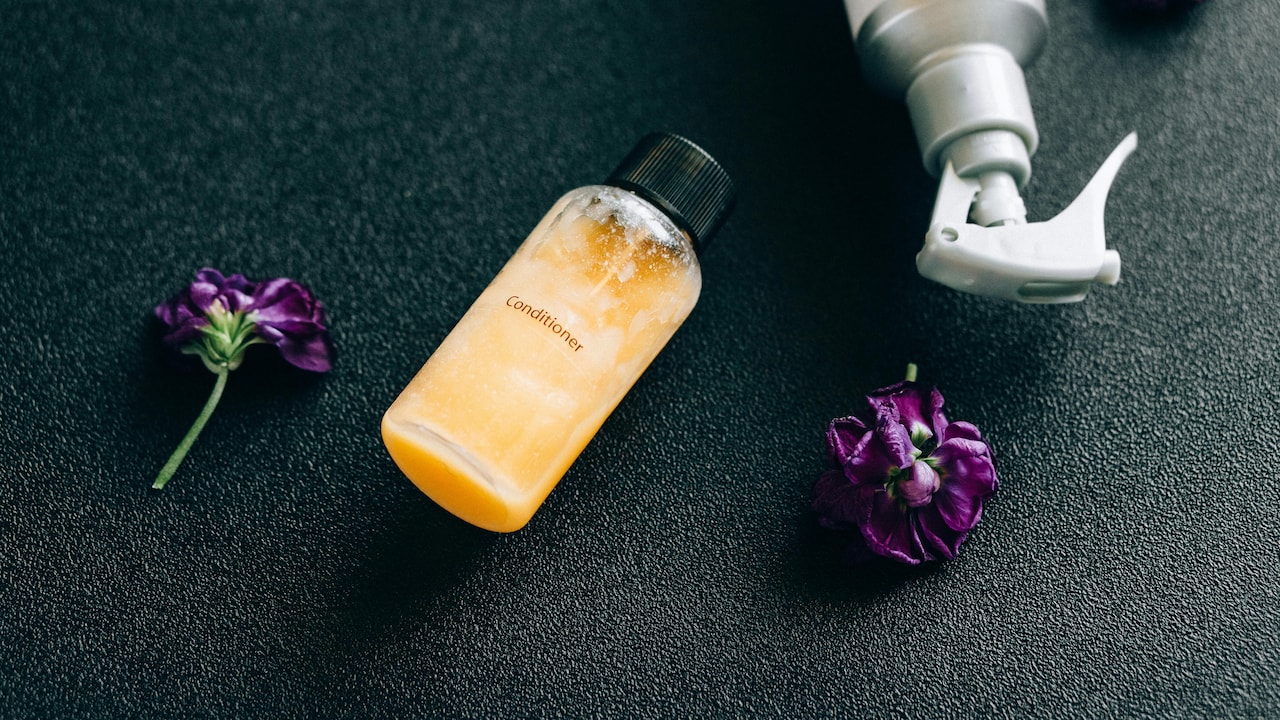
Ever tried a conditioner that feels suspiciously light, almost like a body lotion? That texture might be the first warning sign. While lightweight formulas suit certain hair types, overly diluted products often fail to deliver real slip.
These conditioners may rinse off quickly but leave little behind to help strands separate. They give the illusion of hydration without actually improving manageability. The result is hair that feels soft at first touch but tangles moments later.
Marketing often pushes such products as “weightless hydration” or “non-greasy care”. While appealing, these phrases can mask the lack of effective conditioning agents. It's a clever way to sell a feel-good experience without long-term benefits.
For those dealing with thick or frizz-prone hair, such conditioners can feel like a complete letdown. The comb still struggles, and the frustration returns.
Also Read: Top 5 Hair Conditioners That Work - Just Follow THIS Routine For Great Results
The Role Of Silicones In Detangling
Silicones often receive mixed opinions, but when it comes to slip, they play a starring role. Ingredients like dimethicone create a smooth coating that helps strands slide effortlessly.
This coating reduces friction instantly. Hair feels silkier, shinier, and far easier to detangle. That satisfying glide after rinsing? Often, thanks to silicones doing their job quietly.
However, fear around buildup has led many brands to eliminate silicones. While this suits those following minimal routines, it can also reduce slips significantly. Without a substitute, conditioners struggle to perform.
The key lies in balance. Not all silicones are heavy or harmful. Some are designed to rinse out easily while still providing that crucial smoothness.
Natural Formulas And Their Limitations
There's a growing love for plant-based products, and rightly so. Ingredients like aloe vera, coconut milk, and hibiscus carry nourishing properties. Yet, when it comes to detangling, nature alone doesn't always suffice.
Natural conditioners often lack strong slip agents. They may improve hair health over time but fall short in immediate manageability. This creates a mismatch between expectation and reality.
A person might spend ₹600 on a herbal conditioner expecting smooth detangling, only to end up using extra product or switching back to older formulas.
That said, not all natural products fail. Some brands blend botanical extracts with conditioning compounds effectively. The trick lies in formulation, not just ingredient lists.
Conditioners That Don't Detangle Properly: Slip Factor Explained; Photo Credit: Pexels
Hair Type And Its Influence On Slip
Not every conditioner works the same for every hair type. Straight hair might require minimal slip, while curly or wavy textures demand far more.
Thicker strands tend to tangle easily, especially after washing. Without enough slip, detangling becomes time-consuming and stressful. On the other hand, fine hair can get weighed down by overly heavy conditioners.
Understanding hair type helps in choosing the right product. It's less about finding the “best” conditioner and more about finding the “right” one.
Ignoring this can lead to repeated disappointment. A product that works wonders for one person may fail completely for another.
Water Quality And Its Hidden Impact
Hard water quietly interferes with how conditioners perform. Minerals in water can create a barrier, preventing products from coating hair properly.
Even a well-formulated conditioner might feel ineffective under such conditions. Hair may remain rough, tangled, and difficult to manage.
This often leads to unnecessary spending. People assume the product is faulty and switch brands repeatedly, spending ₹500 here and ₹1,000 there without solving the root issue.
Simple solutions like using a clarifying shampoo occasionally or installing a shower filter can make a noticeable difference.
The Illusion Of Foam And Fragrance
A richly scented conditioner that spreads easily can feel luxurious. Yet, fragrance and texture don't guarantee performance.
Some products prioritise sensory appeal over functionality. They smell delightful, feel creamy, and rinse off smoothly, but leave hair just as tangled.
It's easy to be swayed by these experiences. After all, a pleasant shower routine feels rewarding. But when the comb struggles afterwards, reality sets in.
True effectiveness lies beyond the initial feel. It shows how easily hair can be managed post-wash.
Application Techniques That Affect Results
Even the best conditioner can fail if used incorrectly. Applying it only to the surface or rinsing too quickly reduces its effectiveness.
Hair needs time to absorb conditioning agents. Allowing a few extra minutes can improve slip significantly. Similarly, using enough product matters.
Rushing through the process often leads to poor results. This creates the false impression that the conditioner itself is ineffective.
A simple adjustment in routine can transform the outcome without spending an extra ₹.
Conditioners That Don't Detangle Properly: Slip Factor Explained; Photo Credit: Pexels
Budget Versus Premium: Does Price Matter?
It's tempting to assume that expensive conditioners always perform better. A ₹2,000 bottle certainly feels more promising than a ₹250 one.
However, price doesn't always reflect performance. Some affordable products deliver excellent slip, while certain premium ones focus more on branding.
What truly matters is formulation. Ingredients, balance, and suitability for hair type matter far more than cost.
Blindly trusting price tags can lead to disappointment. A well-chosen budget option often outperforms a poorly formulated luxury product.
How To Identify A Good Slip Conditioner
Finding the right conditioner becomes easier with a few practical checks. Look beyond labels and focus on performance indicators.
A good conditioner allows fingers to glide through wet hair with ease. It reduces tangles immediately and leaves hair manageable even after rinsing.
Consistency also matters. Products that feel rich and slightly creamy often perform better in terms of slip.
Testing a product over a few washes provides clarity. If detangling remains difficult, it's a clear sign to switch.
Products Related To This Article
1. LOreal Hyaluron Pure 72H Rehydrating Conditioner For Smooth Tangle-Free Hairs
2. MANETAIN Set Of 4 Shampoo - 237ml, Conditioner & Gel - 200ml With Conditioner
3. Love Beauty & Planet Curl Care Rice Water & Angelica Seed Oil Conditioner
4. WELLA PROFESSIONALS Invigo Nutri Enrich Conditioner for Dry-Frizzy & Damaged Hair
5. BBLUNT Set Of 2 Intense Moisture Natural Hair Shampoo- 300 ml & Conditioner
Haircare often feels like a maze of promises, labels, and endless options. Among all the buzzwords, slip factor stands out as a simple yet powerful indicator of a conditioner's effectiveness.
When a hair conditioner fails to detangle properly, it's not just inconvenient; it leads to breakage, frustration, and unnecessary spending. Understanding why this happens empowers better choices.
From ingredient awareness to application techniques, small insights make a big difference. The goal isn't to chase the most expensive bottle or the trendiest formula. It's to find what genuinely works.
Because at the end of the day, a good conditioner should do one simple thing well: let the comb glide through without a fight.
(Disclaimer: This article may include references to or features of products and services made available through affiliate marketing campaigns. NDTV Convergence Limited (“NDTV”) strives to maintain editorial independence while participating in such campaigns. NDTV does not assume responsibility for the performance or claims of any featured products or services.)