Common Primer Mistake That Causes Your Skin To Look Uneven By Evening
Your makeup isn’t fading randomly. One common primer mistake causes the foundation to separate and the skin to look patchy by evening. Fixing this step can keep your base even all day.
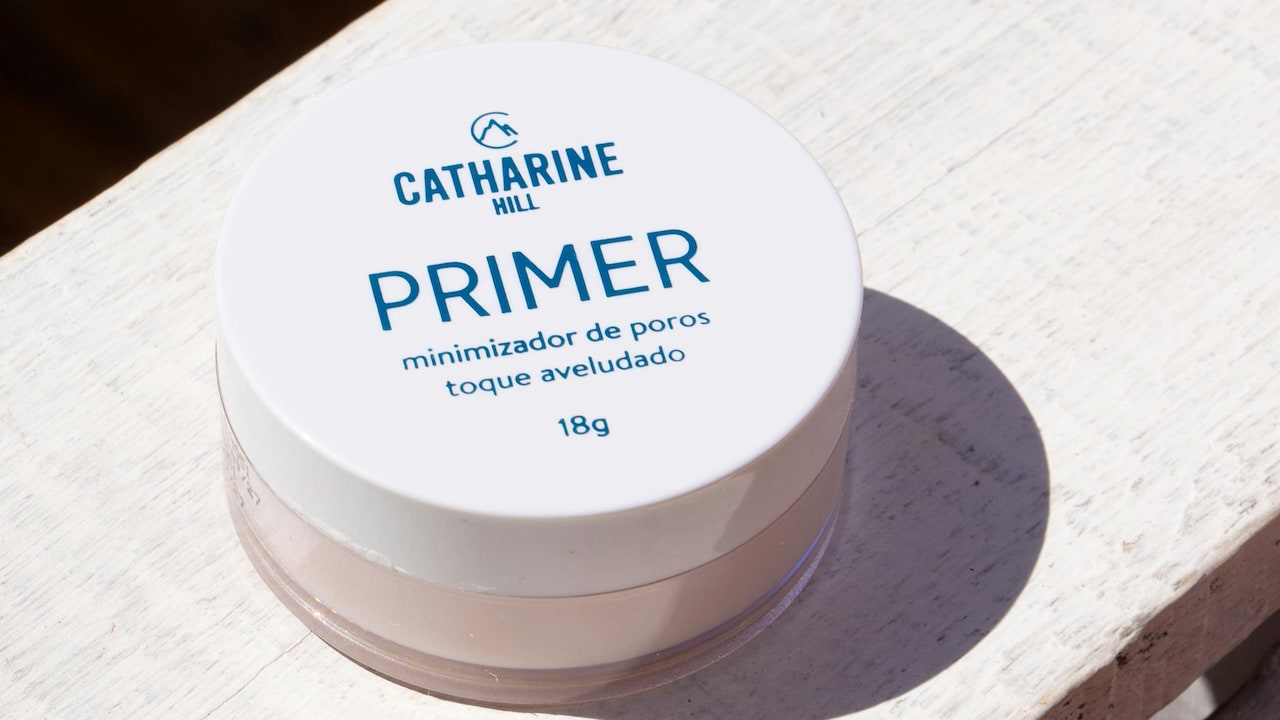
The Primer Mistake Youre Probably Making That Leaves Your Skin Uneven And Patchy By Evening.
The day often starts with optimism and a mirror check that inspires confidence. Foundation sits smoothly, skin appears even, and everything feels under control. Fast forward to the evening, and the reflection tells a different story. Makeup looks tired. Texture appears where none existed before. Some areas seem darker, others oddly shiny or dry.
Many blame humidity, commuting, or long workdays. While these factors play a role, the real issue often begins at the very first step of makeup. Primer, meant to be the hero of longevity, can become the villain when used incorrectly. A small misstep here can undo the effort put into skincare and foundation.
This article explores the most common primer mistake that causes uneven skin by evening. Each section breaks down how habits, product choices, and timing affect the base. Expect practical advice, relatable moments, and a few gentle reminders that good makeup is less about perfection and more about understanding skin.
Common Primer Mistake That Causes Your Skin To Look Uneven By Evening
Photo Credit: Pexels
The Real Reason Your Base Breaks Down by Evening
1. Applying Primer on Unprepared Skin
Primer works best when skin feels calm, hydrated, and balanced. Applying it straight onto dry, sweaty, or half-cleansed skin creates problems later. Morning rush often leads to shortcuts. A quick splash of water, a dab of primer, and foundation follow. The result may look fine at first, yet the skin reacts throughout the day.
Without proper cleansing, leftover night creams or natural oils interfere with primer grip. On dry skin, primer clings to flaky areas and exaggerates texture by evening. On oily skin, it slides around, taking foundation with it. The base begins to separate, especially around the nose and mouth.
A few extra minutes can change everything. Gentle cleansing removes residue. A lightweight moisturiser allows primer to sit evenly. Skin should feel comfortable, not sticky or overly slick. Primer then forms a smooth bridge between skincare and makeup. By evening, the base stays intact instead of breaking down in patches.
2. Using Too Much Primer
More does not always mean better, especially with primer. A common belief suggests that a thick layer will lock makeup in place. In reality, excess product creates a slippery surface. Foundation struggles to settle and starts floating instead of bonding with the skin.
Heavy-handed application often leads to creasing around smile lines and the under-eye area. As facial movements increase through the day, the thick primer layer shifts. Foundation gathers in some spots and disappears in others. By evening, skin looks uneven and cakey.
A pea-sized amount usually suffices for the entire face. Focus on areas where makeup fades fastest, such as the T-zone. Gently press primer into the skin rather than rubbing it around. This method improves grip and reduces movement. A thin, even layer supports makeup instead of competing with it.
3. Mixing Silicone and Water-Based Products
One of the most overlooked primer mistakes lies in formulation mismatch. Silicone-based primers feel silky and blur pores. Water-based foundations feel light and fresh. When paired together, they often repel each other. The base may appear smooth initially, yet separation begins as the hours pass.
By afternoon, the foundation starts sliding off silicone-heavy areas. Patchiness appears on the cheeks and around the nose. The skin looks uneven, despite careful blending earlier. This reaction worsens in warm conditions or long wear.
Checking ingredient lists helps avoid this issue. Silicone ingredients often end with “-cone” or “-siloxane.” Pair similar bases together for harmony. Water-based primers suit water-based foundations. Silicone primers work best with silicone foundations. Compatibility keeps layers working as a team, maintaining an even look till evening.
4. Skipping Waiting Time Between Skincare and Primer
Patience rarely features in busy mornings. Skincare often goes straight into primer without pause. This habit causes layers to mix rather than settle. Moisturiser that has not absorbed dilutes primer, reducing its effectiveness.
When products slide over damp skin, they fail to grip. The foundation then struggles to stay put. As natural oils emerge throughout the day, the base shifts. Uneven texture and shine appear by evening, especially in humid weather.
Allow skincare to absorb for at least one minute. Skin should feel hydrated yet dry to the touch. Primer applied at the right moment forms a proper barrier. This small pause improves longevity and prevents midday touch-ups from turning messy. Sometimes, waiting saves more time later.
5. Using the Wrong Primer for Skin Type
Primer shelves offer endless choices, yet not every formula suits every face. Using a mattifying primer on dry skin leads to tightness and cracking. Using a hydrating primer on oily skin invites shine and movement.
By evening, the mismatch becomes obvious. Dry areas look rough and dull. Oily zones appear darker as foundation breaks apart. The overall look feels uneven and tired, despite quality products.
Understanding skin needs matters more than trends. Dry skin benefits from primers with hydrating ingredients. Oily skin prefers oil-control formulas that feel lightweight. Combination skin may need different primers on different areas. Customising the application keeps the base balanced and prevents uneven wear.
6. Rubbing Primer Instead of Pressing It In
Application technique affects longevity more than expected. Rubbing primer across the face disturbs skincare underneath. It also pushes the product into pores unevenly. The surface may look smooth at first, yet texture resurfaces later.
Pressing primer gently into the skin improves adhesion. This technique allows the product to fill pores and fine lines without shifting layers below. The foundation applied on top sits more evenly and lasts longer.
Using fingertips works well, as warmth helps the product melt into skin. A damp sponge also presses primer evenly. Avoid aggressive motions. Gentle pressure keeps everything in place. By evening, makeup looks worn-in rather than worn-out.
7. Layering Primer All Over the Face Unnecessarily
Primer marketing often suggests full-face application. In reality, not every area needs it. Applying primer everywhere can overload skin. Cheeks that stay balanced all day do not require heavy priming.
Excess primer in low-movement areas causes the foundation to slide later. Uneven texture appears where skin did not need extra help. By evening, makeup looks inconsistent across the face.
The targeted application works better. Focus on the T-zone, chin, and areas with visible pores. Leave balanced areas with just moisturiser. This approach reduces product build-up and improves wear. Makeup feels lighter and looks more natural as the day progresses.
8. Ignoring Weather and Daily Conditions
Weather plays a silent role in makeup behaviour. Using the same primer year-round ignores changing needs. Hot, humid days demand oil control. Cooler days welcome hydration.
Sticking to one primer regardless of conditions leads to uneven results. A rich primer in heat causes slippage. A mattifying primer in dry weather causes patchiness. By evening, skin shows stress through texture and uneven tone.
Adjusting primer choice based on the day helps. Keep two formulas on hand. Switch as needed. This flexibility supports skin rather than fighting it. Makeup adapts better and stays even till night.
Common Primer Mistake That Causes Your Skin To Look Uneven By Evening
Photo Credit: Pexels
9. Expecting Primer to Fix Poor Foundation Technique
Primer enhances, yet it cannot rescue a poor application. Thick foundation layers, incorrect shades, or rushed blending undermine the primer's efforts. Uneven skin by evening often reflects issues beyond the first step.
Heavy foundation settles into lines as the day goes on. Incorrect shade oxidises and appears darker. Primer then takes the blame unfairly.
Using thin layers of foundation and building coverage gradually helps. Blending thoroughly ensures even distribution. Primer supports this process, not replaces it. When each step works together, the base remains consistent throughout the day.
10. Forgetting to Set Primer Properly
Primer alone does not always guarantee longevity. Setting it lightly creates a stronger base. Skipping this step leaves the primer slightly tacky, encouraging movement.
A light dusting of translucent powder on key areas sets primer without adding heaviness. This step improves foundation grip and controls oil breakthrough. By evening, skin looks smoother and more even.
Setting spray also helps, especially for long days. It locks layers together and reduces patchiness. Think of it as sealing the deal. A well-set primer performs its role fully, keeping makeup fresh till the last meeting or dinner plan.
Products Related To This Article
1. SWISS BEAUTY Highlighting Primer
2. MARS Zero Pore Perfection Primer
3. INSIGHTCOSMETIC 3 In 1 Long Lasting Primer
4. BLUE HEAVEN Flawless Makeup Base Primer 16gm
5. BELLAVITA Hydmatte FX Magic Primer
6. Lakmé Blur Perfect Primer, Blurs Pores, Waterproof & Long Lasting Primer
7. recode Perfect Grip Waterproof Primer
Uneven skin by evening often begins with a small primer mistake made in the morning. Rushing application, choosing the wrong formula, or layering carelessly creates problems that reveal themselves hours later. Primer works best when treated as a supportive step, not a miracle fix.
Understanding skin, respecting timing, and applying products thoughtfully makes a visible difference. Makeup lasts longer, feels lighter, and looks more even. The mirror at night reflects effort rewarded rather than undone.
A few mindful changes transform primer from a silent saboteur into a reliable ally. The result feels satisfying, especially after a long day, when confidence deserves to last as long as the plans.
(Disclaimer: This article may include references to or features of products and services made available through affiliate marketing campaigns. NDTV Convergence Limited (“NDTV”) strives to maintain editorial independence while participating in such campaigns. NDTV does not assume responsibility for the performance or claims of any featured products or services.)