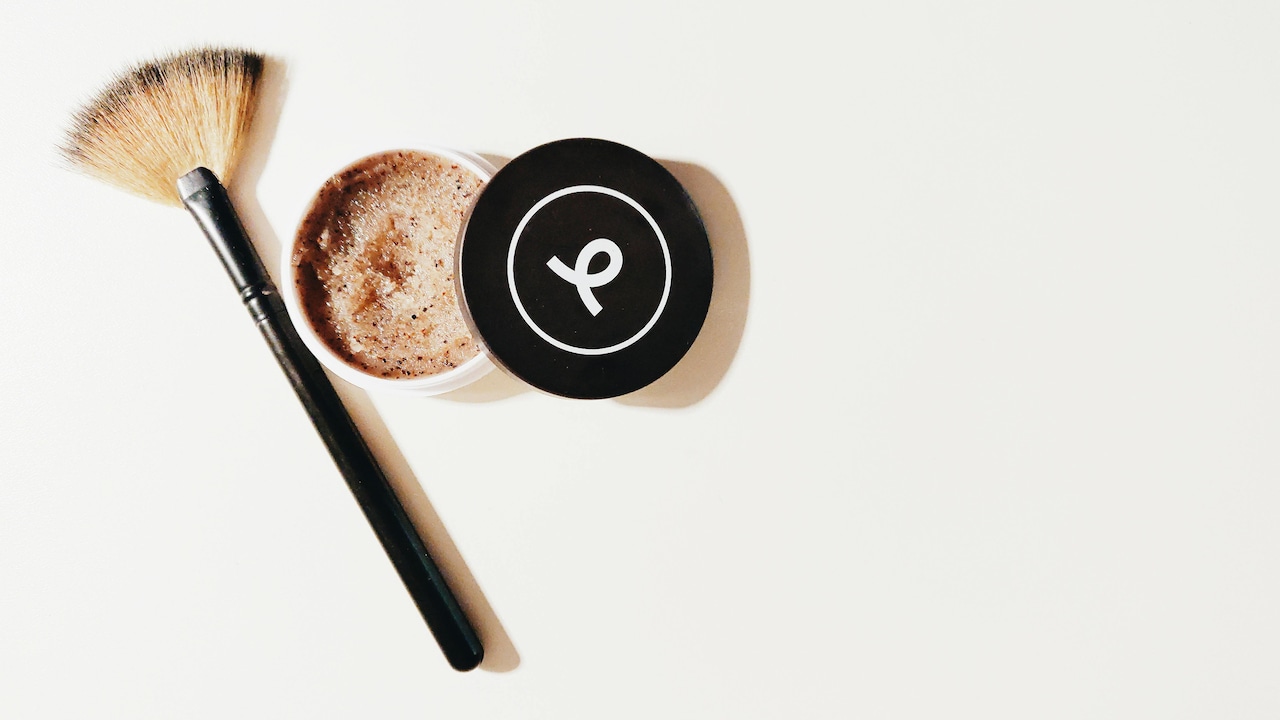
What Is A Retinol Night Cream And Why Is It Everywhere Right Now?
Once considered intimidating, retinol night creams are now becoming routine staples. From beginner-friendly formulas to barrier-supporting blends, here's why retinol is having a moment and how to use it the right way.
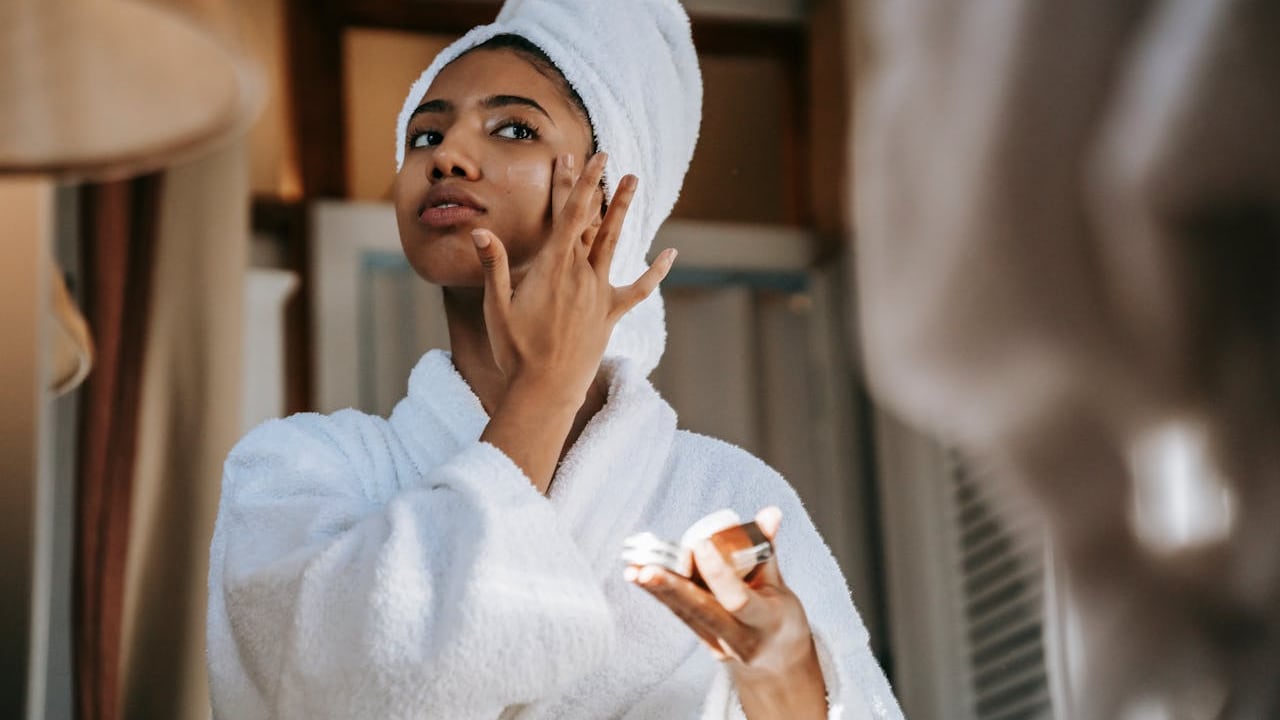
What Is A Retinol Night Cream And Why Is It Everywhere Right Now?
Retinol used to be one of those skincare ingredients people admired from a distance. Known for its anti-ageing and skin-renewing benefits, it also had a reputation for irritation and sensitivity. But lately, retinol night creams have started to feel far less intimidating and much more wearable. Thanks to gentler formulations, supportive ingredients, and better awareness around usage, retinol is no longer reserved for advanced routines. Instead, it's becoming a slow-and-steady essential for anyone looking to refine texture, tone, and early signs of ageing without overwhelming their skin.
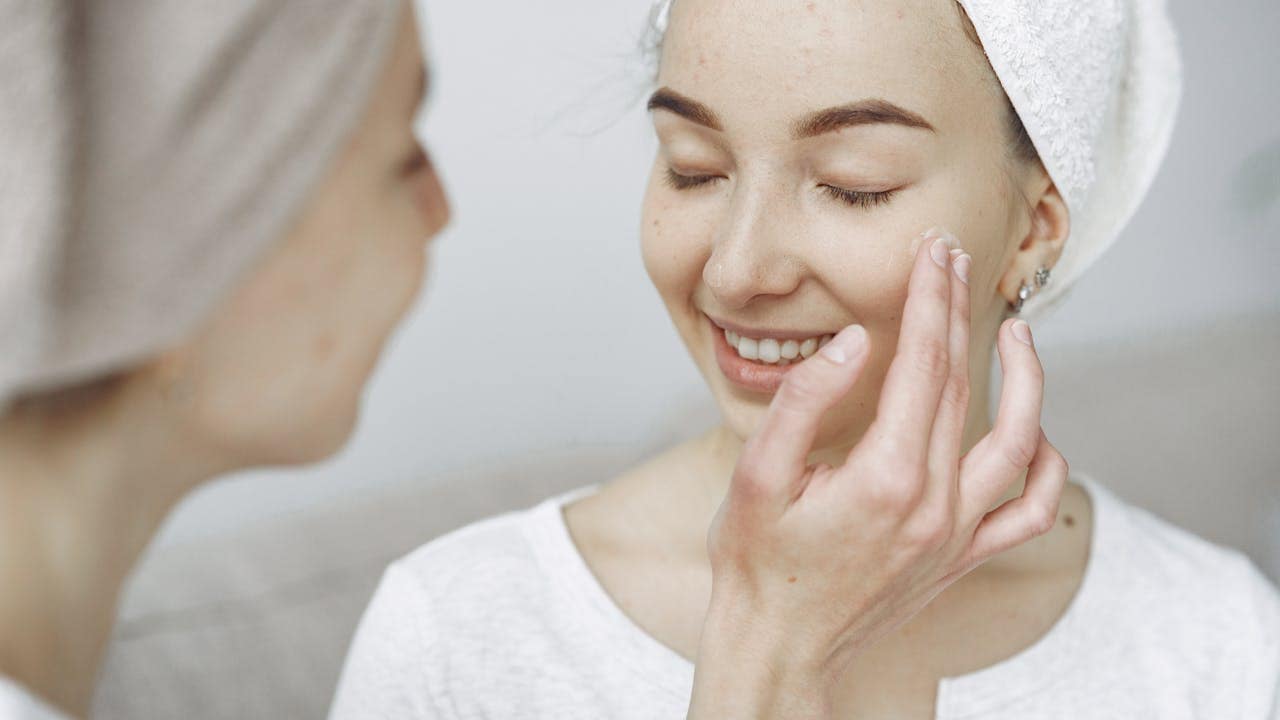
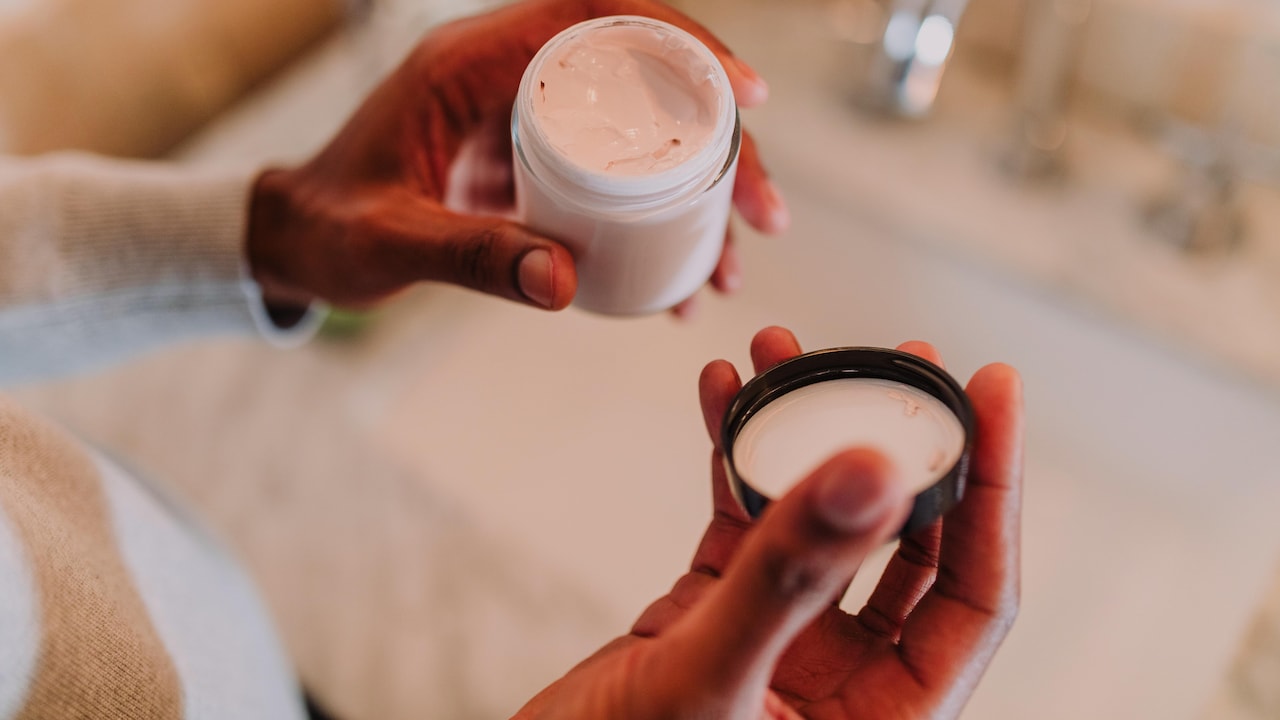
From gentler formulas to barrier‑supporting blends, here's why retinol night creams are becoming everyday essentials
Photo Credit: Pexels
The rising popularity of retinol night creams is closely tied to how skincare has evolved. Today's routines are less about aggressive treatments and more about consistency and barrier health. Modern retinol formulas reflect that shift combining low to moderate percentages of retinoids with calming and hydrating ingredients. Designed specifically for nighttime use, these creams work in sync with the skin's natural repair cycle, making them both effective and easier to tolerate. The result is a new generation of retinol products that focus on long-term skin health rather than quick, harsh results.
Also Read: Best Retinol Skincare Deals Under ₹999 On Myntra For Radiant Skin; Check Top Deals
What Is A Retinol Night Cream?
A retinol night cream is a moisturiser formulated with retinol or retinoid derivatives that promote skin cell turnover. Retinol helps encourage smoother texture, improved tone, and reduced appearance of fine lines over time. Because retinol can make skin more sensitive to sunlight, these creams are designed to be used at night, allowing the ingredient to work while the skin repairs itself during sleep. Most formulations also include hydrating and barrier-supporting components to minimise dryness or irritation.
Why Retinol Is Gaining Popularity Now
Retinol's renewed popularity has a lot to do with accessibility. Brands are now focusing on beginner-friendly concentrations and pairing retinol with ingredients like ceramides, peptides, hyaluronic acid, and soothing botanicals. This makes it easier for first-time users to introduce retinol without disrupting their skin barrier. Additionally, increased education around gradual use and proper sunscreen application has made consumers more confident about incorporating retinol into everyday routines.
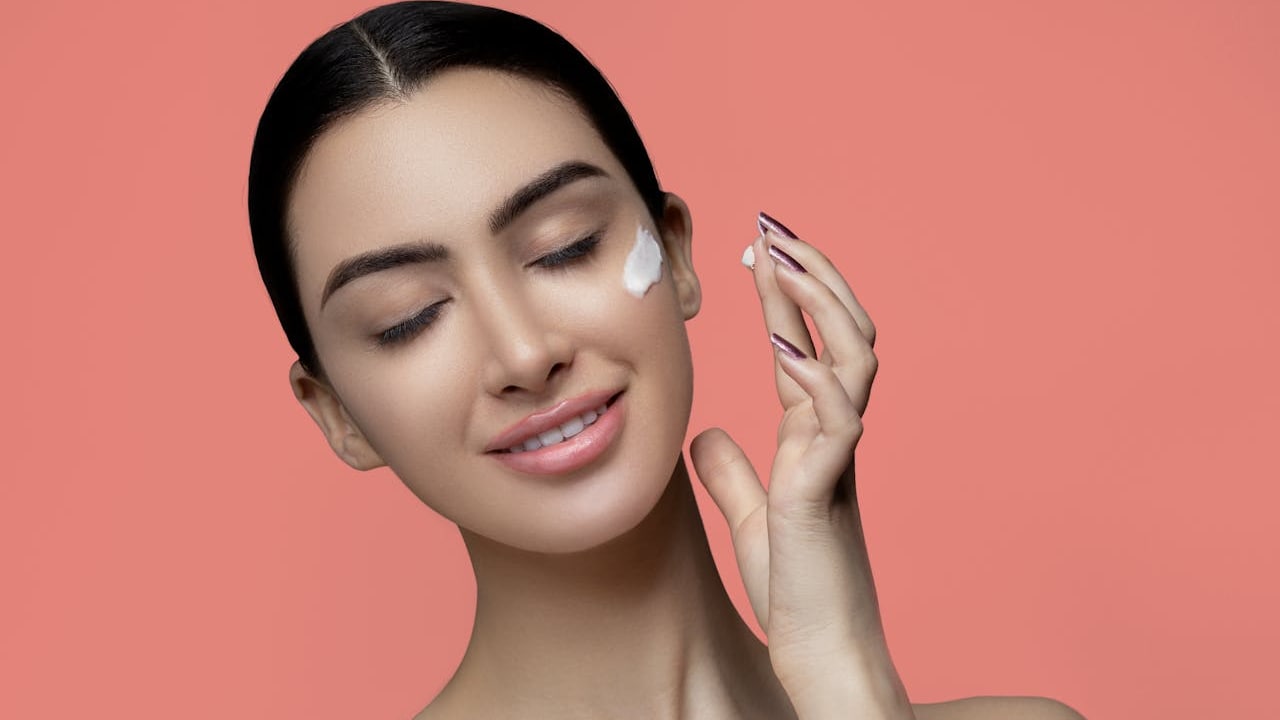
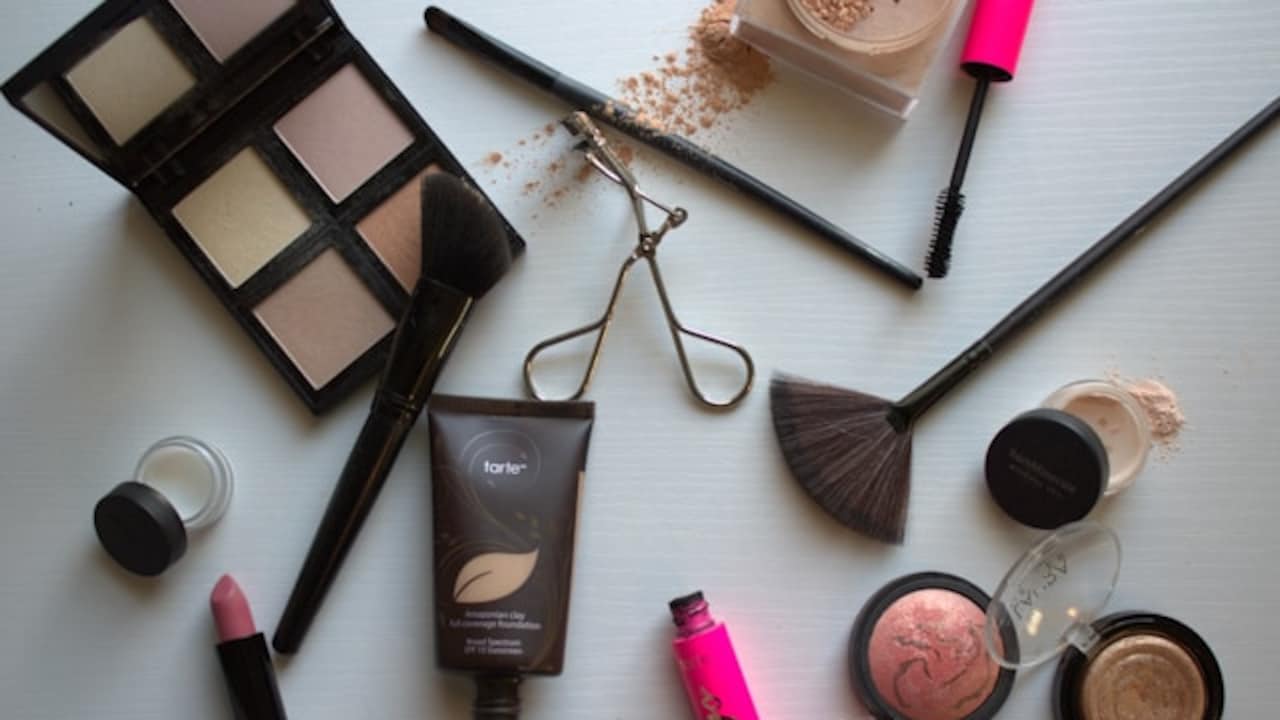
Once reserved for advanced routines, retinol night creams are now easier to use
Photo Credit: Pexels
How Retinol Night Creams Work On The Skin
Retinol works by encouraging faster skin cell turnover, which helps shed dull, damaged cells and reveal fresher-looking skin underneath. Over consistent use, this can lead to smoother texture, reduced post-acne marks, and improved skin clarity. Because night creams are typically richer than serums, they also help lock in moisture, balancing out retinol's exfoliating effects and supporting overnight repair.
Also Read: 5 Best Skin Brightening Creams Under ₹1200 for Glowing, Even-Toned Skin
Who Should Use A Retinol Night Cream?
Retinol night creams can benefit a wide range of skin types but the key lies in choosing the right formula. Beginners and sensitive skin types should opt for lower concentrations or encapsulated retinol formulas, while experienced users may tolerate slightly stronger blends. These creams are particularly useful for those dealing with uneven texture, early fine lines, or acne marks. However, barrier health and gradual introduction are essential for best results.
How To Use Retinol Night Creams Safely
When starting out, retinol night creams should be used two to three times a week, gradually increasing frequency as skin builds tolerance. Applying them to clean, dry skin and following with a gentle moisturiser can help minimise irritation. Daytime sun protection is non-negotiable, as retinol increases photosensitivity. Consistency, rather than frequency, is what delivers visible improvements over time.
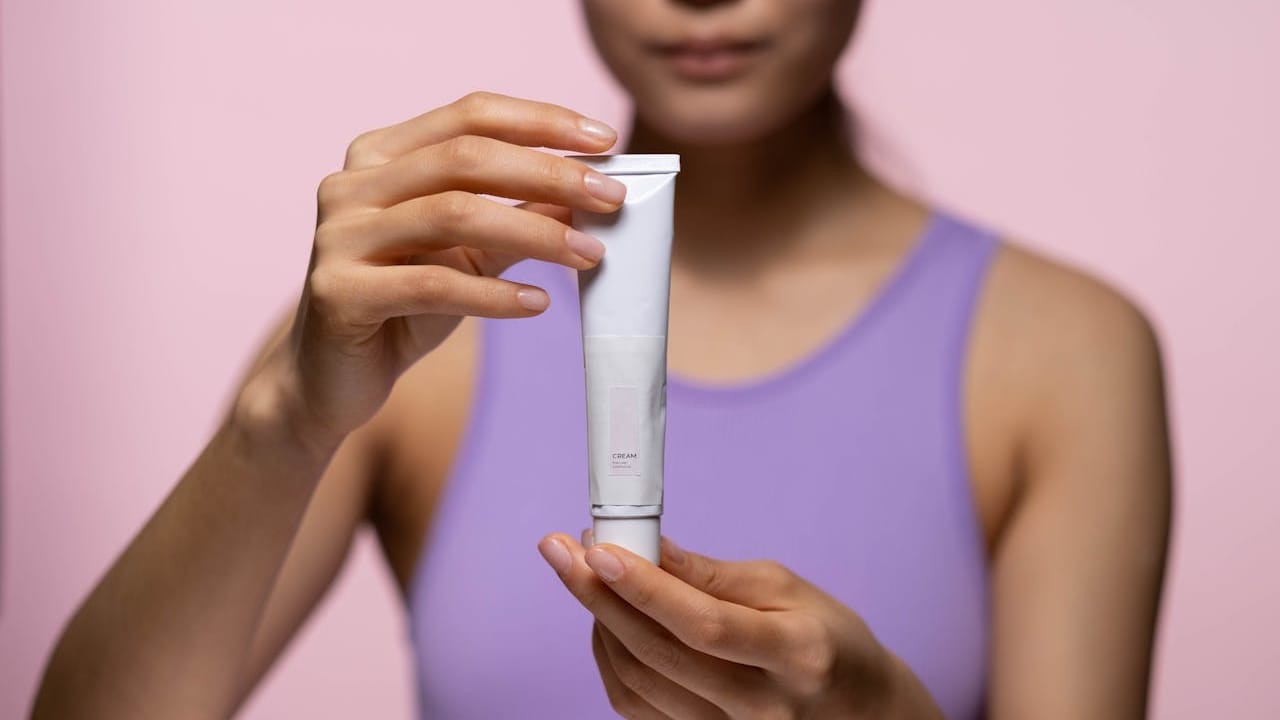
Smarter formulas. Better guidance. Realistic results.
Photo Credit: Pexels
The growing popularity of retinol night creams reflects a shift toward smarter, more considerate skincare. With improved formulations and a greater emphasis on barrier support, retinol no longer feels like an all-or-nothing ingredient. Instead, it has become a measured, long-term addition to modern routines, especially when introduced gradually and used correctly. Thoughtfully formulated retinol night creams available on Tira make it easier to explore the ingredient without compromising skin comfort.
Some Retinol Creams From Tire You May Like
1. Re'equil Retinol Night Cream
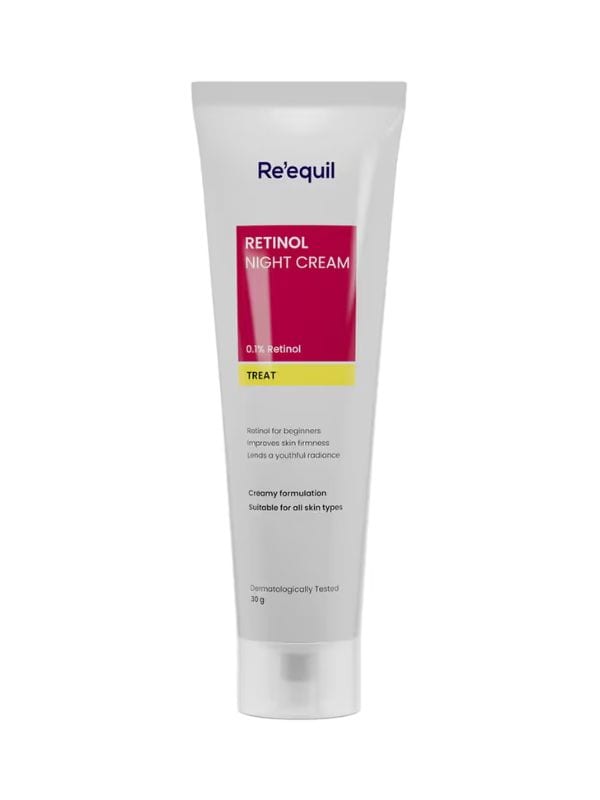
Click here to buy Re'equil Retinol Night Cream
Photo Credit: Pexels
2. The Formularx Gentle Retinol Night Serum for Acne Dark Spots Enlarged Pores & Anti-Aging
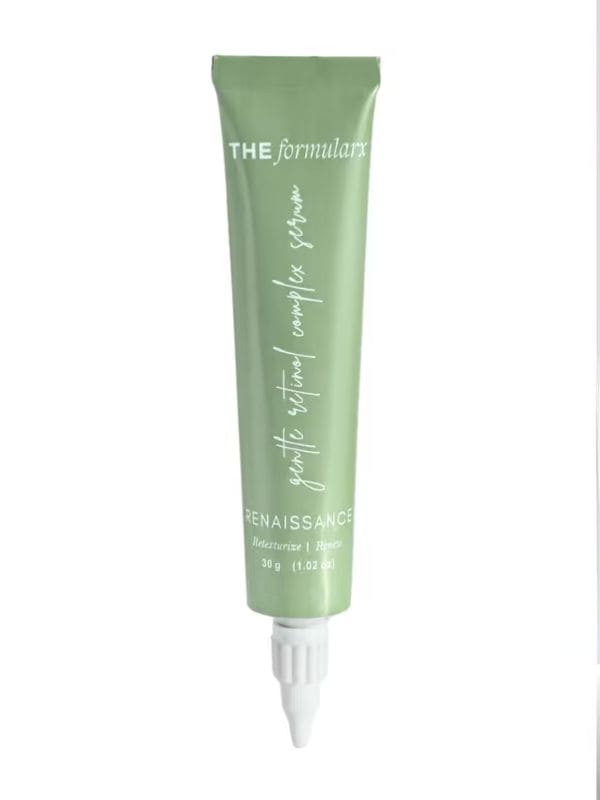
Click here to buy The Formularx Gentle Retinol Night Serum for Acne Dark Spots Enlarged Pores & Anti-Aging
Photo Credit: Pexels
3. Pilgrim Retinol Night Cream With Vitamin C & Hyaluronic Acid
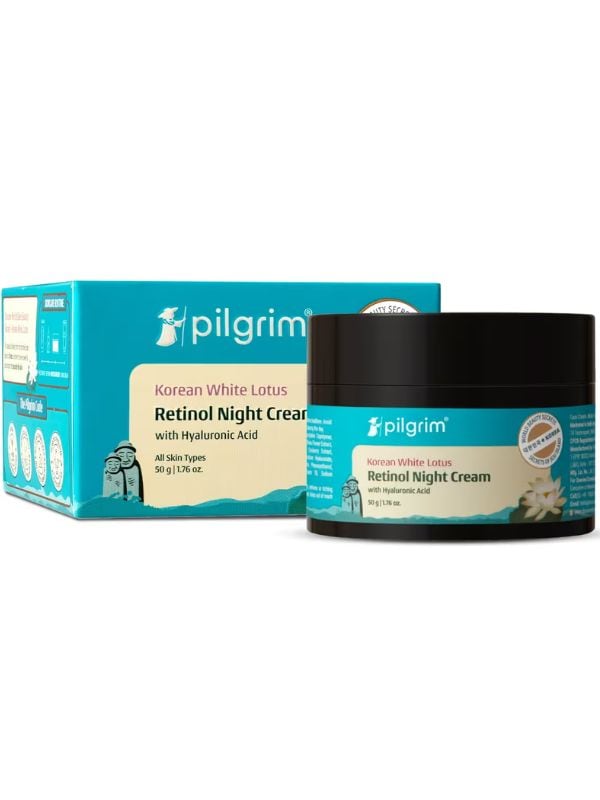
Click here to buy Pilgrim Retinol Night Cream With Vitamin C & Hyaluronic Acid
Photo Credit: Pexels
4. Deconstruct Retinol Night cream - 0.1% Retinol + 1% Beta-Glucan Complex
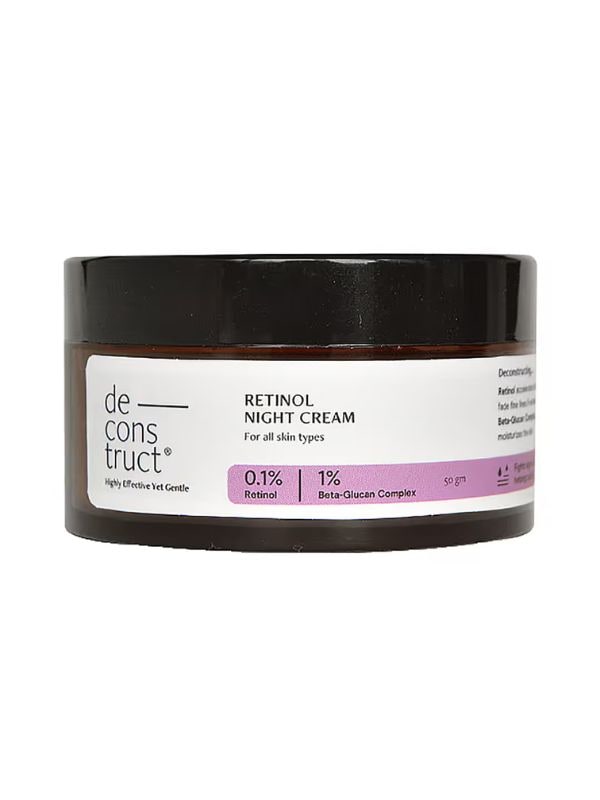
Click here to buy Deconstruct Retinol Night cream - 0.1% Retinol + 1% Beta-Glucan Complex
Photo Credit: Pexels
5. Conscious Chemist The Defender Multi Peptide Retinol Anti Aging Night Gel Cream
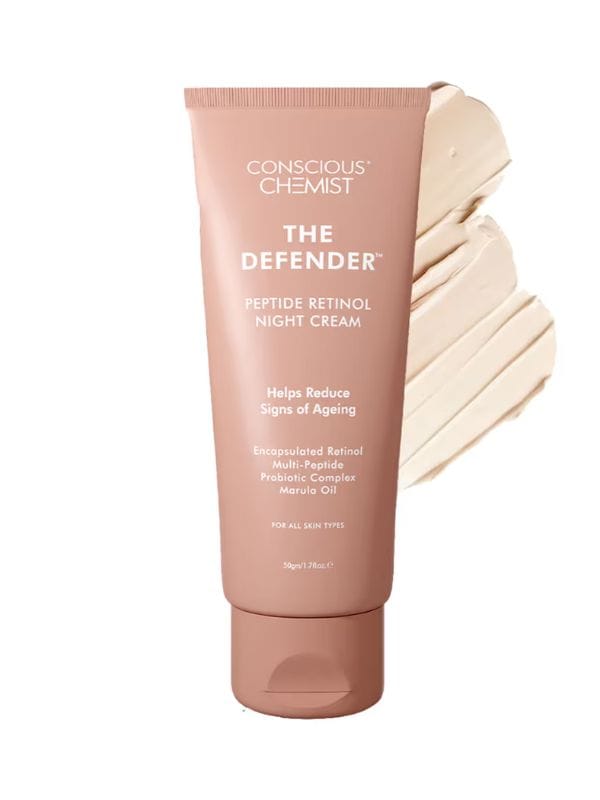
Click here to buy Conscious Chemist The Defender Multi Peptide Retinol Anti Aging Night Gel Cream
Photo Credit: Pexels
6. Foxtale 0.15% Encapsulated Retinol Night Serum
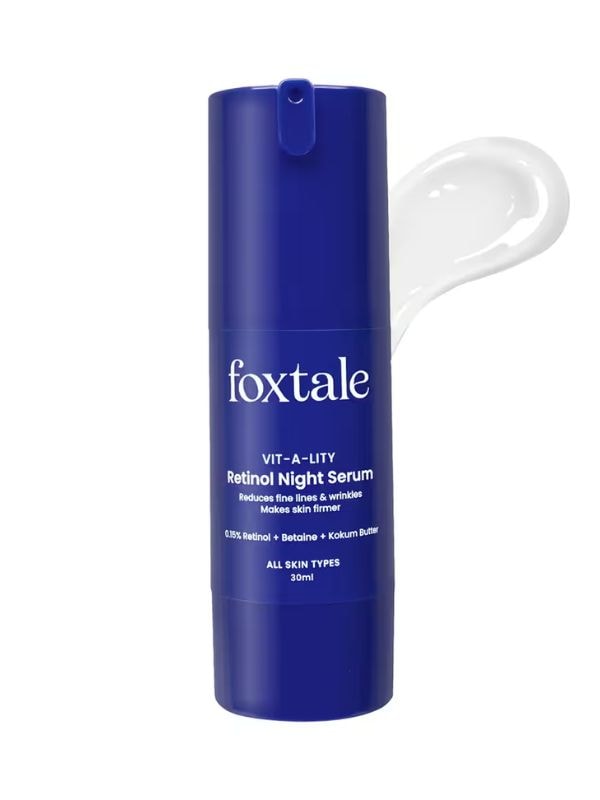
Click here to buy Foxtale 0.15% Encapsulated Retinol Night Serum
Photo Credit: Pexels
7. O3+ Derma Cult Retinol Night Cream Moisturizer
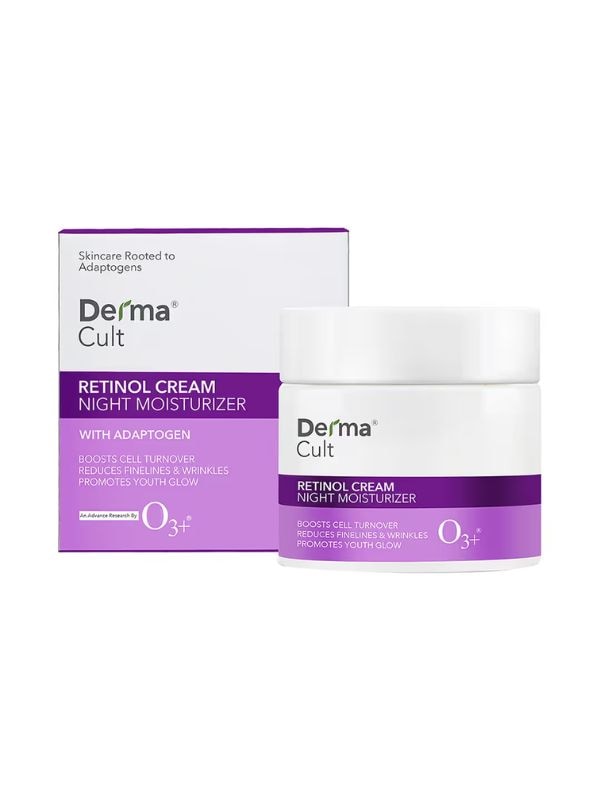
Click here to buy O3+ Derma Cult Retinol Night Cream Moisturizer
Photo Credit: Pexels
8. POND'S Youthful Miracle Hexyl Retinol Complex, Renew & Repair Day Cream SPF 15 PA++
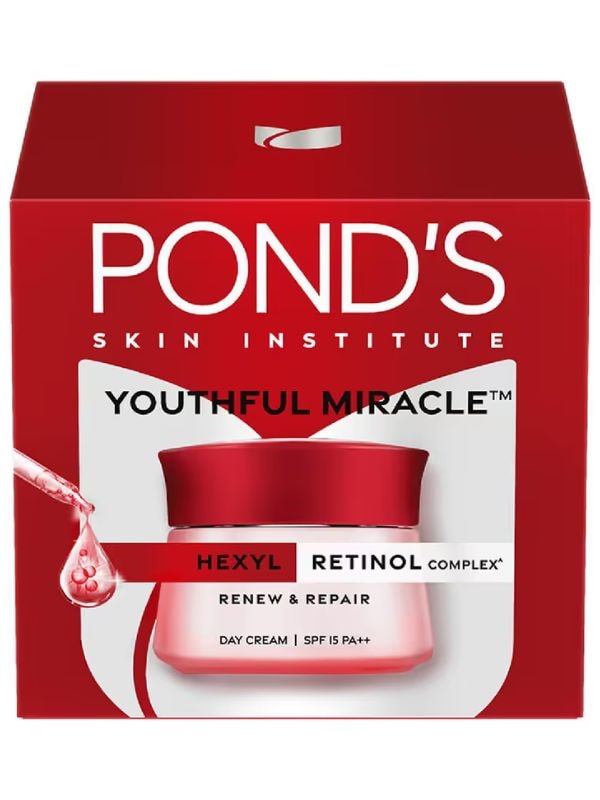
Click here to buy POND'S Youthful Miracle Hexyl Retinol Complex, Renew & Repair Day Cream SPF 15 PA++
Photo Credit: Pexels
9. COSRX The Retinol 0.1 Cream
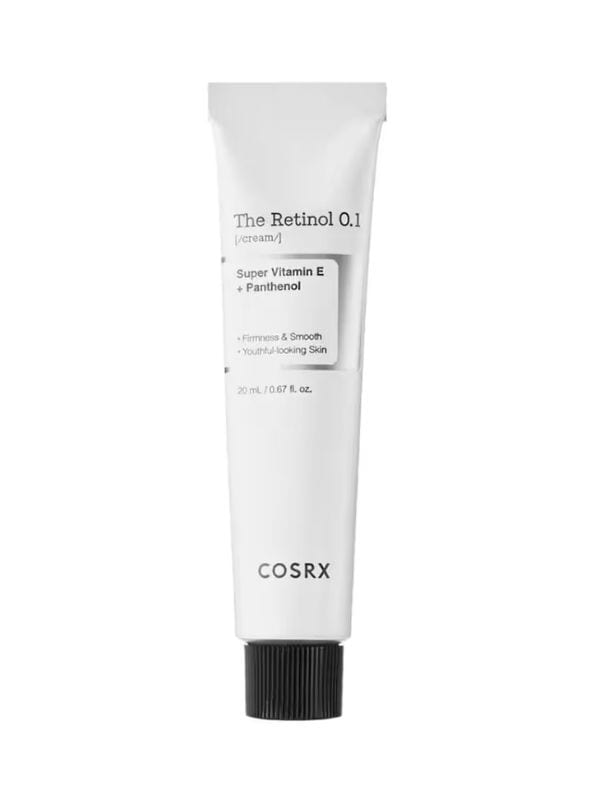
Click here to buy COSRX The Retinol 0.1 Cream
Photo Credit: Pexels
10. Mamaearth Retinol Night Cream
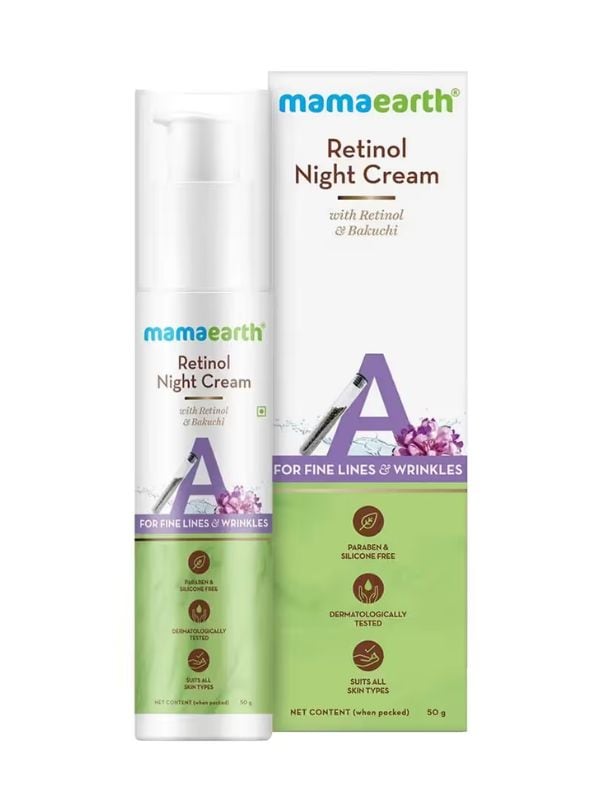
Click here to buy Mamaearth Retinol Night Cream
Photo Credit: Pexels
Frequently Asked Questions (FAQs)
Q1. Can beginners use retinol night cream?
Yes. Beginner-friendly formulas with lower concentrations are ideal for those new to retinol.
Q2. How often should retinol night cream be used?
Start with two to three nights a week and increase gradually based on skin tolerance.
Q3. Can retinol night cream be used on sensitive skin?
Yes, if the formula is gentle and introduced slowly, with added barrier-supporting ingredients.
Q4. Do I need sunscreen if I use retinol at night?
Absolutely. Retinol increases sun sensitivity, so daily sunscreen is essential.
Q5. When will I see results from retinol night cream?
Visible improvements in texture and tone typically appear after consistent use over several weeks.
(Disclaimer: This article may include references to or features of products and services made available through affiliate marketing campaigns. NDTV Convergence Limited (“NDTV”) strives to maintain editorial independence while participating in such campaigns. NDTV does not assume responsibility for the performance or claims of any featured products or services.)